 PuroClean Home Savers
 On This Topic, You will learn the following:
Table of Contents
Introduction
Cooking Fire Tips: Cooking is a daily activity for most households, providing nourishment and bringing families together. However, it is also a leading cause of house fires. The combination of heat, flammable ingredients, and human error makes kitchens particularly prone to accidents. By practicing essential safety cooking measures, you can reduce the risk of a kitchen fire and protect your home and loved ones. Here’s a comprehensive guide to help you understand what precautions to take when cooking to prevent house fires.
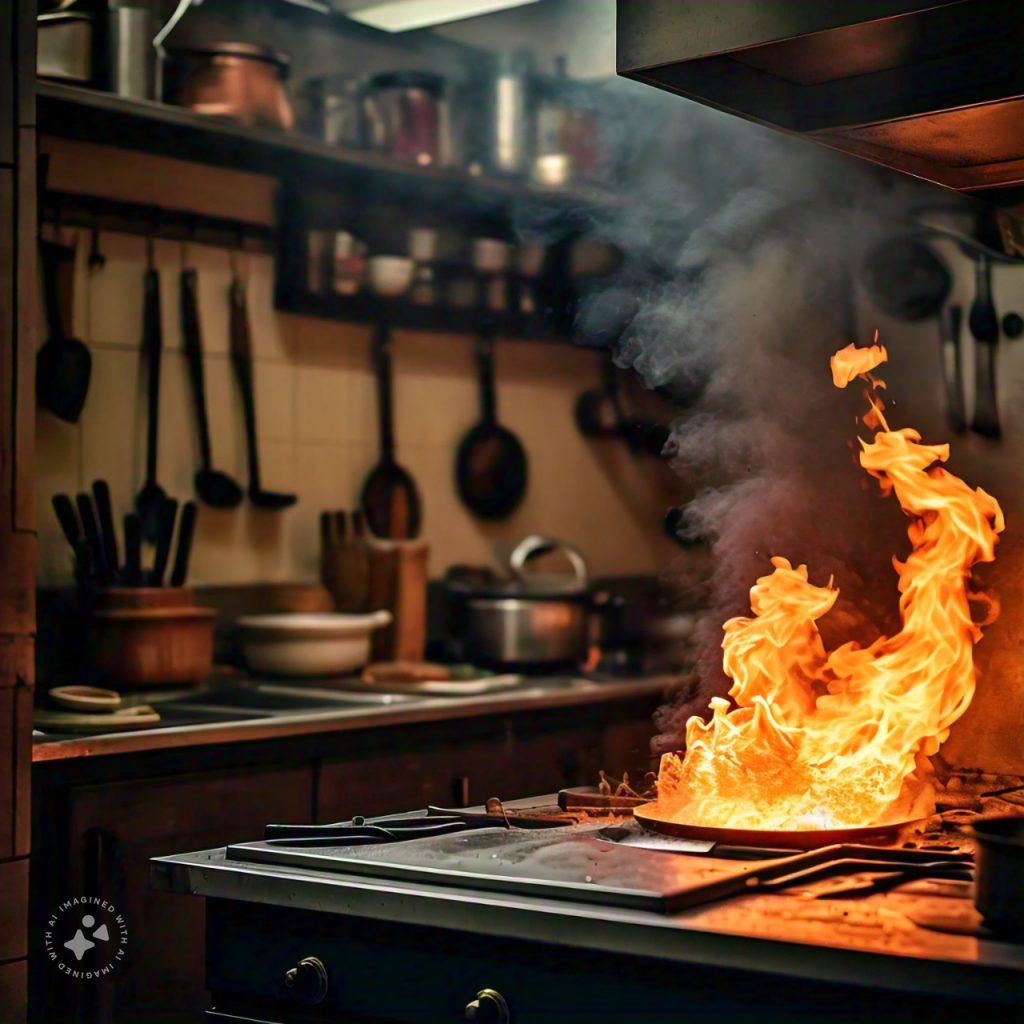
Safety Measures To Keep in Mind Around the Kitchen
1. Stay Attentive While Cooking
One of the primary causes of kitchen fires is unattended cooking. Many house fires start simply because someone left the stove or oven on and walked away. Whether it’s a quick meal or a complex dish, staying focused is crucial.
- Always Stay in the Kitchen: If you’re simmering, baking, or roasting food, it’s tempting to multitask. However, it’s vital to remain nearby so you can immediately address any potential issues. If you need to leave the kitchen, turn off the stove.
- Use Timers: Set timers to remind you that something is cooking. This is especially useful if you’re working on multiple dishes or other tasks around the house.
- Be Mindful When Cooking with Oil: Frying with oil is particularly hazardous as hot oil can ignite quickly. Never leave a pan of oil unattended.
2. Keep Your Cooking Area Organized
A cluttered kitchen can become a fire hazard, especially when cooking with open flames or heat.
- Clear the Stove and Surrounding Area: Keep flammable items such as paper towels, oven mitts, wooden utensils, and dishcloths away from the stove. Ensure that these items are stored at a safe distance from the heat source.
- Use Fire-Resistant Materials: Opt for non-flammable or fire-resistant materials around your stove area, like silicone oven mitts, which are less likely to catch fire compared to fabric.
- Maintain a Clean Kitchen: Grease and food residue build-up can ignite easily. Clean the stove, oven, and exhaust hood regularly to prevent grease fires. Wipe down surfaces after cooking, and be diligent about cleaning grease from countertops and stovetops.
3. Use Cooking Appliances Safely
Understanding how to safely use your kitchen appliances is essential to fire prevention.
- Monitor Electrical Appliances: Make sure your kitchen appliances are functioning correctly. Replace frayed cords and avoid overloading outlets. Always unplug appliances such as toasters and slow cookers when they are not in use.
- Be Cautious with Microwaves: Microwaves can overheat food or ignite certain materials, such as aluminum foil or certain plastics. Only use microwave-safe containers and regularly check the appliance for damage.
- Oven Safety: Always ensure your oven is free from leftover food crumbs or spills before turning it on. If you experience any smoke coming from the oven, immediately turn it off and investigate. Do not open the door if a fire starts inside the oven—keep it closed and allow the fire to burn out while the oven is off.
4. Use Cooking Equipment Correctly
Accidents often occur when people misuse kitchen tools and equipment. Proper handling of cooking utensils and methods can greatly reduce fire hazards.
Use the Right Pots and Pans: Overcrowding a pan or using the wrong size can cause spillage or overheating, leading to fires. Always match the pan size to the burner and avoid overfilling with oil or liquid.
- Use Appropriate Heat Settings: Cooking on high heat, especially when frying, can easily lead to combustion. Adjust your burners to the proper heat level to avoid overheating.
- Lid Management: Always keep a lid nearby when cooking with oil or any flammable material. If a small fire occurs, you can smother it by covering the pan with the lid and turning off the heat.
5. Install and Maintain Smoke Detectors
Smoke detectors are your first line of defense when it comes to kitchen fires. Every household should have smoke detectors installed, especially near the kitchen.
- Install Detectors in Key Areas: Make sure you have smoke detectors near the kitchen, but not directly above stoves where false alarms may occur. Place them in areas where smoke would likely travel first, such as hallways adjacent to the kitchen.
- Test Regularly: Check the batteries in your smoke detectors once a month and replace them twice a year. A working smoke detector can provide early warning and allow for quick response in case of a fire.
- Consider a Heat Detector: Unlike smoke detectors, heat detectors are designed to sense abnormal temperature rises. These are useful in the kitchen since they won’t trigger false alarms like regular smoke detectors.
6. Know How to Handle a Cooking Fire
Despite all precautions, accidents can still happen. Knowing how to safely respond in the event of a fire is vital to minimizing damage and protecting lives.
- Small Pan Fires: If a small fire starts in a pan, your first move should be to cover it with a metal lid and turn off the heat. Never attempt to move the pan, as the fire can grow, and you risk spilling the contents.
- Never Use Water on a Grease Fire: One of the most dangerous kitchen fires is a grease fire. If oil ignites, never pour water on it—this will cause the fire to spread. Instead, smother the fire with a metal lid or baking soda. Alternatively, use a Class K fire extinguisher, specifically designed for kitchen fires.
- Oven Fires: As mentioned earlier, if a fire starts in the oven, turn off the appliance and keep the oven door closed. The fire will likely extinguish itself due to a lack of oxygen.
- Have a Fire Extinguisher Handy: Every kitchen should have a fire extinguisher rated for Class B or K fires, which are specifically for flammable liquids like oil and grease. Make sure you know how to use it—remember the acronym PASS: Pull the pin, Aim the nozzle, Squeeze the handle, and Sweep the base of the fire.
7. Dress for Kitchen Safety
It may not seem obvious, but what you wear while cooking can also influence fire risk.
- Avoid Loose Clothing: Loose sleeves or dangling fabric can catch fire if it comes too close to a burner. Wear short or snug-fitting sleeves, and avoid scarves or long accessories when cooking.
- Use Proper Footwear: Fires aren’t the only risk in the kitchen—spills and slips can cause injuries as well. Wearing closed-toe shoes with non-slip soles can prevent accidents from falling hot liquids.
8. Educate Household Members
It’s crucial that everyone in your household knows basic fire prevention and safety rules. Whether they’re helping with dinner or cooking on their own, proper training can make a significant difference.
- Teach Children: Children are often curious about cooking, so teaching them kitchen safety from an early age is vital. Keep them away from the stove, explain the dangers of fire, and supervise their activities closely when they help in the kitchen.
- Practice Fire Drills: Have a family escape plan in case of a fire. Practice fire drills to ensure everyone knows the exit routes and the location of fire extinguishers.
9. Invest in Fire-Resistant Kitchen Equipment
Certain kitchen tools and equipment can help in preventing fires.
- Fire-Resistant Cookware: Choose pots and pans made of non-flammable materials, such as stainless steel or cast iron. Avoid using cheap or damaged cookware that can quickly overheat or melt.
- Automatic Stove Shut-Off Devices: These devices can be installed to automatically turn off your stove if it’s left unattended for too long, reducing the risk of accidental fires.
- Grease Splatter Screens: A splatter screen can help reduce the risk of oil splashing out of a pan and catching fire.
For immediate assistance with Smoke or Fire Damage Remediation, contact Puroclean Home Savers, Call (+1) 614-689-0012.
Conclusion
House fires caused by cooking accidents are all too common, but most are preventable with the right precautions. By staying attentive, maintaining a clean and organized kitchen, using cooking equipment correctly, and knowing how to react in the event of a fire, you can significantly reduce the risk of a kitchen fire. Additionally, make sure you install and maintain smoke detectors, have an accessible fire extinguisher, and educate all members of your household about fire safety. With these safety measures in place, you can enjoy cooking without the fear of a potential disaster.
Stay safe, stay vigilant, and enjoy your time in the kitchen!

 PuroClean Home Savers