


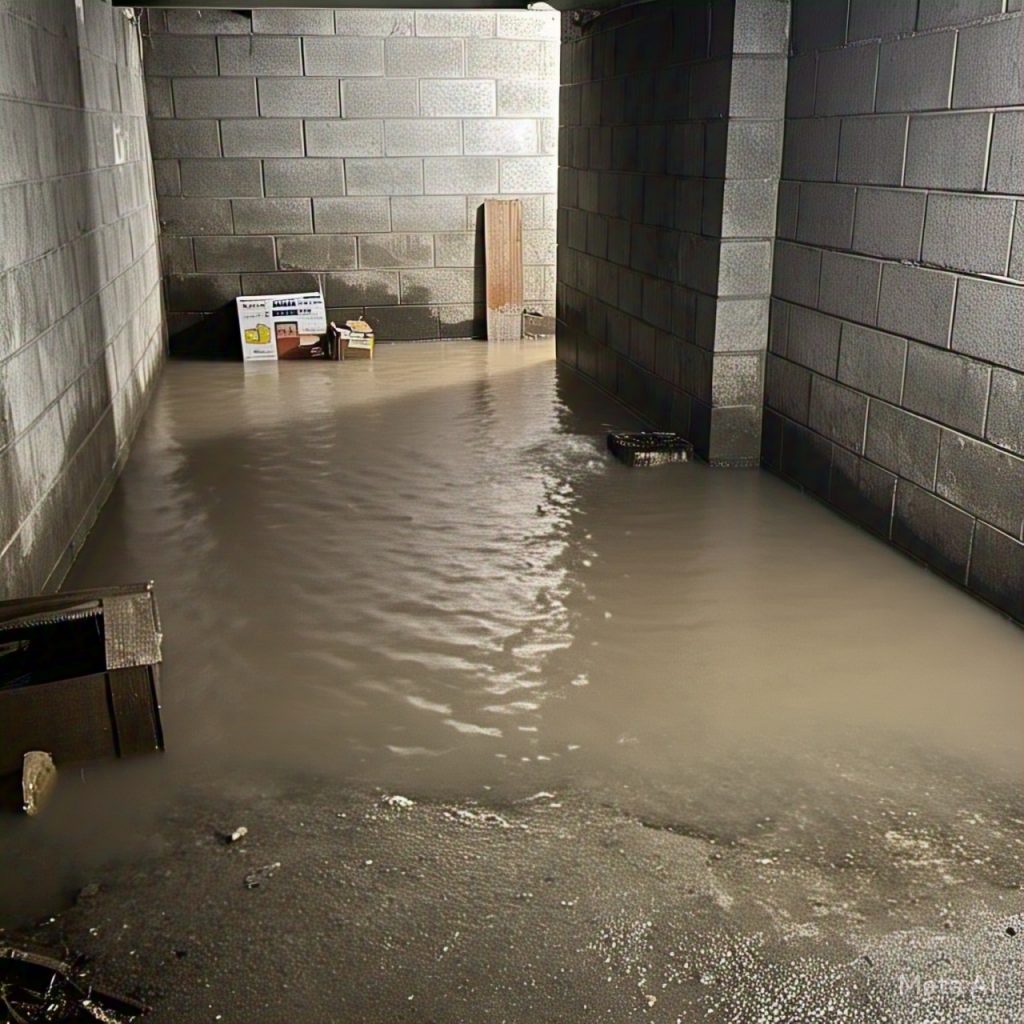
Basement flooding is a homeowner’s nightmare, causing extensive damage and costly repairs. Understanding the causes, preventive measures, and restoration solutions can help mitigate risks and ensure a safe home environment. Whether from heavy rains, a burst pipe, or sewer backup, standing water can cause structural damage, electrical hazards, and toxic mold growth within 24-48 hours. Acting fast is crucial to prevent costly repairs and health risks.
This step-by-step guide covers:
Immediate actions to take when you discover flooding
Safe water removal methods (DIY vs. professional help)
Pro drying techniques to prevent mold
When to call a water damage restoration company
Long-term prevention tips
For immediate assistance with Water damage restoration, contact PuroClean Home Savers, Call (+1) 614-689-0012.
Common Causes of Basement Flooding
- Heavy Rainfall & Poor Drainage – Excessive rain can overwhelm drainage systems, leading to water infiltration.
- Sump Pump Failure – A malfunctioning or overwhelmed sump pump can allow water to accumulate in the basement.
- Foundation Cracks – Water can seep through cracks in the foundation, especially during heavy rain or snowmelt.
- Clogged or Broken Gutters & Downspouts – Inefficient water redirection can lead to water pooling around the foundation.
- Sewer Backup – A blocked or overloaded sewer system can push wastewater back into the basement.
- Poorly Sealed Windows & Doors – Water can enter through improperly sealed basement windows and doors.
- Burst or Leaking Pipes – Frozen or damaged pipes can lead to basement flooding.
Why You Must Act Fast After a Basement Flood
Mold spores are always present in the air, but they only grow when they find moisture. According to the EPA, mold can begin colonizing within 24-48 hours on wet surfaces. Left untreated, it spreads through:
- Drywall
- Wood framing
- Carpet & insulation
- Personal belongings
Health risks of mold exposure include:
- Respiratory issues (asthma attacks, allergic reactions)
- Skin irritation
- Chronic sinus infections
Secondary damage from delayed drying:
- Warped floors & walls
- Rotting wood structures
- Electrical system corrosion
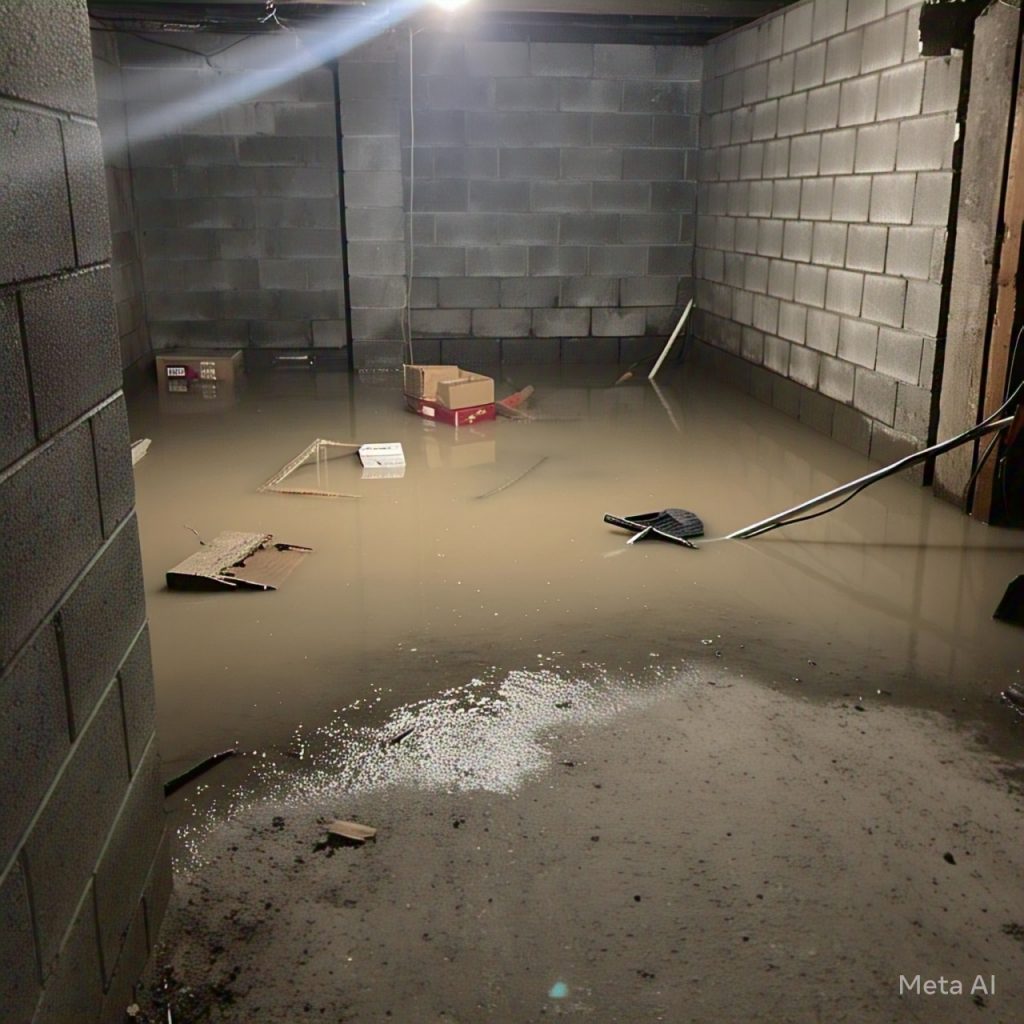
Step 1: Ensure Safety Before Entering the Basement
Do NOT enter if:
- Water is near electrical outlets or appliances
- There’s a risk of structural collapse
- Sewage or chemical contaminants are present
Safety precautions:
Turn off electricity at the breaker (if safe to do so).
Wear waterproof boots, gloves, and an N95 mask.
Open windows for ventilation (if outdoor air is dry).
Step 2: Remove Standing Water
DIY Methods (For Minor Flooding – Less Than 2 Inches)
- Wet/dry vacuum – Best for quick water extraction
- Sump pump – If you have one installed
- Mops & buckets – Labor-intensive but effective
- Towels & absorbent pads – For final moisture soak-up
When to Call a Water Damage Restoration Pro
- Water is more than 2 inches deep
- Sewage or contaminated water is involved
- Flooding covers a large area (over 200 sq. ft.)
Pro Tip: Many homeowners’ insurance policies cover professional water extraction—check your policy!
Step 3: Dry Out the Basement Completely
Mold grows in hidden, damp spaces, so thorough drying is critical.
Tools You’ll Need:
- Dehumidifiers (70-pint or larger for basements)
- High-velocity air movers (fans alone won’t cut it)
- Moisture meters (to check walls & floors)
Drying Process:
- Position fans & dehumidifiers – Create cross-ventilation.
- Remove wet materials – Carpets, cardboard, and insulation may need disposal.
- Check hidden spaces – Behind drywall, under flooring, and in crawl spaces.
- Run equipment for 48-72 hours – Monitor humidity until it’s below 50%.
Warning: If drywall stays wet for more than 24 hours, it may need replacement to prevent mold inside walls.
Step 4: Disinfect & Prevent Mold Growth
Even after drying, bacteria and mold spores linger.
How to sanitize:
- Bleach solution (1 cup bleach + 1 gallon water) for non-porous surfaces
- Vinegar or hydrogen peroxide for porous materials
- Commercial antimicrobial sprays (like Concrobium)
Signs mold is already growing:
- Musty odor
- Discolored patches (black, green, or white fuzz)
- Warped or peeling surfaces
If you see mold:
- Small areas (<10 sq. ft.) can be cleaned with proper PPE.
- Larger infestations require professional mold remediation.
Step 5: Restore & Prevent Future Flooding
Repair Damage
- Replace damaged drywall, flooring, and insulation.
- Inspect wiring for corrosion.
Flood-Proofing Tips
Install a sump pump with battery backup
Seal basement cracks with hydraulic cement
Grade soil away from the foundation
Use waterproof storage for valuables
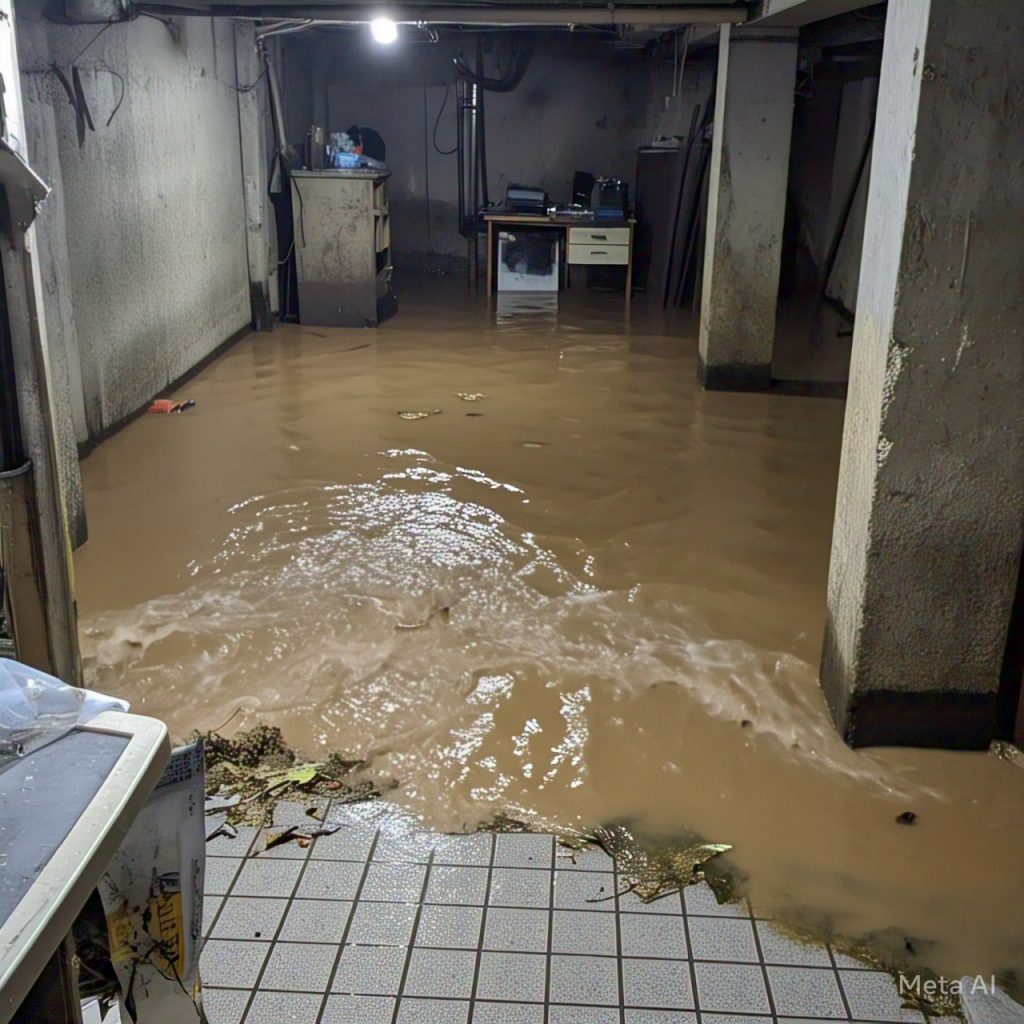
Preventing Basement Flooding
- Install & Maintain a Sump Pump – Ensure it functions properly and has a backup battery system.
- Clean Gutters & Downspouts Regularly – Remove debris to ensure proper water flow.
- Grade Landscaping Away from the Home – Ensure the ground slopes away to prevent water pooling near the foundation.
- Waterproof Basement Walls & Floors – Apply sealants to block moisture entry.
- Install a Backwater Valve – Prevents sewer backups from flooding your basement.
- Regularly Inspect Foundation for Cracks – Seal any gaps to prevent water intrusion.
- Check Plumbing for Leaks – Fix any leaking pipes promptly.
When to Call a Professional Water Damage Restoration Company
Consider professional help if:
- The flood was caused by sewage or contaminated water.
- Water sat for more than 24 hours.
- You smell mold but can’t find the source.
- Structural materials (drywall, wood) are soaked.
Benefits of pros:
- Industrial-grade drying equipment
- Mold testing & certified remediation
- Insurance claim assistance
Final Thoughts: Act Fast, Dry Thoroughly, Prevent Mold
A flooded basement can quickly turn into a mold disaster if not handled properly. By following these steps—removing water fast, drying completely, disinfecting, and flood-proofing—you can minimize damage and health risks.
Need help with severe flooding or mold? Contact a licensed water damage restoration company like this for a safe, thorough cleanup.
Found this guide helpful? Share it with a neighbor to help them stay prepared!
FAQs about Basement Flooding
1. What should I do immediately after my basement floods?
- Ensure safety, turn off power, remove water, and dry out the area quickly.
2. Will insurance cover basement flooding?
- It depends on your policy. Standard homeowner’s insurance may not cover flooding, but flood insurance or additional coverage might.
3. How long does it take to dry out a flooded basement?
- It can take anywhere from 24 to 72 hours, depending on the extent of the flooding and drying methods used.
4. How can I prevent mold after a flood?
- Remove water quickly, dry the area completely, use dehumidifiers, and disinfect affected surfaces.
5. Should I attempt basement flood cleanup myself?
- Small floods can be managed DIY, but professional restoration is recommended for severe damage or sewage-related flooding.
6. Can a sump pump prevent basement flooding?
- Yes, a properly functioning sump pump can prevent water accumulation in the basement.
7. What are signs of potential basement flooding risks?
- Damp walls, musty odors, water stains, foundation cracks, and clogged gutters.
8. How often should I inspect my basement for flood risks?
- At least twice a year, especially before the rainy season.
9. Can landscaping affect basement flooding?
- Yes, improper grading can cause water to pool near the foundation and seep into the basement.
10. Is basement flooding dangerous?
- Yes, it can cause structural damage, electrical hazards, and mold growth, which pose health risks.
By taking proactive steps and knowing what to do in case of a flood, homeowners can safeguard their basements from extensive damage. If flooding occurs, swift action and professional restoration services can prevent long-term problems.