 PuroClean Home Savers
 Executive Summary
In Columbus, Ohio, the distinction between trauma cleanup and standard cleaning services is not merely procedural but fundamentally about health, safety, and legal compliance. Trauma cleanup addresses biohazardous materials containing potentially deadly pathogens, requires specialized certification and equipment, and must follow strict federal and state regulations. This article examines why professional biohazard response is non-negotiable, exploring the hidden dangers of inadequate cleanup, the specialized protocols professionals follow, and the serious consequences of treating trauma scenes like standard cleaning jobs.
What Makes Biohazard Cleanup Legally Different From Standard Cleaning in Ohio?
Ohio state law treats biohazardous waste as regulated medical waste, creating legal requirements that standard cleaning companies cannot meet.
The Ohio Environmental Protection Agency mandates specific handling, packaging, labeling, transportation, and disposal procedures for materials contaminated with blood or bodily fluids. Only licensed medical waste transporters can legally move these materials from the scene to approved disposal facilities.
Standard cleaning companies lack the required permits, training, and insurance to handle biohazardous materials legally. If they attempt trauma cleanup, both the cleaning company and property owner could face regulatory violations, fines, and legal liability.
Why Do Columbus Hospitals Call Specialized Teams Instead of Their Regular Cleaning Staff?
Even hospitals with sophisticated cleaning departments call specialized biohazard teams for certain situations, which should tell you everything about the difference between these services.
Hospital environmental services staff handle routine cleaning and even isolation room sanitation. However, for major blood spills, contaminated surgical areas, or situations involving highly infectious pathogens, hospitals contract specialized biohazard remediation companies.
This separation exists because trauma cleanup requires different training, equipment, and protocols than standard medical facility cleaning. If hospitals with trained cleaning staff still need specialized help, residential or commercial property owners certainly shouldn’t attempt these cleanups themselves or hire standard cleaning services.
What Invisible Dangers Exist at Trauma Scenes That Standard Cleaning Misses?
The most dangerous aspects of trauma scenes are often invisible to the untrained eye.
Blood spatter travels farther than most people realize. A traumatic injury can create microscopic blood droplets that land on walls, ceilings, and objects several feet from the main contamination area. These tiny droplets are invisible without special lighting but can harbor the same pathogens as the visible blood.
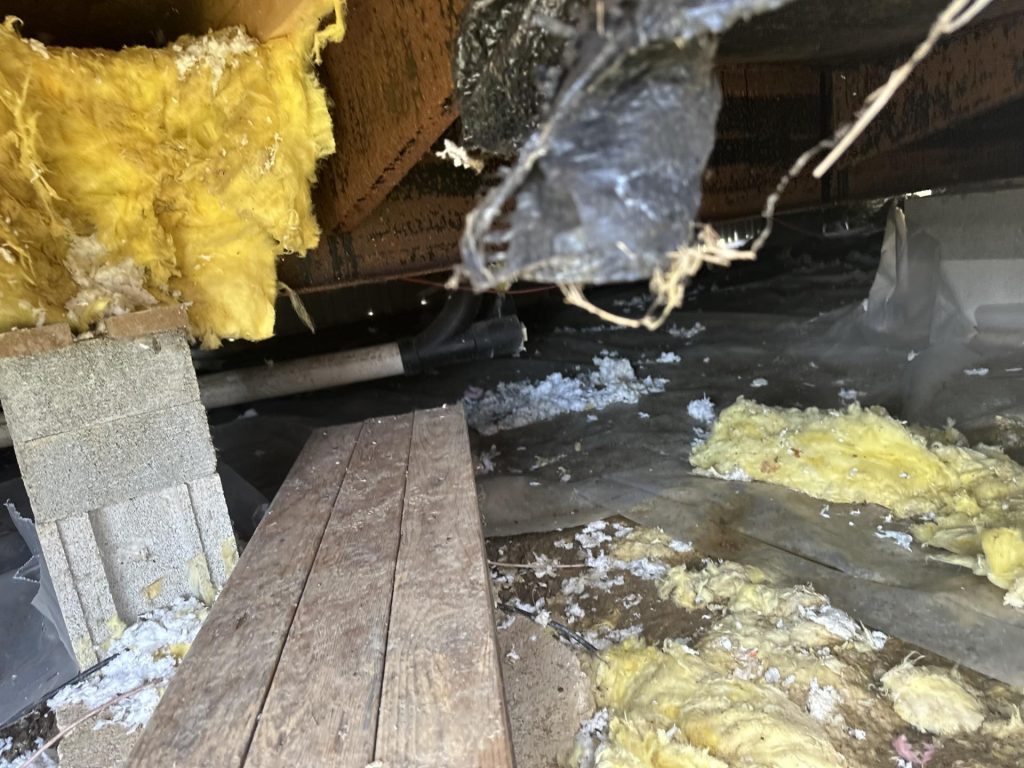
Bodily fluids also penetrate porous surfaces rapidly. Within minutes, blood can seep through carpet into padding and subflooring, through grout into the concrete beneath tile, or into drywall and insulation. Surface cleaning leaves these hidden contamination reservoirs untouched.
Airborne pathogens present another invisible risk. During decomposition or when disturbed during improper cleaning, biological materials can become aerosolized, spreading contamination through the air and into HVAC systems.
The Columbus Landlord Who Learned This Lesson the Hard Way
A Columbus property owner faced a difficult situation when a tenant died unexpectedly in one of his rental units. The death wasn’t discovered for several days, and biological contamination had spread throughout the bedroom and into the hallway.
Concerned about the cost and wanting to get the unit back on the market quickly, the landlord hired a standard cleaning company he’d used for years. The crew did their best, removing visible contamination and using strong-smelling cleaning products to mask odors.
The landlord rented the unit to a new tenant within two weeks. Less than a month later, the tenant developed persistent respiratory problems and discovered a foul odor coming from beneath the carpet when she moved furniture. She contacted a health inspector, who identified biological contamination in the subfloor and wall cavities.
The situation escalated rapidly. The tenant sued for health damages and lease violations. The health department cited the landlord for improper biohazard handling. His insurance company initially denied coverage because he hadn’t used a licensed biohazard remediation company, which his policy required.
The landlord eventually hired PuroClean Home Savers to perform proper remediation. The professional assessment revealed contamination far beyond what the standard cleaning company had addressed, including biological materials in subflooring, wall cavities, and the HVAC system. The complete remediation cost three times what the initial professional cleanup would have cost, plus legal fees, tenant relocation costs, and lost rental income during the extended renovation.
The landlord’s insurance eventually covered most costs after extensive documentation proved the second cleanup met professional standards. However, the experience taught him that proper biohazard response isn’t optional or negotiable. It’s a legal requirement and a moral obligation to future occupants.
How Do Bloodborne Pathogens Survive Longer Than People Realize?
One of the most dangerous misconceptions about trauma cleanup is that pathogens die quickly once outside the body.
Hepatitis B virus can survive in dried blood at room temperature for at least seven days, possibly longer. Hepatitis C remains viable for up to four days on environmental surfaces. HIV, while more fragile, can still survive in certain conditions for hours or even days.
Other pathogens like MRSA (methicillin-resistant Staphylococcus aureus) can survive on surfaces for weeks or months. C. difficile spores can persist for months, and tuberculosis bacteria can remain infectious in certain conditions for extended periods.
Standard cleaning products don’t eliminate these pathogens effectively. Household bleach, while often recommended, requires specific concentrations, contact times, and application methods to be effective. Improper use provides a false sense of security while leaving dangerous contamination behind.
What Specific Training Do Biohazard Professionals Complete That Standard Cleaners Don’t?
The training gap between standard cleaning and biohazard remediation is substantial and specific.
Professional trauma cleanup technicians complete OSHA’s Bloodborne Pathogens Standard training, which covers transmission routes, exposure prevention, proper PPE usage, and post-exposure protocols. This isn’t a quick online course but comprehensive training with regular updates.
They also receive training in infectious disease transmission, proper use of hospital-grade disinfectants, biohazard waste packaging and labeling, decontamination procedures, and proper disposal protocols. Many professionals also complete IICRC Applied Microbial Remediation certification.
Standard cleaning companies might provide basic safety training, but they don’t receive education specific to bloodborne pathogens, infectious disease transmission, or biohazard remediation protocols.
What Equipment Differences Actually Matter in Biohazard Situations?
The equipment used in trauma cleanup versus standard cleaning represents fundamentally different approaches to contamination.
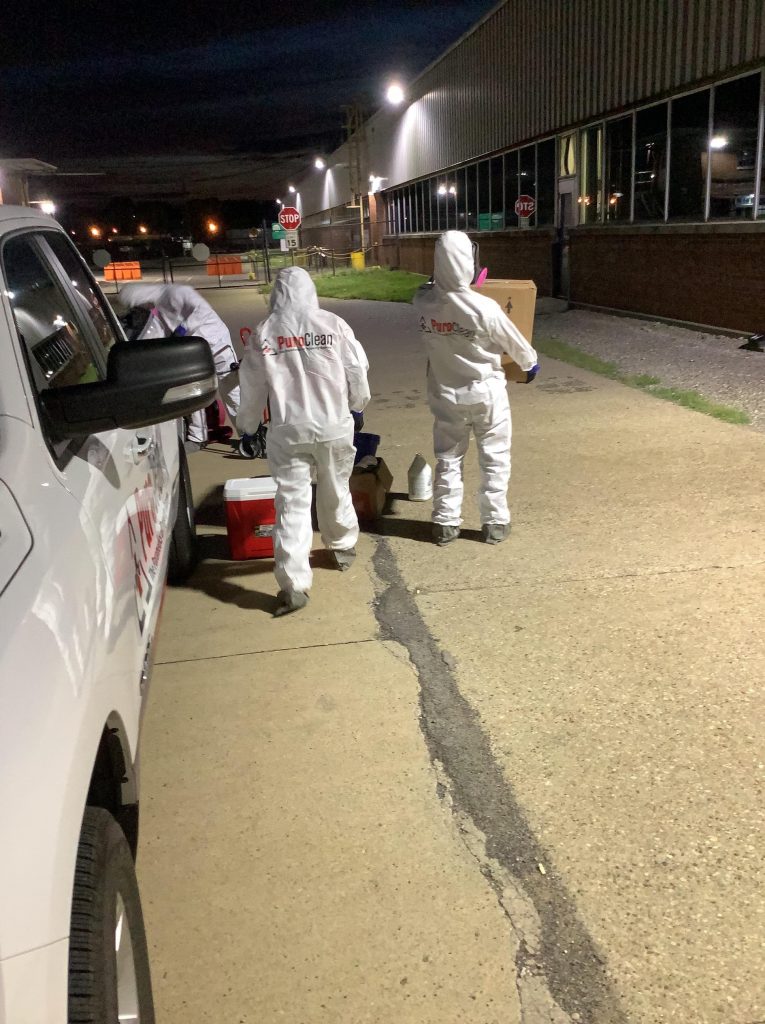
Personal protective equipment for biohazard work includes full-body suits rated for biological hazards, respirators with appropriate filters for airborne pathogens, multiple layers of specialized gloves, protective footwear, and face shields. Standard cleaning crews typically wear basic gloves and perhaps safety glasses.
Cleaning agents differ significantly. Biohazard professionals use EPA-registered disinfectants proven effective against specific bloodborne pathogens, enzyme digesters that break down proteins in blood and tissue, and specialized odor eliminators designed for decomposition. Regular cleaning products aren’t formulated or tested for these specific challenges.
Detection and verification equipment helps professionals find hidden contamination and confirm complete remediation. This includes UV lights for detecting invisible blood spatter, ATP meters for measuring biological contamination levels, moisture meters for finding fluid penetration in materials, and air quality testing equipment.
When Does Ohio Law Require Professional Biohazard Response?
While Ohio law doesn’t explicitly require property owners to hire professionals for all biohazard situations, several legal frameworks effectively make professional response non-negotiable.
Medical waste regulations require proper handling and disposal of biohazardous materials. Property owners who attempt to dispose of trauma scene waste in regular trash violate state and potentially federal law.
Occupational safety regulations protect workers from bloodborne pathogen exposure. If you hire any worker (including standard cleaning staff) to clean a trauma scene without proper training and equipment, you violate OSHA regulations and create liability.
Landlord-tenant laws require safe, habitable housing. Inadequate biohazard cleanup violates this obligation and creates legal liability if tenants become ill.
Property disclosure requirements for real estate transactions create additional considerations. Proper professional cleanup with documentation can help mitigate disclosure complications.
How Does Improper Cleanup Create Long-Term Property Damage?
Beyond health risks, inadequate trauma cleanup causes progressive property damage that worsens over time.
Biological fluids are highly corrosive. Blood, in particular, has acidic properties that can permanently stain or damage hardwood floors, concrete, tile, and grout. The longer these materials remain, the deeper the damage penetrates.
Decomposition creates enzymes and chemicals that break down organic and synthetic materials. Carpets, padding, drywall, insulation, and even structural wood can be permanently damaged by prolonged exposure to biological contamination.
Odors from inadequate cleanup permeate everything. The smell of decomposition or biological materials gets into HVAC systems, ductwork, wall cavities, and porous materials, making spaces uninhabitable even after surface cleaning.
Mold growth often follows biological contamination, especially when fluids penetrate into enclosed spaces with poor ventilation. This creates a secondary contamination problem requiring additional remediation.
What Insurance Considerations Affect the Choice Between Standard and Professional Cleanup?
Insurance coverage often depends on using proper professional services, creating financial as well as health reasons to choose certified biohazard remediation.
Most homeowner’s insurance policies cover trauma cleanup for covered events, but many policies specifically require licensed, certified remediation companies. Using standard cleaning services or attempting DIY cleanup can void coverage or complicate claims.
Commercial property insurance typically has explicit requirements for biohazard incidents. Using non-certified services creates claim denial risks and potential policy cancellation.
Liability insurance for landlords and property owners generally requires compliance with applicable health and safety regulations. Inadequate cleanup creates coverage gaps if tenants or future occupants become ill.
Professional biohazard companies also carry specialized insurance that protects property owners from liability related to the cleanup process itself. Standard cleaning companies lack this coverage.
How Do Professionals Verify Complete Decontamination?
Verification represents a critical difference between professional biohazard response and standard cleaning.
After removing contaminated materials and completing disinfection, professionals use testing to confirm successful decontamination. ATP testing measures adenosine triphosphate, present in all living cells, to verify that biological contamination has been eliminated to safe levels.
Visual inspection under UV lighting reveals any remaining blood or bodily fluid residues invisible under normal lighting. Air quality testing confirms that airborne contamination has been eliminated and HVAC systems aren’t distributing pathogens.
Professionals also document the entire process with photographs, testing results, and detailed reports. This documentation provides proof of proper remediation for insurance, legal, and property transaction purposes.
Standard cleaning companies don’t perform verification testing and can’t provide documentation proving complete decontamination.
What Happens During the First Hour of Professional Biohazard Response?
Understanding the professional response process highlights why standard cleaning falls short.
Within the first hour, certified technicians arrive, conduct an initial safety assessment, and establish scene security to prevent unauthorized entry or exposure. They identify all contaminated areas using visual inspection and detection equipment, looking beyond obvious contamination to find hidden affected areas.
Technicians develop a remediation plan specific to the scene, identifying materials requiring removal versus those that can be decontaminated in place. They also begin insurance documentation, photographing conditions and creating initial reports.
Containment begins immediately to prevent cross-contamination, including sealing off HVAC vents, establishing negative air pressure if needed, and creating decontamination corridors for equipment and personnel movement.
This systematic approach based on established protocols ensures nothing gets missed, unlike standard cleaning’s surface-level approach.
How Does Biohazard Cleanup Protect Future Property Use and Value?
Proper professional biohazard response protects property value in multiple ways.
Complete remediation prevents ongoing health problems that could create legal liability, negative reviews, or property stigma. Future occupants can live or work in the space without health concerns.
Documentation from certified professionals provides proof of proper cleanup for real estate transactions. While traumatic events may still require disclosure under Ohio law, proof of professional remediation significantly reduces the impact on property value.
Preventing long-term property damage through proper cleanup preserves the physical asset. Contamination left behind by inadequate cleaning can require extensive renovation months or years later.
Insurance history also matters. Properties with properly documented professional remediation avoid the complications that can arise from claim disputes or coverage denials related to improper cleanup.
What Should Columbus Property Owners Do Immediately After a Traumatic Event?
The immediate response to a traumatic event significantly impacts health, safety, and costs.
First, secure the scene and prevent anyone from entering the affected area. Well-meaning attempts to clean can spread contamination and make professional remediation more difficult and expensive.
Contact law enforcement if the incident involves a crime, unattended death, or suspicious circumstances. Wait for official clearance before beginning cleanup.
Call a certified biohazard remediation company immediately, even before contacting your insurance company. Professional companies can guide you through the insurance process and begin necessary work while claims are processed.
Do not allow standard cleaning companies or unqualified individuals to attempt cleanup, even if they offer to help. This creates health risks, legal complications, and can void insurance coverage.
Frequently Asked Questions About Biohazard Response in Columbus
How quickly can professional biohazard teams respond in Columbus?
Reputable biohazard remediation companies offer 24/7 emergency response and typically arrive within one to three hours of initial contact. Time-sensitive situations like trauma cleanup require immediate professional attention, not next-day appointments.
What exactly counts as a biohazard that requires professional cleanup?
Biohazards include blood and blood products, bodily fluids (saliva, vomit, urine, feces), tissues or organs, pathological waste, contaminated sharps, and materials contaminated with these substances. Any situation involving these materials requires professional biohazard response.
Can I legally clean up after a family member’s death myself?
While Ohio law doesn’t explicitly prohibit family members from cleaning trauma scenes, doing so creates serious health risks, potential legal liability, and waste disposal law violations. Professional response is strongly recommended and often required by insurance policies.
How do professionals dispose of biohazardous waste in Columbus?
Licensed biohazard companies package contaminated materials in approved containers, properly label them according to Ohio EPA regulations, transport them using licensed medical waste vehicles, and dispose of them at approved medical waste incineration or treatment facilities. Every step is documented for regulatory compliance.
Does commercial property insurance cover biohazard cleanup differently than homeowner’s policies?
Commercial policies often have more explicit requirements for professional remediation and may include business interruption coverage for time lost during cleanup. Coverage specifics vary by policy, but professional remediation companies work with both residential and commercial insurance regularly.
What certifications should I verify before hiring a biohazard cleanup company?
Look for IICRC certification, OSHA bloodborne pathogen training compliance, Ohio medical waste transporter licensing, comprehensive liability and workers’ compensation insurance, and membership in professional organizations like the American Bio Recovery Association.
How long does professional biohazard remediation typically take?
Most residential trauma scenes require one to three days for complete remediation, depending on contamination extent. Larger scenes or those requiring structural material removal may take longer. Companies provide timeline estimates after initial assessment.
Will professional biohazard cleanup completely eliminate odors?
Yes, when performed properly. Professional remediation removes odor sources rather than masking them, uses enzyme treatments to break down organic materials, and employs specialized deodorization techniques. Proper remediation eliminates odors permanently, while surface cleaning only temporarily masks them.
Conclusion
The choice between professional biohazard response and standard cleaning isn’t actually a choice at all. It’s a matter of legal compliance, health protection, and property preservation. In Columbus, Ohio, the consequences of treating trauma cleanup like a standard cleaning job extend far beyond the immediate situation, creating health risks, legal liabilities, and financial costs that multiply over time.
Professional biohazard remediation brings specialized training, proper equipment, legal compliance, and verified results that standard cleaning simply cannot provide. The difference isn’t about being thorough versus cutting corners. It’s about possessing fundamentally different knowledge, capabilities, and legal authority to handle materials that can seriously harm or kill people.
If you’re facing a biohazard situation in Columbus or surrounding areas, immediate professional response is non-negotiable. Contact PuroClean Home Savers at (614) 689-0012 for 24/7 emergency biohazard remediation services. Their certified technicians bring the expertise, equipment, and compassion needed to handle the most difficult situations, ensuring complete safety for you, your property, and future occupants.
 PuroClean Home Savers