


Key Takeaways for Homeowners
- Columbus’s variable climate and aging housing stock create multiple vectors for hidden mold colonization behind walls and beneath surfaces
- The five warning signs include olfactory cues, health impacts, material degradation, mechanical system changes, and substructure indicators that precede visible growth
- IICRC S500 and S520 standards provide the authoritative framework for professional assessment and safe remediation
- Franklin County’s mix of historic and modern construction presents distinct moisture management challenges requiring localized expertise
- Professional moisture mapping and psychrometric analysis detect concealed contamination before structural compromise
- PuroClean Home Savers delivers 24/7 emergency mold assessment and certified remediation throughout Columbus and Franklin County at (614) 689-0012
Columbus Environmental Factors Driving Hidden Mold
Columbus occupies a position where humid continental climate meets significant topographic variation. The Scioto River and its tributaries create riparian moisture corridors, while the city’s expansion across former agricultural land and glacial till presents diverse soil drainage characteristics. These environmental factors combine with housing diversity, from Victorian Village historic properties to modern Dublin subdivisions, creating complex moisture management challenges.
The restoration industry understands that mold represents a symptom, not the primary problem. Moisture, whether from liquid water intrusion, vapor diffusion, or condensation, drives all fungal colonization. Columbus homeowners face particular vulnerability due to:
- Seasonal freeze thaw cycles that compromise foundation waterproofing
- Summer humidity spikes exceeding 80 percent relative humidity
- Variable soil drainage across Franklin County’s glacial deposits
- Aging infrastructure in established neighborhoods with original plumbing and roofing
- Modern airtight construction that traps interior moisture without adequate ventilation
IICRC S500 (Water Damage Restoration) and S520 (Mold Remediation) standards establish the scientific protocols for addressing these conditions. These frameworks require psychrometric analysis, moisture mapping, engineering controls including negative air pressure containment, HEPA filtration, and antimicrobial biocide application. PuroClean Home Savers technicians apply these standards as the authoritative foundation for every Columbus area assessment.
The five warning signs below equip you to detect concealed contamination before it compromises your property and health.
Warning Sign 1: Persistent Musty Odors in Conditioned Spaces
MVOC Detection as Early Warning System
Microbial volatile organic compounds (MVOCs) produce the characteristic earthy, damp odor associated with mold growth. When these odors persist in living spaces despite cleaning, ventilation, and dehumidification efforts, they indicate active colonization hidden from view. In Columbus homes, these odors frequently originate in basements, crawl spaces, and wall cavities where the Scioto River watershed’s moisture influences foundation conditions.
The German Village and Victorian Village neighborhoods exemplify this risk. Historic brick foundations, while aesthetically significant, provide minimal resistance to groundwater vapor transmission. Interior finishes applied without modern vapor management create microclimates where Penicillium and Aspergillus species thrive behind plaster and lath.
Odor investigation protocol:
- Isolate the affected area and prevent air mixing with other spaces
- Document intensity variations by time of day and weather conditions
- Check for symmetry, odors appearing in multiple rooms suggest systemic issues
- Inspect areas near plumbing, chimneys, and exterior penetrations
- Do not mask odors with fragrances, this delays necessary professional assessment
Persistent odors warrant professional moisture mapping. PuroClean Home Savers utilizes thermal imaging and air sampling to locate concealed sources without destructive investigation.
Warning Sign 2: Unexplained Health Changes in Household Members
Immunological Responses to Concealed Mycotoxins
Toxigenic mold species produce mycotoxins that trigger diverse health responses before visible growth alerts homeowners to contamination. In Columbus, where residents spend significant time indoors during winter heating and summer cooling seasons, continuous exposure to elevated spore concentrations creates cumulative health impacts.
The Ohio Department of Health recognizes that indoor mold exposure contributes to respiratory disease, particularly among children, elderly individuals, and those with compromised immune systems. However, because symptoms mimic common allergies and viral infections, mold related illness frequently goes undiagnosed.
Health patterns suggesting hidden mold exposure:
- Symptoms that improve during extended absences from home
- New onset or worsening asthma in previously controlled patients
- Chronic sinusitis unresponsive to conventional treatment
- Unexplained fatigue, cognitive difficulties, or mood disturbances
- Skin irritation without identified contact allergens
Professional air quality assessment provides objective data correlating health symptoms with environmental conditions. PuroClean Home Savers conducts spore trap analysis and particle counting to quantify indoor fungal burdens against outdoor baselines.
Warning Sign 3: Deterioration of Interior Finishes and Stored Items
Material Changes as Moisture Indicators
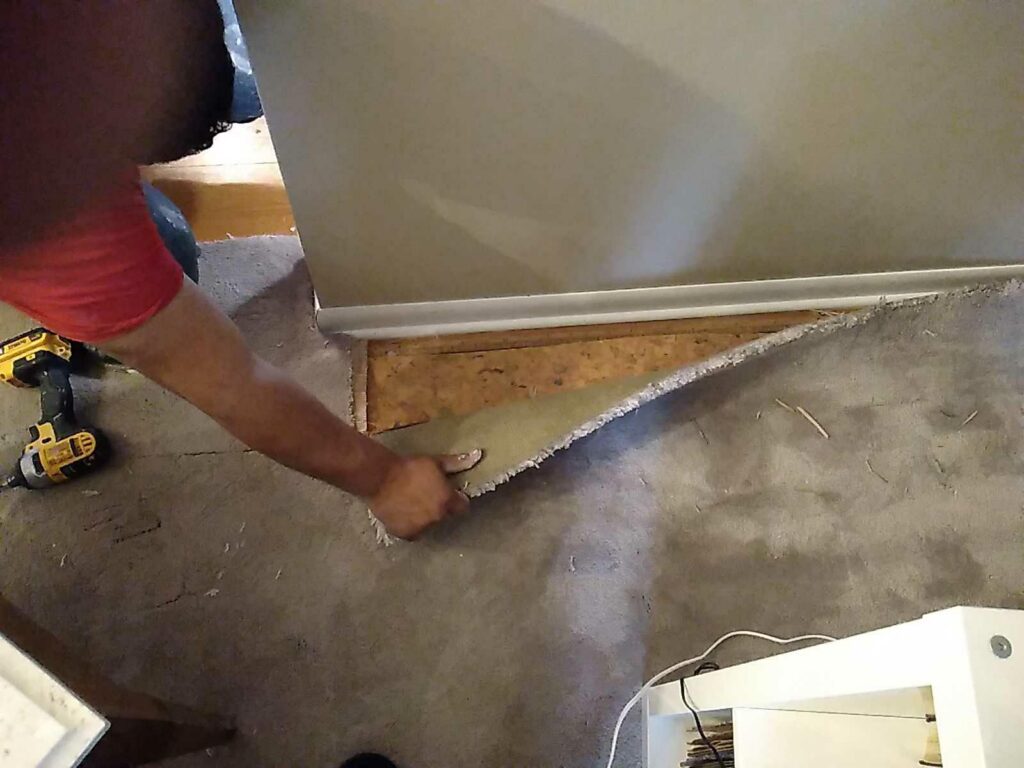
Hidden mold growth eventually manifests through material degradation. Paint bubbling, wallpaper peeling, drywall softening, and wood darkening indicate moisture accumulation behind or within these materials. In Columbus, where temperature differentials between conditioned interiors and unconditioned attics or crawl spaces drive condensation, these signs frequently appear at thermal boundaries.
Modern homes in Dublin, Powell, and New Albany face reverse challenges. Airtight construction with high insulation values reduces natural air exchange, trapping interior moisture generated by cooking, bathing, and respiration. Without mechanical ventilation, this moisture condenses on cooler surfaces within wall cavities, supporting mold growth invisible until material failure occurs.
Systematic material assessment:
- Inspect baseboards and lower wall sections where gravity concentrates moisture
- Check closets and storage areas with limited air circulation
- Examine ceiling areas beneath bathrooms, kitchens, and roof penetrations
- Assess window perimeters for condensation staining or frame degradation
- Evaluate stored items, leather, paper, and textiles reveal environmental conditions
- Document progression with dated photographs
Warning Sign 4: HVAC System Anomalies and Efficiency Changes
Mechanical Distribution of Biological Contaminants
Your heating, ventilation, and air conditioning system can inadvertently distribute mold spores throughout your home when contamination establishes within ductwork, coils, or drain pans. In Columbus, where seasonal temperature extremes demand near continuous HVAC operation, contaminated systems create widespread exposure risks.
Biofilm accumulation on evaporator coils restricts airflow and reduces efficiency, while spore laden dust within ductwork introduces biological particulates with every cycle. The transition between heating and cooling seasons often triggers noticeable odor events as dormant colonies respond to changing temperature and humidity conditions.
HVAC diagnostic checklist:
- Musty odor within seconds of system activation
- Visible mold growth on registers or surrounding surfaces
- Unexplained increase in energy consumption
- Uneven temperature distribution between rooms
- Frequent filter clogging despite regular maintenance
- Condensation on ductwork in unconditioned spaces
Columbus’s mix of historic and modern housing creates varied ductwork configurations. Older homes may feature uninsulated metal ducts in crawl spaces, while newer construction utilizes flex duct in attics. Both configurations present condensation risks that PuroClean Home Savers addresses through coordinated HVAC assessment and remediation.
Warning Sign 5: Substructure Moisture and Foundation Indicators
The Critical Zone Where Structure Meets Soil
Columbus’s glacial legacy created varied soil conditions across Franklin County. Clay rich till in some areas provides poor drainage, while sandy outwash in others drains rapidly but may allow groundwater fluctuation. These soil characteristics directly influence foundation moisture, particularly in homes without modern perimeter drainage and sump pump systems.
Efflorescence on basement walls, chronic floor dampness, and foundation cracking indicate moisture intrusion that supports hidden mold on adjacent organic materials. Homes in the Hilltop and Linden neighborhoods, built on Columbus’s clay dense soils, frequently exhibit these patterns. Conversely, properties near the Scioto River corridor face elevated water table risks that compound foundation challenges.
Foundation evaluation criteria:
- Efflorescence: White mineral deposits indicating active moisture migration
- Wall staining: Discoloration patterns revealing water entry pathways
- Floor conditions: Persistent dampness, particularly near wall junctions
- Structural wood: Softened sill plates, stained joists, or visible fungal growth
- Insulation status: Wet, compressed, or degraded insulation materials
Professional Assessment: Beyond Visual Inspection
DIY mold detection fails because human senses cannot perceive moisture behind finished surfaces or quantify spore concentrations. IICRC certified professionals employ systematic technologies:
Advanced diagnostic methodology:
- Psychrometric analysis: Precise measurement of temperature, humidity, and vapor pressure to identify moisture anomalies
- Thermal imaging: Infrared detection of temperature differentials indicating subsurface moisture
- Moisture mapping: Comprehensive documentation of moisture content across all building assemblies
- Air sampling: Spore trap and cassette analysis comparing indoor and outdoor fungal ecology
- Bulk analysis: Laboratory identification of species and assessment of toxigenic potential
This scientific approach ensures remediation addresses root causes rather than symptoms, preventing recurrence and protecting long term property value.
FAQ: Complex Long Tail Intent Questions
Does home insurance cover mold caused by high humidity in Columbus, Ohio?
Ohio insurance regulations allow carriers to exclude mold damage resulting from maintenance issues, chronic humidity, or gradual water intrusion. However, mold secondary to covered perils, such as burst pipes, appliance failures, or storm damage, may receive limited coverage. Franklin County homeowners should examine their policy declarations for mold specific sublimits, typically ranging from $5,000 to $15,000. Documentation establishing sudden and accidental water damage significantly improves claim outcomes. PuroClean Home Savers provides comprehensive documentation and direct insurance billing assistance.
How does Columbus climate specifically contribute to hidden mold problems?
Columbus experiences humid continental climate with significant seasonal variation. Summer humidity frequently exceeds 80 percent, creating condensation on cooled surfaces. Winter heating season drives moisture into wall cavities through vapor diffusion. Spring snowmelt and rainfall elevate groundwater levels, particularly in areas with clay soils. The combination of these factors with modern airtight construction creates multiple moisture vectors that bypass visual detection until significant contamination exists.
What building code considerations affect mold risk in Columbus homes?
Franklin County enforces the Ohio Residential Code, which includes ventilation and moisture control requirements. However, homes constructed before current code cycles may lack adequate crawl space vapor barriers, foundation drainage, or mechanical ventilation. Historic properties in German Village, Victorian Village, and similar neighborhoods face additional challenges due to original construction methods incompatible with modern moisture management. Retrofitting with closed crawl space systems, dehumidification, and proper grading reduces hidden mold risks while preserving architectural character.
Can hidden mold affect property values in Columbus?
Significantly. Ohio law requires sellers to disclose known mold issues, and undisclosed contamination discovered during inspections typically reduces sale prices by 10 to 25 percent. Professional remediation with transferable documentation protects values and facilitates transactions. Additionally, mold related health concerns increasingly influence buyer decisions, making proactive remediation a sound investment.
What distinguishes professional remediation from DIY cleaning?
IICRC S520 establishes specific requirements: containment barriers with negative air pressure, HEPA filtration during material removal, proper personal protective equipment, antimicrobial biocide application, and post remediation verification testing. DIY efforts typically lack these controls, risking spore dispersal, incomplete removal, and recurrence. Furthermore, improper remediation may void insurance coverage and create liability exposure. Professional service ensures safe, complete, and documented restoration.
Why PuroClean Home Savers Serves Columbus Differently
Mold remediation requires scientific precision, not general cleaning. PuroClean Home Savers delivers IICRC S520 certified service throughout Franklin County:
- Engineering controls including negative air pressure containment and HEPA filtration
- Antimicrobial biocide treatments targeting identified fungal species
- Comprehensive moisture source elimination
- Post remediation verification with laboratory documentation
- Direct insurance coordination and claims advocacy
- Local expertise in Columbus’s diverse housing stock and environmental conditions
Hidden mold threatens your home, health, and financial security. Do not wait for visible confirmation.
Call PuroClean Home Savers now: (614) 689-0012
Our certified technicians provide 24/7 emergency response throughout Columbus, Dublin, Westerville, Reynoldsburg, and all Franklin County communities. We combine restoration science with genuine empathy, returning your home to safe, healthy conditions while protecting your peace of mind.