


Reviewed for technical accuracy by PuroClean Home Savers’ IICRC-certified restoration team.
Professional water damage restoration is governed by the IICRC S500 Standard for Professional Water Damage Restoration, which sets the technical requirements for extraction, drying, and monitoring a structure after a water loss. In Columbus, Ohio, that standard matters more than most homeowners realize, because the city’s river geography, soil conditions, and aging sewer infrastructure combine to make fast water removal the difference between a minor repair and a major reconstruction project.
Key Takeaways for Homeowners
- Water left standing for more than 24 to 48 hours creates conditions for mold colonization, according to IICRC and EPA guidance, adding a second remediation phase.
- Franklinton, the Bottoms, and areas along Alum Creek sit within FEMA-identified Special Flood Hazard Areas due to Columbus’s river network.
- Pre-1970 neighborhoods like German Village and parts of Old North and Franklinton run on combined sewer systems that can back up as Category 3 black water during heavy rain.
- Fast extraction keeps a loss in the lower-cost Category 1 tier instead of letting it escalate to contaminated water requiring biohazard protocols.
- Homeowners insurance typically covers sudden water losses but can deny claims where damage clearly resulted from delayed response.
- PuroClean Home Savers provides 24/7 emergency dispatch and direct insurance billing across Columbus and Franklin County.
If water is actively present in your home right now, do not wait to see whether it recedes. Call PuroClean Home Savers at (614) 689-0012 for immediate emergency water extraction.
Why Columbus Homes Face Compounding Flood Risk
Columbus is shaped by its rivers. The Scioto River bisects the city north to south and is joined near downtown by the Olentangy, while Big Walnut Creek runs along the east side and Alum Creek flows through the southeast. FEMA Flood Insurance Rate Maps identify significant Special Flood Hazard Areas in Franklinton, the Bottoms, and along Alum Creek on the near east side. The Griggs and O’Shaughnessy dams provide meaningful flood control upstream, but intense urban rainfall, especially the flash flooding produced by summer thunderstorms, can still overwhelm city drainage systems faster than the dams can compensate.
Basement flooding risk varies by neighborhood and construction era. Homes near the Scioto and Olentangy, including parts of Franklinton, the Bottoms, and Grandview-adjacent properties, face direct river overflow risk. Clintonville, Bexley, and the Near East Side see frequent sump pump failures during spring storm season, when finished basements are especially vulnerable. Older neighborhoods on the Near South Side, in Linden, and in Olde Towne East run on aging combined sewer systems, where heavy rain can push Category 2 or Category 3 sewer lateral backups through floor drains.
Pre-1960 homes throughout German Village, Victorian Village, and Italian Village face burst pipe and supply line failure risk tied to aging plumbing, while craftsman-era homes in Clintonville and the Short North often develop mold colonization behind plaster walls and in basement crawl spaces where moisture lingers unnoticed. Newer development in areas like Dublin generally benefits from better engineered drainage, though aggressive development near the Scioto has placed some newer neighborhoods in flood-prone zones as well.
Takeaway: the specific flood risk for your Columbus home depends heavily on which neighborhood, sewer system, and construction era it falls into, so knowing your home’s profile helps you react faster when water appears.
Why Speed Changes the Entire Scope of Restoration
The IICRC S500 standard categorizes water damage by contamination level. Category 1 is clean water, Category 2 is gray water with some contamination, and Category 3 is black water containing sewage or floodwater that requires full biohazard protocols. Clean water that sits for 24 to 72 hours, particularly in Columbus’s warm, humid summer conditions, can pick up contaminants from carpet, drywall, and soil and shift into Category 2. Water from a combined sewer overflow in an older Columbus neighborhood already starts as Category 3 under Ohio EPA combined sewer overflow guidance, meaning technicians must use full personal protective equipment and follow disposal protocols for affected porous materials from the outset.
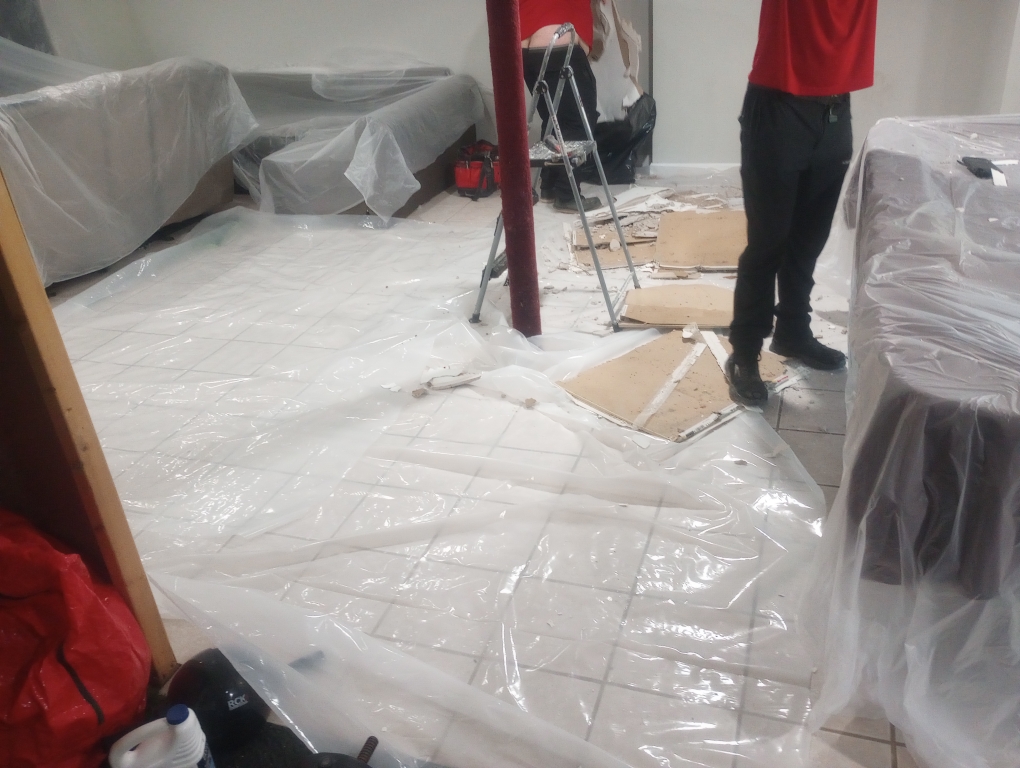
- Extraction: Truck-mounted or portable extraction units remove bulk water immediately, minimizing how far moisture travels into wall cavities, subfloor, and framing through capillary action.
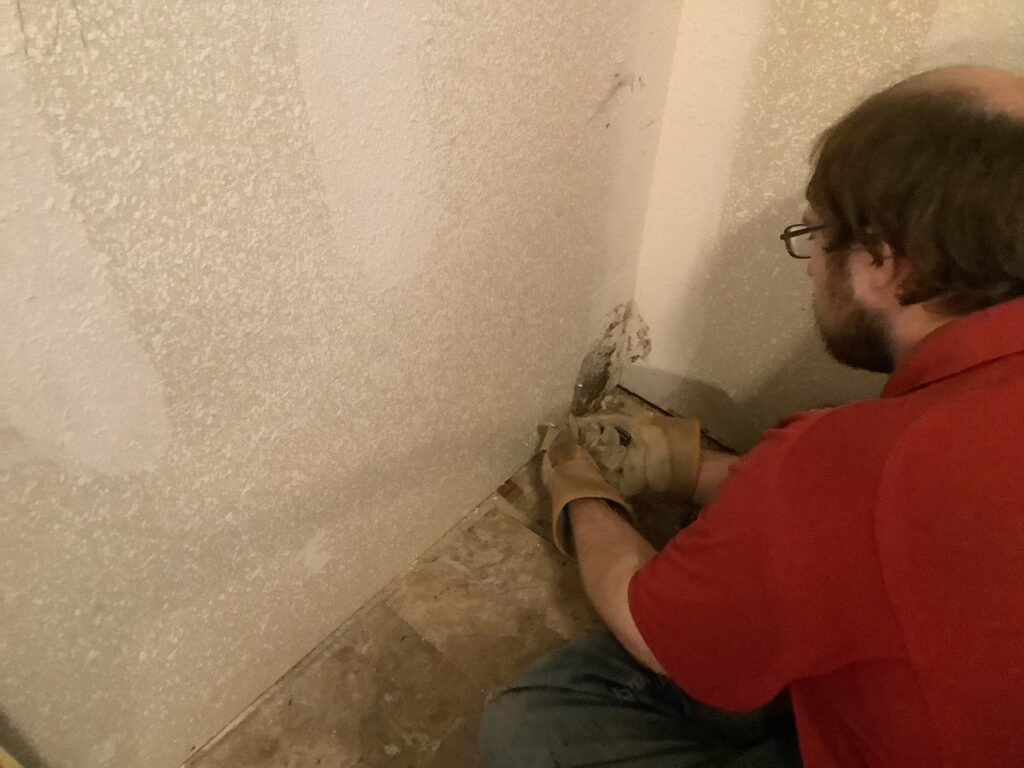
- Moisture mapping: Technicians use thermal imaging and moisture meters to locate hidden saturation behind walls and beneath flooring that isn’t visible on the surface.
- Structural drying: LGR dehumidifiers, air movers, and injectidry systems target wet materials directly, with hygrometer readings tracked daily to confirm the space is progressing toward a verified dry standard.
- Containment, if needed: If mold growth or Category 2/3 water is present, containment barriers and negative air pressure with HEPA filtration and air scrubbers isolate the work zone to prevent cross-contamination to the rest of the home.
Takeaway: every hour of delay pushes a loss toward a higher contamination category, and each category increase adds cost, time, and safety requirements.
Watch for a musty odor that appears days after a leak, discoloration spreading on drywall or ceilings, or a spongy feeling in flooring. These are signs of subfloor delamination or active mold colonization, both of which mean the situation has moved beyond safe DIY handling. At this point, stop cleanup efforts and call a certified restoration professional, since disturbing mold without containment can spread mycotoxins and spores through the HVAC system into unaffected rooms.
The Cost of Waiting
Mold spores are present in nearly every home and need only moisture, an organic surface, and roughly 24 to 48 hours in warm, humid conditions to establish a colony, a timeline the EPA’s mold guidance also reflects. Once mold takes hold, the remediation scope changes entirely, adding containment, antimicrobial biocide treatment, and often full removal of porous materials that can no longer be safely cleaned. A homeowner who calls for extraction the same day a leak is discovered is very likely dealing with a straightforward drying job. A homeowner who waits three or four days, especially during a Columbus summer, is far more likely facing a mold remediation project layered on top of the original water damage.
Takeaway: the cost difference between same-day extraction and a delayed call is rarely small, since mold remediation and material replacement are added expenses that fast action avoids entirely.
Insurance Coverage and Fast Response
Most Ohio homeowners policies cover sudden and accidental water damage, such as a burst supply line or failed appliance, including extraction and drying costs. Coverage is typically much more limited or excluded for damage tied to gradual leaks or a homeowner’s delay in addressing a known issue. Calling for professional extraction immediately establishes a documented timeline, including moisture readings and photos from the first visit, which supports a claim showing the damage was sudden and the response was prompt. Homeowners in combined sewer overflow areas should also check whether their policy includes a sewer backup endorsement, since standard policies often exclude this coverage by default.
Takeaway: fast action protects both your home and your ability to recover repair costs through insurance.
What Makes PuroClean Home Savers Different
PuroClean Home Savers maintains 24/7 emergency dispatch across Columbus and Franklin County, allowing a certified technician to begin extraction within hours rather than waiting for the next business day. The team holds IICRC certification in water damage restoration and offers direct insurance billing, managing carrier communication and paperwork so homeowners can focus on their household instead of a claims process during an already stressful event. A locally based Columbus crew also means faster arrival than a company dispatched from outside Franklin County, which matters most in the early hours that determine how far water spreads.

Frequently Asked Questions
Does my Columbus homeowners policy cover emergency water extraction? Most standard policies cover sudden water losses like a burst pipe or failed appliance, including extraction and drying. Coverage for sewer backup, common in older combined-sewer neighborhoods, often requires a separate endorsement, so check your policy specifically for that coverage.
How much does emergency water extraction cost in Columbus? Cost depends on the size of the affected area, the water category, and how quickly extraction began. A same-day response to Category 1 water in one room is typically far less expensive than a delayed response that has progressed to mold remediation or Category 3 contamination.
Which Columbus neighborhoods face the highest sewer backup risk? Older areas on combined sewer systems, including parts of German Village, Old North, Franklinton, the Near South Side, Linden, and Olde Towne East, face higher risk of sewer backup during heavy rainfall, which can introduce Category 3 contamination requiring specialized cleanup.
How long does structural drying take after a water loss? Most Category 1 losses reach a verified dry standard in three to five days using monitored dehumidification and air movement. Larger losses, Category 2 or 3 contamination, or homes with dense plaster walls common in older Columbus neighborhoods can take longer.
What health risks come from water damage that isn’t addressed quickly? Standing water for more than 24 to 48 hours creates conditions for mold growth, which can cause respiratory irritation, allergy symptoms, and worsened asthma, particularly for children and older adults. Category 2 or 3 water also carries bacterial contamination risk that makes direct contact unsafe.
When should I call a professional instead of drying water damage myself? Call a professional whenever water covers more than a small area, has been standing more than a few hours, may involve sewer or floodwater contamination, or has already produced a musty smell or visible mold. These signs mean the damage has moved beyond what household tools can safely resolve.
Act Fast, Save Thousands
Water damage in Columbus rarely stays contained on its own, and every hour changes the cost and complexity of restoration. PuroClean Home Savers offers 24/7 emergency dispatch, IICRC-certified technicians, and direct insurance billing across Columbus and Franklin County. Call (614) 689-0012 now if your home has active water damage.