Reviewed for technical accuracy by PuroClean Home Savers’ IICRC-certified restoration team.
A leaking water heater can ruin a floor, a finished basement, or a plaster wall before you finish your first cup of coffee. The IICRC S500 Standard for Professional Water Damage Restoration is the industry’s primary reference for how water losses are categorized, classified, and dried, and it guides the advice below. Whether your tank sits in a German Village basement, a Clintonville utility room, or a Dublin garage, the first hour matters most. This guide covers the seven steps to take now, why Columbus housing and drainage raise the stakes, and the warning signs that mean it is time to call a professional.
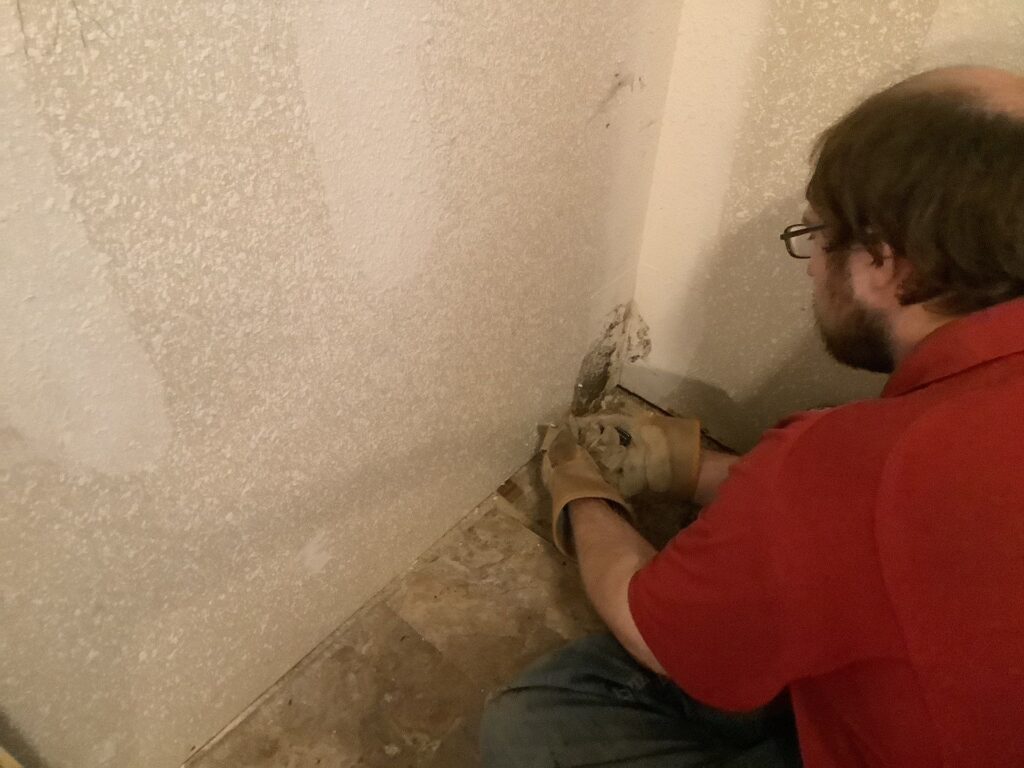
Key Takeaways for Homeowners
- Shut off electricity or gas to the water heater first, then close the cold water inlet valve to stop new water entering the tank.
- Stay out of standing water near outlets, cords, or the electrical panel until you are sure the power is off.
- EPA mold guidance says wet materials should be dried within 24 to 48 hours, so waiting a weekend can turn a leak into a mold problem.
- Heater water begins clean (Category 1) but can slip to Category 2 if it sits, and Category 3 if it mixes with sewage.
- In Columbus, summer thunderstorms and spring river overflow can stress sump pumps and sewers at the same moment a heater fails.
- Take photos and video before you move anything, because clear documentation speeds an insurance claim.
Water damage does not wait. Moisture spreads into drywall, baseboards, and subfloors within hours, and mold can begin within a day or two. If water is still moving, call PuroClean Home Savers at (614) 689-0012 for emergency guidance while you follow the steps below.
What should you do first when your water heater is leaking in Columbus?
Turn off the power or gas to the heater, close the cold water inlet valve, and keep out of standing water until electrical hazards are ruled out. Those three actions stop the flow and reduce shock and fire risk. The remaining steps focus on safety, containment, documentation, and drying.
The 7 steps
- Shut off power or gas. Flip an electric heater’s breaker at the panel, but only if you can reach it without stepping in water. Turn a gas heater’s control valve to off. If you smell gas, leave the house and call your gas utility from outside.
- Close the cold water inlet. Turn the valve on the pipe at the top of the heater clockwise. If it is stuck, close the home’s main shutoff.
- Guard against scalding. Tank water can be very hot. Keep children and pets away and wear rubber boots. Do not touch the tank or its connections.
- Drain the tank if it keeps leaking. After it cools, open a hot faucet upstairs, connect a garden hose to the drain valve, and run it to a floor drain or outdoors.
- Remove water and lift contents. Use mops, towels, or a wet/dry vacuum on a safe outlet away from water. Move furniture, boxes, and rugs onto dry ground, and place aluminum foil or blocks under furniture legs.
- Document the damage. Photograph the heater, water lines on walls, and soaked items. Record the model and serial number printed on the tank label.
- Call a restoration professional and your insurer. Visible puddles are only part of the loss. Drying equipment should be working within 24 to 48 hours.
Actionable takeaway: Learn where your heater’s shutoff valve, breaker, and main water valve are today. Seconds matter during a leak.
Stop and call a professional if water has reached a wall, you see it around outlets or the furnace, plaster looks stained or bubbling, or a floor drain is gurgling. Each sign means moisture has gone where towels cannot follow. PuroClean Home Savers can send IICRC-certified technicians at (614) 689-0012.
Why are Columbus homes vulnerable to water heater damage?
Columbus homes face a mix of aging plumbing, river-influenced groundwater, and storm-driven drainage stress. Pre-1960 construction in German Village, Victorian Village, and Italian Village includes older supply lines and fittings that are more prone to failure, and a heater leak in those homes can find old plaster, wood framing, and original brick. A leak behind plaster is hard to see, and mold can colonize behind walls and in crawl spaces of craftsman-era homes in Clintonville and the Short North.
Water also arrives from outside. The Scioto and Olentangy rivers meet near downtown, with Big Walnut Creek and Alum Creek to the east and southeast. FEMA Flood Insurance Rate Maps identify Special Flood Hazard Areas in Franklinton, the Bottoms, and along Alum Creek on the near east side. The Griggs and O’Shaughnessy dams provide flood control, but intense urban rainfall can still overwhelm drainage. In spring storm season, sump pump failures in finished basements in Clintonville, Bexley, and the Near East Side are common, and a heater failure during that window puts extra water on a stressed system.
Pre-1970 neighborhoods such as German Village, Old North, and parts of Franklinton rely on combined sewers that can overflow in heavy rain. A basement flood there may involve sewage, which calls for Category 3 (black water) protocol, and Ohio EPA’s combined sewer overflow policy recognizes the public health risk of that contamination. Newer construction in places like Dublin generally has better engineered drainage, though development near the Scioto has put some newer homes in flood-prone areas too.
Actionable takeaway: Before spring and summer storm season, test your sump pump and clear floor drains, so one failure does not become two.
What causes a water heater to leak?
Most leaks come from corrosion, sediment, pressure problems, or worn connections. A sacrificial anode rod protects the steel tank from rust until it dissolves. Then the tank walls corrode, and pinhole leaks or seam cracks follow. Sediment causes hot spots that stress the tank bottom, and a faulty temperature and pressure relief valve can fail to vent dangerous pressure. Supply lines and fittings loosen or corrode over time. A damp base, rust streaks, or a slow drip is an early warning to act.
Actionable takeaway: Flush the tank and test the relief valve yearly, and place a drain pan under the heater.
What does professional water heater damage restoration include?
Professional restoration follows the IICRC S500 sequence: assess, categorize, extract, dry, and verify. Technicians determine the water category and damage class first. Heater water starts as Category 1 but can become Category 2 after sitting or crossing dirty floors, and sewage makes it Category 3. A wet basement with saturated drywall and subfloor is often Class 2 or Class 3. Wet plaster, hardwood, or masonry can push a loss to Class 4 water damage, which needs specialty drying.
- Extraction. Truck-mounted or portable extractors remove bulk water.
- Moisture mapping. Moisture meters and thermal imaging cameras find hidden water in walls, ceilings, and floors, setting a documented baseline.
- Structural drying. Air movers and LGR dehumidifiers lower humidity and draw moisture from materials. Technicians track psychrometrics, meaning temperature, relative humidity, and grains per pound, and log hygrometer readings daily.
- Removal and containment. Materials that cannot be dried, such as wet carpet pad or insulation, are removed. Subfloor delamination signals separating layers that may need replacement. A containment barrier of poly sheeting prevents cross-contamination of dry areas.
- Treatment and air quality. Antimicrobial biocide is applied to surfaces, and air scrubbers with HEPA filtration clean the air. If mold is present, negative air pressure keeps spores contained during work under IICRC S520. Mold can produce mycotoxins, so containment protects your family.
- Dry verification. Equipment leaves only when moisture readings reach the dry standard for that structure.
Unlike a generic cleanup service, PuroClean Home Savers offers 24/7 emergency dispatch, IICRC-certified technicians, and direct insurance billing, with local response across Columbus and Franklin County.
Actionable takeaway: Ask for daily moisture logs. A dry-feeling surface does not prove a dry structure.
When can you handle a leaking water heater yourself?
A small, clean leak from a loose fitting, caught within hours and confined to a sealed floor, can be a DIY job. Call a professional when water has touched drywall, plaster, carpet, or insulation, spread across rooms, sat longer than 24 hours, or arrived with any drain backup. Plaster and old framing hold moisture for a long time.
Actionable takeaway: If you are not sure how far the water went, schedule a moisture inspection before closing up walls.
Frequently Asked Questions
Does homeowners insurance cover a leaking water heater in Columbus, Ohio?
Most Ohio homeowners policies cover sudden and accidental water damage, such as a ruptured tank, but usually exclude the heater itself and damage from long-term leaks or poor maintenance. Sewer backup typically needs an added endorsement. Report the loss quickly, document everything, and contact the Ohio Department of Insurance with questions about your rights.
How much does water heater damage cleanup cost in Columbus?
Cost depends on the amount of water, the water category and class, the materials affected, and how many days of drying are needed. A small leak caught early costs far less than a multi-room basement loss. A professional inspection provides a written scope, and many insurers pay restoration companies directly.
How long does it take to dry out after a water heater leak?
Structural drying often takes about three to five days, depending on materials, humidity, and equipment placement. Technicians check moisture readings daily and remove equipment only when materials reach the dry standard. Plaster, hardwood, and masonry can take longer, and mold remediation adds additional time.
Can I clean up a water heater leak myself?
Yes, if it is a small amount of clean water on a sealed floor and you shut off power and water first. Call a professional if walls, plaster, carpet, or insulation are wet, if water has sat for more than 24 hours, or if a floor drain is backing up, since consumer fans cannot dry wall cavities.
Can a water heater leak cause mold in my Columbus home?
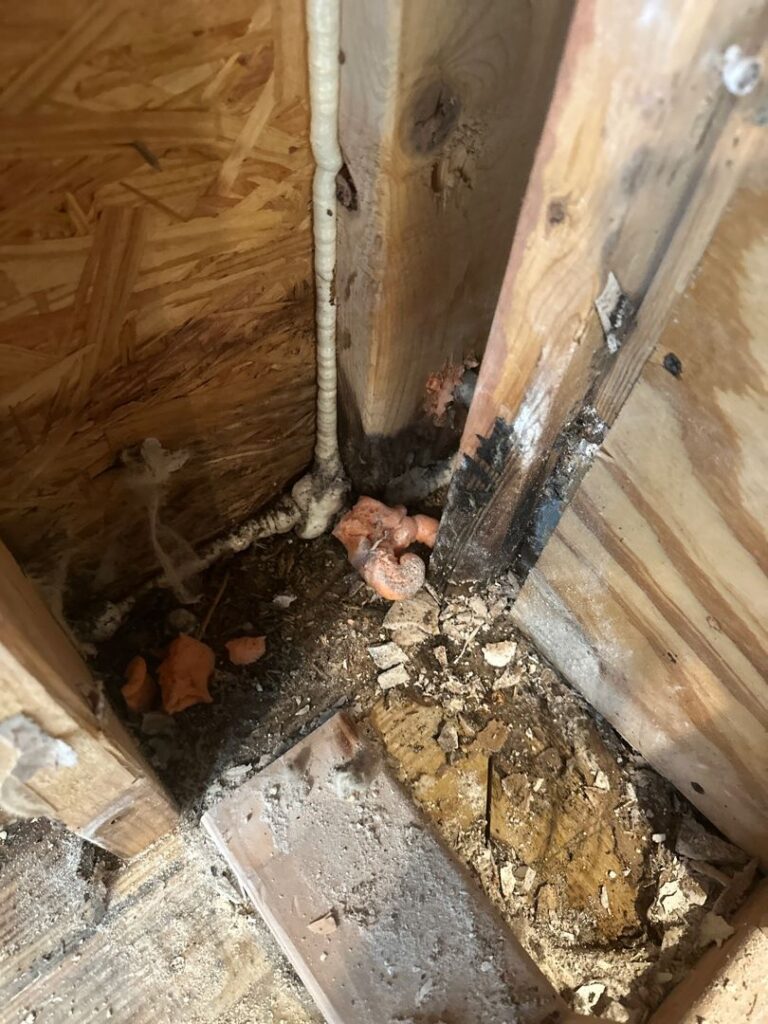
Yes. EPA guidance notes that mold can begin growing on damp materials within 24 to 48 hours. Basements, crawl spaces, and the space behind plaster walls stay damp longest. People with asthma or allergies are most sensitive. Fast extraction, drying, and moisture verification are the best way to prevent growth.
Is a basement leak in an older Columbus neighborhood a sewage risk?
It can be. Neighborhoods such as German Village, Old North, and parts of Franklinton use combined sewers that may overflow during heavy rain. If a floor drain bubbles or the water smells like sewage, treat it as Category 3, avoid contact, and call a professional trained in contamination protocols.
Water Heater Leaking in Columbus? Call Now
PuroClean Home Savers (614) 689-0012 Serving Columbus, Ohio and Franklin County. Our IICRC-certified technicians are available 24/7 and can bill your insurance directly, so you can focus on your family while we start drying.