


Key Takeaways for Homeowners
- Smoke damage contains invisible toxic compounds that cause long-term respiratory and neurological harm
- Columbus’s variable climate and diverse architectural styles create unique smoke damage vulnerabilities
- IICRC S500/S520 standards define the scientific approach to professional fire and smoke restoration
- Hidden smoke damage in wall cavities and HVAC systems continues causing property degradation for months
- Professional smoke odor removal requires thermal fogging, hydroxyl radical generators, and ozone technology
- Insurance coverage for smoke damage requires immediate professional documentation and mitigation
- PuroClean Home Savers provides certified 24/7 emergency restoration in Columbus at (614) 689-0012
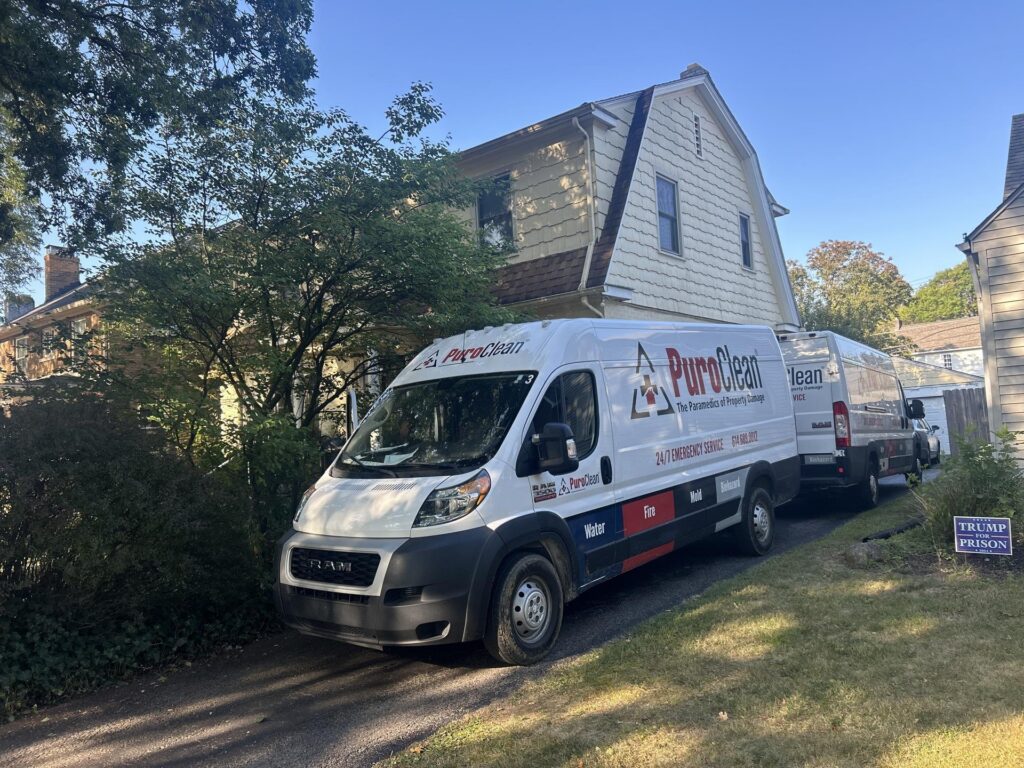
Columbus homeowners who experience fire incidents often focus on visible flame damage while underestimating the hidden dangers of smoke contamination. In Franklin County, where Victorian Village historic properties stand alongside modern Dublin subdivisions and German Village brick homes, smoke damage presents distinct challenges that demand specialized knowledge. This guide exposes three critical hidden dangers of smoke damage and provides a definitive roadmap for finding the best smoke odor removal company near you in Columbus, Ohio.
The Core Service Entity: IICRC S500 and S520 Standards
Professional smoke damage restoration is anchored in internationally recognized standards that separate certified technicians from general cleaners.
IICRC S500 (Standard for Professional Water Damage Restoration) governs the water damage component of fire suppression. Key requirements include:
- Psychrometric calculations to establish drying goals
- Moisture mapping using non-invasive and penetrating detection tools
- Commercial dehumidification and air movement strategies
- Continuous monitoring until materials reach established drying standards
IICRC S520 (Standard for Professional Mold Remediation) addresses the microbial contamination risk that follows water damage. This standard mandates:
- Engineering controls including containment barriers and negative air pressure
- HEPA filtration systems capturing particles at 99.97 percent efficiency at 0.3 microns
- Antimicrobial biocide application following manufacturer specifications
- Post-remediation verification through air sampling and visual inspection
PuroClean Home Savers operates under both standards, ensuring that Columbus homeowners receive restoration that addresses the complete damage profile, not just surface symptoms.
Hidden Danger 1: Invisible Toxic Residues Cause Cumulative Health Damage
The most insidious aspect of smoke damage is its invisibility. While visible soot indicates contamination, the greatest health threats come from compounds invisible to the naked eye:
Volatile Organic Compounds (VOCs) Smoke releases hundreds of VOCs including benzene, toluene, and styrene. These compounds off-gas from affected materials for weeks or months, causing:
- Chronic headaches and dizziness
- Respiratory irritation and asthma exacerbation
- Liver and kidney damage with prolonged exposure
- Central nervous system depression
Polycyclic Aromatic Hydrocarbons (PAHs) These carcinogenic compounds form during incomplete combustion of organic materials. PAHs bind to dust particles, creating ongoing inhalation hazards long after the fire is extinguished.
Hydrogen Cyanide and Phosgene Precursors Synthetic materials (plastics, vinyl, polyurethane foam) release these lethal compounds when burned. Residues remain on surfaces and continue off-gassing, particularly in enclosed spaces like Columbus’s common basement foundations.
Carbon Monoxide Byproducts Even after CO dissipates from the air, chemically related compounds remain embedded in materials, contributing to ongoing indoor air quality degradation.
For Columbus families, particularly those in older homes with original plaster walls and minimal ventilation, these invisible toxins accumulate to dangerous levels without professional detection and remediation.
Hidden Danger 2: Structural Damage Continues Long After the Fire
Smoke damage initiates slow-motion structural destruction that homeowners may not recognize for months:
Corrosion of Metal Components Acidic smoke residues accelerate oxidation of structural fasteners, electrical components, and plumbing fixtures. In Columbus’s climate, where freeze-thaw cycles and humidity fluctuations stress building materials, this corrosion progresses rapidly:
- Truss plates in roof systems weaken, creating sagging risks
- Electrical panel components corrode, creating fire hazards
- Plumbing connections pit and leak, causing secondary water damage
- HVAC heat exchangers degrade, reducing efficiency and creating carbon monoxide risks
Degradation of Building Materials Smoke residues alter the chemical composition of common building materials:
- Drywall paper facing becomes brittle and delaminates
- Insulation loses R-value as particles fill air pockets
- Wood framing develops acidic degradation at surfaces
- Concrete and masonry experience surface spalling from chemical reactions
Columbus’s diverse housing architecture compounds these risks. German Village brick homes feature masonry that absorbs smoke residues deeply. Victorian Village wood-frame structures provide extensive surface area for soot adhesion. Modern suburban homes with open floor plans allow smoke to travel farther and affect more materials.
Hidden Cavity Contamination Smoke travels through wall cavities, ceiling plenums, and floor joist spaces, contaminating areas inaccessible without demolition. These hidden reservoirs:
- Provide ongoing odor sources that resist surface treatment
- Harbor moisture that supports mold growth
- Distribute particles back into living spaces through thermal convection
- Require specialized detection equipment including borescopes and thermal imaging to locate
Hidden Danger 3: HVAC Systems Create Permanent Recirculation Loops
Your heating and cooling system, essential for Columbus’s seasonal extremes, becomes a permanent contamination source after smoke exposure:
Ductwork Distribution Smoke particles enter return air ducts and coat the entire distribution system:
- Flexible duct interiors trap particles in corrugated surfaces
- Sheet metal ducts develop soot layers that flake off during system cycling
- Fiberglass duct board absorbs odors and releases them during temperature changes
- Vents and registers distribute particles to every connected room
Mechanical Component Damage HVAC equipment suffers direct damage from smoke exposure:
- Evaporator coils develop insulating soot layers, reducing efficiency by 30 percent or more
- Blower motors and bearings accumulate abrasive particles, causing premature failure
- Electronic controls and sensors corrode, leading to system malfunctions
- Condensate drains clog with soot, causing water damage and microbial growth
Columbus’s climate demands nearly year-round HVAC operation. Winter heating seasons distribute particles through forced-air systems. Summer cooling creates condensation that reactivates dormant residues. Spring and fall transitional periods with open windows allow outdoor pressure changes to drive hidden contaminants back into living spaces.
Columbus-Specific Geospatial Factors
Understanding local conditions is essential for effective restoration:
Climate Considerations Columbus experiences humid continental climate with significant seasonal variation:
- Summer humidity averages 70 percent, reactivating smoke residues and supporting mold growth
- Winter temperature inversions trap indoor air pollutants, concentrating smoke-related contaminants
- Spring pollen seasons compound respiratory irritation from smoke particles
- Variable precipitation creates humidity fluctuations that stress building materials
Architectural Diversity Franklin County features distinct architectural zones:
- German Village: Historic brick structures with balloon framing and minimal insulation; smoke travels extensively through wall cavities
- Victorian Village: Ornate woodwork and plaster walls require specialized restoration to preserve historic character
- Dublin and Westerville suburbs: Modern construction with complex HVAC systems and synthetic materials that produce toxic smoke when burned
- Downtown condos: High-rise construction with shared ventilation systems allowing smoke migration between units
Local Building Codes and Regulations Columbus building codes require specific fire-resistant materials in new construction, but many neighborhoods feature pre-code structures with original materials. Restoration must balance code compliance with historic preservation requirements, particularly in designated historic districts.
How to Find the Best Smoke Odor Removal Company Near Me in Columbus
Selecting a restoration partner requires evaluating specific qualifications that separate certified professionals from general service providers:
Mandatory IICRC Certification The best smoke odor removal companies employ technicians certified in:
- Fire and Smoke Restoration Technician (FSRT)
- Odor Control Technician (OCT)
- Water Damage Restoration Technician (WRT)
Verify certification numbers through the IICRC database. Certification ensures understanding of combustion science, smoke behavior patterns, and deodorization chemistry.
Comprehensive Technology Capabilities Effective restoration requires specific equipment categories:
- Thermal foggers: Penetrate materials at smoke temperatures to neutralize embedded odors
- Hydroxyl generators: Produce hydroxyl radicals that safely break down odor compounds in occupied spaces
- Ozone generators: Intensive oxidation treatment for unoccupied areas and contents
- HEPA air scrubbers: Remove airborne particles during restoration processes
- Moisture detection equipment: Thermal imaging, penetrating meters, and hygrometers for complete moisture mapping
Local Expertise and Response Capacity National franchises without local inventory cannot respond within the critical 24-hour window. Confirm:
- Physical presence in Franklin County or immediate Columbus suburbs
- Equipment and staff dedicated to Columbus service area
- Familiarity with local building codes, historic district requirements, and common architectural styles
- Established relationships with Columbus-area insurance adjusters and carriers
Insurance Coordination Excellence The best companies serve as claims advocates:
- Direct billing capabilities with major carriers
- Xactimate estimating proficiency
- Documentation packages meeting insurance industry standards
- Experience with Ohio-specific insurance regulations and requirements
Emergency Response Guarantee Smoke damage does not follow business hours. Verify:
- 24/7/365 emergency availability
- Guaranteed response times for Columbus addresses
- After-hours contact protocols with live dispatch
- Weekend and holiday service capability
Step-by-Step: What Columbus Homeowners Must Do After Smoke Damage
- Obtain safety clearance: Do not enter until fire officials declare the structure safe; smoke damage can compromise structural elements
- Document before touching anything: Photograph all damage from multiple angles; create a written inventory of affected personal property
- Change HVAC filters immediately: Install fresh filters to reduce recirculation, but do not operate the system until professionally inspected
- Seal unaffected areas: Close doors and cover vents in undamaged rooms to prevent cross-contamination
- Discard exposed consumables: Food, medications, cosmetics, and toiletries exposed to smoke must be discarded
- Avoid DIY cleaning: Incorrect cleaning methods drive residues deeper and create permanent damage; wait for professional assessment
- Call PuroClean Home Savers: Dial (614) 689-0012 for immediate 24/7 emergency response throughout Columbus and Franklin County
Frequently Asked Questions
Does home insurance cover smoke damage from a fireplace malfunction in Columbus, Ohio? Standard Ohio homeowners policies typically cover accidental fireplace malfunctions and resulting smoke damage. However, carriers may deny claims if the fireplace lacked proper maintenance or if the damage resulted from code violations (such as unlined chimneys in historic homes). Obtain the fire department or chimney inspector report, document maintenance records, and begin professional mitigation immediately to support your claim.
How does Columbus’s clay soil affect smoke damage in basements? Columbus’s clay-rich soil creates hydrostatic pressure on basement foundations, potentially forcing smoke-laden moisture through foundation cracks. This means basement smoke damage in Columbus homes often involves unique moisture pathways requiring specialized detection and remediation approaches not needed in sandy-soil regions.
Can I stay in my Columbus home during smoke odor removal? Occupancy depends on treatment methods. Hydroxyl radical technology allows safe occupancy during treatment. Ozone treatment requires evacuation for 24 to 48 hours. PuroClean Home Savers assesses each situation individually, recommending the safest approach based on contamination levels, home layout, and occupant health considerations.
What makes historic Columbus homes more vulnerable to smoke damage? Historic properties in German Village, Victorian Village, and similar districts feature balloon framing (allowing vertical smoke travel between floors), original plaster walls (highly porous and difficult to clean), and minimal modern firestopping. These characteristics require restoration techniques that preserve historic integrity while achieving complete decontamination.
How long does complete smoke damage restoration take in Columbus? Duration varies by damage extent and home characteristics. Light, contained kitchen fires may resolve in 3 to 5 days. Extensive damage affecting multiple rooms, HVAC systems, and hidden cavities requires 2 to 3 weeks. PuroClean Home Savers provides detailed timeline projections after comprehensive initial assessment.
Conclusion: Do Not Let Hidden Dangers Destroy Your Columbus Home
The three hidden dangers of smoke damage, toxic invisible residues, ongoing structural degradation, and HVAC recirculation loops, represent threats that intensify with every hour of delay. For Columbus homeowners, these dangers are compounded by local climate conditions, diverse architectural styles, and the specific challenges of historic and modern construction.
IICRC S500/S520 certified restoration is not optional; it is the only scientifically validated approach to addressing smoke damage completely. PuroClean Home Savers brings certified expertise, advanced technology, and deep knowledge of Columbus properties to every restoration project.
Protect your family, your property, and your investment. Call PuroClean Home Savers now at (614) 689-0012 for immediate 24/7 emergency smoke damage assessment and restoration in Columbus and throughout Franklin County.