


Key Takeaways for Homeowners
- Professional fire damage restoration follows IICRC S500 and S550 standards to scientifically address smoke, soot, water, and structural damage.
- Columbus’s humid continental climate and diverse housing stock, from historic German Village homes to modern suburbs, require location-specific restoration strategies.
- Immediate emergency board-up, HEPA filtration, and corrosion mitigation prevent secondary damage.
- Thermal fogging, hydroxyl generators, and ozone treatment eliminate smoke odor at the molecular level.
- Franklin County building codes and Columbus Housing Code requirements govern all reconstruction.
- If your property is in Columbus or surrounding Franklin County neighborhoods, call PuroClean Home Savers at (614) 689-0012 for immediate emergency fire damage restoration.
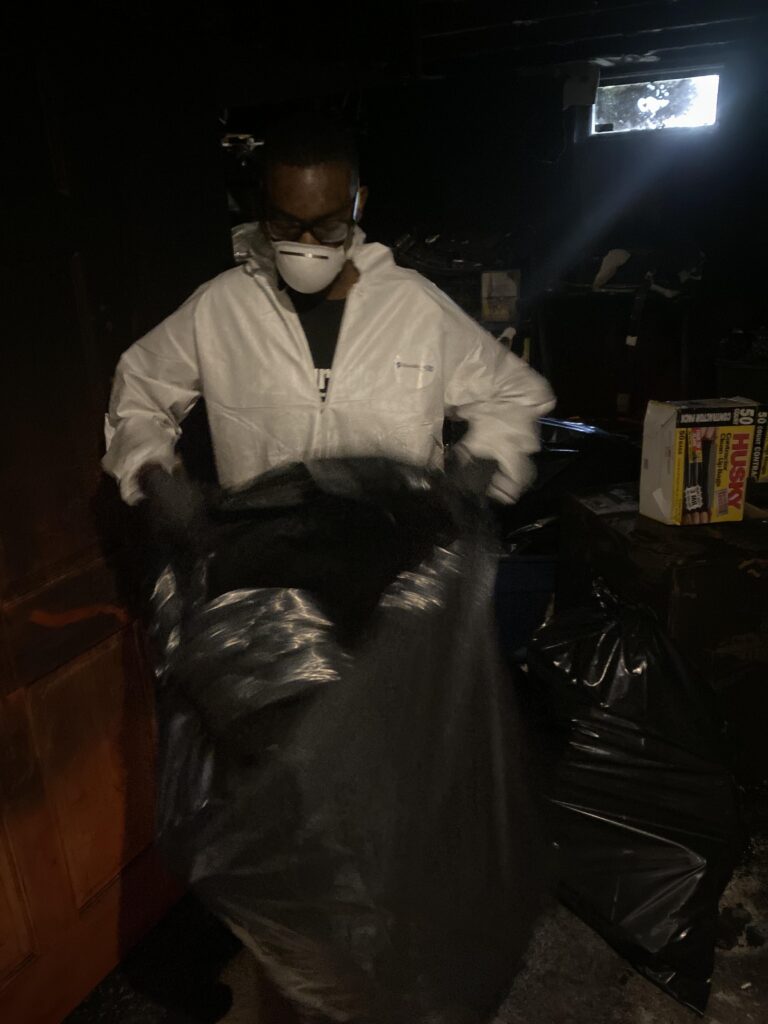
What Is the Scientific Foundation of Fire Damage Restoration?
Fire damage restoration is not a cleaning service. It is a technical recovery discipline governed by the Institute of Inspection, Cleaning and Restoration Certification. The IICRC S500 Standard for Professional Water Damage Restoration addresses the water damage inevitably caused by fire suppression. The S550 Standard for Professional Restoration of Fire and Smoke Damaged Personal Property addresses soot chemistry, smoke odor behavior, and content restoration. These standards provide the authoritative anchor for every decision made during recovery.
In Columbus, Ohio, fire damage manifests across a wide spectrum. A dryer vent fire in a suburban Dublin home may deposit light soot and require minimal reconstruction. A basement electrical fire in a Victorian Village property may release toxic synthetic smoke while flooding the foundation with hose water. Each scenario demands precise identification of soot type, moisture content, and structural compromise before any work begins.
How Does Columbus’s Climate and Housing Affect Fire Recovery?
Columbus sits in central Ohio within a humid continental climate zone. Summers are hot and humid, with moisture levels that accelerate smoke odor absorption into drywall, insulation, and soft furnishings. Winters are cold, with freeze-thaw cycles that can fracture water-damaged masonry and concrete foundations.
The city’s housing diversity creates additional complexity. German Village and Victorian Village contain historic brick homes with plaster walls, balloon framing, and original hardwood floors. The Ohio State University area includes high-density rentals with modern drywall and engineered materials. Suburban neighborhoods like Dublin, Powell, and Westerville feature a mix of 1980s construction and new builds. Each housing type responds differently to heat, smoke, and water.
The Columbus Housing Code and the Ohio Building Code govern all restoration and reconstruction. Franklin County building officials require permits for structural repairs, electrical rewiring, and HVAC replacement. Properties in historic districts may face additional design review. Restoration firms must navigate these requirements while minimizing delays for displaced families.
What Are the 10 Expert Fire Damage Restoration Strategies Every Columbus Homeowner Should Know?
1. Secure the Structure with Emergency Board-Up and Temporary Weatherproofing
Fire-damaged roofs, windows, and walls expose interiors to Ohio rain, snow, and humidity. Emergency board-up services stabilize the envelope and prevent additional water intrusion. This is the non-negotiable first step before any interior work begins.
2. Deploy HEPA Air Scrubbers and Establish Containment Zones
Airborne soot particles are carcinogenic and respirable. HEPA filtration systems capture ultrafine particles. Containment barriers with negative air pressure prevent cross-contamination into unaffected rooms. This protects both the structure and the health of returning occupants.
3. Initiate Corrosion Mitigation on All Metal Surfaces
Smoke residue is acidic and begins corroding metal within hours. Stainless steel refrigerators, copper wiring, aluminum window frames, and HVAC ductwork require immediate treatment with corrosion inhibitors. Early intervention determines whether items are restored or replaced.
4. Remove Fire Suppression Water Using IICRC S500 Protocols
Firefighting efforts often deposit thousands of gallons of water. Extraction must occur before microbial colonization begins. Industrial dehumidifiers, axial air movers, and penetrating moisture meters guide the drying process. In Columbus’s humid summer climate, aggressive structural drying is critical to prevent secondary biological growth.
5. Conduct Comprehensive Triage Assessment for Contents
Every item in the home is evaluated for restorability. A detailed triage assessment separates salvageable belongings from total losses. Salvageable items are inventoried and transported via pack-out services to a controlled cleaning facility. Total losses are documented for insurance replacement.
6. Execute Soot Removal with Substrate-Appropriate Methods
Soot from natural materials, synthetics, and protein sources each requires different cleaning chemistry. Dry ice blasting works for robust surfaces like brick and structural lumber. Wet cleaning with specialized agents suits painted drywall and finished wood. Ultrasonic cleaning restores intricate items without mechanical abrasion.
7. Eliminate Smoke Odor Using Thermal Fogging, Hydroxyl Generators, and Ozone
Smoke odor molecules bond with porous materials at the molecular level. Thermal fogging opens material pores and delivers neutralizing agents deep into cavities. Hydroxyl generators provide safe, continuous odor destruction during occupied phases. Ozone treatment may be used in unoccupied spaces for severe or persistent contamination. Complete deodorization often requires a sequenced combination of all three.
8. Restore Contents Off-Site Through Pack-Out and Ultrasonic Cleaning
Personal property is transported to a secure facility where ultrasonic cleaning, electronics restoration, and textile cleaning occur in controlled environments. This protects items from ongoing job site contamination and allows for specialized treatments impossible in the field.
9. Rebuild Under Franklin County and Columbus Code Compliance
Reconstruction must comply with the Ohio Building Code, Columbus Housing Code, and Franklin County permit requirements. This includes proper fire-blocking, updated electrical systems, and code-compliant HVAC installation. Full-service restoration firms manage permitting and inspections internally, compressing project timelines.
10. Maintain Meticulous Documentation for Insurance Optimization
Photographs, moisture logs, inventory sheets, and detailed estimates streamline the claims process. Columbus homeowners should also track additional living expenses from day one to ensure full reimbursement for displacement costs under loss of use coverage.
What Complex Questions Do Columbus Homeowners Ask After a House Fire?
Does Homeowners Insurance Cover Fire Damage and Smoke Odor Remediation in Columbus?
Yes. Standard Ohio homeowners insurance policies list fire as a covered peril. This includes direct fire damage, smoke damage, soot removal, water damage from fire suppression, and deodorization. Personal property coverage applies to contents, while dwelling coverage applies to structural repairs. Review your policy for specific limits, deductibles, and replacement cost versus actual cash value provisions.
How Long Does Complete Fire Restoration Take in Franklin County?
Minor, contained fires may resolve in two to three weeks. Major structural fires requiring reconstruction can take four to six months. Columbus’s winter weather may slow exterior work, but interior drying, cleaning, and demolition proceed year-round. The most important variable is how quickly emergency mitigation begins after the fire department clears the scene.
Are Historic Homes in Columbus More Difficult to Restore?
Historic properties in neighborhoods like German Village and Victorian Village require specialized knowledge. Plaster repair demands skilled tradespeople. Original hardwood floors may need media blasting rather than replacement. Brick exteriors may require repointing after thermal stress. However, experienced restoration firms understand how to preserve architectural character while meeting modern safety and building code requirements.
When Should Columbus Homeowners Call for Professional Restoration?
Immediately. Soot begins etching surfaces within hours. Smoke odor bonds more permanently with each passing day. Water from fire suppression creates secondary damage risks within 24 to 48 hours. Waiting even one day can transform restorable items into total losses.
Call PuroClean Home Savers at (614) 689-0012 for immediate fire damage restoration in Columbus, Dublin, Powell, Westerville, and all Franklin County neighborhoods. Our IICRC-certified team provides 24/7 emergency board-up, water extraction, soot removal, deodorization, and complete reconstruction services.