


Key Takeaways for Homeowners
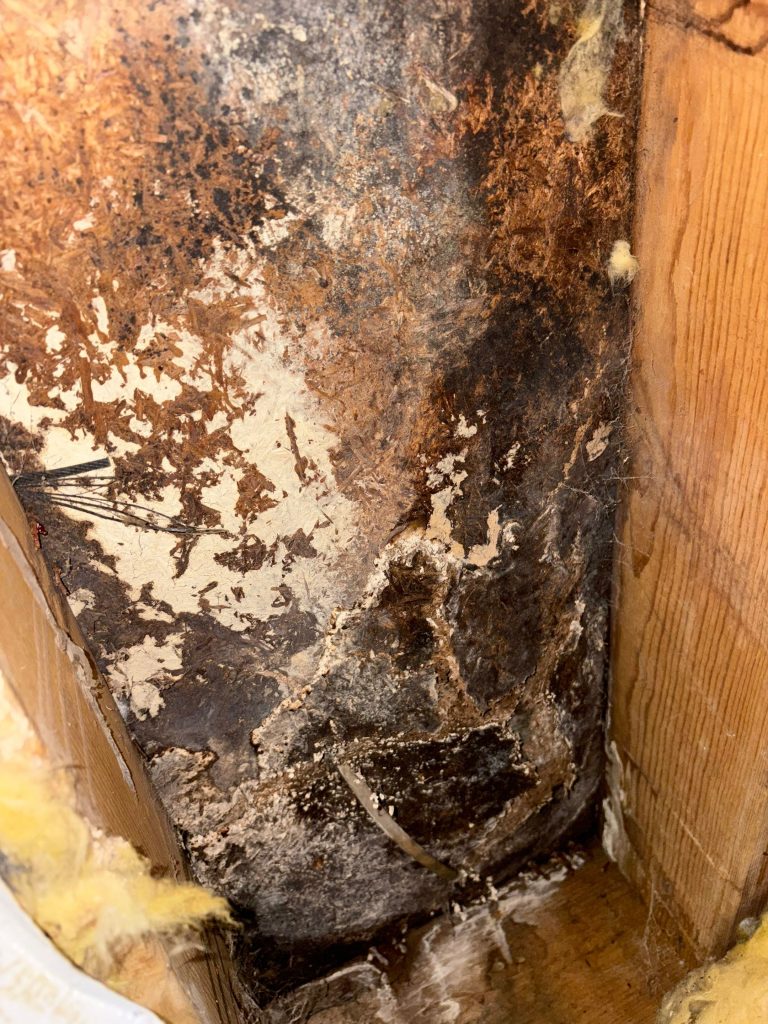
- Columbus, Ohio’s spring climate creates ideal conditions for Stachybotrys chartarum growth, with rapid temperature swings, heavy precipitation, and high humidity in basements and crawl spaces across Franklin County.
- Black mold produces mycotoxins that cause neurological damage, immunological dysfunction, respiratory disease, endocrine disruption, and severe dermatological reactions in exposed residents.
- IICRC S520 mold remediation and IICRC S500 water damage restoration standards mandate professional containment, HEPA filtration, negative air pressure, psychrometric drying, and antimicrobial biocide application.
- DIY removal spreads spores, worsens contamination, and exposes families to concentrated mycotoxin release without proper engineering controls.
- Columbus homeowners and residents in surrounding neighborhoods should call PuroClean Home Savers at (614) 689-0012 for immediate mold assessment and emergency remediation.
Why Columbus Spring Weather Creates a Mold Crisis in Ohio Homes
Columbus, Ohio sits at the confluence of the Scioto and Olentangy Rivers, in a region where continental climate patterns generate volatile spring weather. March through May brings an average of 10 to 13 inches of precipitation, rapid snowmelt from winter accumulation, and temperature fluctuations that swing 30 to 40 degrees within single days. For the nearly 900,000 residents of Franklin County, these conditions create a perfect storm for indoor mold growth.
The city’s housing landscape compounds this risk. Columbus neighborhoods like German Village, Victorian Village, Clintonville, and Bexley feature historic homes with stone foundations, minimal dampproofing, and aging infrastructure. Post-war subdivisions in Upper Arlington, Dublin, and Westerville include ranch and split-level designs with crawl spaces and below-grade living areas that trap moisture. Newer construction in the outer belt often emphasizes energy efficiency with tight building envelopes that, without proper mechanical ventilation, accumulate humidity from cooking, bathing, and respiration.
When spring rains saturate the clay-heavy soils of central Ohio, hydrostatic pressure forces water through foundation cracks, tie-rod holes, and deteriorating mortar joints. Capillary rise wicks moisture up foundation walls. Condensation forms on cool basement surfaces when warm, humid spring air contacts them. Within 24 to 72 hours of moisture accumulation, Stachybotrys chartarum spores germinate and begin producing the mycotoxins that make this organism one of the most dangerous indoor contaminants.
Black mold is not a cosmetic problem. It is a toxigenic fungi that releases trichothecene mycotoxins, aflatoxins, and microbial volatile organic compounds into the indoor environment. These substances cause five categories of devastating health effects that Columbus homeowners cannot afford to ignore.
Hidden Health Effect 1: Chronic Inflammatory Response Syndrome and Neurocognitive Decline
Chronic Inflammatory Response Syndrome represents one of the most misunderstood and misdiagnosed conditions in modern medicine. Triggered by biotoxin exposure in genetically susceptible individuals, CIRS manifests as a multi-system illness affecting virtually every organ system. The diagnostic criteria include cognitive impairment, memory deficits, mood disturbances, fatigue, joint pain, and dysregulation of temperature, thirst, and appetite.
The mechanism involves mycotoxin binding to pattern recognition receptors on immune cells, triggering persistent cytokine release. Tumor necrosis factor-alpha, interleukin-1 beta, and interleukin-6 circulate at elevated levels, creating systemic inflammation that standard anti-inflammatory medications cannot suppress. In Columbus, where healthcare systems like Ohio State University Wexner Medical Center, Mount Carmel, and OhioHealth serve hundreds of thousands of patients, CIRS often masquerades as fibromyalgia, chronic fatigue syndrome, depression, or early dementia.
The neurocognitive component is particularly devastating. Patients experience word-finding difficulties, short-term memory loss, difficulty with complex tasks, and emotional lability. For Columbus professionals working in the city’s growing tech sector, finance industry, or government positions at the state capitol, these deficits can end careers. For students at Ohio State University, Columbus State, or Capital University, mold exposure in rental properties can derail academic progress and future prospects.
IICRC S520 certified remediation addresses CIRS at its environmental source. The standard requires containment with 6-mil polyethylene barriers, negative air pressure maintained by HEPA-filtered air scrubbers, and removal of all contaminated porous materials. Without this level of intervention, mycotoxin levels remain high enough to perpetuate inflammatory responses indefinitely, regardless of medical treatment.
Hidden Health Effect 2: Immunosuppression and Opportunistic Infection Risk
Mycotoxins are potent immunosuppressive agents. Trichothecenes inhibit protein synthesis in rapidly dividing cells, including lymphocytes responsible for adaptive immunity. Aflatoxins deplete glutathione and interfere with phagocyte function. The combined effect leaves exposed individuals vulnerable to infections that healthy immune systems would readily clear.
In Columbus households where a family member is undergoing cancer treatment at the James Cancer Hospital, managing multiple sclerosis with immunomodulatory therapy, or living with an organ transplant, black mold exposure can be life-threatening. Even immunocompetent individuals experience increased frequency and severity of sinus infections, bronchitis, pneumonia, and skin infections following prolonged mold exposure.
The risk is magnified by Columbus’s spring climate. Temperature fluctuations stress immune systems already adapting to seasonal change. High pollen counts from the city’s extensive tree canopy sensitize airways and increase susceptibility to respiratory infections. When mold exposure is added to this burden, the result is a population with compromised defenses during the very season when pathogens circulate most actively.
Professional mold remediation employs HEPA filtration systems that capture 99.97% of particles 0.3 microns in diameter. During remediation, these systems operate continuously within containment zones and in adjacent living spaces. Negative air machines exchange air volume multiple times per hour, dramatically reducing airborne bioburden. This level of engineering control is impossible with consumer-grade equipment and essential for protecting immunocompromised residents.
Hidden Health Effect 3: Asthma Initiation, Exacerbation, and Fixed Airway Obstruction
The relationship between indoor mold exposure and asthma is among the most robustly established in environmental health science. The Institute of Medicine’s 2004 report, the World Health Organization’s 2009 guidelines, and hundreds of peer-reviewed studies confirm that damp indoor environments increase asthma incidence, prevalence, severity, and medication requirements.
Black mold contributes to asthma through multiple mechanisms. Spores and fragments act as allergens that trigger IgE-mediated responses. Beta-glucans stimulate innate immune inflammation independent of sensitization. Proteases damage airway epithelium and increase permeability. Mycotoxins amplify inflammatory signaling and cause direct cytotoxicity. The result is bronchoconstriction, mucus hypersecretion, airway remodeling, and in severe cases, progression from reversible bronchospasm to fixed obstructive disease.
For Columbus children, the stakes are especially high. The city has experienced increasing childhood asthma rates, with significant disparities in neighborhoods near industrial corridors and high-traffic roadways. When mold exposure is added to existing environmental burdens, the result is emergency department visits, school absences, and diminished lung function that persists into adulthood.
Columbus homes with finished basements are particularly problematic. Many families in neighborhoods like Worthington, Powell, and Lewis Center have converted below-grade spaces into bedrooms, playrooms, or home offices. These areas experience the highest humidity, the coolest surfaces, and the greatest temperature differentials that drive condensation. Without professional moisture mapping, mold grows unseen behind paneling, beneath carpet padding, and inside HVAC ductwork, continuously exposing occupants to asthma-triggering particles.
IICRC S500 water damage restoration standards provide the foundation for mold prevention. Psychrometric calculations determine the precise combination of temperature, humidity, and air movement required to dry structures below 60% relative humidity. Moisture mapping with thermal imaging and penetrating meters identifies hidden water intrusion. Structural drying with industrial dehumidifiers and air movers eliminates the dampness that sustains mold metabolism.
Hidden Health Effect 4: Endocrine Disruption and Reproductive Toxicity
The endocrine system regulates hormones that control metabolism, growth, reproduction, and mood. Mycotoxins interfere with this system at multiple levels. Zearalenone, produced by Fusarium species that often co-occur with Stachybotrys, binds to estrogen receptors and disrupts reproductive hormone signaling. Trichothecenes damage the hypothalamic-pituitary-adrenal axis, altering cortisol production and stress responses. Aflatoxins interfere with thyroid hormone synthesis and transport.
For Columbus families planning pregnancy, managing menstrual health, or supporting children through puberty, mold exposure represents an underrecognized threat. Animal studies demonstrate mycotoxin effects on fertility, fetal development, and sexual maturation. While human data remains limited by ethical constraints, the mechanistic plausibility and documented hormone-disrupting effects warrant serious precaution.
The implications extend to mental health. Thyroid dysfunction and cortisol dysregulation caused by mycotoxin exposure mimic and exacerbate anxiety disorders and depression. In Columbus, where mental health resources are stretched and stigma remains a barrier to care, environmental triggers like mold often go unrecognized. Patients receive psychiatric medication without addressing the home environment that perpetuates their symptoms.
Professional remediation includes comprehensive source removal. Antimicrobial biocide application targets not just visible mold but microscopic hyphae and spore fragments that continue producing toxins. HEPA vacuuming and detailed cleaning remove settled contamination. Post-remediation verification confirms that airborne spore counts have returned to background levels, providing confidence that the endocrine-disrupting exposure has been eliminated.
Hidden Health Effect 5: Severe Dermatological Damage and Chemical Sensitivity
The skin serves as both barrier and sensor, protecting against environmental insults while providing early warning of chemical exposure. Black mold compromises this barrier through multiple pathways. Direct contact with contaminated materials causes irritant contact dermatitis. Allergic sensitization produces eczematous reactions. Mycotoxin absorption through dermal routes contributes to systemic toxicity. Chronic exposure can lead to multiple chemical sensitivity, a condition of heightened reactivity to low-level environmental exposures.
In Columbus, where spring gardening and outdoor recreation bring residents into contact with soil harboring mold spores, the boundary between outdoor and indoor exposure dissolves. Shoes track contamination into homes. Pets carry spores on fur. HVAC systems distribute particles throughout living spaces. The result is continuous dermal exposure that manifests as persistent eczema, unexplained rashes, and skin infections that resist conventional treatment.
Columbus’s climate amplifies these effects. Spring humidity keeps skin surfaces moist, increasing permeability to environmental chemicals. Temperature fluctuations cause vasodilation and vasoconstriction that alter dermal blood flow and toxin clearance. For residents with pre-existing skin conditions like psoriasis or atopic dermatitis, mold exposure triggers flares that require systemic medication.
IICRC S520 emphasizes that remediation must address not just visible mold but the total indoor environment. This includes cleaning of HVAC systems, replacement of contaminated insulation, and treatment of crawl spaces and attics where mold may not be visible but continues contributing to indoor bioburden. Professional restoration companies have the equipment, training, and biocide formulations to achieve this comprehensive decontamination.
Columbus Spring Mold Dynamics: Local Factors
Columbus presents a unique mold risk profile shaped by geography, climate, and development patterns. The city sits at 39.96 degrees north latitude with an elevation of 902 feet. The humid continental climate features cold winters, warm summers, and significant spring precipitation. The Scioto River, Olentangy River, and Big Walnut Creek create riparian zones with high water tables and flood potential.
Local soil composition is dominated by clay loams and glacial till with poor drainage characteristics. When spring rains arrive, these soils saturate quickly and retain moisture for extended periods. Homes in neighborhoods near the Scioto River, including parts of German Village, Merion Village, and the Brewery District, experience elevated hydrostatic pressure against foundations. Even homes outside designated floodplains may experience capillary rise and vapor drive through foundation walls.
Columbus building codes have evolved substantially. Historic homes in the city center predate modern dampproofing, vapor barriers, and foundation drainage. Post-war construction introduced slab-on-grade and crawl space designs with varying moisture management quality. Contemporary energy codes emphasize air sealing without always requiring balanced mechanical ventilation, creating tight homes that trap internally generated humidity.
The city’s growth patterns also influence mold risk. Development in former agricultural areas like Dublin, Hilliard, and New Albany alters natural drainage patterns. Impervious surfaces increase runoff that overwhelms storm systems and increases foundation moisture loads. Mature tree canopies in established neighborhoods deposit organic debris in gutters and downspouts, creating moisture traps against rooflines and fascia.
For Columbus homeowners, understanding these local factors is essential for proactive mold prevention. Spring maintenance should include gutter cleaning, downspout extension, foundation crack sealing, and humidity monitoring. When these measures prove insufficient, professional moisture mapping and remediation become necessary investments in health and property value.
The Professional Remediation Process: IICRC S520 and S500 Standards
When Columbus homeowners call PuroClean Home Savers at (614) 689-0012, they initiate a certified, systematic response:
Step 1: Emergency Contact and Rapid Response
Certified technicians respond 24/7, typically arriving within hours. Initial assessment includes moisture detection, thermal imaging, visual inspection, and documentation of occupant health symptoms.
Step 2: Containment and Engineering Controls
Physical barriers isolate contaminated areas. Negative air pressure is established using HEPA-filtered air scrubbers. This engineering control prevents spore migration during active remediation.
Step 3: Mold Source Removal
Porous materials with visible mold are removed and disposed following EPA and OSHA regulations. Non-porous surfaces receive appropriate antimicrobial treatment. The goal is complete source elimination, not surface camouflage.
Step 4: Structural Drying and Moisture Elimination
Psychrometric principles guide industrial dehumidification and air movement. Technicians monitor moisture content until structural materials reach levels that prevent mold regrowth.
Step 5: Comprehensive Cleaning and Restoration
HEPA vacuuming and detailed cleaning remove settled spores. HVAC inspection and cleaning prevent recontamination. Restoration repairs return the home to pre-loss condition, often with improved moisture management.
Frequently Asked Questions
Does home insurance cover mold caused by high humidity in Columbus, Ohio?
Most standard homeowners policies exclude mold damage resulting from long-term humidity, condensation, or maintenance issues. However, mold that develops from a covered peril, such as a burst pipe, appliance failure, or storm damage, may be covered subject to policy limits and deductibles. Columbus homeowners should review their specific policy language and consider mold endorsements. Documentation from IICRC-certified restoration professionals strengthens insurance claims by establishing the sudden and accidental nature of water intrusion.
How quickly can black mold affect my family’s health in a Columbus spring home?
Acute symptoms like headaches, nasal congestion, and eye irritation can appear within hours for sensitive individuals. However, the most serious conditions, including CIRS, neurotoxicity, and immune dysfunction, typically develop after weeks to months of continuous exposure. Because Columbus spring conditions accelerate mold growth rapidly, early intervention is critical to prevent progression from minor moisture to major health crisis.
Is bleach effective for killing black mold in my Columbus basement?
Bleach is not recommended for Stachybotrys chartarum remediation. Sodium hypochlorite does not penetrate porous materials where mold roots extend. The high water content in bleach solutions can actually feed deeper mold growth. Additionally, bleach can react with mycotoxins to produce harmful chlorinated byproducts. IICRC S520 protocols require mechanical removal, professional HEPA filtration, and EPA-registered antimicrobial application.
What are the warning signs of hidden black mold in Columbus homes?
Musty odors, persistent humidity above 60%, visible water staining, peeling or bubbling paint, warped flooring, increased allergy symptoms indoors, and unexplained health complaints among household members all indicate potential hidden mold. In Columbus’s spring climate, any musty smell in basements, crawl spaces, bathrooms, or attics warrants immediate professional moisture mapping with thermal imaging technology.
Can black mold in my Columbus home make my pets sick?
Yes. Pets experience similar health effects from mold exposure, including respiratory symptoms, skin infections, and immune dysfunction. Because pets spend time close to floor-level contamination and groom themselves, their exposure can be significant. Professional remediation protects all household members, including companion animals.
Protect Your Columbus Home and Family Today
The five health effects detailed above represent real, documented consequences of black mold exposure. They are not rare complications or theoretical risks. They are clinical outcomes that physicians in Columbus’s major medical centers encounter with increasing frequency as awareness grows and diagnostic capabilities improve.
Spring in Columbus should be a season of renewal, outdoor activity, and family growth. It should not be a period of hidden toxic exposure that damages neurological function, compromises immune systems, destroys respiratory health, disrupts hormones, and ravages skin. Yet for thousands of Columbus homes with moisture problems, this is precisely what spring brings.
The choice is clear. Wait for visible mold to appear, for symptoms to worsen, for medical bills to accumulate and careers to falter. Or act now, calling professionals who understand the science of mold, the dynamics of Columbus’s climate and construction, and the urgency of protecting the families who call this city home.
Call PuroClean Home Savers today at (614) 689-0012 for immediate mold assessment and emergency remediation. Our IICRC-certified technicians serve all Columbus neighborhoods and surrounding Franklin County communities with 24/7 emergency response, advanced moisture mapping technology, and the compassionate care your family deserves. Do not let another spring storm turn your home into a health hazard. Call now and take the first step toward a safe, healthy home.