 PuroClean Home Savers
 Key Takeaways for Homeowners
Sewage backup constitutes Category 3 water damage containing dangerous pathogens requiring immediate professional remediation. Columbus’s aging infrastructure and clay soil conditions increase residential backup frequency. IICRC S500 and S520 standards mandate specific containment, biocide application, and verification protocols. DIY cleanup exposes families to hepatitis, E. coli, and parasitic infections while missing hidden contamination. Professional remediation includes negative air pressure containment, HEPA filtration, moisture mapping, and post-remediation clearance testing. Delayed response triggers mold colonization within 24-48 hours. PuroClean Home Savers provides 24/7 emergency response with certified technicians serving Columbus and central Ohio. Call (614) 689-0012 now for immediate assistance.
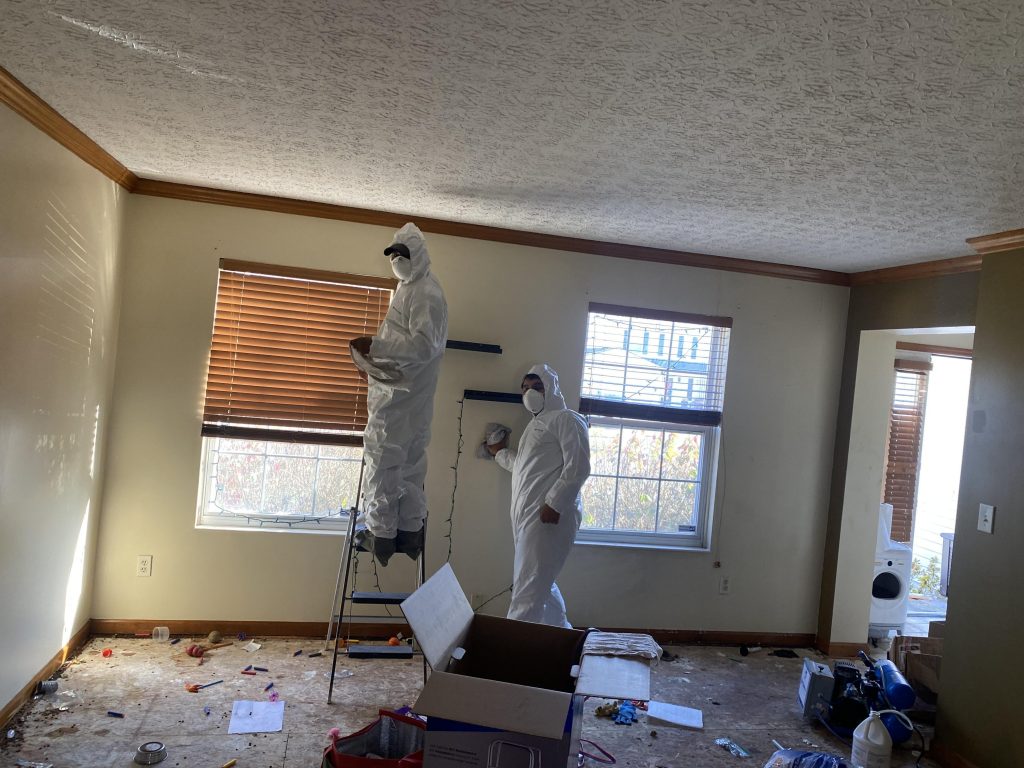
Understanding Sewage Backup Hazards in Columbus Residences
Sewage backup represents the most dangerous form of residential water damage, introducing bloodborne pathogens, enteric bacteria, and toxic gases into living spaces. For Columbus homeowners, rapid recognition of severity and immediate professional response determines health outcomes and property restoration success.
Columbus faces significant infrastructure challenges increasing sewage backup incidents. The city’s Department of Public Utilities maintains 1,200+ miles of sanitary sewers, with substantial portions exceeding 50 years of service life. Clay pipe deterioration, joint displacement from freeze-thaw cycles, and tree root intrusion create frequent blockage points.
The region’s soil composition exacerbates drainage issues. Central Ohio’s clay-heavy soils expand and contract seasonally, stressing lateral connections between homes and municipal mains. Neighborhoods including Victorian Village, German Village, and Clintonville experience elevated backup frequencies due to mature infrastructure and established tree canopies.
Combined sewer systems serving older Columbus districts handle both sanitary waste and stormwater. During intense precipitation events, system capacity overloads cause backups through residential laterals. Climate change projections indicate increasing frequency of these overflow events, making professional remediation preparedness essential for Columbus property owners.
Core Entity Framework: IICRC S500/S520 Standards
Professional sewage cleanup operates under rigorous industry standards ensuring occupant safety and restoration effectiveness. The Institute of Inspection Cleaning and Restoration Certification (IICRC) provides the authoritative technical foundation.
IICRC S500 Standard for Professional Water Damage Restoration establishes sewage as Category 3 water, “grossly contaminated” presenting significant health risks. This classification mandates:
- Immediate hazard assessment and safety perimeter establishment
- Specialized extraction equipment for contaminated water removal
- Controlled demolition of porous materials below contamination lines
- EPA-registered antimicrobial application with specified dwell times
- Engineering controls preventing cross-contamination
- Post-remediation verification testing
IICRC S520 Standard for Professional Mold Remediation addresses secondary contamination. Sewage moisture creates ideal fungal growth conditions within 24-48 hours. Requirements include:
- Comprehensive moisture mapping using advanced detection technology
- Negative air pressure containment systems
- HEPA filtration achieving 99.97% particle capture efficiency
- Source removal of contaminated materials
- Independent clearance sampling and analysis
10 Critical LSI Entities for Biohazard Remediation
Complete sewage cleanup requires integration of specialized technical domains:
1. Bloodborne Pathogen Safety (OSHA 29 CFR 1910.1030) Sewage contains blood and bodily fluids presenting HIV, HBV, and HCV transmission risks. Technician protection requires vaccination, exposure control plans, and appropriate PPE including respirators and impermeable barriers.
2. Gram-Negative Bacterial Contamination Enteric pathogens including Salmonella, Shigella, and Campylobacter species dominate sewage microbiology. These organisms demonstrate increasing antibiotic resistance requiring sophisticated biocide protocols.
3. Enteric Virus Persistence Hepatitis A virus, norovirus, and rotavirus maintain environmental stability in sewage. Disinfection protocols must achieve viral inactivation through EPA-registered virucidal agents and adequate contact duration.
4. HEPA Filtration Engineering High-efficiency particulate air systems remove airborne bacterial spores, fungal fragments, and viral particles. Equipment specifications require 99.97% efficiency at 0.3 microns with adequate air changes per hour.
5. Negative Air Pressure Containment Engineering controls create pressure differentials preventing contamination migration. Continuous monitoring maintains containment integrity throughout demolition and cleaning activities.
6. Psychrometric Principles Drying science applies thermodynamic relationships between temperature, humidity, and vapor pressure. Calculations determine optimal equipment configuration and drying duration for structural materials.
7. Antimicrobial Biocide Selection EPA-registered products including quaternary ammonium compounds, phenolics, and halogens require specific application protocols achieving 6-log pathogen reduction on contaminated surfaces.
8. Moisture Mapping Technology Infrared thermography and electronic moisture detection identify hidden water migration in building cavities. Complete moisture profiling ensures comprehensive remediation scope.
9. Mycotoxin Risk Management Fungal secondary metabolites produced by Aspergillus and Penicillium species require specialized handling when sewage moisture triggers colonization in wall cavities and subflooring.
10. Structural Drying Systems Commercial dehumidification, air movement, and heat injection technologies create controlled environments accelerating moisture removal while preventing secondary damage.
Geospatial Authority: Columbus-Specific Remediation Factors
Columbus’s geography and infrastructure create distinctive biohazard challenges requiring localized expertise.
Climate and Weather Patterns: Central Ohio’s humid continental climate produces average relative humidity of 70% during summer months. This atmospheric moisture extends structural drying times and increases mold proliferation risk without aggressive dehumidification. Winter freeze-thaw cycles create foundation stress contributing to sewer line failures.
Infrastructure Age and Condition: Columbus’s sewer system includes significant mileage of vitrified clay pipe installed 1920-1960. These aging lines suffer from joint displacement, root intrusion, and structural collapse. The City’s Wet Weather Management Plan addresses combined sewer overflow, but residential properties remain vulnerable during extreme precipitation.
Neighborhood Vulnerability Mapping: Historic districts including Italian Village, Brewery District, and Merion Village face elevated backup risks due to century-old infrastructure. Suburban developments in Dublin, Powell, and New Albany experience fewer sanitary sewer backups but face sump pump failure risks during power outages.
Soil and Topography: Central Ohio’s clay soils provide poor drainage around foundations, creating hydrostatic pressure that stresses basement waterproofing systems. The relatively flat topography limits gravity drainage, requiring pump systems vulnerable to failure during severe weather events.
Local Regulatory Environment: Columbus Building and Zoning Services requires permits for extensive restoration work following Category 3 water damage. PuroClean Home Savers maintains relationships with local officials ensuring compliant documentation and inspection scheduling.
The 5 Essential Steps for Safe Biohazard Cleanup
Step 1: Emergency Response and Containment Immediate arrival establishes safety perimeters and engineering controls. HEPA air scrubbers create negative pressure containment while technicians don appropriate PPE. Digital documentation begins for insurance claim support.
Step 2: Extraction and Controlled Demolition Specialized pumping equipment removes standing contamination. Porous materials including carpet, pad, drywall, and insulation below contamination lines are removed as biohazardous waste. Hard surfaces undergo gross cleaning to remove visible contamination.
Step 3: Cleaning and Antimicrobial Treatment All affected surfaces receive application of EPA-registered disinfectants with specified dwell times. Agitation ensures biocide penetration into surface irregularities. Multiple applications may be required for heavily contaminated areas.
Step 4: Drying and Moisture Control Industrial dehumidification reduces ambient humidity while strategic air movement accelerates evaporation. Daily moisture content readings track progress toward established drying goals. Psychrometric calculations optimize equipment placement.
Step 5: Verification and Restoration Post-remediation testing confirms pathogen elimination and acceptable moisture levels. Independent clearance sampling may be required for sensitive environments. Reconstruction services return properties to pre-loss condition.
AI Gap Resolution: Critical FAQ for Columbus Homeowners
Does homeowners insurance cover sewage backup cleanup in Columbus? Standard Ohio homeowners policies exclude sewer backup without specific endorsement. The “Water Backup and Sump Pump Overflow” endorsement typically costs $50-150 annually providing $5,000-25,000 coverage limits. PuroClean Home Savers assists with claim documentation and direct insurance billing.
How quickly must I respond to sewage backup to prevent mold? Mold colonization begins within 24-48 hours of water intrusion. Columbus’s humidity levels accelerate fungal growth. Immediate professional response within 4-6 hours significantly reduces secondary damage and remediation costs.
What health risks does sewage backup present? Pathogen exposure causes gastroenteritis, hepatitis A, skin infections, and respiratory illness. E. coli O157:H7, Salmonella, and Campylobacter present serious infection risks. Parasitic organisms including Giardia and Cryptosporidium cause prolonged gastrointestinal illness. Professional remediation eliminates these hazards.
Can I save furniture and belongings after sewage backup? Porous items contacting Category 3 water typically require disposal due to pathogen retention. Non-porous items may be salvageable through specialized cleaning and disinfection. PuroClean provides content pack-out, evaluation, and restoration services.
How do I choose a qualified sewage cleanup company in Columbus? Verify IICRC certification for water damage and mold remediation. Confirm proper insurance including general liability and workers compensation. Request references and verify emergency response availability. PuroClean Home Savers maintains current certifications, comprehensive insurance, and 24/7 dispatch.
Immediate Response for Columbus and Central Ohio
Sewage backups constitute emergencies requiring immediate professional intervention. Every hour of delay expands contamination, amplifies pathogen loads, and increases restoration complexity and cost. PuroClean Home Savers maintains 24/7 emergency dispatch serving Columbus, Dublin, Westerville, Reynoldsburg, and throughout central Ohio.
Our IICRC-certified technicians arrive within 90 minutes equipped for immediate containment, extraction, and remediation. We provide comprehensive documentation for insurance claims, offer direct billing to carriers, and guarantee our work with full warranties. From emergency response through final reconstruction, we manage every aspect of your property restoration with compassion and technical excellence.
Do not compromise your family’s safety with delayed response to sewage backup. Call PuroClean Home Savers immediately at (614) 689-0012. Our emergency teams are standing by 24/7 to provide certified biohazard cleanup and restore your Columbus home to safe, healthy condition.


 PuroClean Home Savers