 PuroClean Home Savers
 Executive Summary
Flooding in Columbus, Ohio can create severe mold problems within 24 to 48 hours, threatening your home’s structural integrity and your family’s health. This comprehensive checklist covers critical steps for remediating mold in carpets, drywall, and floor joists after water damage. You’ll learn what to inspect, when to remove materials, and how to prevent recurring mold growth. If you’re dealing with flood damage in Columbus or surrounding neighborhoods like German Village, Clintonville, or Upper Arlington, PuroClean Home Savers provides professional mold remediation services. Call (614) 689-0012 for immediate assistance.
What Should I Do Immediately After Discovering Flood Damage?
Time is your enemy when dealing with flood water. The moment you discover flooding, your priority shifts to safety first, then damage control. Before entering your home, ensure the electricity is shut off at the main breaker to prevent electrocution. Document everything with photos and videos for insurance purposes.
Within the first 24 hours, remove standing water using pumps or wet vacuums. Open windows and doors to increase ventilation, but only if outside humidity is lower than inside. Set up fans and dehumidifiers immediately. The faster you dry affected areas, the better chance you have of preventing mold colonization.
How Do I Inspect Carpets for Mold After Flooding?
Start by checking carpet padding, which absorbs water like a sponge and rarely dries completely. Pull back corners of your carpet to examine the padding underneath. If it feels damp or shows discoloration, it needs replacement. Carpet that sat in contaminated floodwater for more than 24 hours should be discarded regardless of appearance.
Look for visible mold growth, which appears as black, green, or white patches. Smell for musty, earthy odors indicating hidden mold. Press firmly on carpeted areas; if water seeps up, moisture remains trapped. Use a moisture meter to check readings. Anything above 20% moisture content creates ideal mold conditions.
Professional remediation becomes necessary when mold covers more than 10 square feet, when floodwater was contaminated with sewage, or when you have health concerns. Columbus residents can contact PuroClean Home Savers at (614) 689-0012 for thorough carpet assessment and safe removal.
What Signs of Mold Should I Look for in Drywall?

Drywall damaged by flooding presents unique challenges because it’s porous and difficult to fully dry. Inspect walls from floor level up to at least two feet above the waterline. Look for bubbling paint, peeling wallpaper, or soft spots that indent when pressed. These indicate water saturation and probable mold growth.
Check for discoloration, especially brown or yellowish stains. Use your nose; mold produces distinctive musty smells even before becoming visible. Tap on walls listening for hollow sounds, which suggest the paper backing has separated from the gypsum core. This separation creates perfect spaces for mold colonies.
Drywall that contacted contaminated floodwater or remained wet for over 48 hours typically requires removal. Cut damaged sections at least 12 inches above visible water damage, as wicking carries moisture higher than you might expect. Remove baseboard trim carefully to inspect the bottom plates and wall cavities behind.
How Do I Check Floor Joists and Subfloors for Structural Damage?

Access your crawlspace or basement to examine floor joists from below. Bring a bright flashlight and screwdriver for testing. Visually inspect joists for dark staining, fuzzy growth, or white fungal threads. Pay special attention to areas where joists meet support posts or rest on foundation walls.
Probe wooden joists with your screwdriver. Healthy wood resists penetration, while mold-damaged or rotting wood allows the screwdriver to sink in easily. Check for sagging floors above, which indicate compromised structural support. Look for warping, splitting, or separation at joist connections.
Measure moisture content using a pin-type or pinless moisture meter. Readings above 19% in floor joists signal ongoing moisture problems. Document moisture levels in multiple locations to identify problem areas. If subfloors show delamination or joists display significant rot, structural repairs become necessary before finishing work begins.
What Cleaning Products Actually Kill Mold?
Not all cleaning products effectively kill mold spores. For non-porous surfaces like tile or sealed concrete, mix one cup of bleach per gallon of water. This solution kills surface mold but doesn’t penetrate porous materials like drywall or wood. Always wear protective gear including N95 masks, gloves, and eye protection.
For wooden joists and framing, use antifungal solutions specifically designed for wood treatment. Products containing borate compounds penetrate wood and prevent future mold growth. Apply these treatments only after wood has dried to proper moisture levels (below 19%).
Never mix cleaning products, especially bleach with ammonia, which creates toxic gases. Vinegar, hydrogen peroxide, and borax offer less toxic alternatives for smaller mold areas. However, these household solutions work best for prevention rather than heavy remediation. When mold contamination is extensive, professional-grade antimicrobials and HEPA filtration provide more reliable results.
When Should I Remove Materials Versus Clean Them?
This decision depends on material type, contamination source, and exposure duration. Porous materials like carpet padding, insulation, and ceiling tiles almost always require removal after flood exposure. These items trap moisture and contaminants that make effective cleaning impossible.
Drywall exposed to clean water for under 48 hours might be salvageable if dried quickly with professional equipment. However, drywall touched by sewage-contaminated floodwater must be removed regardless of exposure time. The same applies to any material contacting Category 3 water (black water containing harmful bacteria).
Hardwood flooring decisions depend on wood type and water exposure. Solid hardwood can sometimes be saved through careful drying and refinishing. Engineered wood flooring typically delaminates and requires replacement. Wooden floor joists and framing can usually be treated and saved unless showing advanced rot or structural compromise.
What Equipment Do I Need for Safe Mold Remediation?
Personal protective equipment comes first. Wear N95 or N100 respirators, not simple dust masks. Use nitrile gloves, protective eyewear, and disposable coveralls. Mold spores become airborne during cleanup, and breathing them causes health problems ranging from allergic reactions to serious respiratory issues.
For drying and ventilation, you’ll need commercial-grade dehumidifiers, air movers, and fans. Household fans lack sufficient power for structural drying. Consider renting professional equipment or hiring specialists. HEPA air scrubbers filter mold spores from the air during remediation, preventing cross-contamination to clean areas.
Containment supplies include heavy plastic sheeting and tape to isolate work areas. This prevents mold spores from spreading throughout your home. You’ll also need moisture meters, infrared cameras for detecting hidden moisture, and proper disposal bags rated for mold-contaminated materials.
How Long Does Complete Drying Take?
Proper structural drying typically takes three to five days minimum with professional equipment running continuously. However, this timeline extends significantly based on factors like humidity levels, temperature, material density, and extent of water penetration. Columbus’s humid summers can slow the drying process considerably.
Monitor moisture levels daily using meters. Wood materials should reach below 19% moisture content. Concrete and masonry require even longer, sometimes two weeks or more to dry adequately. Never begin reconstruction while materials remain above acceptable moisture thresholds, as trapped moisture guarantees mold return.
During winter months, heating becomes necessary for proper evaporation. Cold temperatures dramatically slow water evaporation rates. Professional restoration companies use specialized drying equipment that optimizes temperature and humidity conditions regardless of season. PuroClean Home Savers serves Columbus with industrial drying equipment designed for Ohio’s variable climate. Call (614) 689-0012 for professional moisture assessment and drying services.
What Permits or Inspections Does Columbus Require?
Columbus building codes require permits for significant structural repairs, including floor joist replacement or substantial drywall removal. Contact the Columbus Division of Building and Code Enforcement before beginning major remediation work. Permit requirements protect you by ensuring work meets safety standards and maintains your home’s value.
Insurance companies often require documentation from certified professionals before approving claims. Professional mold remediation companies provide detailed reports, moisture readings, and photographic evidence supporting your claim. This documentation proves invaluable when dealing with insurance adjusters.
Some situations require mold testing and clearance certificates, especially when selling homes or dealing with rental properties. While Ohio doesn’t mandate mold certifications in all cases, having professional documentation protects against future liability. Ask your remediation company about providing these services as part of their work.
A Real Story: The Martinez Family’s Experience in German Village
Last spring, Maria Martinez returned from vacation to find her German Village home flooded from a burst washing machine hose. Water had sat for four days, soaking through carpets and into the hardwood subflooring below. The musty smell hit her immediately.
Maria’s first mistake was trying to handle everything herself. She rented a consumer carpet cleaner and fans from a hardware store, assuming she could dry everything in a few days. Two weeks later, black mold appeared along baseboards and carpet edges. Her young son began experiencing respiratory problems.
That’s when Maria called PuroClean Home Savers at (614) 689-0012. The technicians discovered moisture readings above 30% in her subfloor and lower wall sections. They explained that surface drying isn’t enough. Water had wicked into wall cavities and under flooring where household fans couldn’t reach.
The remediation required removing contaminated carpet and padding, cutting drywall 18 inches above the waterline, and treating exposed floor joists with antifungal solutions. Industrial dehumidifiers and air movers ran for five days straight. The difference was dramatic. Professional moisture meters confirmed complete drying before reconstruction began.
Maria’s lesson? Time matters, but so does doing it right. The money she tried to save by DIY approaches cost more when mold developed. Her insurance covered professional remediation, something she wished she’d known from the start. Her advice to neighbors: call professionals immediately after flood damage. The 72-hour window for preventing mold is real, and once mold establishes itself, remediation becomes exponentially more difficult and expensive.
How Can I Prevent Future Mold Problems?
Prevention starts with moisture control. Install sump pumps in basements and crawlspaces. Consider battery backup systems for power outages during storms. Grade your property so water flows away from your foundation. Clean gutters regularly and extend downspouts at least six feet from your home.
Control indoor humidity using dehumidifiers, especially in basements. Keep levels below 50% to discourage mold growth. Fix plumbing leaks promptly, even small drips. Regularly inspect areas prone to moisture like bathrooms, kitchens, and laundry rooms. Install water detection alarms near water heaters, washing machines, and sump pumps.
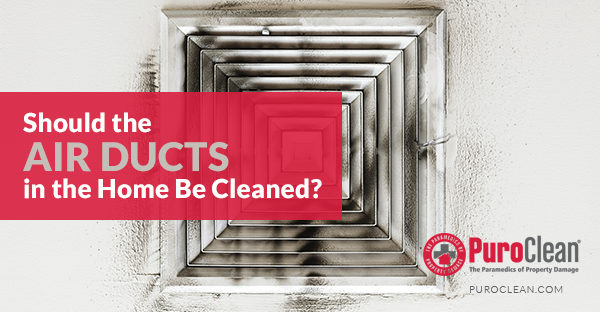
Improve ventilation in moisture-prone areas. Use exhaust fans in bathrooms and kitchens, venting them outside rather than into attics. Ensure your HVAC system is properly sized and maintained. Oversized systems cycle too quickly, failing to adequately dehumidify. Regular HVAC maintenance, including cleaning coils and changing filters, prevents moisture accumulation and mold growth in ductwork.
What Does Professional Mold Remediation Include?
Professional remediation follows industry protocols established by the Institute of Inspection, Cleaning and Restoration Certification (IICRC). The process begins with thorough inspection using moisture meters, infrared cameras, and sometimes air quality testing. Technicians identify all affected areas, including hidden moisture in wall cavities and under flooring.
Containment comes next. Professionals seal off work areas with plastic sheeting and negative air pressure systems. This prevents mold spores from contaminating clean areas during removal. They remove and properly dispose of contaminated materials following EPA guidelines for mold-infested debris.
After removal, affected areas undergo thorough cleaning with HEPA vacuums and antimicrobial treatments. Structural drying uses commercial dehumidifiers and air movers strategically positioned for maximum efficiency. Final verification includes moisture testing to confirm complete drying and, when requested, clearance testing to verify successful mold removal.
Frequently Asked Questions
Can I stay in my home during mold remediation?
This depends on contamination extent and location. Small, contained projects might allow you to remain in unaffected areas. Extensive remediation requiring whole-house containment typically requires temporary relocation. Professional companies assess your situation and provide guidance. Your family’s health, especially children, elderly members, or those with respiratory conditions, should drive this decision.
How much does professional mold remediation cost in Columbus?
Costs vary widely based on damage extent, affected materials, and required services. Minor remediation might cost $500 to $1,500, while extensive damage requiring structural repairs can reach $10,000 or more. Most homeowner insurance policies cover sudden water damage and resulting mold if you act quickly. Document everything and contact your insurance company immediately. PuroClean Home Savers at (614) 689-0012 works directly with insurance companies to streamline the claims process.
Will mold come back after professional remediation?
Proper remediation eliminates existing mold, but mold returns if moisture problems persist. Success requires fixing the initial water source, ensuring complete drying, and maintaining proper humidity levels. Professional companies address root causes, not just symptoms. They identify why flooding occurred and recommend preventive measures. Following their guidance dramatically reduces recurrence risk.
How do I know if mold is making my family sick?
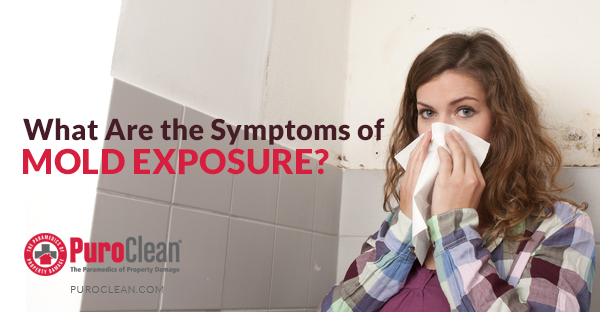
Mold exposure symptoms include persistent coughing, sneezing, throat irritation, skin rashes, and headaches. People with asthma or allergies experience worsened symptoms. If family members feel better when away from home, mold might be the culprit. Consult your doctor about symptoms and consider professional mold inspection. Never ignore health symptoms or attempt remediation without proper protection.
What’s the difference between mold and mildew?
Mildew is actually a type of mold, specifically surface-level growth that appears powdery or flat. It’s typically easier to clean from non-porous surfaces. Mold penetrates materials, growing roots called hyphae deep into porous substances like drywall and wood. This penetration makes mold much harder to eliminate and more damaging to structures. Both require proper removal, but mold demands more aggressive treatment.
Conclusion
Flood damage in Columbus, Ohio demands immediate, thorough response to prevent devastating mold growth and structural damage. This checklist provides essential steps for evaluating and addressing mold in carpets, drywall, and floor joists. However, professional expertise ensures complete remediation while protecting your family’s health and your home’s structural integrity.
Don’t gamble with your family’s safety or your largest investment. PuroClean Home Savers brings certified technicians, professional-grade equipment, and years of experience serving Columbus and surrounding neighborhoods. Whether you’re in Short North, Bexley, Worthington, or anywhere in the Columbus metro area, help is available 24/7.
Call PuroClean Home Savers at (614) 689-0012 immediately if you’re dealing with flood damage or discovering mold in your home. Quick action makes the difference between minor repairs and major structural work. Their team provides free inspections, works with insurance companies, and guarantees results. Protect your home and family today.
 PuroClean Home Savers