 PuroClean Home Savers
 Executive Summary
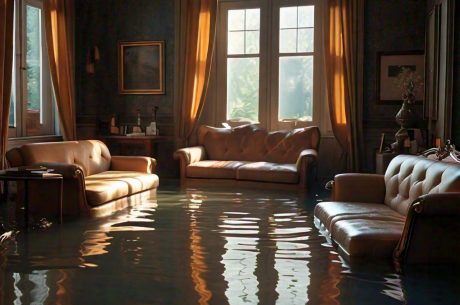
Basement flooding during Columbus winters creates urgent situations that demand immediate attention to prevent thousands of dollars in damage, mold growth, and structural deterioration. Whether caused by sump pump failures, frozen discharge lines, foundation cracks allowing snowmelt intrusion, or sewer backups from frozen municipal lines, winter basement floods require specialized knowledge and equipment that most homeowners don’t possess. This guide provides comprehensive information on recognizing flood risks, responding effectively during emergencies, understanding professional cleanup processes, and implementing prevention strategies specific to Columbus weather patterns. If your basement is flooding right now, PuroClean Home Savers provides 24/7 emergency response at (614) 689-0012 throughout Columbus and surrounding areas with industrial water extraction and mold prevention services.
Why Do Columbus Basements Flood More Often in Winter?
Columbus experiences unique winter conditions that dramatically increase basement flooding risk compared to other seasons. Understanding these factors helps homeowners recognize vulnerabilities and take preventive action.
Freeze-thaw cycles characteristic of Columbus winters create foundation stress. When water in soil surrounding your foundation freezes, it expands, pushing against foundation walls. As temperatures rise, the ice melts, and water infiltrates through cracks and weak points. This cycle repeats throughout winter, each time driving more water toward your basement.
Snowmelt generates enormous volumes of water that must go somewhere. A foot of snow covering your property contains roughly an inch of water per square foot. When temperatures rise rapidly, this water overwhelms drainage systems, pools against foundations, and finds entry points into basements.
Frozen sump pump discharge lines trap water inside your basement rather than directing it away from your home. When your sump pump activates but the discharge line is frozen solid, water backs up into the sump pit and eventually overflows onto your basement floor.
Municipal sewer systems face increased pressure during winter. Frozen lines reduce flow capacity, and sudden temperature increases cause surges that can back up into basement floor drains and toilets, introducing contaminated water into your home.
What Are the First Signs Your Basement Might Flood?
Early warning signs allow preventive action before minor issues become major floods.
Musty odors indicate moisture problems even before visible water appears. These smells suggest elevated humidity from seepage through foundation walls or floors that will worsen during rain or snowmelt events.
Efflorescence appears as white, chalky deposits on concrete walls and floors where water evaporates and leaves mineral residues behind. This substance proves water is penetrating your foundation regularly.
Visible cracks in foundation walls wider than one-eighth inch allow significant water entry. Horizontal cracks indicate serious structural concerns beyond simple waterproofing issues.
Increased sump pump activity signals rising groundwater. If your pump runs constantly or cycles frequently during cold weather, it’s working overtime to keep water out and may be nearing failure.
Water stains on walls or floors show previous flooding. These marks indicate vulnerability and predict future flooding under similar conditions.
What Should You Do the Moment You Discover Basement Flooding?
Your immediate response determines whether you face manageable cleanup or extensive damage requiring major repairs.
Assess safety before entering. Flooded basements pose serious hazards. Never enter standing water if electrical outlets, appliances, or your electrical panel might be submerged or wet. Water conducts electricity, creating lethal shock hazards. If you have any doubt about electrical safety, shut off power at your main breaker and contact professionals immediately.
Identify the water source if possible. Understanding what’s causing flooding helps you stop it. If your sump pump has failed, you might temporarily remove water with buckets until professionals arrive. If water is entering through foundation cracks, there’s little you can do immediately except begin extraction. If flooding results from a sewer backup, avoid all contact with contaminated water and call professionals immediately.
Document everything with photos and video. Insurance claims require extensive documentation showing the extent of flooding, water levels, damaged belongings, and affected areas. Take photos from multiple angles before removing any water or items.
Begin removing valuable items. Move furniture, electronics, documents, and other possessions to higher ground if you can do so safely. The longer items remain in water, the more damage they sustain.
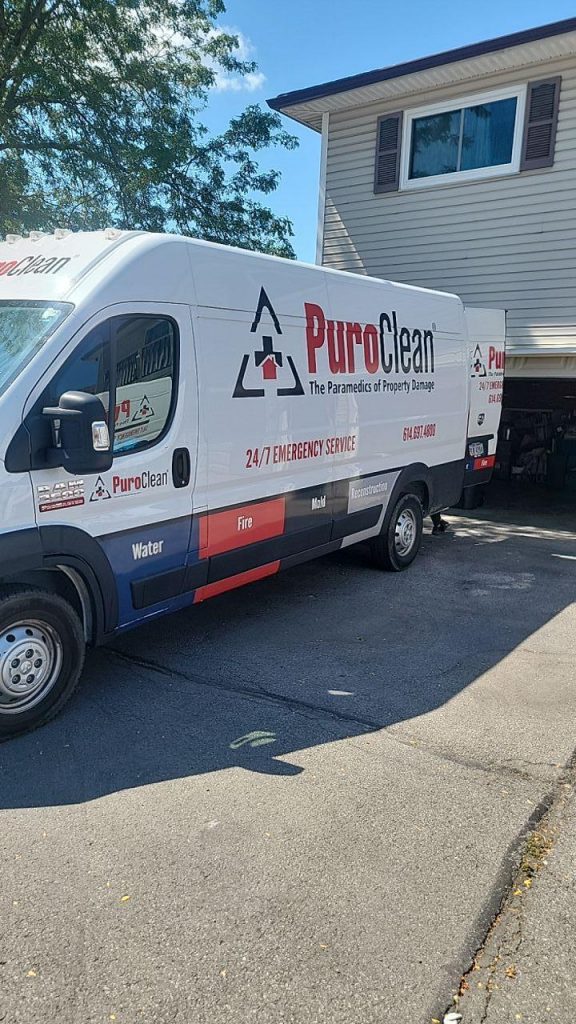
Contact professional flood cleanup services immediately. Professional teams respond quickly with industrial pumps, extractors, and drying equipment that removes water exponentially faster than household tools. PuroClean Home Savers maintains 24/7 emergency availability at (614) 689-0012, arriving quickly with specialized equipment designed specifically for Columbus basement flooding scenarios.
Can You Clean Up Basement Flooding Yourself?
Many Columbus homeowners attempt DIY cleanup to save money, but this approach typically fails to address hidden moisture that causes expensive secondary damage.
Shop vacuums and household dehumidifiers cannot match professional extraction equipment. Industrial submersible pumps remove thousands of gallons per hour compared to the gallons per minute household tools manage. Truck-mounted extractors create vacuum pressure that pulls water from concrete, drywall, and other porous materials where it hides after standing water disappears.
Moisture remains in walls, insulation, and structural cavities long after visible water is gone. Professional moisture detection equipment including thermal imaging cameras and deep-reading moisture meters identify hidden water that DIY efforts miss completely. This hidden moisture causes mold growth, wood rot, and structural deterioration that appears weeks or months later.
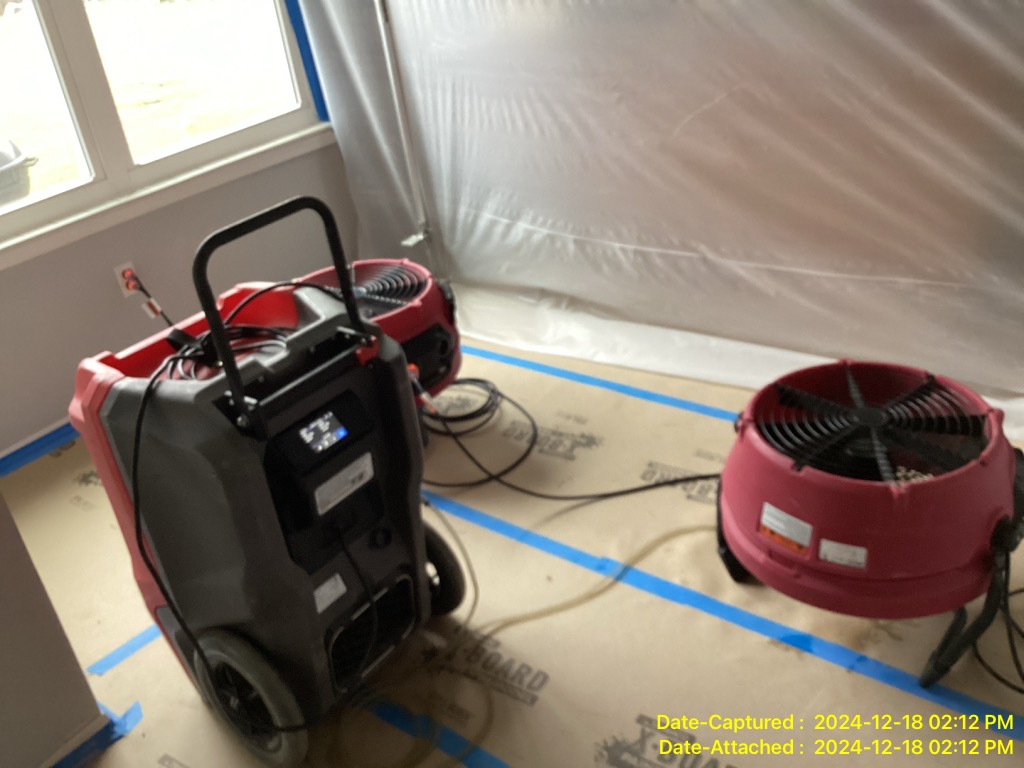
Proper drying requires controlled conditions. Professional restoration uses precisely positioned air movers creating specific airflow patterns combined with commercial dehumidifiers to establish optimal drying environments. Random placement of household fans rarely creates effective drying conditions and can actually spread moisture to previously unaffected areas.
Insurance companies often require professional documentation certifying proper cleanup procedures. DIY cleanup may void coverage or result in claim denials if secondary damage develops later.
A Real Story from a Columbus Homeowner
Tom Richardson discovered water in his basement on a Sunday morning in late January after several days of snow followed by a rapid warmup. He initially noticed a wet area near his furnace and assumed minor seepage until he rounded the corner and found three inches of water covering half his basement.
Tom’s finished basement included a home office, entertainment area, and storage for family belongings accumulated over 15 years. The water had already soaked into drywall, carpet, and furniture. His first instinct was to start removing water with his shop vacuum, but after 30 minutes of exhausting work, the water level seemed unchanged.
Frustrated and worried, Tom called PuroClean Home Savers at (614) 689-0012 around 11 AM. A response team arrived at his home by 12:30 PM with industrial pumps and extraction equipment. The team quickly identified that his sump pump discharge line had frozen solid, causing water to back up and overflow.
The professionals extracted the standing water in about 90 minutes, something Tom estimates would have taken him days with his shop vacuum. They used thermal imaging to identify moisture that had wicked up inside walls and installed air movers and dehumidifiers throughout the basement.
Over the next four days, technicians visited daily to monitor moisture levels and adjust equipment. They documented everything for Tom’s insurance claim, which was approved without issues. The team removed damaged materials including soaked carpet and the bottom two feet of drywall that couldn’t be adequately dried.
Tom learned a critical lesson about the limitations of DIY flood cleanup. The professional team’s thermal imaging revealed moisture inside walls that Tom never would have detected. Without proper drying, that hidden moisture would have caused extensive mold growth within weeks. Tom now maintains his sump pump system carefully and has the discharge line heat-traced to prevent future freezing.
What Causes Most Columbus Basement Floods in Winter?
Several factors combine to make winter the peak season for Columbus basement flooding.
Sump pump failures increase dramatically during winter. Pumps work overtime during freeze-thaw cycles and snowmelt events, leading to mechanical failures. Frozen discharge lines cause pumps to run continuously without moving water, burning out motors.
Foundation wall penetration by snowmelt occurs when heavy snow accumulates against your home’s foundation. As it melts, enormous water volumes overwhelm normal drainage paths and force water through any available opening in foundation walls.
Sewer backups happen when municipal sewer lines freeze or ice formations block flow. When sewers back up, contaminated water rises through the lowest opening in your home, almost always a basement floor drain or toilet.
Window well flooding occurs when snow accumulates in wells surrounding basement windows. As it melts, water level rises above the window sill and leaks around window frames or through deteriorated seals.
Hydrostatic pressure builds when soil surrounding your foundation becomes saturated. This pressure forces water through microscopic pores in concrete, through the joint where walls meet floors, and through any cracks in the foundation.
How Do Professionals Extract Water from Flooded Basements?
Professional water extraction follows systematic procedures developed through decades of restoration science and refined by organizations like the Institute of Inspection, Cleaning and Restoration Certification.
Initial assessment determines the category and class of water damage. Category 1 water comes from clean sources like supply lines, Category 2 water contains contamination like washing machine discharge, and Category 3 water is grossly contaminated like sewer backups. The category determines safety precautions and disposal requirements. The class indicates how much water is present and how difficult extraction will be.
Submersible pumps remove bulk water first. These industrial pumps move thousands of gallons per hour, quickly lowering water levels to manageable depths. Technicians position pumps at the lowest point and discharge water away from your home’s foundation.
Truck-mounted extraction equipment removes water from carpets, padding, and porous materials after standing water is gone. These powerful systems create vacuum pressure strong enough to pull water from deep within materials where it hides.
Specialized tools including weighted extractors and sub-surface extraction equipment remove water trapped beneath flooring materials. Water often migrates between flooring and concrete slabs where it’s invisible but continues causing damage.
Moisture mapping creates documentation showing which areas contain water and how saturated materials are. Technicians use moisture meters that measure water content in different materials and thermal imaging cameras that visualize moisture inside walls and cavities.
What Happens During the Structural Drying Process?
Structural drying removes moisture remaining after extraction, preventing mold growth and material deterioration.
Commercial air movers positioned strategically create airflow patterns that promote rapid evaporation. These aren’t simply fans pointed randomly at wet areas. Technicians calculate the number and placement of air movers based on your basement’s size, configuration, and the materials affected.
Dehumidifiers sized appropriately for your space remove moisture from the air. As materials release moisture into the air through evaporation, dehumidifiers capture and condense it, preventing reabsorption. Industrial dehumidifiers process hundreds of pints per day compared to the 30 to 50 pints residential units manage.
Monitoring equipment tracks temperature, humidity, and moisture levels continuously. Technicians visit daily to download data, adjust equipment, and measure progress toward complete drying.
Structural drying typically requires three to seven days depending on the extent of flooding, the materials affected, and environmental conditions. Finished basements with drywall, insulation, and carpeting require longer drying times than unfinished concrete basements.
Completion criteria are specific and measurable. Materials must reach moisture content levels consistent with normal indoor conditions, typically 10% to 15% for wood and less than 1% for concrete. Thermal imaging confirms no hidden moisture remains in wall cavities or structural spaces.
How Do You Prevent Mold After Basement Flooding?
Mold prevention begins the moment flooding occurs and continues throughout the cleanup and drying process.
Speed is your most important defense. Mold spores exist naturally in every indoor environment but remain dormant without moisture. When materials remain wet beyond 24 to 48 hours, spores germinate and begin exponential growth. Rapid water removal and thorough drying prevent germination.
Antimicrobial treatments applied after water extraction kill existing mold spores and inhibit growth during drying. Professional restoration companies apply EPA-registered antimicrobials to all affected surfaces, creating hostile environments for mold colonization.
Materials that cannot be thoroughly dried within 48 hours often require removal rather than restoration. This includes carpet padding, insulation, drywall that remained saturated for extended periods, and porous materials like ceiling tiles.
Air filtration during cleanup prevents mold spores disturbed by the restoration process from spreading to unaffected areas. HEPA air scrubbers filter particles as small as 0.3 microns, capturing mold spores and preventing their distribution through your HVAC system.
Humidity control after restoration prevents future mold growth. Maintaining basement humidity below 60% prevents mold establishment even if spores are present. Dehumidifiers, proper ventilation, and addressing moisture sources provide long-term protection.
What Types of Water Damage Are There?
Water damage classification determines cleanup procedures, safety requirements, and costs.
Category 1 water comes from sanitary sources. This includes supply line breaks, overflowing sinks from clean water, and rainwater that hasn’t contacted contaminated surfaces. Category 1 water poses no immediate health threats but degrades into Category 2 within 48 hours if not removed.
Category 2 water contains contamination. Sources include washing machine discharge, dishwasher overflow, sump pump failures, and toilet overflow with urine but no feces. This water contains bacteria and other microorganisms that can cause illness. Cleanup requires protective equipment and disinfection.
Category 3 water is grossly contaminated. Sewer backups, toilet overflow containing feces, flooding from rivers or streams, and standing water that has supported microbial growth constitute Category 3 damage. This water contains pathogenic organisms, toxic chemicals, and other dangerous contaminants. Cleanup requires extensive safety precautions, and most materials must be removed rather than restored.
Category 2 and 3 water damage costs significantly more to clean up than Category 1 due to additional safety requirements, disposal costs, and the need to remove rather than restore materials.
How Much Does Basement Flood Cleanup Cost?
Cleanup costs vary enormously based on water volume, contamination level, duration of flooding, and which materials are affected.
Minor flooding with quick response might cost $3,000 to $7,000 for water extraction, structural drying, and minor repairs. These situations typically involve limited water from clean sources discovered and addressed quickly.
Moderate flooding affecting most of a basement typically costs $7,000 to $15,000. This range includes complete water extraction, structural drying, removal of damaged materials like carpet and drywall, antimicrobial treatments, and basic reconstruction.
Severe flooding or Category 3 contamination can cost $15,000 to $40,000 or more. Extensive demolition, specialized cleaning procedures, mold remediation, and complete basement reconstruction drive costs in severe cases.
Finished basements cost more to restore than unfinished basements because water damages more materials. Drywall, insulation, carpeting, ceiling tiles, and trim all require removal or restoration. Unfinished concrete basements require only extraction and drying in many cases.
Delays significantly increase costs. Flooding addressed within hours might require only extraction and drying. The same flooding left for days requires extensive demolition and mold remediation, often tripling total costs.
Does Insurance Cover Basement Flooding?
Coverage depends on your specific policy and what caused the flooding.
Standard homeowner’s insurance typically covers sudden and accidental water damage from sources like burst pipes, appliance malfunctions, and sump pump mechanical failures. Your policy likely covers damage if your sump pump motor fails and your basement floods as a result.
Standard policies typically exclude damage from external flooding caused by rising groundwater, surface water, or nearby body overflow. Flood insurance through the National Flood Insurance Program or private insurers covers these situations.
Sewer backup coverage requires specific endorsement on most policies. If you don’t have this coverage and your basement floods due to municipal sewer backup, you’ll pay for cleanup yourself. This endorsement typically costs $50 to $200 annually and provides protection up to $10,000 or more.
Gradual damage and lack of maintenance typically aren’t covered. If your basement floods because you failed to maintain your sump pump or neglected obvious foundation cracks, insurance may deny your claim.
Working with restoration companies experienced in insurance claims helps maximize coverage. PuroClean Home Savers documents damage thoroughly, communicates directly with adjusters, and provides information that supports appropriate claim settlement.
What Basement Waterproofing Methods Prevent Future Flooding?
Effective waterproofing combines multiple strategies creating comprehensive protection against Columbus winter conditions.
Interior waterproofing starts with a perimeter drainage system. Contractors cut a channel along basement walls, install perforated pipe surrounded by gravel, and direct water to a sump pit where a pump removes it. This system captures water trying to enter through the wall-floor joint and controls hydrostatic pressure.
Exterior waterproofing involves excavating around your foundation, applying waterproof membranes to walls, installing drainage pipe at the footing level, and backfilling with gravel. This approach is more expensive but provides superior protection by keeping water away from foundation walls entirely.
Crack repair using hydraulic cement, epoxy injection, or polyurethane injection stops water entry through damaged foundation. Small cracks become major problems during freeze-thaw cycles, expanding each winter until they allow significant water intrusion.
Proper grading around your foundation directs water away from your home. Ground should slope away from your foundation at least 6 inches over 10 feet. Many Columbus homes have settled over time, creating depressions that collect water against foundations.
Gutter and downspout maintenance removes roof water from your foundation area. Clogged gutters overflow, dumping water directly against foundation walls. Downspouts should discharge at least 6 feet from your foundation, ideally into underground pipes that carry water even further away.
How Can You Maintain Your Sump Pump to Prevent Failures?
Regular sump pump maintenance prevents most winter failures that lead to basement flooding.
Test your pump monthly by pouring water into the pit until the float activates the pump. Verify the pump removes water quickly and the discharge line flows freely. This simple test identifies pump failures before emergencies occur.
Clean the sump pit annually, removing sediment and debris that accumulate at the bottom. This material can clog the pump or prevent the float from moving freely.
Install a battery backup system that operates during power outages. Many winter floods occur during storms that knock out electricity, leaving pumps powerless when you need them most. Battery backup systems automatically take over, providing protection for 8 to 24 hours depending on the system size and pumping frequency.
Consider a water-powered backup pump as a secondary option. These ingenious systems use your home’s water pressure to create suction that removes sump water. They require no electricity and work during power outages as long as you have water pressure.
Heat trace your discharge line to prevent freezing. Discharge lines that run above ground freeze solid during Columbus winters, rendering even functioning pumps useless. Heat trace cable wrapped around the line and plugged into an outdoor outlet keeps water flowing even when temperatures plummet.
Extend discharge lines away from your foundation. Pumps that discharge near your home simply recycle water back toward your basement. Extend discharge lines at least 10 feet from your foundation, sloping them so water cannot flow backward.
What Should You Look for in a Flood Cleanup Company?
Choosing the right restoration company dramatically affects your outcome and experience during an already stressful situation.
Verify IICRT certification for the company and its technicians. This certification ensures knowledge of current industry standards and proper restoration procedures. PuroClean Home Savers maintains IICRT certification and provides ongoing training for all restoration technicians.
Confirm 24/7 emergency availability with actual response times. Some companies claim emergency service but don’t actually respond until the next business day. Ask specifically how quickly they typically arrive for emergency calls in your area.
Inquire about specialized equipment for basement flooding. Effective restoration requires submersible pumps for bulk water removal, truck-mounted extractors for thorough water removal from materials, commercial air movers, industrial dehumidifiers, moisture detection equipment including thermal imaging cameras, and air scrubbers with HEPA filtration.
Ask about insurance claim experience. Companies that work regularly with insurance adjusters understand documentation requirements, communicate effectively with adjusters, and provide information that supports fair settlement of your claim.
Request local references from recent basement flooding jobs. Speaking with other Columbus homeowners provides insights into the company’s professionalism, communication, effectiveness, and how they handle unexpected issues.
When Should You Call Professionals Instead of Attempting DIY Cleanup?
Certain situations absolutely require professional intervention for safety, effectiveness, and insurance purposes.
Category 2 and Category 3 water damage should always involve professionals. Contaminated water poses serious health risks that require proper protective equipment, cleaning protocols, and disposal procedures that homeowners cannot safely replicate.
Extensive flooding covering large areas or depositing more than two inches of water exceeds the capacity of household equipment. Professional extraction removes water in hours rather than the days or weeks DIY methods require.
Flooding in finished basements with drywall, insulation, and carpeting creates hidden moisture problems DIY methods cannot address. Moisture trapped inside walls and under flooring causes mold growth and structural damage that appears months later.
Any flooding where mold is visible or suspected requires professional remediation. Attempting to clean mold yourself often spreads spores throughout your home and creates worse contamination than originally existed.
Situations involving insurance claims benefit from professional documentation. Restoration companies photograph damage, document moisture readings, track drying progress, and provide certification of proper procedures that insurance companies trust.
If you’re uncertain whether you need professional help, err on the side of caution. A consultation costs nothing and provides expert assessment of your situation, helping you make informed decisions about how to proceed.
What Happens If You Don’t Address Basement Flooding Properly?
Inadequate flood cleanup creates problems that worsen over time and cost exponentially more to fix than proper initial restoration.
Mold growth begins within 48 hours and spreads rapidly through interconnected spaces. Mold releases spores that distribute through your HVAC system, contaminating your entire home. Health effects include respiratory issues, allergic reactions, and serious complications for people with compromised immune systems. Mold remediation after extensive growth can cost $10,000 to $30,000 or more.
Wood rot develops in structural framing when lumber remains damp. Floor joists, support posts, and wall framing gradually deteriorate, compromising your home’s structural integrity. Repairing rotted framing requires extensive demolition and reconstruction costing tens of thousands of dollars.
Concrete deterioration accelerates with repeated freeze-thaw cycles in damp conditions. Basement floors and foundation walls develop spalling, where the surface flakes and crumbles. Efflorescence deposits weaken concrete over time.
Decreased property value results from mold history, visible water damage, and structural issues. Buyers avoid homes with basement flooding history, and those who make offers demand substantial price reductions. Proper disclosure laws require revealing flooding history, affecting your ability to sell.
Increased insurance rates or dropped coverage follows repeated claims or evidence of deferred maintenance. Insurance companies view properties with flooding history as high-risk and adjust rates accordingly or refuse coverage entirely.
Can You Prevent All Basement Flooding?
While no system provides absolute protection, comprehensive approaches dramatically reduce flooding risk.
Combining multiple strategies creates redundant protection. Install interior perimeter drainage with a sump pump system, maintain proper exterior grading, keep gutters clean and functional, seal foundation cracks, and install battery backup for your sump pump. Each layer catches problems the others might miss.
Regular maintenance keeps systems functioning. Monthly sump pump tests, annual gutter cleaning, periodic inspection of foundation walls, and prompt repair of minor issues prevent most flooding incidents.
Monitoring systems provide early warning. Water sensors placed near sump pumps, floor drains, and vulnerable areas alert you to problems before minor issues become major floods. Modern systems send alerts to your phone, allowing rapid response even when you’re away.
Understanding your basement’s vulnerability guides appropriate investment. Homes in low-lying areas with high water tables need more extensive protection than homes on elevated sites. Consult with waterproofing professionals and restoration experts to assess your risk and implement appropriate safeguards.
No prevention system works perfectly, which is why maintaining comprehensive homeowner’s insurance with appropriate endorsements provides essential financial protection.
Frequently Asked Questions
How long does basement flood cleanup take?
Water extraction typically completes within hours to a day, structural drying requires three to seven days, and reconstruction can take one to three weeks depending on the extent of damage. Total timeline from flood to completion usually spans two to four weeks for typical incidents.
Is basement flooding covered by homeowner’s insurance?
Coverage depends on the cause. Sudden mechanical failures like burst pipes or failed sump pumps are typically covered. External flooding from groundwater or surface water requires separate flood insurance. Sewer backup requires specific endorsement. Review your policy and discuss coverage with your insurance agent.
How can you tell if mold is growing after a basement flood?
Visible mold appears as black, green, or white discoloration on walls, floors, and belongings. Musty odors indicate mold growth even before it’s visible. Professional moisture detection identifies conditions favorable for mold even before growth begins. If flooding wasn’t addressed properly, assume mold is growing and get professional assessment.
Should you run a dehumidifier after basement flooding?
Yes, but household dehumidifiers cannot adequately dry structural flooding. They help maintain low humidity after professional drying completes, preventing future moisture problems. During active drying, industrial dehumidifiers provide the capacity needed for effective restoration.
What temperature should you keep your basement in winter?
Maintain basement temperatures at 60 degrees Fahrenheit minimum to prevent pipe freezing and reduce condensation. Colder temperatures increase freeze risk for pipes and the sump pump discharge line. Warmer temperatures help materials dry if minor moisture intrusion occurs.
Can you finish a basement after flooding?
Yes, but only after complete drying, necessary repairs to foundation and waterproofing systems, and implementing measures to prevent future flooding. Refinishing before addressing the root causes guarantees future damage to your investment.
Conclusion
Basement winter flooding in Columbus demands immediate professional response to prevent extensive damage, mold growth, and costly secondary issues. Understanding the unique winter conditions that cause basement flooding, recognizing early warning signs, responding effectively during emergencies, and implementing comprehensive prevention strategies protect your home and your investment.
Professional restoration provides specialized equipment, expertise, and procedures that DIY approaches cannot match. Industrial water extraction, thorough structural drying, moisture detection technology, and antimicrobial treatments prevent the secondary damage that often costs more than the initial flooding.
PuroClean Home Savers maintains 24/7 emergency response throughout Columbus, arriving quickly with industrial equipment and certified technicians who specialize in basement flood cleanup and mold prevention. Their comprehensive approach includes water extraction, structural drying, content restoration, and working directly with your insurance company to streamline claims.
If your basement is flooding right now or you’ve discovered water damage, don’t wait for the problem to worsen. Call PuroClean Home Savers immediately at (614) 689-0012 for rapid emergency response and expert restoration services that protect your home, prevent mold growth, and give you peace of mind during a stressful situation.
 PuroClean Home Savers