 PuroClean Home Savers
 Executive Summary
Biohazard remediation costs in Columbus, Ohio depend on contamination type, property size, regulatory compliance requirements, and hazardous waste disposal fees. This guide provides Columbus residents comprehensive information about pricing factors for crime scene cleanup, trauma situations, sewage contamination, hoarding remediation, and chemical exposure cleanup. PuroClean Home Savers offers immediate professional assistance at (614) 689-0012 for all biohazard situations throughout Central Ohio. Understanding cost components including labor, specialized equipment, deep cleaning protocols, and Ohio-specific regulations helps property owners budget appropriately while ensuring complete, safe remediation protecting health and property value.
What Biohazard Situations Require Professional Remediation in Columbus?
Columbus property owners encounter various biohazard scenarios requiring professional remediation expertise beyond standard cleaning capabilities.
Trauma and crime scene cleanup addresses blood and bodily fluid contamination from violent crimes, suicides, accidents, or injuries. Even small blood amounts harbor dangerous pathogens including HIV, Hepatitis B, Hepatitis C, and antibiotic-resistant bacteria. Professional remediation ensures complete pathogen elimination and thorough decontamination meeting Ohio health department standards.
Unattended death cleanup represents particularly challenging biohazard scenarios. Decomposition releases bodily fluids that penetrate flooring, subflooring, carpeting, walls, and furnishings. Bacteria proliferate rapidly, creating overwhelming odors and serious health hazards. These situations demand extensive remediation addressing visible and hidden contamination throughout affected properties.
Sewage and wastewater contamination introduces dangerous microorganisms into Columbus homes and businesses. Raw sewage contains E. coli, Salmonella, Hepatitis A, Giardia, and numerous other pathogens causing serious illness. Category 3 water damage from sewage requires immediate professional response preventing health exposure and property damage escalation.
Infectious disease cleanup addresses contamination from tuberculosis, MRSA, C. difficile, norovirus, and other contagious pathogens requiring specialized disinfection protocols. Healthcare facilities, schools, assisted living communities, and residential properties all face potential infectious disease contamination requiring professional treatment.
Hoarding cleanup often involves biohazards including human waste, animal waste, decomposing food, pest infestations, and sometimes deceased animals. These conditions create complex contamination scenarios requiring systematic remediation addressing biological hazards while respecting occupant sensitivities.
Methamphetamine lab contamination permeates building materials with toxic chemical residues. Ohio regulations require specific testing, decontamination procedures, and clearance verification before properties can be safely reoccupied. Professional remediation ensures compliance with state requirements protecting future occupants.
Industrial biohazard situations in Columbus’s manufacturing and research sectors may involve chemical spills, biological research material releases, or medical waste contamination. These scenarios require specialized expertise addressing specific contaminants according to applicable regulations.
Why Do Columbus Biohazard Remediation Costs Vary So Significantly?
Understanding cost variation factors helps Columbus property owners evaluate estimates realistically and budget appropriately for necessary remediation.
Contamination extent represents the primary cost determinant. Limited blood spills confined to small bathroom areas cost dramatically less than unattended death situations where bodily fluids saturated multiple rooms. Technicians must assess total contamination spread including hidden areas before accurately estimating costs. What appears as small visible contamination often extends far beyond initial observations.
Material penetration depth affects remediation scope and costs substantially. Surface contamination on non-porous materials allows cleaning and disinfection. Biological fluids absorbed into carpeting, padding, hardwood floors, drywall, or insulation require complete removal and disposal as regulated medical waste. Replacing building materials significantly increases total project costs but ensures complete contamination elimination.
Labor intensity drives costs in biohazard remediation more than many other service industries. Technicians work meticulously removing contaminated materials, cleaning surfaces multiple times, treating odors comprehensively, and verifying complete decontamination. Unattended death projects often require 16-30 hours of intensive specialized labor depending on decomposition extent and environmental factors.
Regulated waste disposal fees add substantial costs to remediation projects. Ohio requires biohazard waste transport to licensed medical waste disposal facilities. Transportation, treatment, and disposal fees vary based on waste volume and contamination classification. Small projects generating minimal waste cost less for disposal than extensive situations producing dozens of bags plus contaminated furnishings and building materials.
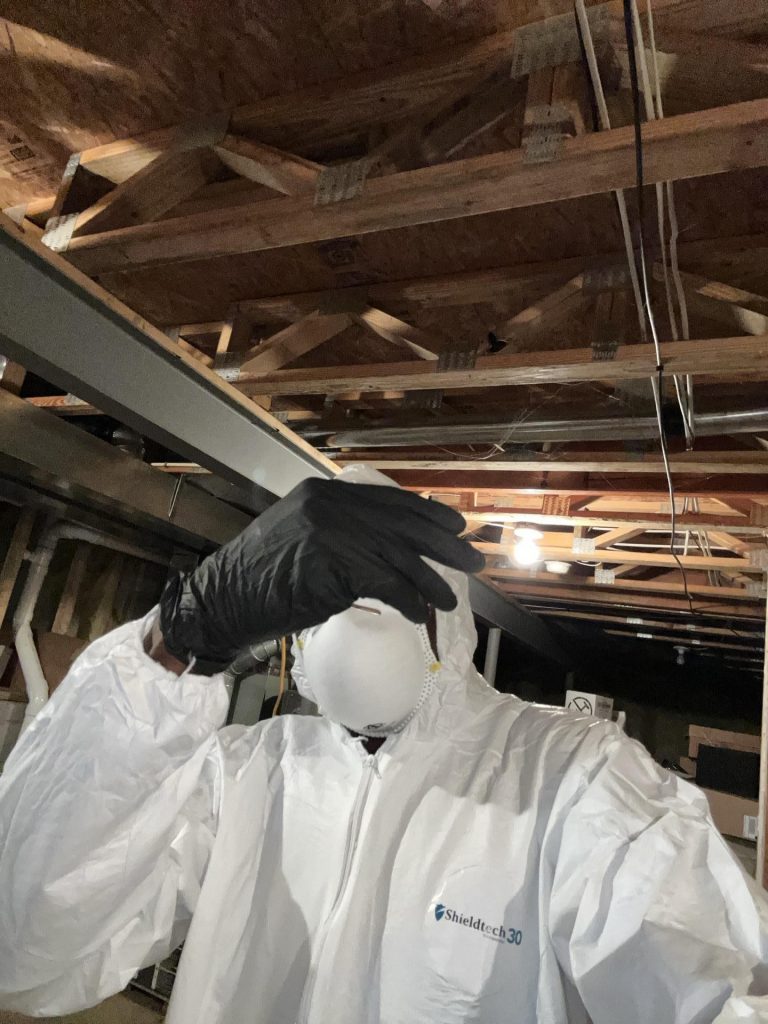
Personal protective equipment requirements create ongoing costs throughout projects. Technicians require full-body suits, respirators with appropriate filters, multiple glove layers, eye protection, and boot covers. This equipment prevents pathogen exposure but must be disposed of properly after single use, adding expenses that accumulate across project duration.
Specialized equipment including industrial air scrubbers, negative air machines, ozone generators, hydroxyl generators, and foggers increases costs while ensuring thorough remediation. These tools identify hidden contamination, eliminate odors at molecular levels, create proper containment, and verify successful decontamination impossible with standard cleaning equipment.
Time sensitivity affects pricing in emergency situations. Biohazard scenarios requiring immediate response outside normal business hours command premium rates reflecting technician availability and urgency. However, rapid response limits contamination spread and often reduces total remediation scope, potentially offsetting premium rates through decreased overall project size.
The Martinez Family’s Sewage Backup Nightmare
The Martinez family loved their Victorian Village home with its historic character and walkable neighborhood. One Sunday evening, Maria Martinez heard gurgling sounds from their basement bathroom. Before she could investigate, raw sewage erupted from the toilet, flooding the finished basement where their children played and studied.
The sewage backup resulted from tree roots infiltrating the main sewer line, a common problem in Columbus’s older neighborhoods with mature trees. Maria immediately called their plumber, who cleared the blockage but explained the sewage contamination required professional biohazard remediation, not standard cleaning.
The Martinez family had never heard of biohazard remediation and felt overwhelmed. The sewage had affected their finished basement including carpeting, drywall, furniture, and their children’s toys and books. Everything smelled terrible, and Maria worried about health risks if her family remained in the house.
She called their insurance company Monday morning. The agent explained that sewage backup coverage required a specific endorsement their policy lacked. The Martinez family would pay remediation costs out of pocket. Maria obtained three estimates ranging from 4,500 to 8,200 dollars. The variation confused her until she carefully compared what each company proposed.
The lowest bid planned to clean and disinfect existing materials, leaving contaminated carpeting and drywall in place. The middle estimate included removing all contaminated porous materials, thorough disinfection, structural drying, and odor treatment. The highest bid added HVAC system cleaning and ductwork disinfection that seemed excessive for their situation.
After researching sewage contamination and asking detailed questions, the Martinez family chose the middle option from PuroClean Home Savers. The company’s clear explanations, prompt response, and professional demeanor provided confidence during a stressful situation.
Remediation took four days. Technicians removed all sewage-contaminated carpeting, padding, and lower sections of drywall. They cleaned the concrete floor and remaining wall surfaces multiple times using hospital-grade disinfectants. Industrial dehumidifiers and air movers dried structural components thoroughly. Air scrubbers eliminated odors, and final testing verified successful decontamination.
The Martinez family learned valuable lessons from their experience. First, sewage backup endorsements cost modest amounts compared to remediation expenses. They immediately added this coverage to their policy. Second, biohazard remediation requires specialized expertise justifying higher costs than standard cleaning. Third, removing contaminated porous materials rather than attempting to clean them ensures health protection. Fourth, proper remediation protects property value and family wellbeing despite significant upfront investment.
Maria now shares her experience with neighbors, emphasizing the importance of appropriate insurance coverage and professional remediation when biohazard situations occur.
What Specific Costs Comprise Biohazard Remediation Pricing?
Breaking down individual cost components helps Columbus property owners understand pricing structures and evaluate estimate accuracy.
Initial assessment and testing fees cover professional inspection, contamination mapping, and sometimes laboratory analysis. Companies charge 200-500 dollars for comprehensive assessments determining remediation scope. Some companies waive assessment fees when clients proceed with remediation, while others charge separately regardless. Testing for specific pathogens or contaminants adds 150-400 dollars per test depending on analysis required.
Labor costs represent the largest expense component in most biohazard projects. Technician rates typically range from 75-150 dollars per hour depending on certification levels, project complexity, and time of day. Emergency after-hours response commands premium rates of 125-200 dollars per hour. Most projects require 2-3 technicians working simultaneously for safety and efficiency, multiplying hourly rates.
Personal protective equipment costs accumulate throughout projects. Full protective suits cost 15-40 dollars each. Respirators with appropriate filters range from 30-80 dollars. Multiple glove sets, eye protection, and boot covers add another 10-20 dollars per technician daily. These single-use items require disposal after contamination exposure, creating ongoing expenses throughout project duration.
Cleaning supplies and disinfectants designed for biohazard remediation cost substantially more than household products. Hospital-grade antimicrobials effective against bloodborne pathogens and bacteria run 30-80 dollars per gallon. Projects require multiple applications of different products addressing specific contamination types. Enzymatic cleaners, odor counteractants, and specialized treatments add another 100-400 dollars in consumable supplies for typical projects.
Equipment rental or usage fees cover specialized tools including industrial air scrubbers with HEPA filtration costing 75-150 dollars daily, negative air machines running 50-100 dollars daily, ozone generators at 40-80 dollars daily, and hydroxyl generators ranging from 60-120 dollars daily. Moisture meters, thermal cameras, and ATP testing devices add another 50-150 dollars in equipment costs.
Waste disposal fees vary significantly based on contamination volume and classification. Small projects generating 2-3 biohazard bags cost 200-400 dollars for proper disposal. Medium projects producing 10-15 bags plus contaminated furnishings run 800-1,500 dollars. Extensive situations generating dozens of bags plus significant contaminated materials can reach 3,000-5,000 dollars or more in disposal fees alone.
Transportation costs cover specialized vehicles meeting biohazard transport regulations. Companies factor fuel, vehicle maintenance, and regulatory compliance into pricing. Local Columbus projects include minimal transportation fees, while properties in outlying Franklin County areas may add 100-300 dollars in travel charges.
Materials and reconstruction costs apply when contamination requires removing building components. Drywall replacement runs 1.50-3.00 dollars per square foot installed. Subflooring replacement costs 2.00 -4.00 dollars per square foot. New carpeting ranges from 3.00-8.00 dollars per square foot installed depending on quality. These reconstruction costs supplement basic remediation expenses but ensure complete contamination elimination.
Permits and inspection fees sometimes apply depending on work scope and local Columbus regulations. Projects involving significant structural work may require building permits costing 50-200 dollars. Some jurisdictions mandate health department inspections before reoccupancy, adding 100-300 dollars in inspection fees.
Documentation and reporting costs cover detailed photography, waste manifests, chain of custody forms, and clearance certificates. Professional companies provide comprehensive documentation supporting insurance claims and demonstrating regulatory compliance. These administrative costs typically represent 5-10% of total project expenses.
How Much Do Specific Biohazard Situations Cost in Columbus?
Understanding typical cost ranges for different scenarios helps Columbus property owners budget realistically and identify unreasonable estimates.
Crime scene and trauma cleanup costs vary based on blood volume, affected areas, and material contamination. Small incidents with limited blood in single rooms typically cost 2,000-5,000 dollars including material removal, intensive disinfection, odor treatment, and waste disposal. Violent crimes affecting multiple rooms with extensive blood spatter can reach 8,000-20,000 dollars. Suicides involving firearms often require 5,000-15,000 dollars due to widespread biological material dispersion and structural penetration.
Unattended death remediation represents the most expensive biohazard scenario due to decomposition extent and intensive requirements. Recent deaths discovered within 24-48 hours with minimal decomposition cost 3,000-6,000 dollars. Deaths undetected for several days in moderate conditions run 6,000-12,000 dollars. Advanced decomposition cases where bodies remained undiscovered for weeks can reach 15,000-30,000 dollars or more requiring extensive structural removal and replacement.
Sewage backup cleanup costs depend on contamination volume, affected materials, and water category. Small bathroom sewage incidents affecting limited areas cost 2,500-5,000 dollars including extraction, material removal, disinfection, and drying. Whole-basement sewage floods run 5,000-12,000 dollars depending on finished space extent. Main line backups contaminating multiple floors can reach 15,000-25,000 dollars requiring comprehensive material removal and intensive treatment.
Hoarding cleanup with biohazard components ranges dramatically based on accumulation extent and contamination severity. Small hoarding situations in single rooms cost 2,000-5,000 dollars. Moderate whole-house hoarding requiring sorting, removal, pest treatment, and decontamination runs 8,000-20,000 dollars. Severe hoarding with extensive human or animal waste, structural damage, and pest infestations can exceed 30,000-50,000 dollars demanding comprehensive remediation and reconstruction.
Infectious disease decontamination varies by pathogen type and property size. Single-room treatment for norovirus or C. difficile costs 800-2,000 dollars. Whole-house treatment for MRSA or tuberculosis runs 3,000-8,000 dollars. Healthcare facility decontamination covering multiple rooms or floors can reach 10,000-30,000 dollars requiring extensive equipment and specialized protocols.
Methamphetamine lab cleanup follows Ohio-specific regulations requiring testing, decontamination, and verification. Initial testing costs 400-800 dollars determining contamination levels. Remediation ranges from 5,000-15,000 dollars for limited contamination to 20,000-40,000 dollars or more for extensive contamination requiring material removal throughout properties. Final clearance testing adds another 400-800 dollars verifying successful decontamination.
Animal hoarding remediation costs 3,000-15,000 dollars depending on animal numbers, waste accumulation, and structural damage. Projects requiring extensive flooring replacement, wall treatment, and odor elimination cost more than situations allowing intensive cleaning of existing materials.
These ranges provide general guidance for Columbus properties. Individual situations require professional assessment for accurate estimates based on specific conditions, contamination extent, and property characteristics.
What Deep Cleaning Protocols Do Professional Remediators Follow?
Professional biohazard deep cleaning extends far beyond typical cleaning, employing systematic protocols ensuring complete decontamination.
Scene assessment and documentation begins every project. Technicians photograph conditions, map contamination extent, and identify all affected materials before starting physical work. This documentation supports insurance claims, provides baseline records, and guides remediation planning.
Proper containment establishment prevents cross-contamination to unaffected areas. Technicians seal work zones using heavy polyethylene sheeting creating physical barriers. Negative air pressure using specialized fans pulls air from containment areas through HEPA filters before exhausting outside. This controlled environment prevents airborne pathogen spread during remediation activities.
Gross contamination removal addresses visible biological materials using specialized tools and careful techniques. Technicians remove contaminated items systematically, double-bagging biohazard waste in puncture-resistant containers meeting regulatory standards. This initial phase generates most regulated waste requiring proper disposal.
Multi-stage disinfection treats all surfaces within affected areas using hospital-grade antimicrobials proven effective against bloodborne pathogens and bacteria. Technicians apply products in specific sequences, allowing adequate contact time between applications. First applications address surface contamination. Subsequent treatments penetrate porous materials eliminating embedded pathogens. This process typically involves 3-5 separate disinfection cycles.
Detailed cleaning addresses every component within contamination zones. Technicians clean walls floor-to-ceiling, treating baseboards, trim, light fixtures, electrical outlets, HVAC vents, and other details standard cleaning overlooks. Light switches, door handles, window frames, and other touch points receive intensive attention ensuring no contamination remains.
Porous material treatment requires specialized approaches. Concrete, unsealed wood, and similar materials absorb biological fluids demanding intensive treatment or complete removal. When removal proves impractical, technicians use penetrating sealants encapsulating contamination and preventing future release.
HVAC system treatment prevents biological contamination from circulating throughout properties. Ductwork cleaning, filter replacement, and system disinfection ensure air handling systems don’t recontaminate cleaned spaces. Evaporator coils, condensate pans, and air handlers receive particular attention as biological growth locations.
Advanced odor elimination uses multiple technologies addressing different odor components. Chemical deodorizers neutralize specific odor molecules. Ozone treatment oxidizes organic compounds at molecular levels. Hydroxyl generators provide continuous deodorization safe for occupied spaces. Thermal fogging penetrates building materials releasing trapped odors. Professional remediators select appropriate technologies based on specific odor sources and property conditions.
Final verification testing provides scientific confirmation of successful decontamination. ATP (adenosine triphosphate) meters measure biological contamination on surfaces, providing immediate results indicating cleaning effectiveness. Some projects require laboratory analysis of surface samples confirming pathogen elimination. This testing provides documentation demonstrating thoroughness and regulatory compliance.
Clearance certification documents successful remediation, providing written confirmation that properties meet health and safety standards for reoccupancy. This documentation protects property owners from future liability and supports insurance claims.
How Do Ohio Regulations Affect Biohazard Remediation Costs?
Ohio-specific regulations influence remediation procedures and costs that Columbus property owners should understand.
Ohio Department of Health medical waste regulations establish handling, transportation, and disposal requirements for biohazard materials. Rules specify packaging standards using leak-proof, puncture-resistant containers marked with biohazard symbols. Transportation requires licensed waste haulers using approved vehicles. Disposal must occur at facilities permitted for medical waste treatment. These regulations ensure safe handling but add costs through specialized containers, licensed transport, and facility fees.
OSHA bloodborne pathogen standards protect workers handling biohazards. Companies must implement written exposure control plans, provide appropriate personal protective equipment, offer Hepatitis B vaccinations to employees, and maintain detailed training documentation. While primarily protecting workers, these requirements ensure proper handling reducing cross-contamination risks.
Ohio EPA regulations govern hazardous substance handling in biohazard situations involving chemicals. Methamphetamine lab cleanup follows specific protocols for testing, remediation, and verification. Properties must meet state-established clearance levels before reoccupancy. These requirements protect public health but add testing and treatment costs.
Columbus and Franklin County health departments may impose additional local requirements beyond state standards. Some situations require notification of local authorities, particularly in rental properties or commercial buildings. Health inspections may be mandatory before reoccupying properties after significant biohazard incidents. These local regulations aim to protect public health but can add inspection fees and timeline extensions.
Ohio building codes apply when biohazard remediation involves structural repairs or material replacement. Electrical work, plumbing modifications, and structural changes require appropriate permits and inspections. Professional remediation companies coordinate necessary permits, but fees and inspection costs factor into total expenses.
Fair housing laws prohibit discrimination in remediation and property management decisions. Landlords must address biohazard contamination appropriately regardless of circumstances causing contamination or tenant characteristics. Failure to remediate properly creates legal liability exceeding remediation costs.
Worker safety regulations require specific training for biohazard remediation technicians. Ohio recognizes various national certifications demonstrating competency. Companies employing properly trained, certified technicians provide better service but command higher rates reflecting their expertise and compliance costs.
Insurance requirements for biohazard remediation companies include comprehensive general liability, workers compensation, and sometimes pollution liability coverage. These insurance costs factor into service pricing but protect property owners from potential liability if accidents occur during remediation.
What Payment Options Exist for Columbus Biohazard Remediation?
Understanding payment alternatives helps Columbus property owners address biohazard situations despite financial challenges.
Homeowners insurance sometimes covers biohazard remediation depending on policy language and contamination circumstances. Crime-related incidents often qualify for coverage under dwelling provisions. Some policies include limited coverage for unattended deaths. Sewage backup typically requires specific endorsements that many standard policies lack. Contact insurance agents immediately when biohazard situations occur to understand coverage. Professional remediation companies often work directly with insurance carriers, accepting assignment of benefits so homeowners pay only deductibles.
Payment plans offered by many remediation companies spread costs over several months. Companies recognize that biohazard situations create unexpected financial burdens. They may offer zero-interest plans for 90-180 days or longer terms with modest interest rates. Discuss payment concerns upfront, as companies often accommodate reasonable requests. Most require deposits before beginning work but remain flexible regarding remaining balances.
Credit cards provide immediate payment options for biohazard remediation. Many companies accept major credit cards, allowing property owners to spread payments through existing credit arrangements. Some credit cards offer introductory zero-interest periods useful for managing large expenses. However, credit card interest rates eventually exceed payment plan rates if balances carry beyond promotional periods.
Healthcare financing companies offer specialized loans for trauma and death cleanup. These lenders understand biohazard remediation necessity and provide financing based primarily on property equity rather than conventional credit scores. Approval often occurs within hours, allowing immediate work commencement. Interest rates and terms vary based on creditworthiness and loan amounts.
Home equity lines of credit or home equity loans provide another financing option for property owners with available equity. These secured loans typically offer lower interest rates than credit cards or personal loans. However, application and approval processes take longer, potentially delaying remediation. Consider these options for non-emergency situations or when other financing proves unavailable.
Estate funds cover remediation costs when property owners pass away. Executors can use estate assets to pay for cleanup before property sales or transfers. This approach proves particularly relevant for unattended death situations where deceased individuals’ estates fund necessary remediation.
Crime victim compensation programs in Ohio sometimes assist with trauma scene cleanup costs for violent crime victims or their families. These state-funded programs help victims with expenses including professional biohazard remediation. Application processes vary, and coverage limits apply. Contact Ohio Attorney General’s Office for program information and application assistance.
Property sale proceeds occasionally fund remediation when sellers discover biohazard contamination during listing preparations. While reducing net sale proceeds, proper professional remediation protects sellers from legal liability and enables sales at fair market values. Attempting to sell contaminated properties without disclosure creates significant legal risks.
How Can Property Owners Verify Remediation Quality?
Ensuring thorough, proper biohazard remediation protects health and property value through verification steps Columbus property owners should understand.
Professional clearance testing provides scientific confirmation of successful decontamination. ATP testing measures biological contamination on surfaces, with readings below specific thresholds indicating proper cleaning. Laboratory analysis of surface samples confirms pathogen elimination when situations warrant comprehensive verification. Reputable companies include clearance testing in service packages or offer it as optional verification.
Visual inspection after remediation completion identifies obvious quality issues. All treated surfaces should appear clean without visible staining, debris, or contamination residue. Replaced materials should be installed properly and finished appropriately. Odors should be eliminated or dramatically reduced, not merely masked with fragrances.
Documentation review ensures comprehensive service delivery. Professional companies provide detailed records including before and after photographs, work scope descriptions, products used, waste disposal manifests, and clearance certificates. This documentation should clearly describe all work performed and verify regulatory compliance.
Third-party inspection offers independent verification for high-value properties or complex situations. Industrial hygienists or environmental consultants can assess remediation quality objectively. While adding costs, independent verification provides assurance for property sales, insurance claims, or legal situations.
Ongoing monitoring after remediation identifies potential problems early. Property owners should watch for odor recurrence, visible staining, or health symptoms suggesting incomplete decontamination. Professional companies warranty their work, returning to address legitimate concerns at no additional charge.
Insurance company verification requirements vary by carrier and claim type. Some insurers mandate independent inspection before claim payment. Others accept remediation company documentation. Understand your insurer’s verification requirements before beginning work to ensure appropriate documentation.
Building department inspections apply when remediation involved significant reconstruction. Final inspections verify that replaced materials, electrical work, plumbing, and structural modifications meet building codes. These inspections protect property value and ensure safe, legal construction.
Frequently Asked Questions About Columbus Biohazard Remediation
How quickly should biohazard remediation begin after contamination occurs?
Immediate professional response provides optimal results. Biological contamination spreads rapidly through porous materials and creates increasingly difficult odor problems over time. Pathogen exposure risks persist until proper remediation occurs. Contact professional remediators immediately upon discovering biohazard situations. Most companies offer 24/7 emergency response understanding the urgency these situations demand. Quick action limits contamination extent, reduces remediation costs, and minimizes health exposure duration.
Can landlords charge tenants for biohazard cleanup costs?
Liability for biohazard remediation costs depends on lease terms and contamination causes. Tenants typically bear responsibility for contamination resulting from their actions, negligence, or lease violations. Landlords usually pay for contamination from building defects, natural disasters, or criminal acts by third parties. However, lease agreements may allocate costs differently. Ohio law prohibits landlords from recovering costs through security deposits without proper documentation and procedures. Consult attorneys regarding specific situations, as improper cost allocation creates legal liability.
What credentials should Columbus biohazard remediation companies hold?
Legitimate companies employ technicians with bloodborne pathogen training meeting OSHA standards. Many hold certifications from organizations like the American Bio-Recovery Association or Institute of Inspection, Cleaning and Restoration Certification. Companies should maintain appropriate business licenses, comprehensive liability insurance, workers compensation coverage, and sometimes pollution liability insurance. Ohio does not require state licensing specifically for biohazard remediation, making credential verification particularly important. Request documentation of training, certifications, and insurance before hiring companies.
Does biohazard remediation always require removing building materials?
Material removal necessity depends on contamination extent, material type, and penetration depth. Non-porous surfaces like metal, glass, and sealed concrete often allow thorough cleaning and disinfection without removal. Porous materials like carpeting, drywall, insulation, and unsealed wood that absorbed biological fluids typically require removal ensuring complete contamination elimination. Professional assessment determines removal necessity based on actual conditions rather than arbitrary rules. Attempting to save contaminated porous materials through cleaning rarely succeeds and creates health risks.
How do remediation costs compare between residential and commercial properties?
Commercial biohazard remediation typically costs more than residential projects due to larger areas, complex systems, stricter regulations, and business considerations. Commercial properties often require after-hours work commanding premium rates minimizing business interruption. Additional costs include employee notification, temporary closure expenses, regulatory reporting, and sometimes mandatory health department involvement. However, commercial property insurance often provides better biohazard coverage than residential policies. Professional companies provide separate estimates for commercial projects reflecting these additional considerations.
What happens if biohazard contamination spreads to neighboring properties?
Contamination spreading beyond original properties creates complex liability situations. Property owners where contamination originated may bear responsibility for neighboring property remediation costs. This commonly occurs in multifamily buildings, condominiums, or adjoining commercial spaces. Immediate professional remediation limits spread preventing more extensive damage and liability. Comprehensive liability insurance protects property owners from costs associated with contamination spread. Document contamination extent thoroughly through professional assessment protecting interests if disputes arise regarding responsibility and costs.
Protect Your Health and Property With Professional Assistance
Biohazard situations demand immediate professional attention protecting health, property value, and legal interests. Delays allow contamination to worsen, pathogens to proliferate, odors to intensify, and costs to escalate. Columbus property owners facing biohazard scenarios need experienced professionals who understand Ohio regulations, proper remediation protocols, and sensitive situation handling.
PuroClean Home Savers serves Columbus and throughout Central Ohio with certified biohazard remediation meeting all state and local requirements. Their trained technicians handle crime scenes, trauma situations, unattended deaths, sewage contamination, hoarding cleanup, and other biohazard scenarios with professionalism, discretion, and thoroughness. They understand the emotional difficulty these situations create for property owners and occupants, working respectfully while delivering comprehensive remediation.
Whether you face immediate biohazard emergencies requiring urgent response or need guidance evaluating potential situations, professional assistance protects everyone involved. Certified remediators assess contamination accurately, provide detailed transparent cost estimates, work directly with insurance companies maximizing coverage, and deliver complete decontamination verified through scientific testing. This professional approach ensures properties return to safe, healthy conditions while protecting your financial investment.
Don’t risk health exposure, inadequate cleanup, or legal liability attempting DIY biohazard remediation or hiring unqualified services lacking proper training and equipment. Call PuroClean Home Savers at (614) 689-0012 right now for immediate professional assistance. Their team responds quickly to Columbus emergencies 24 hours daily, provides compassionate service during difficult circumstances, and delivers thorough remediation protecting your property and everyone who enters it. The consultation costs nothing, but the protection and peace of mind prove invaluable.

 PuroClean Home Savers