 PuroClean Home Savers
 Executive Summary
Columbus homeowners face unique mold challenges due to Ohio’s climate and housing stock. Mold exposure can trigger skin rashes, eczema flare-ups, and psoriasis outbreaks through immune system activation and direct skin contact. This guide provides Columbus-specific information about recognizing mold-related skin conditions, identifying problem areas in Central Ohio homes, and taking effective action to protect your family’s health.
Why Columbus Homes Are Particularly Vulnerable to Mold
Columbus sits in a climate zone with distinct seasonal weather patterns that create perfect conditions for mold growth. The combination of humid summers, temperature fluctuations between seasons, and older housing stock in many neighborhoods makes mold problems common throughout Franklin County.
Summer in Central Ohio brings heat and humidity that can push indoor moisture levels above the 60% threshold where mold thrives. Air conditioning systems working overtime create condensation. Basements naturally cool spaces become moisture collectors during humid months. Many Columbus homes, particularly in established neighborhoods like German Village, Clintonville, and Victorian Village, have stone or brick foundations that can wick moisture from the ground.
Fall and spring bring rapid temperature changes. Warm days and cool nights create condensation on windows, walls, and in attics. These shoulder seasons often catch homeowners off guard. They’ve turned off air conditioning but haven’t started heating, leaving homes vulnerable to moisture accumulation without active humidity control.
Winter heating can drive moisture into walls and attics where warm indoor air meets cold exterior surfaces. Ice dams on roofs, common during Ohio winters, can force water under shingles and into attic spaces. The freeze-thaw cycles stress foundations and can create cracks allowing water intrusion.
Can Mold Really Trigger Your Skin Problems?
The relationship between mold and skin health operates through multiple pathways. Your skin serves as both a physical barrier and an immune organ. When mold spores contact your skin directly or when you inhale them, your immune system responds in ways that can create various skin conditions.
Direct contact with mold causes allergic contact dermatitis in sensitive individuals. When your skin touches moldy surfaces, such as a wet towel that developed mildew, a damp wall, or stored items with mold growth, proteins on the mold spores trigger your immune system. This causes inflammation, redness, itching, and sometimes blistering at the contact site.
Inhaled mold spores activate your systemic immune response. This is particularly important for conditions like eczema and psoriasis, which have strong immune components. When you breathe in mold spores, your immune system produces inflammatory chemicals called cytokines. These chemicals circulate throughout your body, not just in your lungs. When they reach your skin, they can trigger or worsen inflammatory skin conditions.
Mycotoxins, toxic substances produced by certain mold species, add another layer of complexity. These compounds can affect multiple body systems, including your skin. They can disrupt normal skin barrier function, increase systemic inflammation, and potentially suppress immune function in ways that make you more susceptible to skin infections.
What Columbus Residents Need to Know About Eczema and Mold
Eczema, medically known as atopic dermatitis, affects millions of Americans. In Ohio, the combination of dry winter air and humid summer conditions creates challenges for managing this condition. Mold exposure adds another significant trigger that many Columbus residents don’t recognize.
The mechanism connecting mold to eczema involves your immune system’s overreaction to environmental triggers. People with eczema have an overactive immune response to various substances, including mold spores. When you inhale or contact mold, your body produces excess immunoglobulin E antibodies and releases histamine, creating the itching, inflammation, and skin barrier breakdown characteristic of eczema.
Research shows that children living in mold-contaminated homes have significantly higher rates of eczema compared to children in mold-free homes. For Columbus families, this is particularly concerning in older neighborhoods where homes may have hidden mold problems in basements, crawl spaces, or behind walls.
Signs that mold might be triggering your eczema include symptoms that worsen when you’re home and improve when you’re away, flare-ups that coincide with humid weather when mold grows most actively, symptoms in multiple family members suggesting environmental rather than genetic causes, and eczema that doesn’t respond well to typical treatments, indicating an unaddressed environmental trigger.
Understanding Psoriasis Flare-Ups from Mold Exposure
Psoriasis is an autoimmune condition where your immune system mistakenly attacks healthy skin cells, causing them to multiply too rapidly. This creates the characteristic thick, scaly patches. While mold doesn’t directly cause psoriasis, it can trigger flare-ups in people with the condition or activate genetic predispositions that have been dormant.
The connection works through immune system activation. Mold exposure keeps your immune system in an elevated alert state. For people with psoriasis, this chronic immune activation can trigger the inflammatory cascade that causes skin cell overproduction. Many Columbus residents notice their psoriasis worsens during certain times of year without realizing that seasonal mold growth in their homes correlates with these flare-ups.
Common patterns include spring flare-ups coinciding with increased outdoor mold from decaying leaves and vegetation, plus indoor mold from spring rains and basement flooding. Summer worsening happens when high humidity promotes both outdoor and indoor mold growth, and air conditioning systems spread mold spores through homes. Fall symptoms increase as mold grows on fallen leaves and enters homes on shoes and clothing, while indoor mold grows in areas with poor ventilation. Winter problems arise because homes are sealed tight, concentrating indoor mold spores without fresh air dilution.
A Real Story from Columbus: The Thompson Family’s Discovery
The Thompson family lived in a beautifully restored Victorian home in Victorian Village. They loved their home’s character and history, but three months after moving in, strange health issues began. Their ten-year-old son Jackson developed severe eczema covering his arms, legs, and torso. He had experienced mild eczema as a toddler, but nothing like this. His skin cracked and bled, and constant scratching prevented him from sleeping through the night.
Mrs. Thompson noticed unexplained hives appearing on her neck and chest. They would appear suddenly, often in the evening, and fade by morning. She tried changing soaps, detergents, and even her diet, but nothing helped. Mr. Thompson developed patches of psoriasis on his elbows and scalp. He had never had psoriasis before, though his father had struggled with it.
The family spent thousands of dollars on dermatologists, allergists, and various treatments. Everything provided temporary relief but nothing solved the underlying problem. The breakthrough came from an unexpected source. Their neighbor, who had lived on the street for thirty years, mentioned that several families in Victorian homes on their block had dealt with mold problems, particularly in bathrooms and kitchens where old plumbing sometimes leaked behind original walls.
This conversation prompted the Thompsons to hire a mold inspector. What they discovered shocked them. Their beautiful clawfoot bathtub, an original feature they cherished, sat on subflooring that had been repeatedly water-damaged over the home’s 120-year history. The floor joists beneath the bathroom had extensive mold growth. The original brick foundation in the basement was wicking moisture from the ground, creating mold growth on stored items and the foundation walls themselves. The kitchen, which had been modernized in the 1970s, had old pipes that were slowly leaking inside the walls.
The mold was everywhere, hidden behind the home’s beautiful restored surfaces. Every time they ran water, took showers, or simply walked across the bathroom floor, they released mold spores into the air. The forced-air heating system then distributed these spores throughout every room.
The remediation was extensive and expensive. They had to remove the bathroom floor down to the joists, treat all the wood, install a proper moisture barrier, and rebuild with mold-resistant materials. The basement required a French drain system, waterproofing of the foundation, and installation of a high-capacity dehumidifier. The kitchen plumbing needed replacement. The total cost exceeded $40,000.
However, the health results were dramatic. Jackson’s eczema began improving within two weeks of remediation completion. Within two months, his skin was clearer than it had been since they moved in. Mrs. Thompson’s hives disappeared completely within ten days. Mr. Thompson’s psoriasis took longer to improve, about six weeks, but eventually cleared to the point where he needed no medication to control it.
The Thompsons learned a painful but important lesson. Historic charm can hide serious health hazards. Unexplained skin conditions affecting multiple family members warrant environmental investigation. The cost of proper remediation, while substantial, was worth every penny for their family’s health and peace of mind.
How to Recognize Mold-Related Skin Reactions in Your Columbus Home
Identifying mold as the cause of skin problems requires careful observation of patterns. The timing and location of your symptoms provide important clues.
Geographic patterns within your home matter. If your skin problems worsen in specific rooms, particularly bathrooms, basements, or bedrooms, consider those areas as potential mold sources. Many Columbus homes have finished basements that look dry but harbor mold behind walls or under carpeting. If you notice symptoms improve when you’re upstairs but worsen in the basement, this pattern suggests basement mold exposure.
Temporal patterns reveal important information. Symptoms that follow seasonal patterns, worsening during humid spring and summer months or during winter when homes are tightly sealed, suggest environmental triggers. Many people attribute skin changes to seasonal allergy or dry air without considering mold as a contributing factor.
Family-wide patterns are particularly telling. When multiple family members develop skin issues around the same time, even if the specific symptoms differ, environmental causes become more likely than individual sensitivities or infections. One person might develop contact dermatitis, another eczema, and a third person hives, all from the same mold exposure affecting each person according to their individual immune responses.
Activity-related patterns provide clues about mold location. If your skin reactions worsen after showers, the bathroom likely has mold issues. If symptoms flare after doing laundry, check the laundry room for mold around the washing machine or in ventilation systems. If your hands develop rashes after retrieving items from the basement or attic, those storage areas may be contaminated.
Which Types of Mold Commonly Affect Columbus Homes?
Ohio’s climate supports growth of various mold species, each with different health implications. Understanding which types commonly appear in Columbus homes helps you recognize and address risks.
Stachybotrys chartarum, known as black mold, grows on materials with high cellulose content like drywall, paper, and wood after water damage. It appears as black or dark green slimy growth. This mold produces mycotoxins that can cause serious health effects including severe skin reactions. Columbus homes that have experienced flooding from storms, burst pipes, or sewage backups are at high risk for black mold if not properly dried and treated within 48 hours.
Aspergillus appears in various colors including white, yellow, green, or black. It grows on many surfaces and is particularly common in HVAC systems and on food items. This is one of the most common indoor molds globally and frequently triggers allergic reactions including skin problems. Many Columbus residents have Aspergillus growing in their air conditioning and heating systems without realizing it, spreading spores throughout their homes every time the system runs.
Penicillium displays blue or green fuzzy growth and produces the characteristic musty mold smell. It grows quickly on water-damaged materials and is common on wallpaper, carpets, and insulation. This mold commonly triggers allergic skin reactions. In Columbus, Penicillium often appears after basement flooding or roof leaks.
Cladosporium can grow in both warm and cool conditions, making it a year-round concern in Ohio homes. It appears brown, green, or black and commonly grows on fabrics, upholstery, and in HVAC systems. While less toxic than black mold, it frequently causes contact dermatitis and other skin reactions. This is often the mold growing on damp windowsills, bathroom grout, and basement walls.
Alternaria appears dark brown or black and prefers damp locations like showers, bathtubs, and below leaky sinks. It’s one of the most common allergens and frequently triggers respiratory and skin reactions. Many Columbus homes have Alternaria growing in shower corners and around bathtub caulking, releasing spores every time someone showers.
Where Mold Hides in Typical Columbus Homes
Understanding where mold commonly hides helps you inspect your home effectively. Columbus housing stock includes everything from historic brick homes to modern construction, each with characteristic problem areas.
In older Columbus homes built before modern moisture barriers became standard, basements are the primary concern. Stone or brick foundations allow moisture to wick through from the surrounding soil. Even if you don’t see standing water, constant dampness creates perfect conditions for mold. Check behind stored items, on foundation walls, under stairs, on the underside of floor joists, and inside crawl spaces if your home has them.
Bathrooms in homes of any age are vulnerable due to constant moisture exposure. Mold commonly grows under sinks where slow leaks go unnoticed, behind toilets where condensation drips down, in walls behind showers and tubs where tile grout has failed, in exhaust fan housing and ductwork, and on ceiling surfaces above showers in homes without proper ventilation.
Kitchens have multiple moisture sources that can support mold growth. Check under the sink cabinet, behind and under the refrigerator, around the dishwasher, particularly where it connects to the sink, inside and around the garbage disposal, and in the cabinet kickboard area where splashed water accumulates.
Attics in many Columbus homes develop mold from several sources. Ice dams during winter can force water under shingles. Poor ventilation traps moisture from the living space below. Bathroom exhaust fans venting into the attic instead of outside pump humid air into this space. Check insulation for staining or dampness, roof decking on the underside for dark spots, around chimneys and vent pipes, in soffit areas, and around attic access points.
HVAC systems deserve special attention because they can distribute mold throughout your entire home. Condensation drip pans under air handlers often have standing water supporting mold growth. Air ducts, particularly in homes with central air conditioning, can accumulate moisture and grow mold. Blower compartments may have mold on fan blades and housing. Even air filters themselves can grow mold if not changed regularly.
Windows and walls in Columbus homes often show condensation during winter months when warm indoor air meets cold glass or poorly insulated walls. Over time, this repeated moisture creates mold growth on windowsills, on walls below windows, behind furniture placed against exterior walls, and in corners where air circulation is poor.
What to Do Immediately If You Discover Mold
Finding mold in your Columbus home requires prompt action. The steps you take immediately can prevent a small problem from becoming a major health hazard and expensive remediation project.
First, document everything. Take clear photos of all visible mold. Photograph the entire affected area plus close-ups showing the extent of growth. Note the date and time. If possible, take photos showing what’s behind or near the moldy area to document moisture sources. Save these photos securely. You may need them for insurance claims, landlord disputes, or future reference.
Identify and stop the moisture source. Mold always requires moisture to grow. Find out where water is coming from and fix it immediately. This might mean repairing a plumbing leak, fixing a roof, improving ventilation in a bathroom, or addressing foundation drainage problems. Without eliminating the moisture source, any cleaning you do will be temporary. The mold will return.
Reduce your exposure right away. Avoid spending time in areas with visible mold. Keep doors closed to moldy areas to prevent spores from spreading. Do not touch mold with bare hands. If you must enter contaminated areas, wear an N95 mask at minimum. Consider temporarily relocating very young children, elderly family members, or anyone with respiratory conditions or weakened immunity away from areas with significant mold growth.
For small areas of surface mold on hard, non-porous surfaces like tile or glass, you can attempt careful cleaning. Use detergent and water rather than bleach, as bleach doesn’t penetrate porous surfaces where mold roots grow. Wear gloves, eye protection, and an N95 mask. Gently clean to avoid dispersing spores into the air. Bag and dispose of cleaning materials immediately. Dry the area completely with fans and dehumidifiers.
However, recognize when professional help is necessary. Any mold growth covering more than about ten square feet requires professional remediation. Mold on porous materials like drywall, insulation, or carpeting usually cannot be adequately cleaned and requires removal. If mold resulted from contaminated water like sewage, professional remediation is essential. If mold has penetrated into wall cavities, HVAC systems, or other hidden areas, professionals have the equipment and expertise to address it properly.
The Critical Importance of Humidity Control in Central Ohio
Columbus’s variable climate makes humidity control essential for preventing mold growth and protecting skin health. Understanding how to maintain appropriate humidity levels year-round prevents most mold problems before they start.
The ideal indoor humidity range is 30% to 50%. This level inhibits mold growth while maintaining comfortable conditions and healthy skin barrier function. Many Columbus homeowners don’t monitor their indoor humidity and have no idea whether their levels are appropriate.
Invest in reliable hygrometers to measure humidity throughout your home. Place them in your main living area, basement, and upstairs if you have a multi-level home. Humidity varies significantly by location. Your main floor might be comfortable at 45% while your basement sits at 70%, actively growing mold.
During humid Ohio summers, dehumidification becomes critical, especially in basements. Portable dehumidifiers work for small areas, but many Columbus basements require whole-house dehumidification systems or high-capacity basement units. These systems should empty automatically either through a drain line or condensate pump rather than requiring manual emptying. Units should be properly sized for your space. An undersized dehumidifier will run constantly without achieving target humidity levels.
Air conditioning naturally dehumidifies air as it cools, but it’s not always sufficient in very humid conditions. Ensure your air conditioning system is properly sized for your home and maintained regularly. Systems that cycle on and off frequently dehumidify better than oversized systems that cool too quickly without running long enough to remove moisture.
During dry Ohio winters, your indoor humidity may drop too low. While this doesn’t promote mold growth, very dry air compromises skin barrier function, potentially making you more sensitive to any mold exposure that does occur. Humidifiers can raise humidity to comfortable levels, but they must be cleaned regularly to prevent becoming mold sources themselves. Change water daily in portable units. Clean and disinfect weekly. If you have a whole-house humidifier attached to your furnace, have it professionally maintained annually.
Ventilation works alongside humidity control. Your bathrooms should have exhaust fans that vent to the outside, not into the attic. Run fans during showers and for at least 30 minutes afterward. Kitchens need exhaust ventilation that removes moisture from cooking. Clothes dryers must vent to the outside through properly installed and maintained ductwork. Blocked or disconnected dryer vents pump enormous amounts of moisture into your home.
How Columbus Weather Patterns Affect Indoor Mold Growth
Central Ohio experiences all four distinct seasons, each presenting unique challenges for mold prevention and control. Understanding these patterns helps you take preventive action before problems develop.
Spring in Columbus brings frequent rain, rapid temperature fluctuations, and increasing humidity. This is often when basement flooding occurs from heavy rains overwhelming foundation drainage. Melting snow from late-season storms can saturate the ground around foundations. Temperature swings create condensation on windows and walls. Outdoor mold spores from decaying vegetation increase dramatically, and these spores readily enter your home on shoes, pets, and through open windows.
Summer humidity provides ideal growing conditions for indoor mold. Air conditioning systems work hard, creating condensation that can lead to mold in drain pans, ductwork, and around units. Basements become significantly more humid than upper floors. Bathroom mold grows rapidly from shower moisture. Outdoor mold spore counts remain high throughout the summer. Any existing mold in your home grows most actively during these months.
Fall in Columbus often brings a second period of heavy rain that can cause flooding and water intrusion. Temperature drops create condensation issues as warm indoor air meets cooling exterior walls and windows. Outdoor mold growth explodes on fallen leaves and decaying vegetation. When you bring items inside from garages, sheds, or outdoor storage, you often carry mold spores with them. Preparing your home for winter by sealing up air leaks can trap moisture inside if you don’t also ensure proper ventilation.
Winter presents different challenges. Homes are tightly sealed to conserve heat, reducing fresh air circulation. Condensation appears on windows and cold walls. Ice dams can form on roofs, forcing water under shingles into attics. Bathroom and kitchen moisture has nowhere to go if exhaust fans aren’t used properly. While cold temperatures slow mold growth, basements often remain warm enough to support continued growth. Snow piled against your foundation during shoveling can melt and seep into basements or crawl spaces.
Professional Mold Testing: Is It Worth It for Columbus Homeowners?
Many Columbus residents wonder whether professional mold testing is necessary or if they should just address visible mold and move forward. The answer depends on your specific situation.
Situations where testing provides clear value include homes with musty odors but no visible mold, indicating hidden growth. Professional testing can locate the source. Properties where you or your family have unexplained health symptoms that might be mold-related. Testing identifies whether significant contamination exists and which species are present. Homes that have experienced water damage and you want confirmation that remediation was successful. Before purchasing a property, especially older homes where problems may be hidden. During real estate transactions where mold is suspected and documentation is needed for negotiations. When you have mold-like symptoms but can’t determine if what you’re seeing is actually mold or just dirt, staining, or mildew.
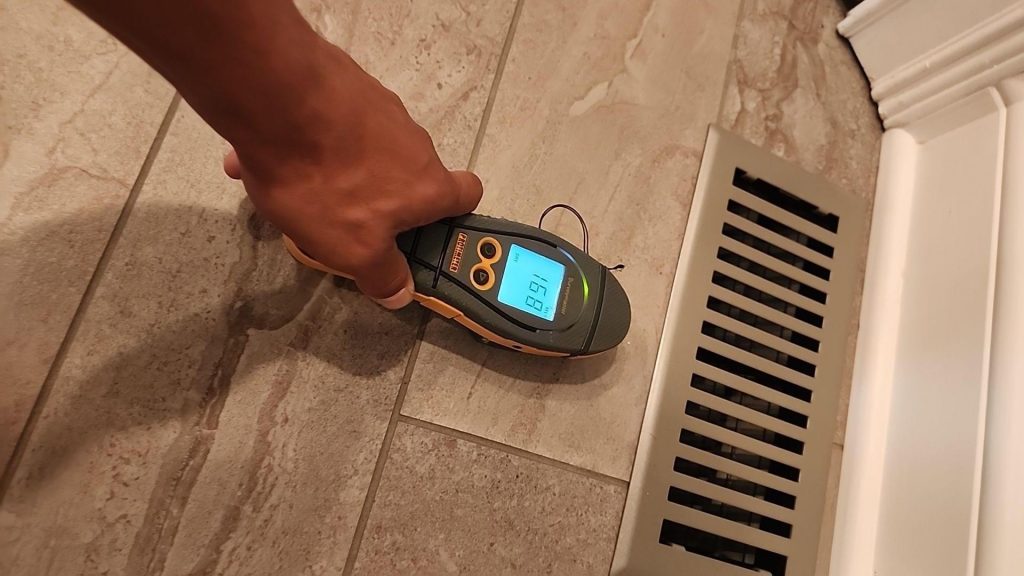
Professional mold testing typically includes air sampling to measure concentrations of airborne mold spores in various rooms compared to outdoor levels. Surface sampling takes samples directly from suspected mold growth for laboratory identification of species present. Bulk sampling collects pieces of affected materials for laboratory analysis. Environmental assessment evaluates moisture levels, humidity, and conditions supporting mold growth.
Testing costs in the Columbus area typically range from $300 to $800 depending on the number of samples taken and the extent of inspection needed. While this represents an upfront expense, it provides valuable information. Test results identify specific mold species, helping predict health risks and guide treatment. Results show concentration levels, distinguishing normal background mold from problematic contamination. Documentation supports insurance claims or real estate negotiations. Results guide remediation efforts by identifying all affected areas, not just visible growth.
Medical Treatment Options for Columbus Residents with Mold-Related Skin Conditions
While eliminating mold from your home is essential, you also need appropriate medical care for skin symptoms. Columbus offers numerous healthcare options for treating mold-related dermatological conditions.
For acute contact dermatitis from touching moldy surfaces, over-the-counter hydrocortisone cream applied two to three times daily reduces inflammation and itching. Oral antihistamines like cetirizine or loratadine help control allergic responses. Cool compresses provide immediate relief for inflamed areas. If over-the-counter treatments don’t help within a few days, see a healthcare provider for prescription-strength topical corticosteroids.
For eczema triggered or worsened by mold exposure, treatment focuses on reducing inflammation and repairing skin barrier function. Prescription topical corticosteroids in appropriate strengths for affected body areas control flare-ups. Topical calcineurin inhibitors like tacrolimus or pimecrolimus reduce inflammation without steroid side effects, particularly useful for sensitive areas like the face. Moisturizers applied frequently, especially immediately after bathing, help repair barrier function. Oral antihistamines control itching. For severe cases not responding to topical treatments, systemic medications may be necessary.
Psoriasis management becomes easier once mold exposure is eliminated, but active symptoms need treatment. Topical treatments including corticosteroids, vitamin D analogs like calcipotriene, and retinoids slow skin cell production. Coal tar preparations reduce scaling and inflammation. Salicylic acid helps remove scales. Phototherapy uses controlled ultraviolet light exposure to reduce inflammation and slow skin cell turnover. Systemic medications including biologics may be necessary for severe or widespread psoriasis.
Columbus residents have access to excellent medical care through several health systems. OhioHealth operates multiple hospitals and dermatology clinics throughout the area. The Ohio State University Wexner Medical Center includes a comprehensive dermatology department with subspecialists in eczema, psoriasis, and contact dermatitis. Nationwide Children’s Hospital provides specialized pediatric dermatology care for children with mold-related skin problems. Mount Carmel Health System serves many Columbus neighborhoods with dermatology services.
When seeing a healthcare provider about possible mold-related skin problems, bring photos of any mold you’ve found in your home. List all the areas where you’ve discovered or suspect mold growth. Document when your symptoms started and whether they improve when you’re away from home. Mention if other family members have similar symptoms. This information helps your provider make the connection between your environment and your skin condition.
Insurance Coverage for Mold Remediation in Columbus
Understanding insurance coverage for mold remediation helps Columbus homeowners plan for addressing problems. Coverage varies significantly based on your specific policy and the circumstances that caused the mold.
Most standard homeowner’s insurance policies in Ohio cover mold remediation if the mold resulted from a covered peril. Covered perils typically include sudden and accidental water damage such as burst pipes, water heater failures, or appliance malfunctions. Storm damage that allows water intrusion may be covered. Firefighting efforts that introduce water are usually covered events.
However, policies typically exclude mold that results from maintenance issues or neglect. Examples include slow leaks that were not promptly repaired, poor maintenance of roofs or plumbing, long-term high humidity without remediation attempts, flooding from external water sources unless you have separate flood insurance, and groundwater seepage through foundations.
Many policies have specific mold coverage limits, often between $5,000 and $10,000. If your remediation costs exceed these limits, you’ll pay the difference out of pocket. Some insurers offer mold endorsements that increase coverage limits for additional premium cost.
To maximize your insurance coverage, take these steps. Document the initial water damage immediately with photos and written descriptions. Take prompt action to mitigate damage by stopping water sources, removing standing water, and beginning drying within 24 to 48 hours. Keep receipts for all expenses related to water extraction and drying. Notify your insurance company promptly about water damage, even if you’re not sure you’ll file a claim. Follow their guidance about drying and remediation. Get multiple remediation estimates from licensed professionals. Never begin extensive remediation before your insurer has inspected and approved the scope of work.
If your claim is denied, understand your appeal rights. Request written explanation of why the claim was denied. Review your policy carefully to determine if the denial is justified. Consider hiring a public adjuster who works for you, not the insurance company, to reassess your claim. Some denials result from misunderstanding of circumstances and can be successfully appealed.
Choosing a Mold Remediation Company in Columbus
Columbus has many companies offering mold remediation services, but quality and expertise vary significantly. Choosing the right company protects both your health and your investment.
Look for proper certifications and training. Reputable companies employ technicians certified by organizations like the Institute of Inspection, Cleaning and Restoration Certification or the National Organization of Remediators and Mold Inspectors. These certifications indicate training in proper remediation protocols. The company should have appropriate licenses for operating in Ohio and Franklin County. Verify this through local licensing authorities.
Experience with Columbus-area homes matters because remediation approaches differ for historic brick homes versus modern construction, homes with basements versus slab foundations, and situations involving different types of mold common to Central Ohio. Ask how long the company has operated in Columbus and request references from past clients in neighborhoods similar to yours.
Insurance and bonding protect you from liability. The company should carry general liability insurance covering property damage during remediation. Workers’ compensation insurance protects you if a worker is injured on your property. Bonding provides recourse if the company fails to complete work or causes damage.
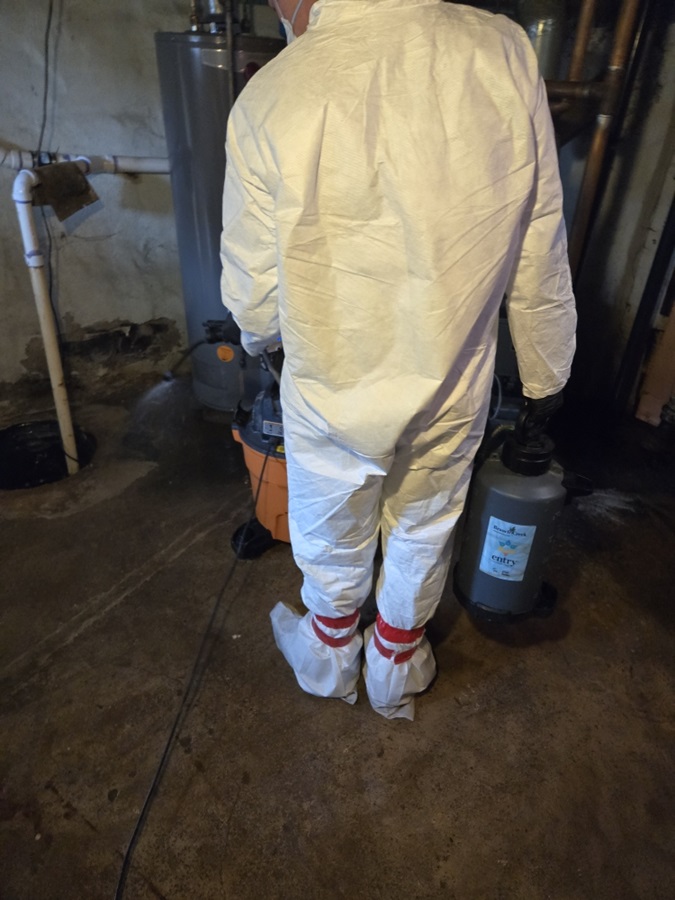
Proper equipment and procedures distinguish professional operations from inadequate attempts. Reputable companies use HEPA vacuums and air scrubbers that capture mold spores. They establish containment barriers to prevent spore spread during removal. They have industrial dehumidifiers and air movers for thorough drying. They follow established protocols from organizations like the Environmental Protection Agency or the Institute of Inspection, Cleaning and Restoration Certification. They provide detailed written scope of work before beginning. They include post-remediation testing to verify successful removal.
Warning signs of companies to avoid include reluctance to provide references or proof of certification, pressure tactics urging immediate action without proper assessment, significantly lower prices than other estimates often indicating inadequate procedures, claims they can simply spray or fog away mold rather than removing contaminated materials, and reluctance to provide written contracts detailing all work to be performed.
Get multiple estimates from different companies. Prices should be somewhat comparable for similar scope of work. Very low bids may indicate the company will cut corners. Very high bids should be justified by more thorough approaches or additional services.
Preventing Mold Regrowth After Remediation
Successful remediation removes existing mold, but preventing regrowth requires ongoing attention to moisture control and maintenance. Many Columbus homeowners experience mold return because they don’t address the underlying conditions that allowed it to grow initially.
The moisture source must be permanently fixed, not just temporarily stopped. If mold resulted from a plumbing leak, ensure the repair is complete and won’t fail again. If it came from foundation water intrusion, proper exterior grading and drainage systems must be installed. If basement moisture is the issue, adequate dehumidification must become part of your routine home maintenance. If it resulted from condensation, improve insulation and ventilation to prevent recurring conditions.
Maintain appropriate humidity levels throughout your home year-round. In Columbus, this typically means running dehumidifiers in basements during spring, summer, and early fall. Monitor humidity with hygrometers placed throughout your home. Keep humidity between 30% and 50%. Address areas that consistently exceed this range.
Improve ventilation in problem areas. Bathrooms need exhaust fans that vent to the exterior and should run during and for 30 minutes after showers. Kitchens need range hoods venting to the exterior. Laundry areas need proper dryer venting. Consider whole-house ventilation systems like energy recovery ventilators if your home is very tightly sealed.
Regular maintenance prevents small problems from becoming major mold issues. Inspect your roof annually and after major storms for damage. Clean gutters and downspouts twice yearly to ensure proper water diversion away from your foundation. Check plumbing under sinks, around toilets, and near water heaters every few months for signs of leaks. Inspect basement walls, floors, and items stored on or near concrete regularly for moisture or mold. Service your HVAC system annually, including cleaning drain pans and checking ductwork. Change HVAC filters regularly according to manufacturer recommendations.
Consider mold-resistant materials when renovating or repairing areas that had mold problems. Mold-resistant drywall in bathrooms, basements, and other moisture-prone areas makes regrowth less likely. Mold-inhibiting paints add another layer of protection. Hard surface flooring instead of carpeting in basements prevents mold growing in carpet fibers and padding.
Special Considerations for Columbus Renters with Mold Problems
Renters in Columbus face unique challenges when dealing with mold affecting their health. Understanding your rights and responsibilities helps you get problems addressed.
Ohio law requires landlords to maintain rental properties in habitable condition. This includes addressing mold problems that affect health or safety. However, the law doesn’t specify exact timelines or procedures, so approaches vary.
If you discover mold in your rental unit, document everything immediately. Take photos showing the extent of mold growth. Document any musty odors. Note which rooms are affected. If you or your family members have health symptoms, document these as well. Keep copies of medical records relating to mold-related conditions.
Notify your landlord in writing promptly. Describe the mold problem in detail. Include photos. Explain any health effects you or your family are experiencing. Send the notification by certified mail so you have proof of delivery. Keep a copy for your records. Ohio law doesn’t specify exact time frames, but 30 days is generally considered a reasonable period for landlords to address problems.
If your landlord doesn’t respond or refuses to address the problem, you have several options. Contact your local health department to report unsanitary conditions. In Columbus, the Columbus Public Health Department investigates housing complaints and can order landlords to address serious problems. Document all communication with your landlord and health department.
You may be able to withhold rent if the property is uninhabitable due to mold, but this requires following proper legal procedures. You typically must place rent in an escrow account rather than simply not paying. You should consult with an attorney before withholding rent to ensure you follow correct procedures.
In severe cases where the landlord refuses to address serious mold problems, you may be able to break your lease without penalty due to breach of habitability. Again, consult with an attorney before taking this step. Ohio offers free legal services to low-income residents through Legal Aid. The Legal Aid Society of Columbus serves Franklin County residents who qualify.
You cannot be retaliated against for reporting mold problems or requesting repairs. Ohio law prohibits landlords from evicting, harassing, or penalizing tenants who report code violations or request necessary repairs. If you believe you’re experiencing retaliation, document everything and consult with an attorney.
The Connection Between Mold and Other Allergic Conditions
Mold exposure often occurs alongside other allergen exposures, and understanding these connections helps you address your overall allergic burden. Columbus residents frequently deal with multiple environmental triggers simultaneously.
The unified airway concept recognizes that allergic conditions in different parts of your body are interconnected. Mold exposure doesn’t just affect the specific area that contacts it. When you inhale mold spores, you may develop respiratory symptoms. These respiratory symptoms can worsen or trigger skin conditions through immune system activation.
Many people with mold-triggered skin problems also experience asthma or respiratory symptoms. The same immune response causing your skin to react is affecting your airways. This is why addressing mold exposure often improves both respiratory and skin symptoms simultaneously.
Mold allergies frequently occur alongside other environmental allergies. If you’re allergic to mold, you’re more likely to also react to pollen, dust mites, or pet dander. This phenomenon, called polysensitization, means your immune system has become generally hyperreactive to environmental triggers. Mold may be one of several contributing factors to your skin problems.
Oral allergy syndrome sometimes accompanies mold allergies. People allergic to certain molds may experience itching or tingling in the mouth, lips, or throat when eating specific foods. This happens because proteins in the foods are similar to proteins in the mold. Understanding these cross-reactions helps you identify all contributors to your symptoms.
Comprehensive allergy testing by an allergist can identify all your sensitivities, not just mold. This information helps you prioritize which environmental changes will have the biggest impact on your health. Many Columbus-area allergists offer comprehensive testing and can develop treatment plans addressing multiple allergens simultaneously.
Resources for Columbus Residents Dealing with Mold
Several organizations and agencies serve Columbus residents dealing with mold problems or related health issues. Taking advantage of these resources can provide guidance, support, and assistance.
Columbus Public Health provides information about environmental health hazards including mold and can investigate housing complaints. They offer guidance on mold prevention and can order property owners to address serious problems affecting public health. Contact them at 614-645-6898 or visit their offices at 240 Parsons Avenue.
The Franklin County Board of Health serves areas of Franklin County outside Columbus city limits. They provide similar environmental health services and investigation of housing complaints. Reach them at 614-525-3160.
Ohio State University Extension offers educational resources about mold prevention and moisture control in homes. Their website includes fact sheets and guides specific to Ohio conditions. They occasionally offer workshops on home maintenance and environmental health.
Legal Aid Society of Columbus provides free legal services to low-income Franklin County residents dealing with landlord-tenant issues including mold problems. Call 614-241-2001 to see if you qualify for assistance.
The American Lung Association in Ohio offers information about mold’s effects on respiratory health and resources for managing asthma and allergies. While primarily focused on lung health, they recognize the connection between mold exposure and overall health.
Support groups and online communities connect you with others who have dealt with mold-related health problems. Facebook groups for Columbus homeowners often include discussions about mold issues in local homes. National mold awareness organizations provide information and support, though you should verify information with local professionals as conditions vary by region.
Frequently Asked Questions
Does homeowner’s insurance cover mold remediation in Columbus?
Coverage depends on what caused the mold. Most standard homeowner’s policies in Ohio cover mold remediation if it resulted from a sudden, accidental covered peril like a burst pipe or storm damage. However, mold from maintenance neglect, slow leaks, or high humidity is typically excluded. Many policies have coverage limits between $5,000 and $10,000 for mold remediation. You can often purchase additional mold coverage through policy endorsements. Always document water damage immediately and notify your insurer promptly to maximize coverage chances.
How long after mold removal will my skin improve?
Improvement timelines vary based on the type of reaction and severity. Acute contact dermatitis from touching mold typically improves within a few days to a week after mold removal and exposure ends. Eczema flare-ups usually improve over two to four weeks as inflammation subsides and skin barrier function repairs. Psoriasis triggered by mold may take four to eight weeks to resolve after the mold is removed. Some people with severe reactions or long-term exposure may require several months for complete healing. Continuing prescribed skin treatments during this period accelerates recovery.
Can I clean mold myself or do I need professional remediation?
This depends on the extent of contamination. Small areas of surface mold on non-porous materials like tile or glass, covering less than about ten square feet, can often be cleaned carefully by homeowners using proper protective equipment. However, professional remediation is necessary for mold covering more than ten square feet, mold on porous materials like drywall or carpeting which cannot be adequately cleaned, mold in HVAC systems or hidden areas, contamination from sewage or grossly contaminated water, or situations where household members have respiratory conditions or compromised immunity. Professionals have specialized equipment and training to address mold safely and completely.
Are certain Columbus neighborhoods more prone to mold problems?
Older neighborhoods with historic housing stock such as German Village, Victorian Village, and Clintonville often have more mold issues due to older foundations, plumbing, and building materials. Areas near the Scioto or Olentangy Rivers have higher flooding risks that can lead to mold. Neighborhoods with high water tables or poor drainage experience more basement moisture and mold. However, mold can occur in any Columbus neighborhood regardless of age or location if moisture control is inadequate. Modern homes can have mold problems from construction defects, poor maintenance, or high humidity.
Does cold Ohio winter weather kill mold in homes?
No, winter temperatures inside homes remain warm enough to support continued mold growth. While freezing outdoor temperatures slow outdoor mold activity, indoor mold continues growing year-round wherever moisture and suitable temperatures exist. Basements, bathrooms, and other humid areas maintain temperatures well above freezing. In fact, winter can worsen indoor mold problems because homes are tightly sealed with poor ventilation, bathroom and kitchen moisture has less opportunity to escape, and condensation increases on windows and cold walls. Winter is not a solution to mold problems. Year-round moisture control is necessary.
Can pets bring mold spores into my home and affect my skin?
Yes, pets can carry mold spores into your home on their fur, paws, and belongings. Dogs that go outside during wet weather or dig in soil can bring in significant amounts of mold spores. Outdoor cats similarly transport spores indoors. Pet bedding stored in basements or garages may have mold growth that affects both pets and people. Pets can also develop their own skin reactions to household mold. Regular pet grooming, paw cleaning after outdoor time, frequent washing of pet bedding in hot water, and keeping pets out of moldy areas helps minimize this transfer.
Conclusion
For Columbus homeowners, the connection between mold exposure and skin conditions including rashes, eczema, and psoriasis is clear and significant. Ohio’s variable climate creates ongoing challenges for moisture control and mold prevention. Historic housing stock in many Columbus neighborhoods harbors hidden mold in foundations, walls, and crawl spaces. Modern homes aren’t immune, facing mold risks from construction defects, poor ventilation, and inadequate maintenance.
If you’re experiencing unexplained or worsening skin problems, investigating possible mold exposure in your home is a critical step toward recovery. The patterns are often subtle but recognizable. Symptoms that worsen at home and improve away from home. Multiple family members affected simultaneously. Problems that don’t respond well to typical treatments. Correlation with humid seasons or specific rooms in your home.
Taking action requires both addressing the mold and treating your skin symptoms. Professional mold remediation eliminates the source of exposure. Medical treatment heals your skin and calms your overactive immune response. Ongoing moisture control prevents mold from returning. Together, these approaches offer relief and restore your home to a healthy environment.
Don’t wait for mold problems to worsen or for skin conditions to become severe. Early intervention is easier, less expensive, and more effective than addressing advanced problems. Your skin is trying to tell you something important. Listen to these warning signs and take action to protect your family’s health.
If you suspect mold is affecting your health or have identified mold in your Columbus home, professional assistance is available immediately. PuroClean Home Savers provides comprehensive mold inspection, testing, and remediation services specifically for Central Ohio homeowners. Their certified technicians understand the unique challenges Columbus homes face and use proven protocols to eliminate mold safely and completely.
Call PuroClean Home Savers at (614) 689-0012 for immediate assistance. Don’t let mold continue affecting your family’s skin health and quality of life. Professional remediation combined with appropriate medical care offers the complete solution you need. Your family deserves a healthy home free from mold. Make that call today.

 PuroClean Home Savers