Reviewed by: This article was reviewed for technical accuracy by PuroClean Home Savers’ IICRC-certified restoration team.
Key Takeaways for Homeowners
- Fire and smoke damage restoration follows the IICRC S700 Standard for Fire and Smoke Damage Restoration, which governs how a home is assessed and cleaned after a fire.
- Fire department clearance to re-enter your home addresses immediate life-safety hazards, not whether the home is safe to live in day to day.
- Smoke and soot spread through HVAC systems, wall cavities, and floor structures well beyond the room where the fire started.
- Pre-1960s homes in German Village, Victorian Village, and Italian Village often have construction details that let smoke travel further than newer Dublin-area homes.
- Firefighting water adds a second restoration challenge, and in neighborhoods with combined sewer systems, drainage stress can slow how quickly water clears.
- Ohio homeowners insurance generally covers professional fire restoration, but photographing damage before cleanup begins protects your claim.
If fire has damaged your Columbus home, don’t guess whether it’s safe. Call PuroClean Home Savers at (614) 689-0012 for a 24/7 emergency assessment.
What Standard Governs Fire Damage Restoration?
Professional fire and smoke damage restoration follows the IICRC S700 Standard for Fire and Smoke Damage Restoration, published by the Institute of Inspection, Cleaning and Restoration Certification. This standard establishes how technicians categorize smoke residue, evaluate hidden damage, and confirm a home has been genuinely restored rather than just visually cleaned.
This matters for Columbus homeowners because fire damage is rarely limited to the room it started in. Heat and pressure push smoke through ductwork, wall cavities, and attic spaces, and many pre-1960s homes in neighborhoods like German Village, Victorian Village, and Italian Village have balloon-frame construction that can let fire and smoke travel vertically between floors with little visible warning. Local fire departments handle emergency response and cause investigation, but restoration to a safe, livable condition is a distinct process guided by S700.
Takeaway: Before deciding whether to stay, get an assessment grounded in the IICRC S700 standard rather than a quick look at the burned room alone.
1. Structural and Utility Safety Comes Before Anything Else
Fire department clearance means the immediate hazard is extinguished, not that the structure is fully safe. Heat can weaken framing, electrical systems can be compromised, and gas lines can develop leaks that aren’t obvious during a walkthrough.
Before spending extended time inside, have a qualified professional check:
- Roof trusses, floor joists, and load-bearing walls for heat-related weakening
- Electrical panels and wiring for scorching or melted insulation
- Gas lines and appliances for damage or leaks
- HVAC ductwork for soot contamination
Restoration technicians follow OSHA’s 29 CFR 1910 general industry guidance when entering fire-damaged structures, treating hazard assessment as the first step, not an afterthought.
Takeaway: Use your first visit home to check on the property briefly, not to resume normal routines.
2. Persistent Smoke Odor Means the Home Isn’t Finished
If you can still smell smoke, restoration isn’t complete. Smoke odor comes from acidic soot particles embedded in porous materials like drywall, carpet, upholstery, and wood trim, and those particles continue degrading surfaces and irritating airways as long as they remain.
Technicians confirm a home is truly deodorized, not just masked, using air scrubbers with HEPA filtration during cleanup and thermal fogging or hydroxyl treatments to break down odor at the molecular level. Moisture mapping and visual inspection also help locate soot that has migrated into wall cavities or above dropped ceilings.
Takeaway: Lingering smoke smell is a sign soot removal is incomplete, not something to simply air out.
3. Know the Type of Smoke Residue Involved
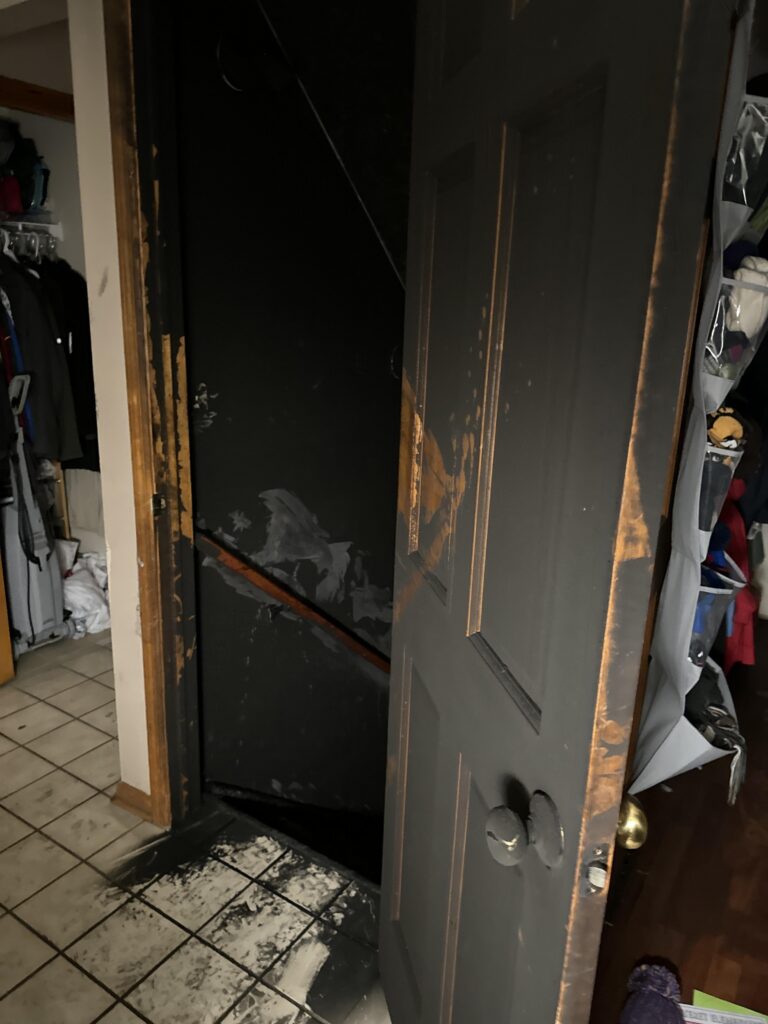
The material that burned and the fire’s temperature determine the residue type, which drives the entire cleaning approach. Dry smoke residue, from fast, high-heat fires involving wood or paper, produces powdery soot that’s comparatively easier to remove from hard surfaces. Wet smoke residue, from slower, lower-heat fires involving plastics or synthetics, leaves a sticky film with strong odor that penetrates porous surfaces and often needs antimicrobial biocide treatment to prevent bacterial growth. Protein residue, common with kitchen fires, is often nearly invisible but carries an intense odor and can discolor finishes throughout a home.
Takeaway: The residue type determines whether dry sponging, wet cleaning, or specialized solvents are needed, so don’t assume a household cleaner will resolve soot damage.
4. Hidden Fire Spread Is Common in Older Columbus Homes
In neighborhoods like German Village and Victorian Village, original construction details can allow fire and heat to travel through wall cavities well beyond the visible burn area. Technicians use thermal imaging to detect residual heat pockets and hidden charring invisible to the eye.
Warning signs include warm spots on walls or ceilings away from the fire’s origin, bubbling or discolored paint in adjacent rooms, and a persistent smoke smell in spaces that look untouched.
Takeaway: A warm wall two rooms from the fire is a sign the damage may extend further than it appears on the surface.
5. Smoke and Soot Exposure Carries Real Health Risk
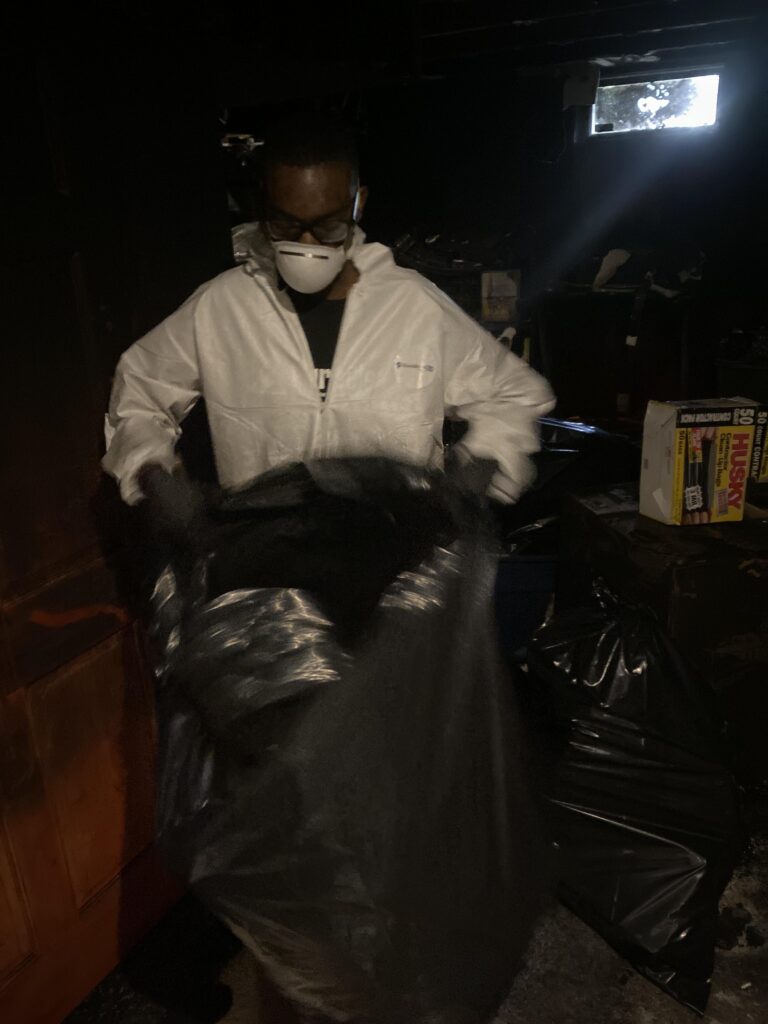
Soot particles are small enough to reach deep into lung tissue, and children, older adults, and anyone with asthma or respiratory conditions face elevated risk from continued exposure. If you must enter before professional cleanup, limit time inside, wear an N95 or better respirator, avoid disturbing soot-covered surfaces, and don’t run the HVAC system.
Takeaway: Short, protected visits are appropriate before cleanup; extended unprotected time inside is not.
6. Have HVAC Ductwork Inspected Before Running the System Again

Once smoke enters return air ducts, the HVAC system can distribute fine soot particles into rooms untouched by the fire every time it cycles. This affects homes throughout Columbus, from older Clintonville and Bexley properties with central systems to newer Dublin-area construction.
A technician should inspect and clean ductwork and replace filters before the system runs again. Running a contaminated system can undo cleaning already completed in living spaces.
Takeaway: Leave the furnace and air conditioner off until ductwork has been checked for soot contamination.
7. Firefighting Water Creates a Second Restoration Track
Firefighting almost always introduces significant water into a home, layering a drying challenge on top of the fire damage. This is a particular concern in neighborhoods like Franklinton, the Bottoms, and Olde Towne East, where older combined sewer infrastructure can add drainage stress during a heavy firefighting response, and in German Village and Old North, where pre-1970s combined sewer lines can back up under sustained water use.
Saturated drywall, insulation, and subflooring can develop mold within 24 to 48 hours without proper drying, and standing water combined with wet smoke residue raises the risk of subfloor delamination. Restoration crews use LGR dehumidification equipment along with hygrometer readings and psychrometric calculations to confirm materials have reached a genuinely safe moisture level, not just a dry appearance.
Takeaway: If firefighters used water to control the blaze, plan for a drying and moisture-monitoring phase separate from soot cleanup.
8. Belongings Need Separate Evaluation From the Structure
Furniture, electronics, clothing, and documents each need different treatment than the structure, and many items that look ruined are actually restorable. Textiles often respond well to ozone or thermal fogging treatment combined with laundering. Electronics should be evaluated by a professional before being powered on, since corrosive soot residue can damage internal components over time. Photos and documents require careful, sometimes specialized handling, especially if they were also exposed to firefighting water.
Takeaway: Have a professional assess smoke-damaged belongings before assuming they’re a total loss.
9. Document Everything Before Cleanup Begins
Photograph and video every room, including spaces with smoke or odor damage but no visible char, and keep an inventory of damaged belongings with approximate value and purchase date where possible. This protects your insurance claim and speeds up the adjuster’s review.
A restoration company that offers direct insurance billing removes a significant amount of stress from an already difficult situation. PuroClean Home Savers coordinates directly with insurance carriers throughout Columbus and Franklin County.
If you notice a strong smoke odor that doesn’t fade after airing out the home, or warm spots on walls away from the fire’s origin, stop and call a professional before spending another night inside.
Takeaway: Photograph the damage before anything is cleaned, moved, or discarded.
10. Get a Professional Opinion Before Deciding the Home Is Livable
Whether your home is safe to occupy depends on smoke penetration, structural integrity, and air quality, not on how things look from the front door. A professional evaluation using moisture mapping, thermal imaging, and air quality assessment replaces guesswork with an objective answer.
PuroClean Home Savers provides 24/7 emergency dispatch and IICRC-certified technicians who can respond quickly across Columbus and Franklin County, from Clintonville and Bexley to Grandview and Dublin, which matters because a faster assessment means a faster, more accurate answer about your home’s safety.
Takeaway: When you’re unsure whether your home is safe to return to, a professional assessment is faster and more reliable than waiting to see how it feels inside.
Frequently Asked Questions
How soon after a house fire can we move back into our Columbus home?
It depends on smoke spread, structural damage, and whether firefighting water was used, not simply how many days have passed. A contained fire with minimal smoke may allow return within days after professional cleanup, while larger fires with HVAC contamination or water damage often require several weeks.
Does homeowners insurance in Ohio cover fire damage restoration?
Most standard Ohio homeowners policies cover fire damage, including smoke and soot cleanup, structural repairs, and sometimes temporary housing during restoration. Coverage details vary by carrier and policy, so review your documents and confirm with your adjuster, and consider a restoration company offering direct insurance billing.
How much does fire damage restoration typically cost in Columbus?
Cost depends on the size of the fire, how far smoke traveled through the home, and whether firefighting water caused additional damage. A single contained room fire costs considerably less to restore than a fire with whole-house smoke penetration and water intrusion. A professional walkthrough provides an accurate estimate for your specific home.
How long does the full restoration process usually take?
Smaller fires with limited, contained smoke damage may be resolved in under a week. Larger fires involving multiple rooms, HVAC contamination, or combined fire and water damage commonly take two to four weeks or more, especially when structural drying and odor treatment are both needed.
Is it safe to clean soot myself before professionals arrive?
Light, isolated soot on hard, non-porous surfaces can sometimes be wiped by a homeowner wearing proper protective equipment. Soot on porous materials, HVAC contamination, or lingering odor after cleaning are all signs the job needs professional-grade equipment and antimicrobial treatment.
What are the health risks of staying in a home with unresolved smoke odor?
Persistent smoke odor means acidic soot particles remain in the air and on surfaces. These particles can irritate airways, trigger asthma symptoms, and cause headaches or eye irritation with continued exposure, and the risk is highest for children, older adults, and anyone with existing respiratory conditions.
PuroClean Home Savers Is Ready to Help
If fire has damaged your home in Columbus or anywhere in Franklin County, don’t guess whether it’s safe to stay. PuroClean Home Savers offers 24/7 emergency dispatch, IICRC-certified technicians, and direct insurance billing to guide you through restoration.
PuroClean Home Savers (614) 689-0012