 PuroClean Home Savers
 Executive Summary
Columbus homeowners face unique basement water challenges due to clay-heavy soil, aging infrastructure, and severe weather patterns. Professional water damage cleanup prevents mold growth, structural deterioration, and health risks while restoring basements to safe, usable condition. This guide covers immediate response protocols, professional restoration processes, moisture control solutions, and prevention strategies specific to Columbus properties. Most professional cleanups complete in 3-7 days with costs ranging from $2,500-$15,000 depending on severity and required repairs.
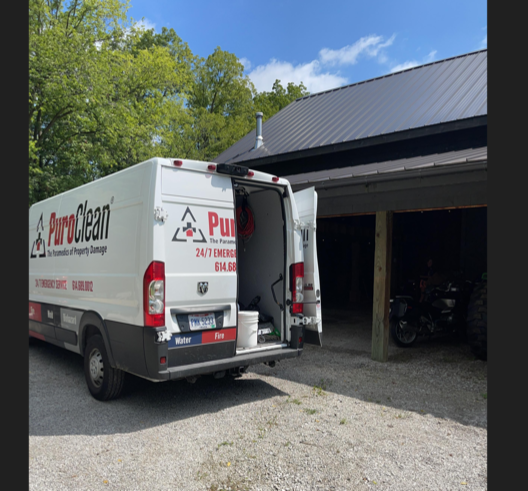
What Happened When the Anderson Family Woke to a Flooded Basement?
The Anderson family in Clintonville heard rushing water at 2am during an April thunderstorm. By the time David Anderson reached their basement, eight inches of water covered the floor. Their recently renovated entertainment space with new laminate flooring, sectional sofa, and home theater system sat submerged. The sump pump had failed during the power outage caused by the same storm flooding their basement.
David’s first instinct was to start carrying items upstairs, but he stopped when he considered the electrical outlets under water. He called PuroClean Home Savers at (614) 689-0012 instead. Within 90 minutes, a team arrived with industrial extraction equipment. What David learned that night changed how he thought about basement water damage forever.
The restoration crew explained that his quick decision to call professionals rather than attempting DIY cleanup prevented approximately $8,000 in additional damage. Hidden moisture in walls, subfloors, and insulation would have caused mold growth within 48 hours. The lesson was clear: time and expertise determine whether water damage becomes a manageable incident or a catastrophic loss.
Why Do Columbus Basements Flood More Than Other Areas?
Clay soil composition throughout Columbus creates poor drainage conditions. Unlike sandy or loamy soil that absorbs water quickly, clay becomes impermeable when saturated. Water pools on the surface and creates hydrostatic pressure against foundation walls, forcing moisture through any available crack or joint.
The Scioto and Olentangy rivers influence groundwater levels. Properties near these waterways or in floodplains experience higher water tables that rise during heavy rainfall. Even homes not in designated flood zones face increased seepage risk during wet seasons.
Aging sewer infrastructure in older Columbus neighborhoods contributes to basement flooding. The combined sewer system in areas like German Village, Victorian Village, and parts of the Short North can overwhelm during heavy storms, causing backups into basement drains and toilets.
Columbus receives approximately 40 inches of annual rainfall with intense summer thunderstorms. These weather patterns deposit 2-4 inches of rain in short periods, overwhelming drainage systems and saturating soil rapidly.
Foundation settling creates new cracks over time. Many Columbus homes were built in the 1950s-1980s when construction standards differed from modern codes. These aging foundations develop cracks that expand during freeze-thaw cycles common in Ohio winters.
What Should You Do in the First Hour After Discovering Water?
Safety assessment comes before everything. Never enter standing water if electrical outlets, appliances, or your electrical panel might be submerged. Turn off power at your main breaker if you can reach it without stepping in water. If you cannot safely disconnect power, wait for professionals.
Call a restoration company immediately. PuroClean Home Savers provides 24/7 emergency response in Columbus at (614) 689-0012. Water spreads through porous materials quickly, with drywall absorbing moisture vertically at approximately one inch per hour.
Document all damage with photos and videos before touching anything. Insurance claims require evidence of initial damage conditions. Photograph water levels, affected belongings, visible water sources, and any obvious structural damage.
Stop the water source if possible and safe. For broken pipes or appliance failures, shut off supply valves. For groundwater seepage during storms, stopping water entry isn’t immediately possible. Focus on damage limitation until professionals arrive.
Remove valuable items from water contact if you can do so safely. Lift furniture onto blocks, move electronics to higher ground, and relocate items from lower shelves. Avoid extensive cleanup attempts that delay professional response.
How Fast Does Mold Grow After Basement Flooding?
Mold spores activate within 24-48 hours in Columbus’s humid climate. Summer humidity levels often exceed 70%, creating ideal conditions for rapid mold colonization when moisture is present. Basements already prone to higher humidity accelerate this timeline.
Hidden mold poses greater health risks than visible growth. Mold behind drywall, under flooring, and within insulation releases spores into air while remaining invisible. Professional restoration includes detecting and addressing hidden moisture that homeowners miss during DIY cleanup attempts.
Certain mold species produce mycotoxins that cause respiratory issues, allergic reactions, and other health problems. Children, elderly household members, and anyone with asthma or compromised immune systems face elevated risks. Professional remediation eliminates both visible mold and hidden growth.
Columbus homes built before 1980 often have concrete block foundations that absorb and retain moisture. These porous materials hold water long after surface flooding recedes, creating ongoing mold risk without proper drying equipment.
What Equipment Do Professional Restoration Teams Use?
Industrial water extractors remove standing water at rates of 15-25 gallons per minute. These powerful units use truck-mounted pumps or portable extractors that create powerful suction, pulling water from carpets, concrete, and even between floorboards.
Commercial dehumidifiers process 150-200 pints of moisture daily compared to residential units handling 30-50 pints. These high-capacity machines reduce relative humidity to below 50%, preventing mold growth while accelerating material drying.
High-velocity air movers create targeted airflow patterns across wet surfaces. Professional teams position 10-15 air movers in typical basements, ensuring complete air circulation that reaches behind furniture, into closets, and under cabinets.
Moisture detection equipment measures water content without destructive testing. Pin-type and pinless meters track moisture levels in wood, drywall, concrete, and other materials. Professionals monitor readings daily, ensuring materials reach safe moisture levels before reconstruction begins.
Thermal imaging cameras identify hidden moisture behind walls and ceilings. These infrared devices detect temperature variations that indicate wet materials, helping teams locate all affected areas even when damage isn’t visible on surfaces.
HEPA air scrubbers remove mold spores, bacteria, and other contaminants from air during restoration. These devices filter air continuously, preventing cross-contamination to unaffected areas and protecting indoor air quality.
How Long Does Professional Basement Water Cleanup Take?
Emergency water extraction typically completes within 2-4 hours for standard basements (600-1,200 square feet). Teams remove standing water, extract moisture from saturated materials, and position drying equipment during this initial phase.
Structural drying requires 3-7 days depending on water type, affected materials, and damage extent. Clean water from supply line breaks dries faster than contaminated water from sewer backups or river flooding.
Category 1 water (clean supply lines) affecting concrete and minimal furnishings may complete drying in 3-4 days. Category 2 water (washing machine overflows, sump pump failures) typically needs 5-6 days. Category 3 water (sewage, flood water) requires 7+ days plus extensive sanitization.
Reconstruction timelines depend on required repairs. Replacing damaged drywall, insulation, and flooring adds 1-3 weeks after drying completes. Finished basements with extensive damage may require 4-8 weeks for complete restoration including painting, trim work, and flooring installation.
What Causes Most Basement Water Damage in Columbus?
Sump pump failures during power outages leave basements vulnerable at the worst possible time. Storms that cause flooding also frequently knock out electricity. Without battery backup systems, primary pumps cannot operate when needed most.
Foundation cracks allow water entry under hydrostatic pressure. Even hairline cracks expand over time, especially during freeze-thaw cycles. Water finds these weak points and forces through under pressure created by saturated soil.
Clogged or inadequate drainage systems fail during heavy rainfall. Gutters filled with debris, disconnected downspouts, or undersized drainage pipes cannot handle roof runoff. A 1,500 square foot roof sheds approximately 935 gallons during a one-inch rainstorm.
Sewer backups through floor drains and toilets contaminate basements with category 3 water requiring extensive sanitization. Older combined sewer systems in established Columbus neighborhoods overwhelm during storms, forcing sewage backward into homes.
Poor lot grading directs water toward foundations. Properties should slope away from homes at minimum six inches over ten feet. Settled soil, landscaping changes, or improper initial grading creates water flow toward basement walls.
Failed waterproofing allows seepage through foundation walls. Many older Columbus homes lack proper exterior waterproofing. Interior moisture barriers deteriorate over decades, allowing groundwater penetration during wet conditions.
Should You Attempt DIY Cleanup or Hire Professionals?
Small water incidents under one inch deep covering less than 50 square feet might be DIY manageable if addressed within the first few hours. Rent commercial-grade equipment from local suppliers, as household wet-dry vacuums lack sufficient power for effective water extraction.
Professional restoration becomes essential when water exceeds one inch, covers over 50 square feet, contains sewage or contaminants, has been standing more than 12 hours, affects finished living spaces, or you notice musty odors indicating hidden moisture.
Jennifer Martinez attempted DIY cleanup after her basement flooded during a summer storm in Upper Arlington. She extracted visible water and ran household fans for five days. Two months later, black mold covered walls behind her storage shelves. Professional moisture detection would have identified trapped water in wall cavities and subfloors that household equipment missed.
Insurance considerations matter significantly. Most policies require professional mitigation for claims exceeding $2,500. DIY attempts that fail to fully dry structures may result in denied claims for subsequent mold damage, costing thousands more than immediate professional restoration.
Hidden damage surprises most homeowners. Water travels through wall cavities, soaks insulation, and penetrates subfloors. Surface drying doesn’t indicate complete moisture removal. Professional equipment detects hidden moisture that causes long-term problems.
What Permanent Solutions Prevent Future Basement Flooding?
Interior drainage systems with sump pumps provide reliable protection. These systems include perforated drainage pipes installed along foundation footers, channeling water to collection basins. Properly sized pumps discharge water 10-20 feet from foundations. Complete systems cost $4,000-$8,000 in Columbus.
Battery backup sump pumps ensure operation during power outages. Primary AC pumps fail exactly when storms knock out electricity. Quality battery backups provide 6-10 hours of operation, sufficient for most Columbus storm events. These systems add $800-$1,500 to installation costs.
Exterior foundation waterproofing creates impermeable barriers against water intrusion. This comprehensive solution involves excavating around foundations, applying rubberized membranes, installing drain tile, and backfilling with gravel. Costs range from $10,000-$20,000 but provide superior protection for homes with chronic seepage.
Proper grading and drainage corrections prevent water accumulation near foundations. Regrading yards to slope away from houses, extending downspouts 8-10 feet from foundations, and installing French drains in low areas addresses water before it reaches basements. These solutions cost $2,000-$5,000 depending on property size and existing conditions.
Window well covers and drains protect vulnerable basement windows. Many Columbus flooding incidents start at below-grade windows that fill during heavy rain. Installing covers ($75-$200 per window) and ensuring proper drainage prevents this common entry point.
Backwater valves prevent sewer backups through floor drains. These one-way valves allow wastewater to exit but prevent reverse flow during sewer system overloads. Installation costs $1,000-$2,500 but protects against category 3 water contamination.
How Much Does Basement Water Damage Restoration Cost in Columbus?
Water extraction and initial emergency response ranges from $1,200-$3,500 for typical basements. This includes standing water removal, initial cleaning, antimicrobial treatment, and equipment setup for structural drying.
Structural drying with professional monitoring costs $2,000-$5,000 for most residential basements. This phase includes multiple days of dehumidification, air movement, daily moisture monitoring, and equipment adjustments until materials reach safe moisture levels.
Reconstruction expenses vary dramatically based on damage severity. Minor repairs like replacing carpet padding, baseboards, and repainting might cost $2,000-$4,000. Extensive work including drywall replacement, insulation, subflooring, finished flooring, and complete repainting runs $10,000-$25,000 for finished basements.
Insurance coverage depends on your specific policy and water source. Sudden accidental damage like burst pipes or appliance failures typically receives coverage. Gradual seepage, maintenance-related issues, or flood damage without separate flood insurance usually aren’t covered. Contact your insurance agent immediately after water damage occurs.
When Should You Call for Immediate Professional Help?
Emergency restoration services become critical for water depths exceeding one inch, contaminated water containing sewage or chemicals, ongoing water intrusion you cannot stop, damage to finished living spaces, or homes with known mold sensitivity among occupants.
Michael Roberts waited until Monday morning to call after discovering water in his Grandview Heights basement Friday evening. He thought weekend rates would be higher and the water wasn’t spreading. By Monday, mold odors permeated his first floor. His initial $4,000 estimate tripled to $12,000 with mold remediation required.
The 60-hour delay cost Michael an additional $8,000 and four weeks of disruption. Water damage restoration operates on exponential timelines where each hour of delay multiplies damage severity, expands affected areas, increases mold risk, and complicates insurance claims.
Professional companies like PuroClean Home Savers provide 24/7 emergency response specifically because timing determines restoration outcomes. Weekend and after-hours rates at reputable companies remain consistent with standard pricing because fast response saves money overall.
What Questions Should You Ask Restoration Companies?
Verify licensing, insurance, and certifications. Ohio requires restoration contractors to carry liability insurance and workers compensation. Look for IICRC (Institute of Inspection, Cleaning and Restoration Certification) credentials indicating industry-standard training.
Confirm true 24/7 emergency availability. Some companies advertise emergency services but route calls to answering services after hours. Ask whether crews dispatch immediately or wait until morning for non-peak hour calls.
Request detailed written estimates after on-site inspection. Professional companies provide itemized quotes covering extraction, drying, monitoring, antimicrobial treatment, and repairs. Avoid any company offering quotes over the phone without seeing actual damage.
Ask about equipment and methodology. Reputable companies explain their drying strategy, equipment placement reasoning, monitoring schedule, and expected completion timeline. This transparency helps you understand the process.
Inquire about insurance claim assistance. Experienced restoration companies work directly with insurance adjusters, provide detailed photo documentation, maintain clear records, and help navigate claims processes. This support saves homeowners significant stress.
How Can You Protect Stored Items in Basements?
Elevation prevents damage during minor flooding. Store belongings on metal shelving units, plastic pallets, or storage racks that keep items 12-18 inches above floors. This protection would have saved the Anderson family’s holiday decorations and sports equipment.
Waterproof storage containers protect vulnerable items. Heavy-duty plastic bins with gasket-sealed lids provide superior protection compared to cardboard boxes. For irreplaceable items like photos, documents, and memorabilia, consider climate-controlled storage units.
Regular maintenance inspections catch problems early. Monthly checks of sump pumps, foundation walls, floor drains, and water heaters identify issues before they cause flooding. Test sump pumps by pouring water into collection basins and verifying proper discharge.
Strategic basement layout limits potential losses. Keep expensive items, electronics, and irreplaceable belongings away from known problem areas like foundation walls prone to seepage or locations near water heaters and HVAC systems.
What Should Your Emergency Preparedness Plan Include?
Maintain an emergency contact list including PuroClean Home Savers at (614) 689-0012, your insurance agent, a licensed plumber, an electrician, and utility company numbers. Store this list in multiple locations including your phone and near your circuit breaker.
Document your basement’s normal condition with comprehensive photos and videos. Update this documentation whenever you make improvements or purchase new items. This evidence supports insurance claims and provides baseline comparisons.
Know your water shutoff valve locations and how to operate them. Main shutoff valves typically locate near water meters or where supply lines enter homes. Every household member should understand this location and operation procedure.
Create a basement emergency kit containing waterproof boots, heavy-duty flashlights, extension cords for equipment, battery-operated radio, emergency contact numbers, and basic tools. Store this kit in a waterproof container in an accessible location above potential flood levels.
Review insurance coverage annually. Verify your policy includes water damage coverage, understand deductibles and coverage limits, and consider adding flood insurance if you live in areas with flooding history or near waterways.
Frequently Asked Questions
How much does basement water damage cleanup cost in Columbus?
Professional cleanup costs range from $2,500-$5,000 for extraction and drying to $12,000-$25,000 including complete reconstruction. Insurance typically covers sudden incidents like pipe bursts but may exclude gradual seepage or flooding without separate flood insurance.
Can I clean up basement water damage myself?
Small incidents under one inch deep covering minimal area may be DIY manageable if addressed within hours. Professional help becomes essential for deeper water, contaminated water, finished basements, or when water has been standing over 12 hours.
How quickly does mold start growing after basement flooding?
Mold begins growing within 24-48 hours in Columbus’s humid climate. Professional drying prevents mold by quickly reducing moisture levels using industrial equipment that extracts hidden water DIY methods miss.
What causes basement flooding in Columbus?
Common causes include sump pump failures during power outages, foundation cracks allowing water entry under pressure, overwhelmed drainage systems during heavy rain, sewer backups in older neighborhoods, and poor yard grading directing water toward foundations.
Will my insurance cover basement water damage?
Most policies cover sudden accidental damage like burst pipes or appliance malfunctions. Gradual seepage, maintenance issues, or flood damage without separate flood insurance typically aren’t covered. Contact your agent immediately after discovering damage.
How can I prevent future basement flooding?
Install interior drainage with battery backup sump pumps, ensure proper yard grading away from your foundation, extend downspouts 8-10 feet from your house, maintain gutters and drains, seal foundation cracks, and consider exterior waterproofing for chronic issues.
What should I do immediately after finding water in my basement?
Ensure electrical safety by turning off power if possible without entering water, call PuroClean Home Savers at (614) 689-0012 immediately, document damage with photos, stop water source if feasible, and avoid extensive cleanup that delays professional response.
How do professionals determine when my basement is completely dry?
Professional moisture meters measure water content in materials throughout the drying process. Materials must reach specific moisture levels before reconstruction: typically below 15% for wood, 1% for concrete. Surface drying doesn’t indicate complete moisture removal.
Conclusion
Basement water damage in Columbus homes requires immediate professional attention to prevent escalating costs, structural damage, and health hazards from mold. The combination of Columbus’s clay soil, aging infrastructure, and severe weather patterns creates unique challenges that professional restoration addresses effectively.
If you experience basement flooding in Columbus or surrounding areas, call PuroClean Home Savers immediately at (614) 689-0012 for 24/7 emergency response. Their certified restoration technicians provide comprehensive water extraction, structural drying, and complete restoration services throughout the Columbus metropolitan area. Don’t let water damage escalate into a costly disaster. Professional help is available now to protect your home, your health, and your peace of mind.

 PuroClean Home Savers