 PuroClean Home Savers
 Executive Summary
Columbus homeowners face recurring bathroom ceiling mildew due to Ohio’s humid climate, inadequate ventilation systems, and hidden moisture sources. This comprehensive guide explains why surface cleaning provides only temporary relief and reveals root causes including exhaust fan failures, insulation deficiencies, and plumbing leaks. You’ll discover permanent solutions through ventilation upgrades, moisture barrier improvements, and maintenance strategies specific to Central Ohio conditions. Understanding the difference between symptoms and causes prevents the frustration of repeatedly addressing the same problem while protecting your home’s structural integrity and your family’s health.
Michael Chen thought he had solved his bathroom mildew problem. The home inspector who checked his German Village property before purchase mentioned minor mildew on the ceiling, but Michael cleaned it thoroughly with bleach before moving in. Three months later, the dark patches returned in the exact same spots. Another cleaning, another temporary fix. By the time winter arrived, Michael was cleaning his bathroom ceiling monthly, and the problem seemed to worsen despite his efforts.
Frustrated, he finally asked himself the question many Columbus homeowners eventually face: why does bathroom ceiling mildew keep coming back no matter how many times I clean it?
The answer lies not in cleaning techniques but in understanding the underlying moisture problems that create mildew-friendly conditions. Once these root causes are addressed, mildew stops returning.
Why Does Cleaning Alone Never Provide a Permanent Solution?
Think of bathroom mildew like weeds in a garden. You can pull visible weeds daily, but they return unless you address the conditions that help them thrive. Mildew works the same way. Surface cleaning removes visible growth but changes nothing about the moisture conditions that caused it.
Bathroom ceiling mildew returns because cleaning addresses the symptom rather than the disease. The real culprits hide in your ventilation system, ceiling assembly, plumbing, and home maintenance habits. Until these factors change, mildew will regenerate as reliably as Ohio weather shifts.
Understanding this distinction transforms how you approach the problem. Instead of asking how to clean mildew better, ask why moisture keeps accumulating on your ceiling in the first place.
What Creates the Perfect Environment for Bathroom Mildew?
Mildew requires three conditions to grow: moisture, organic material, and appropriate temperature. Bathrooms provide all three in abundance. Hot showers generate steam that rises and condenses on cooler ceiling surfaces, creating persistent moisture. Drywall compound, paint, and dust provide organic food sources. Room temperature bathrooms offer ideal growing conditions year-round.
In Columbus specifically, several factors intensify these conditions. Ohio’s humid summers often push indoor humidity above 60% even with air conditioning. The region experiences significant temperature fluctuations, especially during spring and fall, creating condensation as warm indoor air meets cooler surfaces. Many older Columbus homes, particularly in neighborhoods like Victorian Village, Clintonville, and Bexley, were built before modern ventilation codes and lack adequate bathroom air exchange.
Winter heating dries indoor air but creates new problems. Temperature differences between warm bathrooms and cold attic spaces above increase condensation potential. Bathroom exhaust fans venting into attic spaces rather than outdoors can deposit moisture directly into ceiling cavities.
Is Your Exhaust Fan Actually Working?
When Michael finally investigated his recurring mildew, he discovered his exhaust fan barely functioned. The motor ran, creating noise that suggested proper operation, but airflow measured less than 20 cubic feet per minute compared to the 50 CFM minimum recommended for his bathroom size.
Exhaust fan failure represents the most common reason for recurring bathroom mildew. Test yours using this simple method. Turn on the fan and hold a single sheet of toilet paper near the vent. A properly functioning fan should hold the paper against the vent with noticeable force. If the paper falls or barely clings, your fan lacks adequate power.
Several issues compromise exhaust fan effectiveness. Motors wear out over time, typically lasting 10 to 15 years with regular use. Dust accumulation clogs fan blades and reduces airflow. Exterior vent flaps stick closed due to lint buildup or freeze shut during winter. Ductwork becomes crushed, kinked, or disconnected, particularly in older installations. Backdraft dampers malfunction, allowing humid air to flow back into the bathroom.
Many homeowners discover their exhaust fan vents into the attic rather than outdoors. This outdated practice, once common in older construction, deposits moisture directly into the attic space. From there, moisture penetrates back down through the ceiling, creating impossible-to-solve mildew problems until the vent is properly extended outside.
How Long Should You Run Your Bathroom Exhaust Fan?
Even properly functioning fans fail to prevent mildew when not used long enough. Bathroom humidity remains elevated long after showers end. Steam that condenses on walls, ceilings, and fixtures continues evaporating for 20 to 30 minutes, maintaining high moisture levels.
Running your exhaust fan only during showers removes perhaps half the moisture generated. The remaining humidity has time to condense on ceiling surfaces and promote mildew growth. Install a timer switch that keeps fans running for 20 to 30 minutes after you leave the bathroom. This inexpensive upgrade makes proper ventilation effortless by removing the need to remember.
Alternatively, install humidity-sensing fans that automatically activate when moisture levels rise and shut off when the air dries. These smart solutions ensure adequate ventilation regardless of user habits. The upfront cost of 100 to 200 dollars pays dividends in prevented water damage and eliminated mildew problems.
What Role Does Ceiling Insulation Play in Mildew Growth?
Inadequate or improperly installed ceiling insulation creates conditions where mildew thrives despite proper ventilation. Here’s why insulation matters.
When warm, moist bathroom air meets a cold ceiling surface, condensation occurs. In winter, poorly insulated ceilings become cold because attic temperatures drop near freezing. Shower steam immediately condenses on these cold surfaces, creating water droplets that feed mildew growth. Even excellent exhaust fans cannot remove moisture once it has already condensed.
Proper ceiling insulation maintains surface temperatures above the dew point, preventing condensation. Building codes now require specific R-values for ceiling insulation, but older Columbus homes often fall short. More critically, insulation must be installed correctly with proper vapor barriers facing the warm side.
Michael’s investigation revealed his ceiling had original insulation from 1960 with no vapor barrier. Moisture from his bathroom migrated into the insulation where it condensed, then seeped back through the ceiling drywall. This explained why his mildew appeared in patches rather than uniformly across the ceiling.
Can Plumbing Leaks Cause Recurring Ceiling Mildew?
Absolutely, and these hidden leaks frustrate homeowners who clean religiously and maintain proper ventilation yet still battle mildew. Slow plumbing leaks above the ceiling introduce moisture completely independent of bathroom use patterns.
Common culprits include leaking shower pans in upstairs bathrooms that allow water to seep into the ceiling below, toilet wax ring failures that let water escape during flushes, sweating cold water pipes that drip condensation, supply line connections that develop pinhole leaks, and drain pipe connections that leak small amounts with each use.
These leaks often go undetected because they occur within wall or ceiling cavities. The first visible sign is often recurring mildew in specific locations corresponding to the leak source above. Unlike ventilation-related mildew that appears broadly across ceiling areas exposed to steam, leak-related mildew tends to concentrate in distinct spots or patterns.
If your mildew returns in the same location despite proper ventilation and cleaning, suspect a hidden plumbing leak. Professional inspection with moisture meters can detect elevated moisture levels within ceiling materials before visible damage occurs.
What About Roof Leaks Contributing to Bathroom Mildew?
Roof leaks present another hidden moisture source that makes mildew impossible to eliminate through ventilation improvements alone. Columbus weather, with its heavy spring rains and ice damming potential in winter, creates numerous opportunities for roof failures.
Bathrooms located on top floors or under attic spaces are particularly vulnerable. Water enters through damaged shingles, deteriorated flashing around vents or chimneys, or ice dams that force water under roofing materials. This water travels through attic spaces and eventually finds a path through the ceiling, often appearing first as mildew before obvious water stains develop.
Check your attic space above bathrooms after heavy rain. Look for water stains on roof decking, wet insulation, or signs of past moisture intrusion. Even old water stains indicate vulnerability to future leaks during severe weather events.
How Do Paint Choices Affect Mildew Recurrence?
Standard interior paint provides food for mildew while offering no protection against fungal growth. Using the wrong paint in bathrooms creates surfaces where mildew establishes easily and returns quickly even after cleaning.
Mildew-resistant paints contain antimicrobial additives that inhibit fungal growth. These specialized bathroom paints won’t prevent mildew if severe moisture problems exist, but they dramatically reduce mildew susceptibility under normal bathroom conditions. Quality mildew-resistant paints also tolerate repeated moisture exposure without breaking down, preventing the paint degradation that creates additional food sources for mildew.
Choose paint specifically labeled for bathroom use with mildew-resistant properties. Select semi-gloss or satin finishes rather than flat paint. Glossier finishes resist moisture penetration better and clean more easily. Apply two coats over properly primed surfaces to create a durable moisture barrier.
Never paint over existing mildew. Paint traps mildew beneath the surface where it continues growing and eventually breaks through. Always clean and eliminate all mildew, address moisture sources, allow complete drying, prime with a stain-blocking primer, and then apply mildew-resistant paint.
What Seasonal Factors Affect Columbus Bathroom Mildew?
Central Ohio’s distinct seasons each create unique mildew challenges. Understanding these patterns helps you adjust prevention strategies throughout the year.
Spring brings temperature fluctuations and increased humidity as snow melts and rain increases. Bathrooms swing between heated and unheated states as outdoor temperatures vary, creating condensation opportunities. Increase exhaust fan use during this transitional season.
Summer humidity in Columbus frequently reaches uncomfortable levels. Even with air conditioning, bathroom moisture becomes harder to control. Consider running a portable dehumidifier in bathrooms or nearby hallways during particularly humid periods. The Ohio River valley’s influence creates muggy conditions that persist for days, overwhelming marginal ventilation systems.
Fall presents conditions similar to spring with added complications from falling leaves that can clog exterior vent outlets. Inspect and clean vent terminations before winter arrives.
Winter creates the most severe condensation risks. Cold attic spaces and exterior walls combined with heated indoor air and hot showers generate maximum temperature differentials. Ice damming can block exterior vents or create roof leaks. Increase ventilation runtime despite cold outdoor temperatures. The energy cost of running exhaust fans longer is minor compared to the expense of mold remediation.
Why Do Some Bathrooms Develop Mildew While Others Stay Clean?
Michael noticed his master bathroom developed severe recurring mildew while his hall bathroom remained clean despite similar use patterns. This common observation puzzles many homeowners, but several factors explain the difference.
Room location within the home matters significantly. Bathrooms on exterior walls or top floors face greater temperature differentials that promote condensation. Interior bathrooms surrounded by conditioned space maintain more stable temperatures with reduced condensation risk.
Bathroom size relative to ventilation capacity affects moisture removal. Large bathrooms with undersized exhaust fans never achieve adequate air exchange. Small bathrooms with properly sized fans clear moisture quickly.
Usage patterns differ between bathrooms. Master bathrooms typically experience longer, hotter showers that generate more steam. Guest bathrooms with infrequent use may never accumulate enough moisture for mildew establishment.
Ceiling height influences moisture accumulation. Eight-foot ceilings trap steam in smaller volumes with higher humidity concentrations. Ten-foot or vaulted ceilings provide more air volume for moisture dispersion, though steam still rises to the highest points.
Window availability matters. Bathrooms with operable windows offer supplemental ventilation options. Windowless bathrooms depend entirely on mechanical ventilation, making fan performance critical.
What Long-Term Damage Does Recurring Mildew Indicate?
Repeatedly returning mildew serves as a warning sign of ongoing moisture exposure that damages building materials over time. While surface mildew itself causes primarily cosmetic concerns, the moisture conditions that support it threaten your home’s structural integrity.
Persistent ceiling moisture degrades drywall, eventually causing sagging, crumbling, or collapse in severe cases. Paint and joint compound break down, requiring more frequent repainting. Wood framing members in ceiling assemblies can rot when exposed to chronic moisture. Insulation becomes compressed and water-damaged, losing R-value and creating additional condensation risks. Mold may establish deep within ceiling cavities where it remains invisible until severe damage occurs.
These progressive damage patterns develop slowly, often taking years to reach crisis points. However, by the time visible severe damage appears, repair costs escalate dramatically. A 200 dollar exhaust fan upgrade could have prevented thousands in ceiling reconstruction expenses.
How Can You Create a Lasting Solution for Your Bathroom?
After learning about his exhaust fan inadequacy and missing vapor barrier, Michael made three key improvements. He replaced his old exhaust fan with a 110 CFM model that included a humidity sensor and timer. He had spray foam insulation with integrated vapor barrier installed in his ceiling cavity, properly air sealing the assembly. He applied mildew-resistant paint to his thoroughly cleaned and dried ceiling.
These changes cost approximately 800 dollars total but eliminated his recurring mildew problem completely. Two years later, his ceiling remains mildew-free with no special maintenance beyond running the automatic exhaust fan.
Your permanent solution requires a similar comprehensive approach addressing all contributing factors rather than single improvements. Start with these steps.
Evaluate your current exhaust fan’s actual airflow using professional testing or the tissue paper method. Replace undersized or failing fans with properly rated models. For standard bathrooms up to 100 square feet, install fans rated at least 50 CFM. Larger bathrooms need proportionally more powerful ventilation. Select Energy Star certified fans for quiet operation that encourages regular use.
Install fan controls that ensure adequate runtime. Timer switches or humidity-sensing activation remove the human error factor from ventilation. These controls pay for themselves quickly through prevented damage.
Inspect ceiling insulation and vapor barriers in attic spaces above bathrooms. Hire a qualified insulation contractor to assess and upgrade as needed. Proper installation matters as much as R-value. Ensure vapor barriers face the warm interior side and that insulation fully covers all ceiling areas without gaps.
Address any plumbing or roof leaks discovered during investigation. Even small leaks cause problems that ventilation cannot overcome. Professional leak detection and repair prevents ongoing moisture introduction.
Apply mildew-resistant primer and paint to cleaned, dried surfaces. Quality products cost slightly more but provide substantially better protection. Consider this step after completing all other improvements so your painting investment isn’t wasted on a surface that continues experiencing moisture problems.
When Should You Call Professionals Instead of DIY?
Some recurring mildew situations exceed homeowner capabilities and require professional assessment and remediation. Recognize these scenarios where expert help becomes necessary.
Contact professionals when mildew returns within days of thorough cleaning despite improved ventilation, you discover soft, damaged, or sagging ceiling drywall, you detect persistent musty odors even after eliminating visible growth, you find evidence of plumbing or roof leaks, mildew covers areas larger than 10 square feet, or anyone in your household experiences worsening respiratory symptoms.
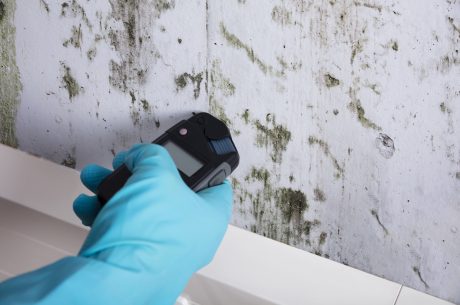
These conditions suggest deeper problems that require diagnostic tools, specialized knowledge, and proper remediation techniques. Professional restoration companies use moisture meters to detect hidden water, thermal imaging to identify insulation deficiencies and air leaks, air quality testing to assess spore levels, and proper containment procedures during extensive mold removal.
Attempting DIY remediation in these scenarios often worsens problems by spreading contamination or failing to address root causes, leading to more expensive repairs later.
What Questions Should You Ask About Your Recurring Mildew?
Before implementing solutions, gather information about your specific situation. Ask yourself these diagnostic questions.
Where exactly does mildew appear? Patterns reveal causes. Mildew along exterior walls suggests insulation problems. Growth near plumbing fixtures indicates possible leaks. Uniform distribution across the entire ceiling points toward ventilation inadequacy.
When did you first notice the problem? Recent onset after years without issues suggests something changed. Perhaps a bathroom fan failed, a roof developed a leak, or someone began taking longer, hotter showers.
Has the problem worsened over time? Progressive worsening indicates ongoing damage to building materials that makes conditions increasingly favorable for mildew growth.
How quickly does mildew return after cleaning? Reappearance within a week signals severe moisture problems. Return after several weeks suggests marginal conditions where minor improvements might solve the issue.
Do you notice water droplets on the ceiling during or after showers? Visible condensation indicates your ceiling surface temperature falls below the dew point, guaranteeing mildew problems regardless of how often you clean.
Does your bathroom feel humid or smell musty even when not in use? These signs indicate moisture accumulation that exceeds your ventilation capacity or suggests hidden moisture sources.
What Mistakes Do People Make When Addressing Recurring Mildew?
Common errors keep homeowners trapped in frustrating cycles of cleaning and recurrence. Avoid these pitfalls as you solve your mildew problem.
Many people upgrade ventilation but continue inadequate runtime habits. Even powerful fans fail if used only during showers. Others paint over mildew hoping to seal it in. This temporary cosmetic fix always fails as trapped mildew continues growing beneath the surface.
Some homeowners assume all black ceiling spots are mildew and never investigate for leaks or other moisture sources. Misdiagnosis leads to inappropriate solutions that waste money without solving problems.
Using harsh chemical cleaners damages ceiling surfaces while providing no better mildew removal than gentler options. Damaged, roughened surfaces actually provide better mildew attachment points, worsening future problems.
Implementing partial solutions frustrates homeowners who expect complete results. Installing a new exhaust fan without addressing insulation problems or fixing leaks leaves moisture sources in place. All contributing factors must be addressed for lasting success.
Delaying action allows minor problems to become major damage. Early intervention costs hundreds of dollars. Neglected mildew problems escalate into thousands of dollars in ceiling reconstruction and mold remediation.
What Investment Provides the Best Return for Stopping Recurring Mildew?

If you must prioritize improvements due to budget constraints, focus first on exhaust fan upgrades with automatic controls. This single improvement addresses the most common cause of bathroom mildew and prevents moisture accumulation regardless of other factors.
A quality exhaust fan system including humidity-sensing controls costs 150 to 400 dollars installed, depending on your home’s configuration and labor rates. This investment typically eliminates 70 to 80% of recurring mildew cases when the root cause is inadequate ventilation.
Next priority goes to insulation improvements in ceiling assemblies, particularly in older homes built before modern codes. While more expensive, ranging from 500 to 1,500 dollars depending on bathroom size and access
difficulty, proper insulation with vapor barriers addresses condensation problems that ventilation alone cannot solve.
Leak repairs obviously take priority if plumbing or roof issues exist. These problems only worsen with time and cause damage extending beyond mildew concerns.
Paint and cleaning supplies represent the smallest investment and should be your final step after addressing all moisture sources. Quality mildew-resistant paint costs 40 to 80 dollars per bathroom but provides little value if applied over ongoing moisture problems.
Frequently Asked Questions
Why does my bathroom ceiling mildew return in the same spots?
Mildew returns to specific locations because underlying conditions favor growth in those areas. Common causes include plumbing leaks directly above, cold spots in the ceiling due to missing insulation, exterior wall proximity where temperature differentials are greatest, or air leaks that allow humid air into ceiling cavities. Identifying why particular spots attract mildew reveals the specific moisture source requiring attention.
How can I tell if my recurring mildew is actually mold?
Mildew appears powdery or flat and sits on surfaces, typically in gray, white, or black colors. Mold penetrates surfaces, appears fuzzy or slimy, comes in various colors including green, orange, or brown, and often has a stronger musty odor. If growth returns within days of cleaning, appears raised or textured, or causes soft or damaged drywall, you likely have mold requiring professional assessment rather than surface mildew.
Will a dehumidifier stop bathroom ceiling mildew?
Portable dehumidifiers help control overall bathroom humidity but cannot replace proper exhaust ventilation. Dehumidifiers work best as supplemental moisture control during humid seasons or in homes with chronic high humidity. They cannot remove the concentrated moisture generated during hot showers or address condensation caused by inadequate insulation. Use dehumidifiers alongside, not instead of, proper ventilation systems.
Is recurring bathroom mildew covered by homeowners insurance?
Generally no. Homeowners insurance typically covers sudden water damage from events like burst pipes but excludes damage from ongoing maintenance issues like inadequate ventilation or slow leaks. However, if recurring mildew results from a covered event such as storm damage to your roof, resulting water damage might be covered. Review your policy and consult your insurance agent for specific coverage questions.
Can I improve bathroom ventilation without installing a fan?
Limited options exist for mechanical ventilation alternatives. Opening windows during and after showers helps but isn’t practical in winter or for privacy. Installing a through-wall fan avoids ductwork but still requires professional installation. Passive ventilation systems exist but rarely provide adequate moisture removal for bathrooms with regular use. For lasting solutions, properly installed and sized exhaust fans remain the most reliable option.
How do I know if my bathroom exhaust fan vents outside or into the attic?
Inspect your attic space and look for ductwork running from your bathroom ceiling to an exterior vent. If you see a duct ending in the attic space, your fan vents incorrectly into the attic. Also check your roof or exterior walls for a vent cover corresponding to your bathroom location. If no exterior vent exists, your fan likely vents into the attic. This configuration requires correction to solve recurring mildew problems.
What humidity level should I maintain to prevent bathroom mildew?
Maintain indoor humidity between 30 and 50 percent to prevent mildew growth. Bathrooms temporarily exceed this during showers, making proper exhaust ventilation essential. Use a hygrometer to monitor humidity levels in your bathroom. If humidity remains above 60 percent for hours after showering, your ventilation is inadequate. Humidity-sensing exhaust fans automatically maintain proper levels.
Conclusion
Recurring bathroom ceiling mildew frustrates Columbus homeowners because surface cleaning addresses symptoms rather than root causes. Permanent solutions require identifying and eliminating moisture sources including inadequate ventilation, insulation deficiencies, and hidden leaks. The comprehensive approach of upgrading exhaust fans with automatic controls, improving ceiling insulation and vapor barriers, repairing plumbing or roof leaks, and applying mildew-resistant paint creates lasting mildew-free conditions.
While DIY improvements handle many situations, persistent problems or signs of extensive damage warrant professional assessment. Early intervention prevents minor mildew issues from escalating into expensive structural repairs and health concerns.
Stop fighting recurring bathroom ceiling mildew with temporary fixes. If you’ve cleaned repeatedly without lasting results, or if you suspect hidden moisture problems in your Columbus home, call PuroClean Home Savers at (614) 689-0012. Our experienced technicians provide comprehensive moisture assessments, identify hidden water sources, and deliver permanent solutions that protect your home and family. Contact us today for expert help with your bathroom mildew challenges.
 PuroClean Home Savers