Reviewed for technical accuracy by PuroClean Home Savers’ IICRC-certified restoration team.
The worst water damage is often the kind you cannot see. A small leak behind a plaster wall or a damp crawl space can go unnoticed for weeks while it weakens materials and feeds mold. The IICRC S500 Standard for Professional Water Damage Restoration is the industry reference for how water losses are categorized, classified, and dried, and it guides the checks below. Columbus homes face a mix of river-corridor flooding, aging plumbing, and storm-driven drainage stress. This guide covers seven hidden warning signs, how to check for each, and when to call a professional.
Key Takeaways for Homeowners
- Hidden water damage often shows itself through smell, stains, peeling paint, warped floors, or unexplained jumps in your water bill.
- EPA mold guidance says wet building materials should be dried within 24 to 48 hours to prevent mold growth.
- Pre-1960 homes in German Village, Victorian Village, and Italian Village can have aging supply lines that leak quietly inside walls.
- Craftsman-era homes in Clintonville and the Short North can develop mold behind plaster walls and in basement crawl spaces.
- A basement flood in an older combined sewer area may carry sewage, which calls for Category 3 (black water) protocol.
- Spring storm season and summer thunderstorms are the two peak times to check basements and sump pumps in Columbus.
Hidden leaks keep working. Moisture spreads into drywall, plaster, framing, and subfloors every hour, and mold can start within a day or two. If any warning sign below sounds familiar, call PuroClean Home Savers at (614) 689-0012 for a moisture inspection before the damage grows.
What are the hidden warning signs of water damage?
The seven most common hidden warning signs are a musty smell, stains that grow or return, bubbling or peeling paint and plaster, warped or buckled flooring, an unexplained rise in your water bill, white mineral deposits on basement walls, and persistent dampness or visible mold. Any one of these can signal moisture trapped inside walls, floors, or crawl spaces.
The 7 warning signs and how to check each one
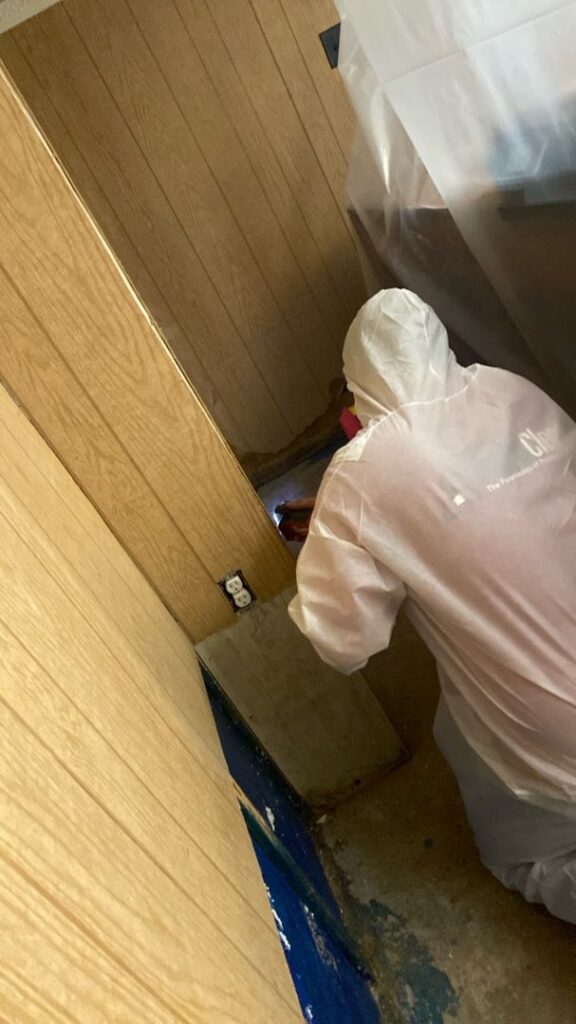
- A musty or earthy smell. Walk into the basement, closets, and rooms that have been closed. A damp odor with no visible source often means moisture and possible mold behind a wall or under flooring.
- Stains that grow or return. Look at ceilings, wall corners, and the areas beneath bathrooms and kitchens. Yellow or brown rings that reappear after painting mean water is still reaching the surface.
- Bubbling, peeling paint or crumbling plaster. Moisture pushes paint off walls from behind. In older Columbus homes, plaster that feels soft, powdery, or cool and damp is a red flag.
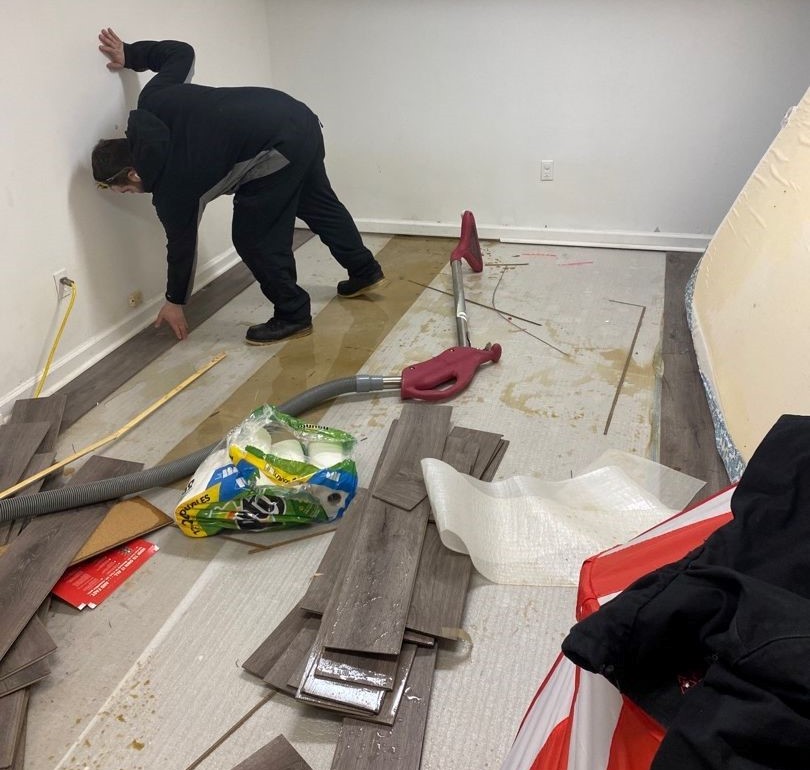
- Warped, cupped, or buckled flooring. Press on hardwood, laminate, and vinyl. Cupping, raised seams, or soft spots can mean water is trapped below, and subfloor delamination may follow.
- A higher water bill. Turn off all water use, then check your meter. If it keeps moving, you may have a hidden leak in a supply line, a toilet, or a slab.
- White, chalky deposits on basement walls. This mineral residue, called efflorescence, shows water is moving through masonry or concrete. Check where walls meet the floor for dampness or hairline cracks.
- Persistent dampness or visible mold. Dark spotting on walls, around windows, or in a crawl space means moisture has been present for some time. Some molds can release mycotoxins, so do not disturb large areas.
Actionable takeaway: Check your water meter with all fixtures off once a quarter, since it is the fastest way to spot an unseen leak.
Stop and call a professional if you find soft or crumbling plaster, a floor that feels spongy, a meter that runs with everything off, or mold that covers more than a small patch. These signs mean the problem is behind the surface. PuroClean Home Savers can send IICRC-certified technicians at (614) 689-0012.
Why are Columbus homes vulnerable to hidden water damage?
Columbus is shaped by its rivers. The Scioto runs north to south through the city, joined near downtown by the Olentangy, with Big Walnut Creek to the east and Alum Creek to the southeast. FEMA Flood Insurance Rate Maps identify Special Flood Hazard Areas in Franklinton, the Bottoms, and along Alum Creek on the near east side. The Griggs and O’Shaughnessy dams help control floods, but intense urban rainfall can still overwhelm drainage, especially during summer thunderstorms that cause flash flooding.
Construction age adds to the risk. Pre-1960 homes in German Village, Victorian Village, and Italian Village can have aging supply lines and fittings that fail inside walls. Craftsman-era homes in Clintonville and the Short North may hide moisture behind plaster and in crawl spaces, where mold can take hold. Finished basements in Clintonville, Bexley, and the Near East Side are prone to sump pump failures during spring storm season, and the water can soak carpet, drywall, and trim before anyone notices.
Sewers matter as well. Pre-1970 neighborhoods such as German Village, Old North, and parts of Franklinton use combined sewers that can overflow in heavy rain. A basement flood there may contain sewage, which requires Category 3 protocol. Ohio EPA’s combined sewer overflow policy treats sewage contamination as a public health concern. Newer construction in places like Dublin generally has better engineered drainage, though development near the Scioto has put some newer neighborhoods in flood-prone areas too.
Actionable takeaway: Before spring storms, test your sump pump and clear floor drains, and before summer, inspect gutters and downspouts.
What happens during a professional water damage inspection and drying?
Professionals follow the IICRC S500 sequence: assess, categorize, extract, dry, and verify. Technicians first identify the water category and the damage class. Clean supply water is Category 1, but it can become Category 2 if it sits, and sewage or floodwater is Category 3. A wet basement with saturated drywall is often Class 2 or Class 3, while plaster, hardwood, or masonry can push a loss toward Class 4 water damage, which needs specialty drying.
- Moisture mapping. Moisture meters and thermal imaging cameras find hidden water in walls, ceilings, and floors without tearing them open.
- Extraction. Truck-mounted or portable extractors remove standing water.
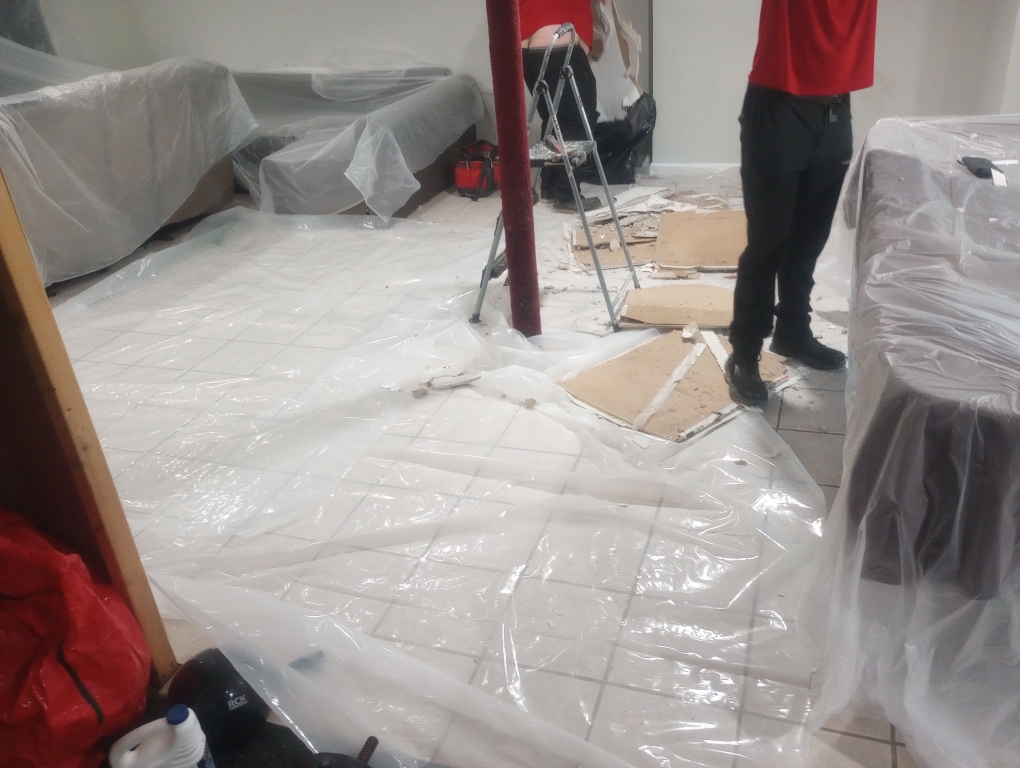
- Containment and removal. A containment barrier of poly sheeting prevents cross-contamination of dry rooms. Materials that cannot be dried, such as wet insulation and carpet pad, are removed.
- Structural drying. Air movers and LGR dehumidifiers dry the structure. Technicians monitor psychrometrics, meaning temperature, humidity, and grains per pound, and record hygrometer readings daily.
- Cleaning and air quality. Antimicrobial biocide is applied, and air scrubbers with HEPA filtration clean the air. If mold is present, negative air pressure keeps spores contained during work under IICRC S520.
- Dry verification. Equipment leaves only when readings reach the dry standard for that structure.
Unlike a generic cleanup service, PuroClean Home Savers offers 24/7 emergency dispatch, IICRC-certified technicians, and direct insurance billing, with local response across Columbus and Franklin County.
Actionable takeaway: Ask for daily moisture readings in writing, because dry-feeling plaster can still hold water.
Frequently Asked Questions
Does homeowners insurance cover hidden water damage in Ohio?
Most Ohio homeowners policies cover sudden and accidental water damage, such as a burst pipe, but often exclude long-term leaks, groundwater flooding, and sewer backup unless you add an endorsement. Coverage varies. Report the loss quickly, document everything, and contact the Ohio Department of Insurance with questions about your rights.
How much does water damage restoration cost in Columbus?
Cost depends on how much water is involved, the water category and class, the materials affected, and the days of drying required. Catching a leak early costs far less than a multi-room loss. A professional inspection provides a written scope, and many insurers work with restoration companies directly.
How long does it take to dry a home after hidden water damage?
Structural drying often takes about three to five days, depending on materials, humidity, and equipment placement. Technicians check readings daily and remove equipment once materials reach the dry standard. Plaster, hardwood, and masonry can take longer, and mold remediation adds time.
Can I find hidden water damage myself?
You can spot clues such as odors, stains, peeling paint, warped floors, and a running water meter. Confirming how far moisture has spread takes moisture meters and thermal imaging. If you suspect water inside walls or under floors, schedule an inspection before painting or covering the area.
Can hidden water damage cause health problems?
Yes. EPA guidance notes that mold can grow on damp materials within 24 to 48 hours, and mold exposure can aggravate asthma and allergies. Sewage contaminated water carries bacteria. Older Columbus homes with damp basements, crawl spaces, and plaster walls deserve extra attention, especially for people with respiratory conditions.
Is a damp basement in an older Columbus neighborhood a sewage risk?
It can be. German Village, Old North, and parts of Franklinton use combined sewers that may overflow during heavy rain. If a floor drain bubbles or the water smells like sewage, treat it as Category 3, avoid contact, and call a professional trained in contamination protocols.
See a Warning Sign? Call Now
PuroClean Home Savers (614) 689-0012 Serving Columbus, Ohio and Franklin County. Our IICRC-certified technicians are available 24/7 and can bill your insurance directly, so you can focus on your family while we find the source and start drying.