Reviewed for technical accuracy by PuroClean Home Savers’ IICRC-certified restoration team.
Helping someone you love after hoarding is hard. The home may be unsafe, the person may feel shame or fear, and you may not know where to begin. Professional hoarding-related biohazard cleanup follows the IICRC S540 Standard for trauma, crime scene, and biohazard cleanup, along with OSHA bloodborne pathogen and personal protective equipment rules, since no separate numbered IICRC standard exists specifically for hoarding. This guide offers a compassionate path for Columbus families: how to talk with your loved one, how safe cleanup works, and how to support emotional recovery afterward.
Key Takeaways for Homeowners and Families
- Hoarding is a recognized mental health condition, so approach your loved one with patience and respect, not blame.
- A hoarded home can hide hazards such as mold, pests, unstable piles, sewage, and water damage, and some require protective gear.
- Professional biohazard cleanup follows IICRC S540 and OSHA bloodborne pathogen and PPE rules to protect workers and residents.
- Safe cleanup works best when your loved one stays involved in decisions and the pace allows time for emotions.
- In Columbus, older homes with plaster walls and combined sewers can add moisture, mold, and sewage risks to a cluttered space.
- Recovery continues after the cleanup, so plan for follow-up support from a therapist, doctor, or trusted family members.
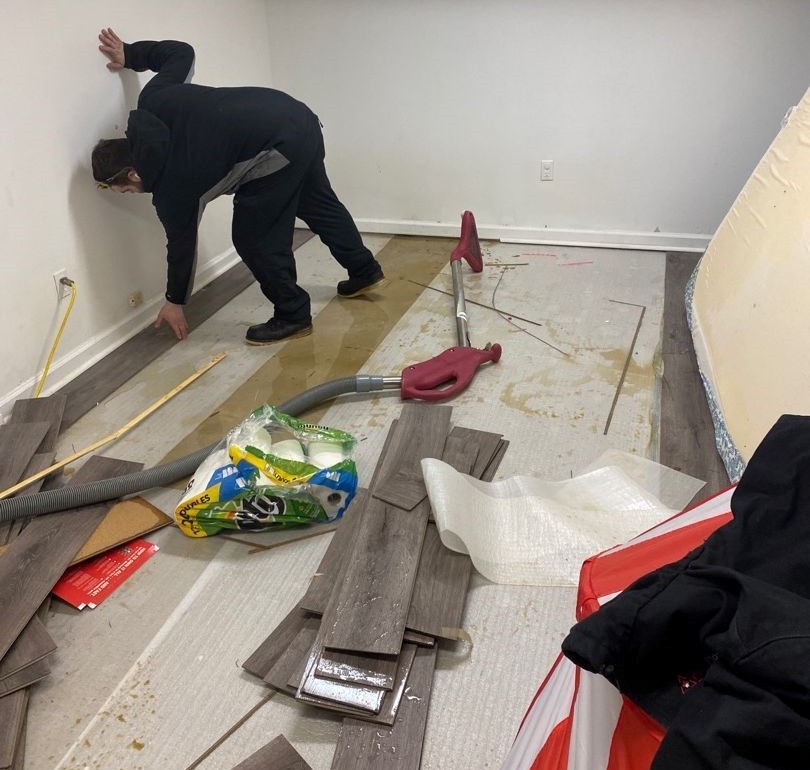
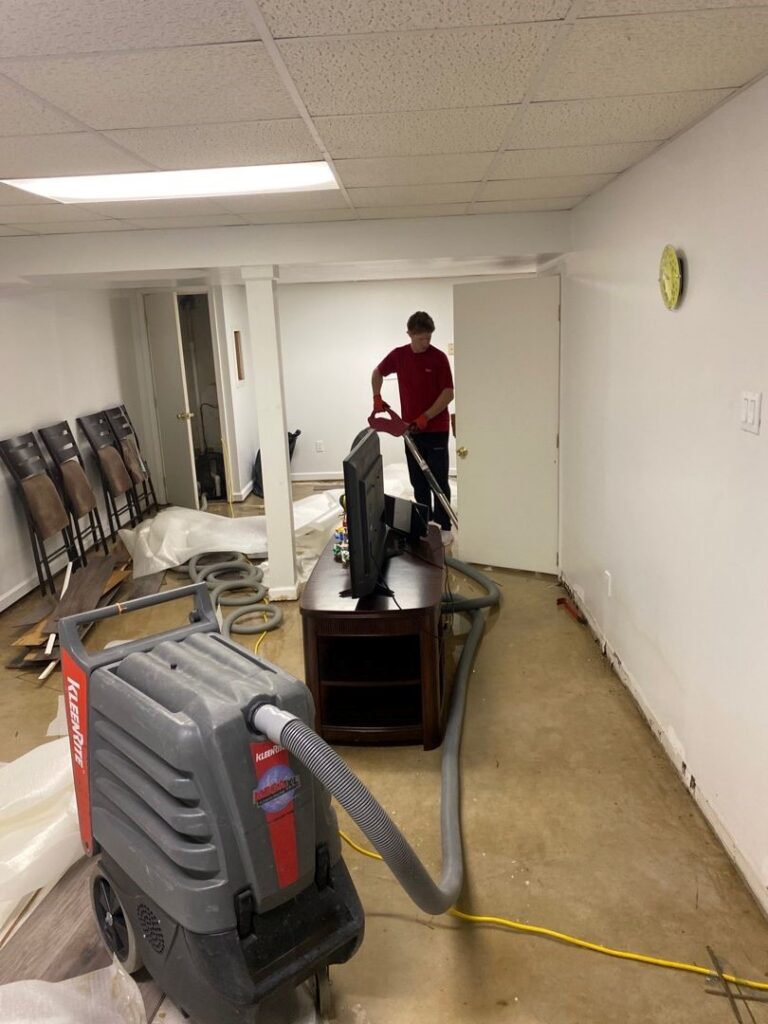
Hidden damage grows quietly. Moisture trapped behind clutter can lead to mold in a day or two, and pests and odors spread over time. If you are concerned about the condition of a loved one’s Columbus home, call PuroClean Home Savers at (614) 689-0012 for a private, judgment-free conversation.
How can you help a loved one after hoarding in a safe and compassionate way?
Start with listening. Ask what worries them, acknowledge how hard this is, and offer help with safety first, not with the pile. Make small agreements, let them keep control of their belongings, and bring in trained support when hazards appear. Compassion and a steady pace usually matter more than speed.
Seven steps for a compassionate cleanup
- Open the conversation gently. Pick a private moment and talk about your concern for their safety and health. Skip phrases like mess or trash.
- Learn what hoarding is. Hoarding disorder involves lasting difficulty discarding possessions and distress about parting with them. Knowing this helps you replace frustration with understanding.
- Identify safety risks. Look for blocked exits, unstable stacks, a nonworking furnace, spoiled food, pests, leaks, mold, and strong odors. List these before discussing belongings.
- Agree on one small goal. Clear a path to the door, a working stove, or the bathroom. Celebrate it before moving on.
- Connect them with support. A primary care provider or therapist familiar with hoarding can help. Local Area Agencies on Aging can assist older adults. If your loved one expresses hopelessness or thoughts of self-harm, call or text 988, the Suicide and Crisis Lifeline.
- Use trained professionals for hazards. Mold, sewage, bodily fluids, sharps, and heavy contamination should be handled with PPE and proper disposal.
- Plan for aftercare. Schedule regular visits, set up simple routines, and keep the door open for ongoing counseling.
Actionable takeaway: Ask your loved one which three items matter most to them, and promise those will be protected throughout the process.
Stop and call a professional if you notice visible mold, standing water, a sewage smell, bodily fluids, needles or sharps, or doors and stairways that are blocked. These are warning signs that the space needs protective equipment and trained handling. PuroClean Home Savers can respond at (614) 689-0012.
What does safe hoarding cleanup look like?
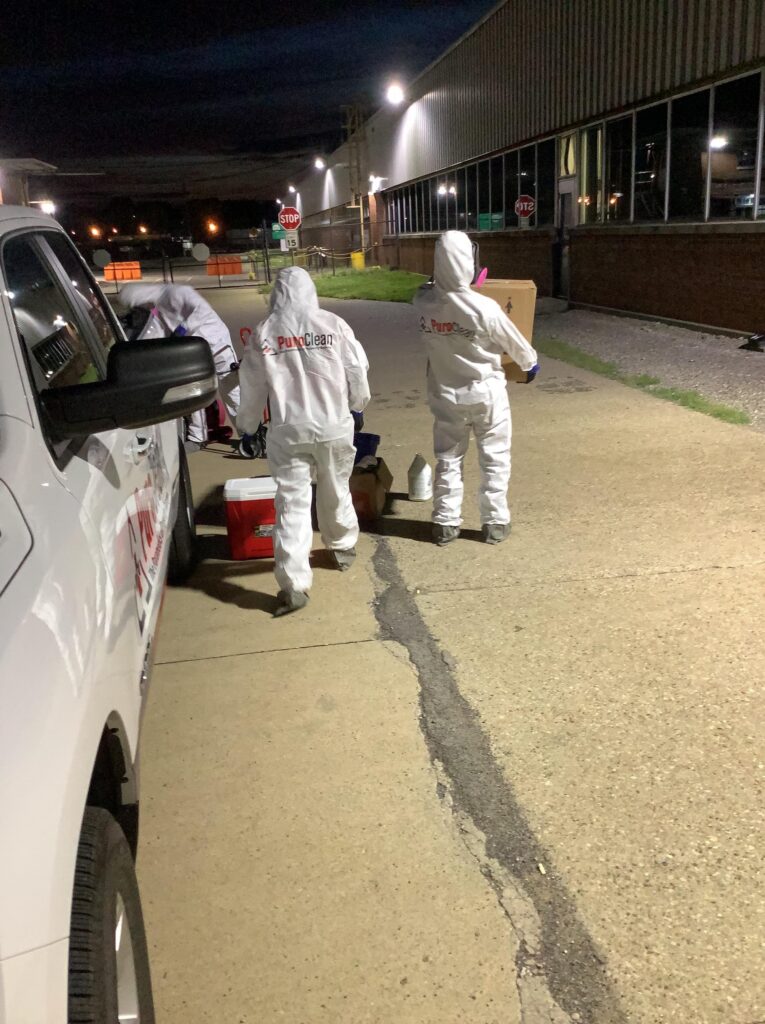
Safe cleanup is a planned process, not a rush to fill a dumpster. Under IICRC S540 and OSHA bloodborne pathogen rules (29 CFR 1910.1030) and PPE requirements, technicians assess hazards, protect themselves with suits, gloves, boots, and respirators, and then sort, remove, clean, and decontaminate. Belongings are treated with respect, and the owner’s wishes guide decisions.
- Assessment. A technician documents hazards, exits, odors, moisture, and visible contamination. Valuables, papers, and sentimental items are identified with the owner.
- Containment and air control. A containment barrier of poly sheeting limits cross-contamination. Negative air pressure and HEPA air scrubbers capture dust and spores.
- Sorting and removal. Items are sorted into keep, donate, and discard. Biohazardous materials are packaged and disposed of according to regulations.
- Moisture detection. Moisture meters and thermal imaging cameras find hidden leaks behind walls and under floors. Technicians use moisture mapping, record hygrometer readings, and follow psychrometrics to guide drying.
- Cleaning and decontamination. Surfaces are HEPA vacuumed and cleaned, and antimicrobial biocide is applied. When mold is found, remediation follows IICRC S520, since some molds release mycotoxins.
- Drying and repair. Where materials are wet, air movers and LGR dehumidifiers perform structural drying. Subfloor delamination and rot are evaluated for replacement.
- Final check. Technicians verify air and surface conditions and walk the home with the family.
Unlike a generic junk removal company, PuroClean Home Savers provides 24/7 emergency dispatch, IICRC-certified technicians, and direct insurance billing where coverage applies, with local response across Columbus and Franklin County.
Actionable takeaway: Ask any cleanup company how it protects privacy, handles sentimental items, and disposes of biohazard materials.
How do Columbus homes and neighborhoods affect hoarding cleanup?
Columbus homes carry their own risks, especially when clutter hides problems. The Scioto River runs north to south through the city, joined near downtown by the Olentangy, with Big Walnut Creek to the east and Alum Creek to the southeast. FEMA flood maps identify Special Flood Hazard Areas in Franklinton, the Bottoms, and along Alum Creek on the near east side. The Griggs and O’Shaughnessy dams provide flood control, but intense urban rainfall can still overwhelm drainage, and summer thunderstorms can cause flash flooding.
In older neighborhoods such as German Village and Old North, combined sewers can overflow in heavy rain, and a basement flood there may carry sewage requiring Category 3 (black water) protocol. Ohio EPA’s combined sewer overflow policy recognizes this as a public health matter. Pre-1960 homes in German Village, Victorian Village, and Italian Village may have aging supply lines that leak unnoticed behind stacked belongings. In craftsman-era homes in Clintonville and the Short North, moisture can settle behind plaster walls and in basement crawl spaces, where mold takes hold. When clutter blocks a sump pump, floor drain, or access panel, small problems grow. Newer construction in places like Dublin generally has better engineered drainage, though not every newer neighborhood is out of flood range.
Actionable takeaway: Before summer storm season, help your loved one clear a path to the sump pump, floor drain, and main water shutoff.
How do you support trauma recovery after a hoarding cleanup?
Recovery often takes longer than the cleanup. Your loved one may feel relief, loss, embarrassment, or anxiety after belongings leave the home. Stay calm, keep routines steady, avoid shaming, and encourage professional counseling. Small ongoing check-ins, shared tasks, and patience help prevent relapse into old patterns and keep the home safe.
Actionable takeaway: Put a recurring visit on the calendar for the first three months after the cleanup, so support is already planned.
Frequently Asked Questions
Does homeowners insurance cover hoarding cleanup in Ohio?
Most homeowners policies do not cover cleanup of gradual conditions such as hoarding. Cleanup after a sudden covered event, or water damage from a covered loss, may be covered depending on your policy. Contact your insurer, and the Ohio Department of Insurance for questions about your rights as a policyholder.
How much does hoarding cleanup cost in Columbus?
Cost depends on the volume of belongings, hazard level, crew size and hours, disposal needs, and whether mold or water damage is present. A professional walk-through produces a written estimate. Ask what is included and whether any part may be billed to insurance.
How long does hoarding cleanup take?
It varies widely. A small, low-hazard space may take a day or two, while a larger home with contamination, mold, or water damage may take several days or more. Good teams work at a pace that allows your loved one to make decisions about sentimental items.
Can family members clean a hoarded home themselves?
For light clutter with no hazards, yes, with gloves and masks. When there is mold, sewage, bodily fluids, sharps, pests, or unstable piles, professional help is safer. IICRC S540 and OSHA bloodborne pathogen and PPE rules exist to protect people from infection and injury.
What health risks come with a hoarded home?
Risks include mold spores, dust, pests, bacteria, and falls. Some molds can release mycotoxins, and EPA guidance advises drying wet materials within 24 to 48 hours to prevent growth. Bloodborne pathogens are a concern around bodily fluids. Protective gear, containment, and HEPA filtration reduce exposure.
How do I help my loved one avoid going back to old habits?
Relapse prevention works best with ongoing support, not pressure. Encourage therapy, keep regular visits, and agree on simple routines, such as a weekly check of walkways and surfaces. Celebrate progress, and call for help early if clutter starts building again.
Ready to Help? Call Now
PuroClean Home Savers (614) 689-0012 Serving Columbus, Ohio and Franklin County. Our IICRC-certified technicians are available 24/7, treat every home with discretion and respect, and can work with your insurance company where coverage applies.