 PuroClean Home Savers
 Key Takeaways for Columbus Homeowners
- Time is Critical: In the Ohio climate, microbial growth can occur rapidly after a spring storm, making immediate deep cleaning essential.
- Scientific Approach: Effective cleaning uses psychrometrics to balance heat and airflow, ensuring materials are dried to their core.
- Safety Standards: Following IICRC S520 ensures that mold is not just “cleaned” but properly remediated to prevent recurrence.
- Local Expertise: Columbus homes often face unique drainage challenges that require specific moisture mapping techniques.
Introduction
Columbus, Ohio, is known for its vibrant neighborhoods and beautiful homes, but spring storms here can be devastating. When heavy rains and wind hit the Scioto River valley, the result is often flooded basements and saturated crawlspaces. For a Columbus homeowner, “deep cleaning” after a storm is a mission-critical task to prevent the rapid onset of mold. By following these six steps, anchored in the IICRC S500 professional standards, you can defend your home against secondary damage.
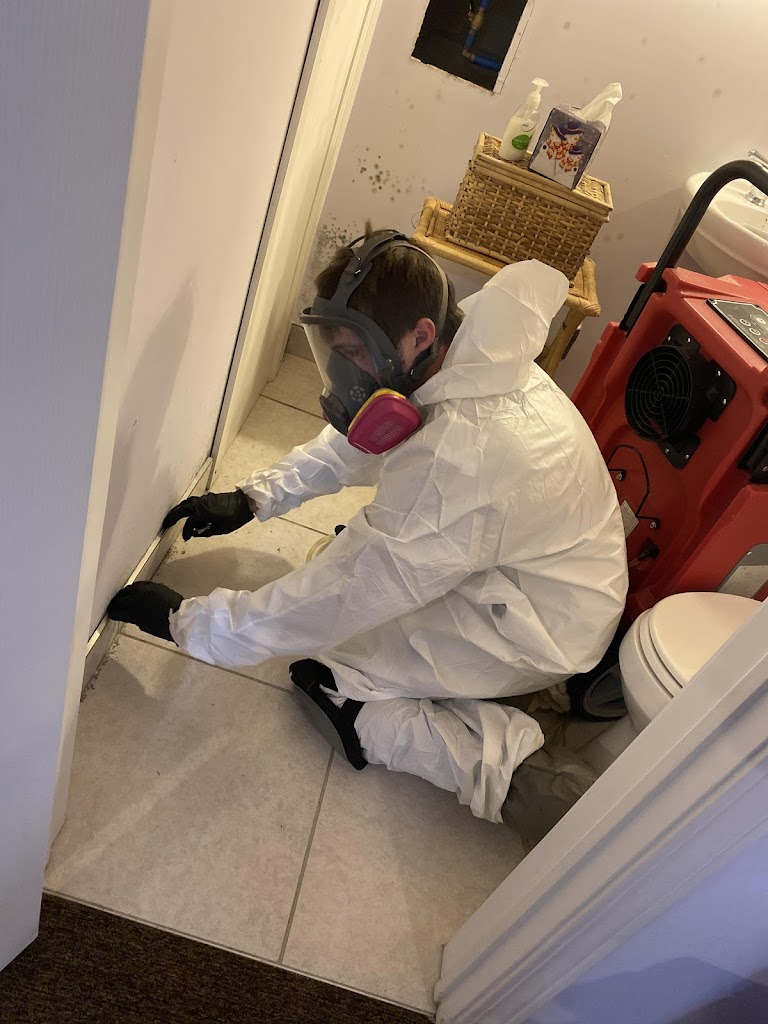
1. Rapid Site Stabilization and Safety Clearance
The first step in any authoritative deep clean is ensuring the environment is safe. Spring storms in Ohio can lead to downed power lines and compromised gas mains.
- Verify Utilities: Ensure the electricity is off in any area with standing water.
- Assess Contamination: Determine if the water is Category 1 (Clean), Category 2 (Grey), or Category 3 (Black). Most storm-driven flooding is Category 3 and requires expert handling.
2. Strategic Extraction and Categorized Disposal
Deep cleaning starts with the removal of the bulk contaminant. In Columbus, where many homes have finished basements, this means extracting water from carpets and identifying “non-salvageable” items.
- Porous Materials: Items like drywall, carpet padding, and insulation that have touched floodwater generally must be removed to prevent mycotoxin buildup.
- Professional Extraction: High-powered pumps are used to remove water faster than mold can begin to grow.
3. Precision Moisture Mapping and Hidden Leak Detection
Water is an expert at hiding. It can travel up wall studs through “wicking.”
- Advanced Tools: We use moisture meters and infrared technology to find water inside the walls of your Columbus home.
- Detailed Documentation: This mapping is essential for insurance claims, proving that the cleaning process was thorough and science-based.
4. Aggressive Structural Drying and Airflow Management
The “Deep” in deep cleaning refers to the structural members of the home.
- Air Movers: These are not standard fans. They are designed to move air at specific volumes to facilitate evaporation.
- Dehumidification: By controlling the “grains per pound” of moisture in the air, we create an environment where moisture is forced out of the wood and masonry.
5. Sanitization with Antimicrobial Biocides and HEPA Scrubbing
Once the area is structurally dry, it must be made biologically safe.
- Biocide Application: We use EPA-registered antimicrobial biocides to treat all affected surfaces.
- HEPA Filtration: Air scrubbers are used to ensure that any disturbed spores or contaminants are filtered out of the home’s atmosphere.
6. Final Deodorization and Clearance
The last step is to ensure your home doesn’t just look clean, but smells clean and is safe for your family.
- Odor Neutralization: We use professional equipment to eliminate the organic compounds that cause “musty” storm odors.
- Clearance Inspection: A final walkthrough confirms that all psychrometric goals were met and the home is ready for reconstruction.
FAQ: Columbus Storm Damage and Insurance
Does home insurance cover mold caused by high humidity in Columbus, Ohio? Typically, if the mold is caused by high humidity without a specific “sudden and accidental” water event, it is not covered. However, if a spring storm damaged your roof or caused a window to fail, the resulting mold is often covered as “secondary damage.” Fast action and professional documentation are key to a successful claim.
What are the risks of DIY storm cleanup? The biggest risk is “partial drying.” If you dry the carpet but the subfloor remains wet, you are creating a perfect environment for mold. Furthermore, without HEPA filtration, you may be spreading contaminants throughout your home.
Why is the IICRC standard important? The IICRC is the “gold standard” for the restoration industry. Following these protocols ensures that the work is done to a level that protects both the property value and the health of the occupants.
Call to Action
If your Columbus home has suffered from spring storm damage, time is your greatest enemy. Contact PuroClean Home Savers at (614) 689-0012 for immediate support. Our team of certified professionals is available 24/7 to provide expert deep cleaning, moisture mapping, and restoration services to neighborhoods throughout the Columbus area.


 PuroClean Home Savers