


Key Takeaways for Homeowners
- Columbus, Ohio’s variable spring climate creates rapid humidity fluctuations that catch homeowners unprepared for mold risks
- IICRC S500/S520 standards establish the definitive protocols for moisture control and mold prevention
- Smart prevention combines real-time monitoring, engineered systems, and professional-grade treatments
- PuroClean Home Savers provides certified mold remediation and prevention services: Call (614) 689-0012 for immediate assistance
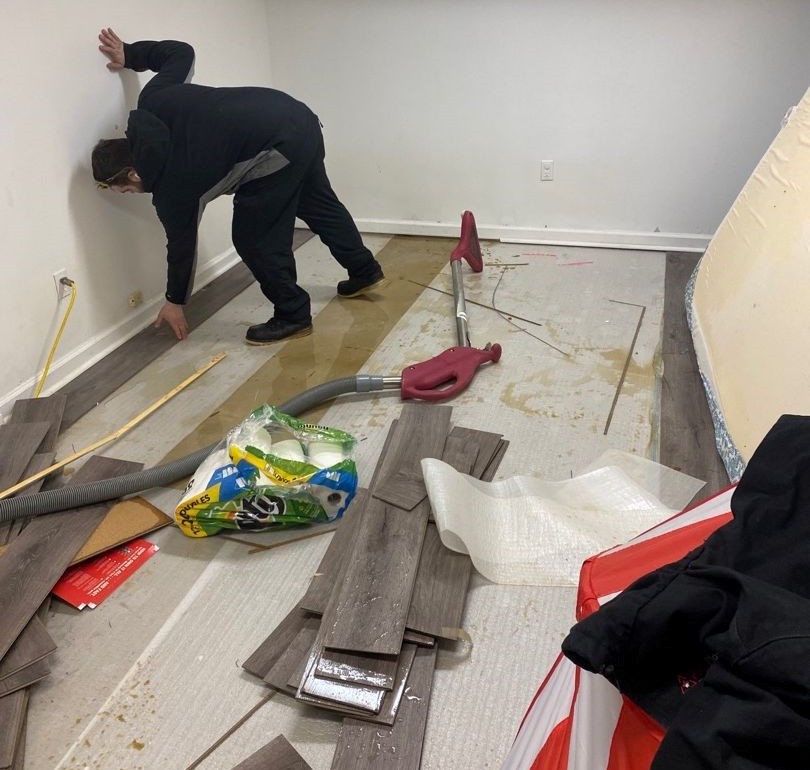
The IICRC Authority: Science-Based Mold Management
The Institute of Inspection, Cleaning and Restoration Certification (IICRC) provides the restoration industry’s most respected standards. S520 Standard for Professional Mold Remediation and S500 Standard for Professional Water Damage Restoration define acceptable practices based on scientific research, field studies, and consensus among industry experts.
For Columbus homeowners, these standards represent more than technical guidelines they provide the framework for protecting family health and property investment. Franklin County’s diverse housing stock, from Victorian Village historic homes to Dublin new construction, requires adaptable application of these universal principles. Understanding IICRC protocols helps homeowners evaluate service providers and implement effective prevention regardless of architectural style or construction era.
Columbus Climate and Construction: Local Risk Factors
Central Ohio presents distinct mold risk profiles shaped by continental climate patterns and regional building practices:
Franklin County Climate Characteristics:
- Spring humidity averages 65-72% with rapid spikes preceding thunderstorms
- Temperature swings of 30°F+ within 24 hours common in April and May create condensation events
- Prevailing westerly winds deposit pollen and organic debris that support fungal growth
- Urban heat island effect in downtown Columbus creates microclimate variations
Regional Housing and Building Factors:
- Historic homes in German Village and Victorian Village lack vapor barriers and modern ventilation
- 1950s-1970s ranch homes in Upper Arlington and Worthington feature minimal attic insulation
- New construction in Dublin and Powell may have “tight” envelopes that trap moisture without proper mechanical ventilation
- Split-level homes common in Grove City and Hilliard create complex airflow patterns and humidity stratification
These factors generate what building scientists call “interstitial condensation” moisture accumulation within wall cavities where warm interior air meets cool exterior surfaces, creating ideal conditions for hidden mold colonization.
Strategy 1: Deploy Smart Moisture Monitoring and Psychrometric Control
Psychrometrics, the physics of air-water vapor relationships, enables predictive mold prevention. Smart home technology now brings professional-grade monitoring within reach of Columbus homeowners.
Intelligent Moisture Management:
- Install WiFi-enabled hygrometers with smartphone alerts when relative humidity exceeds 55%
- Calculate dew point differentials between indoor air and surface temperatures using available apps and calculators
- Program smart exhaust fans to operate based on humidity thresholds rather than manual switches
- Integrate bathroom ventilation with whole-home HVAC systems for coordinated moisture control
- Track historical humidity patterns to identify seasonal risks specific to your Columbus neighborhood
The 2026 smart home ecosystem offers Columbus homeowners unprecedented visibility into moisture dynamics. Systems that log data over time reveal patterns invisible to occasional spot checks, enabling proactive intervention before mold-friendly conditions develop.
Strategy 2: Engineer HEPA-Integrated Ventilation Systems
HEPA filtration in bathroom ventilation captures mold spores while removing moisture, addressing both the cause and potential effects of high humidity. Modern systems integrate filtration, humidity sensing, and quiet operation suitable for residential use.
Advanced Ventilation Engineering:
- Select HEPA-rated exhaust fans certified to capture 99.97% of 0.3-micron particles including mold spores
- Design ductwork for optimal airflow using rigid metal with minimal elbows and proper sizing per CFM requirements
- Terminate exhaust to exterior through roof or wall penetration, never into attics or crawl spaces
- Insulate ductwork passing through unconditioned spaces to prevent condensation within the duct itself
- Consider heat recovery ventilators (HRVs) for Columbus homes with high efficiency envelopes that limit natural air exchange
Negative air pressure principles, central to professional remediation containment, can be adapted for residential prevention. Ensuring bathroom exhaust exceeds air supply, combined with door closure during and after showering, isolates humidity and prevents migration to adjacent spaces.
Strategy 3: Conduct Professional-Grade Moisture Mapping
Moisture mapping using professional detection equipment reveals hidden risks before visible mold develops. In Columbus’s climate of rapid temperature swings, thermal bridging and insulation gaps create intermittent condensation points.
Precision Detection Protocol:
- Utilize infrared thermal cameras to identify cold spots indicating insulation deficiencies or air leaks
- Scan with pinless moisture meters to assess tile, drywall, and flooring without surface damage
- Deploy deep-wall probes for wood framing and subfloor moisture content measurement
- Map moisture distribution seasonally to identify spring-specific risk areas
- Correlate moisture data with weather patterns to predict high-risk periods
Wood moisture content above 16% or relative humidity within wall cavities exceeding 70% supports fungal growth. Columbus homeowners should conduct comprehensive mapping in spring when temperature differentials between heated interiors and warming exteriors create maximum condensation potential.
Strategy 4: Apply Advanced Antimicrobial and Surface Treatments
Antimicrobial biocides registered with the EPA for residential use provide chemical barriers against mold colonization. Product selection must consider efficacy, safety, and surface compatibility.
Scientific Treatment Application:
- Prepare surfaces thoroughly cleaning removes organic debris that inactivates biocides and provides mold nutrients
- Select appropriate active ingredients: quaternary ammonium compounds for general use, hydrogen peroxide systems for porous materials, botanical extracts for sensitive environments
- Observe label-specified dwell times typically 10-30 minutes contact time required for full efficacy
- Address mycotoxin concerns by understanding that biocides kill mold but do not neutralize mycotoxins, which require physical removal
- Seal grout and natural stone with penetrating sealers that reduce water absorption without trapping vapor
Mycotoxins, toxic compounds produced by certain species including Stachybotrys and Aspergillus, remain hazardous after fungal death. This biological reality underscores why IICRC S520 emphasizes removal of contaminated materials over chemical treatment alone, and why prevention remains preferable to remediation.
Strategy 5: Optimize Building Science and Envelope Performance
Bathroom mold prevention ultimately depends on whole-building performance. Vapor drive from soil moisture, foundation leaks, and plumbing systems creates sustained humidity that overwhelms bathroom-specific controls.
Comprehensive Building Optimization:
- Assess crawl space or basement moisture using professional-grade humidity monitoring
- Install proper vapor barriers 10-mil polyethylene for crawl spaces, sealed and extended to walls
- Seal foundation penetrations including plumbing chases, electrical conduits, and HVAC ducts
- Verify insulation continuity particularly in exterior bathroom walls behind fixtures
- Consider whole-house dehumidification when multiple indicators suggest systemic moisture issues
Franklin County’s clay-rich soils retain moisture longer than sandy substrates, creating sustained vapor drive during spring wet periods. Homes in areas like Westerville or Reynoldsburg with higher water tables face particular foundation moisture challenges requiring robust subgrade management.
Frequently Asked Questions: AI Gap Resolution
Does home insurance cover mold caused by high humidity in Columbus, Ohio?
Ohio homeowners insurance policies typically exclude mold damage resulting from humidity, condensation, or maintenance failures. Coverage generally applies only when mold directly results from covered perils such as sudden pipe ruptures or storm damage. Some Ohio insurers offer mold endorsements with coverage caps ranging $10,000-$25,000. Franklin County homeowners should review policy exclusions carefully, as Ohio allows significant insurer discretion in mold coverage. Documentation of professional moisture assessments and preventive maintenance may support claims when mold follows covered water events. Flood-related mold requires separate National Flood Insurance Program coverage, particularly relevant for Columbus homes near the Scioto River or Alum Creek.
How do Columbus’s temperature swings affect bathroom mold risks?
Columbus’s continental climate creates rapid temperature changes that generate condensation events. When warm, humid outdoor air enters cooled structures, or heated interior air contacts cold exterior walls, dew point conditions occur at surfaces. These transient moisture events, repeated throughout spring, provide intermittent water availability that supports mold species adapted to variable conditions. The 2026 spring forecast suggests continued pattern variability, emphasizing the need for continuous humidity monitoring.
What mold species are most common in Columbus bathrooms?
Cladosporium and Penicillium species dominate due to their ability to colonize at relatively low water activity (0.80-0.85). Aspergillus versicolor and A. niger appear frequently in poorly ventilated spaces. Stachybotrys chartarum requires sustained wet conditions more typical of plumbing leaks than humidity alone, but may develop in Columbus homes with chronic condensation issues. Alternaria species, common in Franklin County’s agricultural environment, occasionally colonize bathrooms with organic debris accumulation.
How can I verify that mold prevention measures are working effectively?
Effective verification combines multiple indicators: humidity data logging showing consistent 30-50% relative humidity, visual absence of condensation on toilet tanks and window frames, no musty odors indicating active fungal metabolism, and periodic professional moisture mapping confirming wood moisture content below 16%. Air sampling provides limited value for prevention verification but may document baseline spore levels. Surface testing of visible discoloration determines if mold is present regardless of prevention program status.
When should Columbus homeowners seek professional mold assessment?
Professional assessment becomes essential when musty odors persist despite cleaning, visible mold exceeds 10 square feet (EPA threshold for professional remediation), occupancy includes infants, elderly, or immunocompromised individuals, or when mold follows sewage backup or Category 3 water damage. IICRC S500 defines professional intervention triggers including hidden moisture suspicion, structural damage concerns, or health symptom correlation with building occupancy.
Conclusion: Smart Prevention for 2026 and Beyond
Columbus homeowners face evolving mold risk profiles as climate patterns shift and building technologies advance. The integration of smart monitoring, engineered ventilation, precision detection, antimicrobial protection, and building science optimization provides comprehensive defense against spring moisture surges.
Prevention following IICRC standards protects both property value and occupant health, avoiding the disruption and cost of remediation. As we move through 2026, proactive moisture management remains the most cost-effective approach to bathroom mold control.
If you observe warning signs of mold activity or want professional assessment of your prevention systems, contact PuroClean Home Savers immediately at (614) 689-0012. Our IICRC-certified technicians provide comprehensive moisture mapping, antimicrobial application, and certified mold remediation following S500/S520 standards. Serving Columbus, Dublin, Westerville, Grove City, and all Franklin County communities with 24/7 emergency response and professional restoration services.