


Key Takeaways for Homeowners
Biohazard situations in Columbus, Indiana demand immediate action from certified restoration professionals. Exposure to bloodborne pathogens, Category 3 water, and infectious agents creates health risks that household cleaning cannot address. The unique climate and architectural landscape of Columbus, including its renowned modernist structures and historic residential districts, present specific challenges for contamination control. Whether you face sewage intrusion, trauma scene remnants, or infectious disease decontamination, professional intervention protects your health and property. PuroClean Home Savers provides emergency biohazard cleanup services. Call (614) 689 0012 for immediate assistance if you live in Columbus, IN or the surrounding neighborhoods.
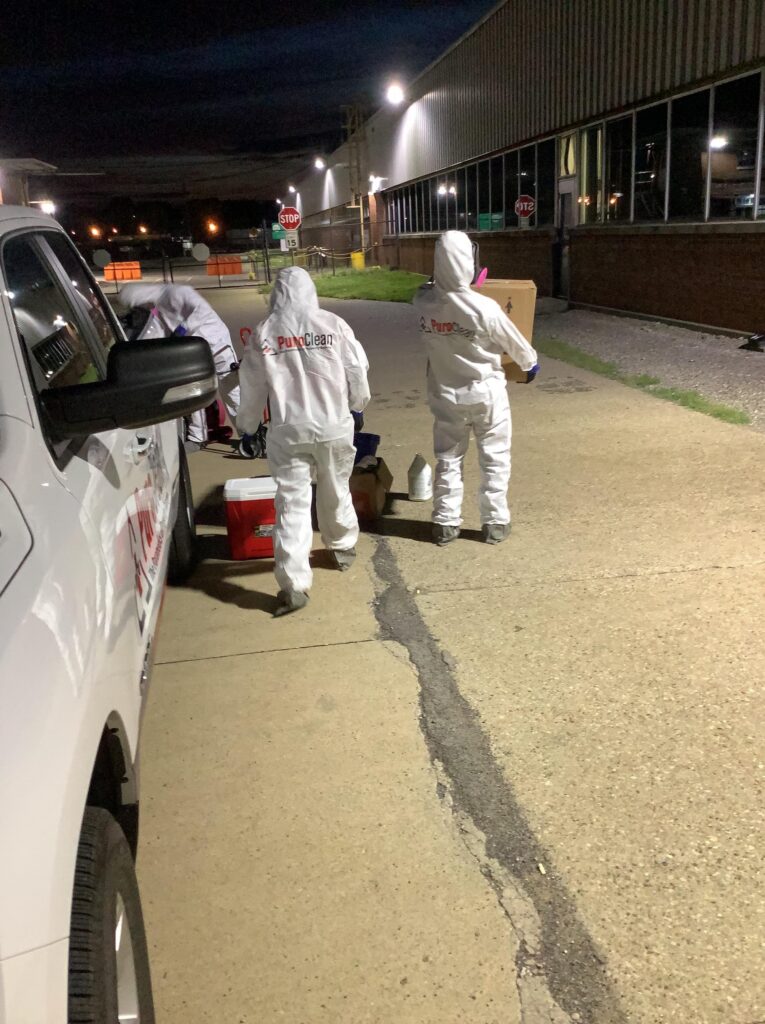
Biohazard Cleanup Under IICRC S500 and S520
Biohazard remediation is a technical discipline anchored in IICRC S500 and S520 standards. The Institute of Inspection Cleaning and Restoration Certification defines the procedural, safety, and verification requirements for handling biological contamination. These standards ensure that restoration is not merely cosmetic but scientifically validated.
In Columbus, biohazard events require technicians who understand OSHA compliance, proper use of personal protective equipment, and the chemistry of enzymatic cleaners. Containment barriers prevent the migration of contaminants to unaffected areas. HEPA filtration captures microscopic particles, while ATP testing provides objective proof that surfaces are sanitized. Biohazardous waste disposal must follow strict chain of custody protocols to meet Indiana regulatory requirements. This level of rigor separates professional restoration from ordinary cleaning services.
7 Dangerous Biohazard Situations Requiring Immediate Cleanup
1. Trauma Scenes and Bloodborne Pathogen Exposure
Any event involving blood, tissue, or bodily fluids creates a potential exposure risk to bloodborne pathogens including Hepatitis B, Hepatitis C, and HIV. In Columbus homes, whether modernist designs by renowned architects or traditional family residences, open floor plans and porous materials allow rapid contamination spread. Blood can seep beneath tile, into grout lines, and through carpet padding within minutes. Professional teams deploy enzymatic cleaners and antimicrobial application to eliminate organic material completely.
2. Sewage Backups and Category 3 Water Events
Sewage intrusion introduces black water containing human waste, industrial chemicals, and aggressive bacterial colonies. Columbus properties with older sewer connections or those situated in low lying areas near the Flatrock River watershed face elevated risk during heavy rainfall. Category 3 water is grossly unsanitary and mandates the removal of affected porous materials. Simply drying the area is insufficient. Complete sanitation, structural drying, and ATP testing are required before reoccupation.
3. Unattended Death and Decomposition
When a death goes undiscovered, decomposition fluids compromise flooring, subflooring, and wall systems. The bacterial load in these scenes is extraordinarily high, and airborne contaminants pose inhalation risks. Columbus’s warm, humid summers accelerate decomposition, making rapid response essential. Technicians must wear full personal protective equipment and follow decontamination protocols that address both visible damage and microscopic pathogens. Sharps removal may also be necessary if medical equipment was present.
4. Infectious Disease Contamination
Outbreaks of contagious illnesses such as MRSA, C. difficile, or influenza require professional disinfection of residential and commercial properties. High touch surfaces, HVAC components, and soft furnishings can harbor active viral agents for extended periods. In Columbus’s community oriented neighborhoods and multi generational households, preventing secondary transmission is critical. Professional teams reduce viral load through hospital grade disinfectants and systematic surface treatment.
5. Hoarding Environments with Biological Waste
Hoarding situations often conceal pet waste, human waste, expired food, and deceased animals beneath layers of accumulated belongings. These environments generate extreme bacterial load, ammonia toxicity, and mold proliferation. Columbus properties, including historic homes with limited ventilation, trap these contaminants indoors. Remediation requires staged removal, HEPA air scrubbers, containment barriers, and systematic biohazardous waste disposal. The emotional sensitivity of these situations demands compassionate, professional handling.
6. Animal Waste and Rodent Infestation
Rodent droppings in attics, crawl spaces, and wall cavities carry Hantavirus and other zoonotic diseases. Columbus’s mature residential neighborhoods with established tree lines provide habitat for rodents seeking shelter during seasonal transitions. Accumulated urine creates ammonia concentrations that damage respiratory tissue and degrade structural wood. Effective remediation includes removal of contaminated insulation, enzymatic treatment of affected structures, and antimicrobial application to neutralize lingering bacteria.
7. Drug Contamination and Paraphernalia Discovery
Properties affected by drug use may contain discarded needles, blood residue, and chemical contaminants. Needles present immediate puncture hazards and potential bloodborne pathogen transmission. In Columbus, where residential and commercial spaces sometimes transition between tenants, unseen contamination can endanger new occupants. Sharps removal requires OSHA compliant handling, followed by comprehensive surface decontamination and verification testing.
Why Columbus Properties Face Unique Biohazard Risks
Columbus, Indiana features a distinctive built environment that includes internationally recognized modernist architecture alongside historic Victorian and Craftsman homes. These structures often contain custom materials, unique floor plans, and aging infrastructure that complicate standard remediation approaches.
The local climate contributes to biohazard risk as well. Columbus experiences hot, humid summers with frequent thunderstorms that can overwhelm drainage systems and cause water intrusion. Many historic homes in the city were constructed before modern plumbing and sewer standards, increasing the likelihood of Category 3 water events. The karst topography in parts of Bartholomew County allows rapid groundwater movement, meaning contamination from sewage backups can spread quickly through soil adjacent to foundations.
Local building codes have evolved to address these risks, but legacy housing stock may lack backflow prevention, sump pumps, and modern vapor barriers. When biohazard events occur in these properties, restoration teams must understand both the scientific requirements of decontamination and the structural nuances of Columbus’s unique architecture.
The Professional Biohazard Remediation Workflow
Effective biohazard cleanup follows a precise, documented sequence:
- Emergency contact and immediate response dispatch
- Scene assessment and hazard classification per IICRC S500 and S520
- Establishment of containment barriers and isolation zones
- Installation of HEPA air scrubbers to capture airborne contaminants
- Removal of sharps and regulated medical waste using OSHA protocols
- Extraction of contaminated porous materials and inventory of affected belongings
- Application of enzymatic cleaners to dissolve organic residue
- Detailed cleaning and disinfection with EPA registered antimicrobial agents
- ATP testing to verify elimination of biological material
- Proper packaging and transport of biohazardous waste for licensed disposal
- Structural repairs and restoration to return the property to safe condition
Frequently Asked Questions
Does home insurance cover mold caused by high humidity in Columbus, Indiana?
Standard homeowner policies typically exclude mold damage resulting from long term humidity or maintenance issues. However, mold that results from a covered peril such as a sudden pipe burst or storm damage may be covered. Biohazard events involving Category 3 water often carry separate coverage provisions. PuroClean Home Savers works with your insurance carrier to document the loss and determine applicable coverage.
How do I know if a biohazard scene is safe to enter?
If you suspect biological contamination, do not enter the space. Bloodborne pathogens and airborne bacteria are invisible and odorless in early stages. Wait for professional assessment. Trained technicians use calibrated instruments to measure air quality and surface contamination before declaring an area safe.
What certifications should a biohazard cleanup company hold?
Look for IICRC certification in water damage restoration and microbial remediation. Technicians should demonstrate OSHA compliance training, bloodborne pathogen certification, and proper licensing for biohazardous waste disposal. PuroClean Home Savers maintains these credentials to ensure the highest safety standards.
Can biohazard damage affect my property value?
Untreated biohazard contamination causes permanent structural damage and creates legal disclosure obligations. Professional remediation with documented ATP testing and restoration protects your investment and ensures compliance with Indiana property transfer laws.
Contact PuroClean Home Savers Immediately
Biohazard situations escalate quickly. Every hour of delay allows pathogens to penetrate deeper into your Columbus property and threaten the health of everyone inside. The seven dangerous scenarios described above require the immediate attention of certified professionals who understand both the science of decontamination and the specific needs of Columbus area homes. PuroClean Home Savers provides 24 hour emergency biohazard cleanup with rapid local response. Call (614) 689 0012 now for immediate assistance and support. We are ready to restore your property with compassion, precision, and uncompromising safety standards.