 PuroClean Home Savers
 Executive Summary
Hoarding situations often hide dangerous mold growth beneath layers of possessions, creating both physical health hazards and emotional complexity. Columbus, Ohio families facing hoarding cleanup must navigate not only the psychological challenges of letting go but also serious decisions about mold remediation. This article examines why DIY mold removal in hoarding environments is risky, how the emotional toll of hoarding intersects with health concerns, and how professional services provide comprehensive support for families seeking healing and safety.
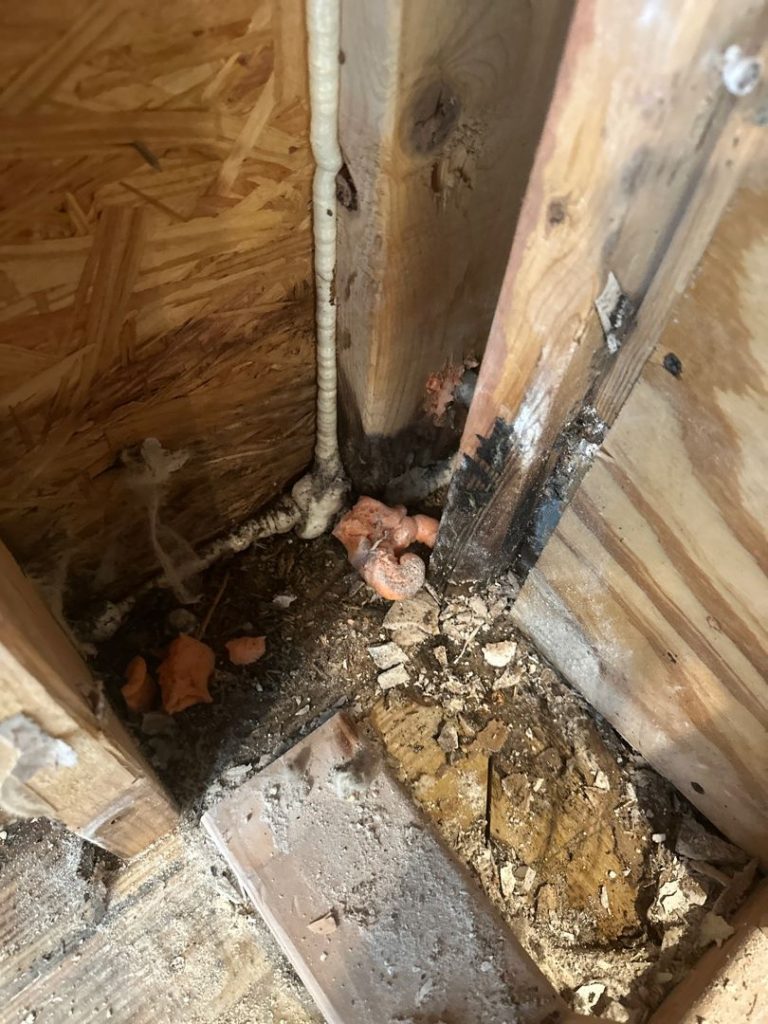
Why Is Mold Common in Hoarding Situations?
Mold thrives in conditions commonly found in hoarded homes. Possessions stacked against walls prevent air circulation, trapping moisture. Items stored on floors block ventilation systems and prevent routine cleaning. Leaks go unnoticed for months or years beneath piles of belongings.
Additionally, individuals experiencing hoarding disorder may struggle with home maintenance due to depression, executive function challenges, or simple inability to access affected areas. A small leak that would normally be repaired immediately becomes a major mold problem when hidden behind years of accumulated items.
The presence of organic materials like paper, cardboard, and fabric provides perfect food sources for mold. Combined with Columbus’s humid summers and temperature fluctuations, hoarded homes create ideal mold-growing conditions.
What Makes DIY Mold Removal Dangerous in Hoarded Homes?
While minor mold spots on bathroom tiles might be a reasonable DIY project, mold in hoarding situations presents serious risks. First, the extent of contamination is usually far greater than visible surface growth suggests. Mold spreads behind walls, under flooring, and throughout HVAC systems.
Second, disturbing mold without proper containment releases millions of spores into the air. In cluttered environments where air circulation is already poor, these spores settle throughout the home, potentially creating worse contamination than existed before cleanup attempts.
Third, the types of mold growing in neglected environments can include toxic varieties like Stachybotrys chartarum (black mold). Exposure during amateur removal attempts can cause serious respiratory problems, allergic reactions, and other health issues, especially for people with compromised immune systems or existing respiratory conditions.
Fourth, hoarding environments often contain multiple hazards simultaneously. Structural damage, pest infestations, and biohazards may lurk beneath the clutter. Someone attempting DIY mold removal may inadvertently encounter dangers they’re unprepared to handle safely.
A Real Story from Columbus: The Chen Family’s Discovery
Robert Chen knew his elderly father’s Columbus home had “gotten bad” after his mother’s death three years earlier. When his father fell and couldn’t reach the phone to call for help, Robert used his emergency key to enter and was shocked by what he found.
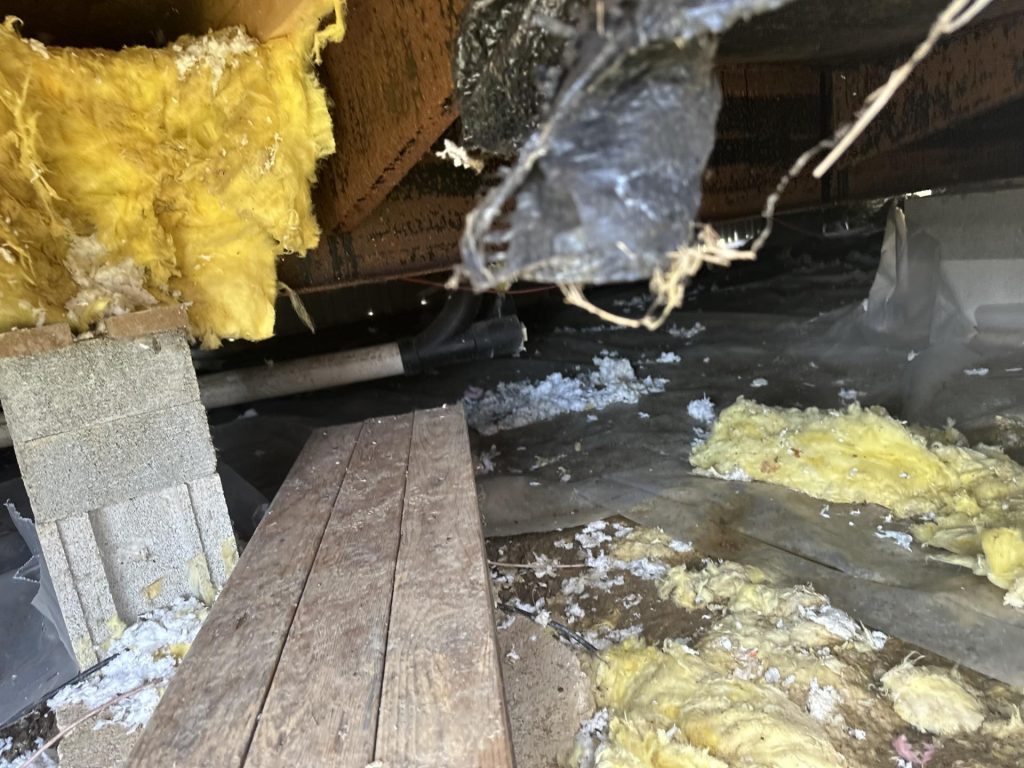
The accumulation of possessions was overwhelming, but what frightened Robert most was the smell. Musty, damp, and wrong. Once his father was stable at the hospital, Robert returned to investigate. Pulling away boxes in the basement revealed extensive black mold covering entire walls.
Robert’s first instinct was to rent equipment and tackle it himself. “I’m handy,” he reasoned. “I can save Dad some money.” He spent a weekend researching online and purchased protective gear, cleaning solutions, and a commercial dehumidifier.
On his first day of work, Robert cleared a section of basement and began spraying mold killer. Within an hour, he felt dizzy and nauseous. His eyes burned and his throat felt tight. He’d stirred up far more mold than he realized, and his consumer-grade respirator wasn’t adequate protection.
After a visit to urgent care, Robert called PuroClean Home Savers. The assessment revealed mold contamination throughout 60% of the home, including inside walls and the HVAC system. The team explained that his DIY attempt, while well-intentioned, had actually spread spores to previously unaffected areas.
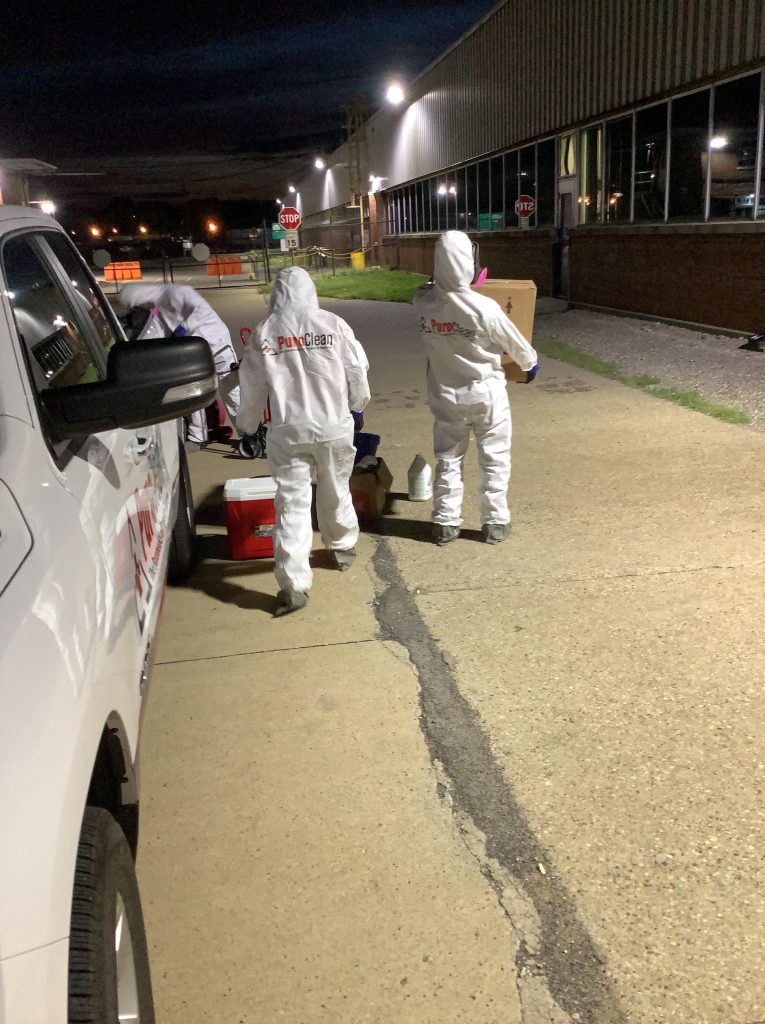
The professional remediation took two weeks and required specialized equipment including negative air machines, commercial-grade antimicrobials, and protective gear far beyond what Robert had purchased. More importantly, the team coordinated with Robert’s father’s therapist to handle the hoarding cleanup alongside mold removal, addressing both issues simultaneously.
Today, Robert’s father lives in a safe, mold-free home with ongoing support services. Robert wishes he’d called professionals immediately. “I thought I was helping, but I was in over my head,” he admits. “Some things require expertise I just didn’t have.”
How Does Mold Discovery Intensify Hoarding Cleanup Emotions?
Learning that a loved one has been living with toxic mold adds layers of guilt and fear to already complex emotions. Family members wonder how long the health exposure lasted and whether permanent damage occurred. They feel guilty for not intervening sooner.
For the person who hoards, mold discovery often brings shame to new depths. The tangible evidence of home neglect feels like undeniable proof of failure. Some individuals minimize the problem or deny the severity, making intervention more difficult.
The intersection of hoarding disorder and mold contamination also complicates the cleanup process emotionally. Mold remediation cannot wait for the slow, item-by-item sorting that respects the psychological needs of hoarding recovery. Health emergencies require faster action, sometimes forcing difficult choices between psychological comfort and physical safety.
What Psychological Factors Make Professional Support Essential?
Hoarding disorder involves complex psychological mechanisms including difficulty with decision-making, strong emotional attachments to possessions, and often perfectionism that leads to paralysis. When mold discovery adds urgency to the situation, these psychological factors intensify.
Professional services understand these dynamics. They employ communication strategies that reduce anxiety while maintaining necessary momentum for health and safety. They might focus conversations on protecting cherished items from mold damage rather than disposal, reframing the situation in ways that align with the person’s values.
Mental health expertise matters tremendously. Professionals recognize signs of severe distress and can pause work when psychological safety requires it. They coordinate with therapists to ensure individuals receive appropriate support throughout the process.
Additionally, professional teams prevent family members from becoming the “bad guys” who force disposal. This neutral third party role preserves family relationships that are already strained by the hoarding situation.
What Do Professional Mold Remediation Services Actually Do?
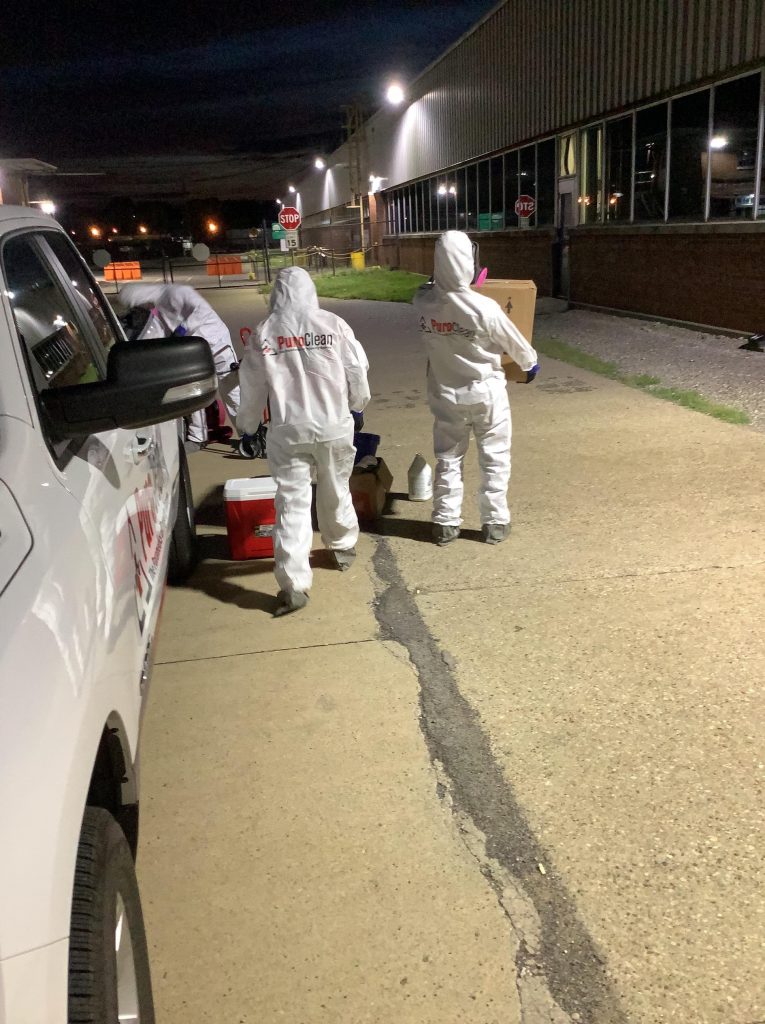
Professional mold remediation follows industry standards that DIY efforts cannot replicate. The process begins with comprehensive assessment using moisture meters, thermal imaging, and air quality testing to identify all affected areas, including hidden contamination.
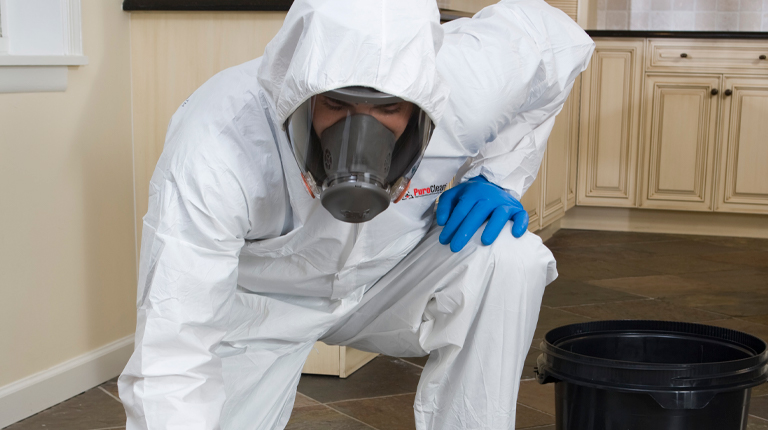
Next, professionals establish containment using physical barriers and negative air pressure systems. These prevent mold spores from spreading during remediation. All contaminated materials are removed following safety protocols and disposed of according to regulations.
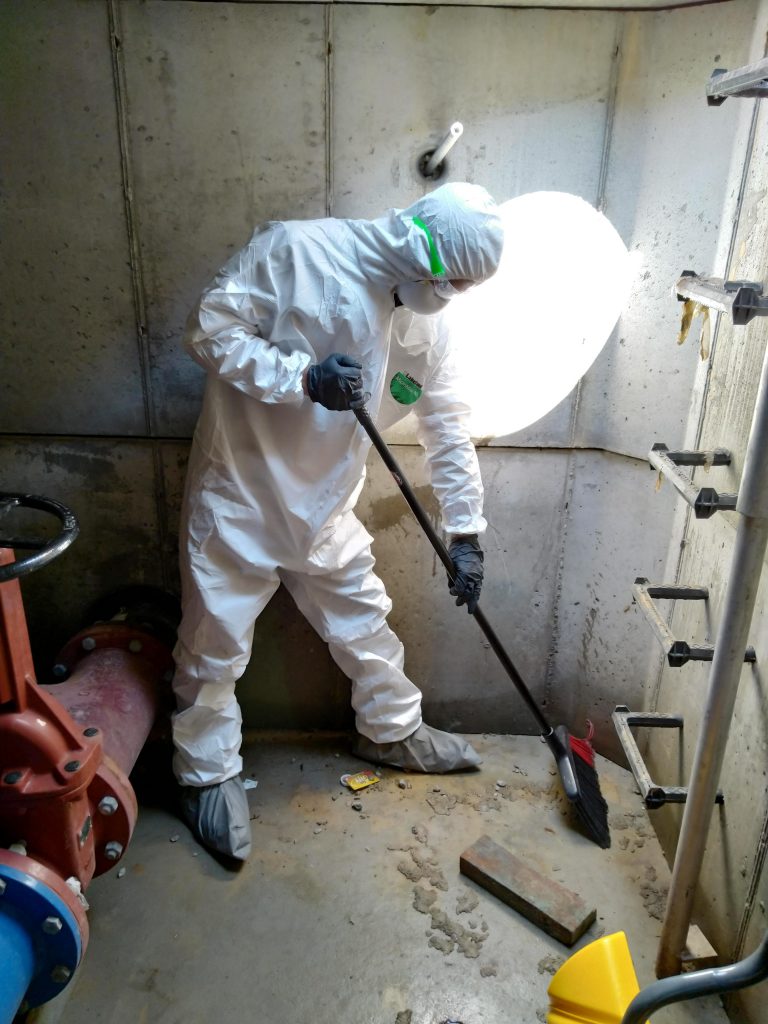
Surface remediation involves HEPA vacuuming, antimicrobial treatments, and sometimes media blasting for porous materials. Professionals address the moisture source, whether that’s repairing leaks, improving ventilation, or installing dehumidification systems.
Finally, post-remediation verification testing confirms the mold problem is resolved. Professional companies offer documentation and warranties, providing peace of mind that DIY efforts cannot guarantee.
How Do Professionals Handle Hoarding and Mold Simultaneously?
Companies experienced in hoarding situations understand that mold remediation cannot follow the gradual, person-centered pace ideal for hoarding recovery alone. They balance competing needs through careful planning and communication.
The process typically involves several phases. First, professionals work with the individual to identify items of highest value or sentimental importance. These are carefully removed, cleaned if possible, and stored safely away from contamination.
Second, mold remediation proceeds in the most severely affected areas where delay would worsen damage or health risks. Throughout this phase, teams maintain dignity and respect, explaining decisions and involving the person in choices wherever possible.
Third, once immediate health hazards are addressed, the pace can slow for sorting remaining possessions. This phased approach manages both urgent safety needs and psychological wellbeing.
What Health Risks Does Mold Pose in Hoarding Environments?
Mold exposure causes respiratory problems including chronic coughing, wheezing, and throat irritation. People with asthma or allergies experience worsened symptoms. Long-term exposure to certain molds may cause more serious conditions including chronic sinus infections and even neurological symptoms.
In hoarding environments, exposure often continues for extended periods before discovery. The high concentration of spores in poorly ventilated spaces intensifies health effects. Individuals may attribute their symptoms to other causes, not realizing their home environment is making them sick.
Certain populations face elevated risks including young children, elderly individuals, pregnant women, and anyone with compromised immune systems. Columbus families must take mold in hoarding situations seriously as a genuine health emergency, not merely an aesthetic concern.
Why Is Columbus Particularly Vulnerable to Mold in Homes?
Columbus’s climate creates conditions favorable to mold growth. The city experiences high humidity during summer months and significant temperature swings between seasons. These conditions promote condensation, especially in poorly ventilated homes.
Older housing stock common in Columbus neighborhoods may have existing moisture issues including foundation problems, outdated plumbing, or insufficient ventilation systems. When these structural vulnerabilities combine with hoarding conditions that prevent maintenance and airflow, mold problems escalate quickly.
Local professionals understand Columbus-specific factors including common construction types, seasonal moisture patterns, and building code requirements. This regional expertise ensures thorough remediation tailored to local conditions.
What Does Hoarding Recovery Look Like After Mold Remediation?
Physical cleanup is just the beginning. Successful recovery requires ongoing mental health support, typically including therapy with a provider experienced in hoarding disorder. Cognitive behavioral therapy (CBT) specifically adapted for hoarding has strong evidence of effectiveness.
Many individuals benefit from support groups where they connect with others facing similar challenges. Peer support reduces isolation and provides practical strategies for maintaining progress. Columbus offers several support group options through mental health centers and community organizations.
Preventing relapse requires developing new habits and thought patterns. This might include regular decluttering schedules, rules about acquisitions, and strategies for handling the anxiety that drives hoarding behaviors. Family involvement helps, particularly when relatives understand how to support without enabling.
How Can Families Support Loved Ones Through This Process?
Family support matters tremendously but must be offered skillfully. The most helpful approach combines clear boundaries with emotional warmth. You can refuse to enable hoarding while still expressing love and maintaining relationship connection.
Education helps families understand that hoarding is a mental health condition, not a choice or moral failing. This perspective shift reduces judgment and frustration. Attending family therapy sessions or support groups for relatives of people who hoard provides tools and understanding.
Celebrate small victories rather than focusing on what remains undone. Recovery happens incrementally. Acknowledging progress, even minor improvements, reinforces positive change and builds motivation.
Avoid ultimatums when possible, as they often backfire. However, establishing personal boundaries about what you will or won’t tolerate protects your own wellbeing. You can love someone while refusing to participate in or enable unsafe situations.
What Warning Signs Indicate Professional Help Is Needed?
Several red flags suggest DIY approaches are inadequate and professional intervention is necessary. Visible mold covering more than a small area (typically more than 10 square feet) requires professional remediation. Strong musty odors throughout the home indicate extensive hidden contamination.
Health symptoms including persistent coughing, breathing difficulties, or unexplained illnesses that improve when away from home suggest mold exposure. Structural damage including warped floors, stained ceilings, or peeling paint points to serious moisture problems requiring expert assessment.
From a hoarding perspective, warning signs include inability to use rooms for their intended purpose, fire hazards including blocked exits or overloaded electrical outlets, pest infestations, and accumulation of trash or spoiled food. Any of these conditions warrant professional intervention.
Frequently Asked Questions
How quickly does mold spread in a hoarded home?
Mold can begin growing within 24 to 48 hours of moisture exposure. In hoarding environments where leaks or moisture problems go unnoticed, contamination can spread throughout large sections of the home within weeks or months.
Will insurance cover mold remediation and hoarding cleanup?
Coverage varies significantly by policy. Some homeowner’s insurance covers mold remediation if it results from a covered peril like a burst pipe, but excludes coverage for long-term neglect. Hoarding cleanup is rarely covered. Consult your insurance provider for specific policy details.
Can we save possessions that have mold on them?
Some items can be professionally cleaned and saved, particularly hard, non-porous objects. Porous materials like upholstered furniture, mattresses, and papers are often impossible to fully decontaminate and require disposal. Professionals assess each situation individually.
How do we prevent mold from returning after remediation?
Prevention requires addressing moisture sources and maintaining adequate ventilation. This includes repairing leaks promptly, using dehumidifiers in damp areas, ensuring proper airflow, and maintaining the home at appropriate temperature and humidity levels.
What if my loved one refuses to acknowledge the mold problem?
Denial is common in both hoarding situations and when facing serious home damage. Sometimes involving a doctor who can explain health risks helps. In severe cases where safety is compromised, Adult Protective Services or legal intervention may become necessary.
Conclusion
The intersection of hoarding disorder and mold contamination creates unique challenges requiring specialized expertise. DIY approaches to mold removal in hoarding environments risk both health and emotional wellbeing, often worsening problems rather than solving them. Professional services provide the technical knowledge, safety equipment, and psychological understanding necessary for effective remediation and lasting recovery.
Columbus families facing these difficult situations need comprehensive support that addresses both the physical hazards and the emotional complexity of hoarding disorder. Professional services offer that holistic approach, helping families heal while restoring homes to safety.
If you’re dealing with mold, hoarding, or both in the Columbus area, PuroClean Home Savers provides expert remediation and compassionate support. Call (614) 689-0012 for immediate assistance. Their experienced team understands the unique challenges you’re facing and will work with you to create a safe, healthy home environment while respecting the emotional needs of everyone involved.
 PuroClean Home Savers