


Executive Summary
Columbus homeowners face unique electrical fire risks due to the city’s diverse housing stock, ranging from historic homes with outdated wiring to modern properties with high electrical demands. Approximately 24,000 electrical fires occur annually in residential properties across the United States, with older homes being particularly vulnerable. This guide identifies hidden electrical dangers specific to Columbus area homes, provides practical prevention strategies, and explains what to do when electrical problems arise. If you experience fire damage or need immediate restoration assistance, PuroClean Home Savers is available 24/7 at (614) 689-0012 to help Columbus residents recover quickly and safely.

What Makes Columbus Homes Particularly Vulnerable to Electrical Fires?
Columbus has a significant number of homes built before 1980, when electrical codes were less stringent and household electrical demands were much lower. These older properties often have 60 or 100-amp electrical services that struggle to meet modern needs for computers, large appliances, air conditioning, and home entertainment systems.
The climate in Columbus creates additional challenges. Cold winters drive up heating costs, leading homeowners to use portable heaters that strain electrical systems. Hot, humid summers require air conditioning that pushes older electrical systems to their limits. The combination of extreme temperatures and high humidity accelerates the deterioration of electrical components.
Many Columbus neighborhoods feature charming older homes with original electrical systems never designed for today’s technology. Knob-and-tube wiring, common in homes built before 1950, lacks the grounding that provides critical safety protection. Even homes with updated panels may still have old wiring hidden behind walls, creating invisible fire hazards.
Historic districts in German Village, Victorian Village, and other established neighborhoods present unique challenges because renovation restrictions sometimes limit electrical upgrades. Homeowners must balance preservation requirements with safety needs, making professional guidance essential.
How Can You Identify Hidden Electrical Problems Before They Cause Fires?
Hidden electrical problems reveal themselves through subtle clues most homeowners miss. Lights that dim when appliances turn on indicate insufficient electrical capacity or poor connections. This dimming shows the system struggling to distribute power properly, creating heat at connection points.
Outlets with scorch marks around the openings show overheating has already occurred. The discoloration results from electrical arcing or sustained high temperatures that damaged the plastic covering. These outlets must be replaced immediately, not simply painted over.
A metallic or burning smell near your electrical panel suggests overheating components inside. The panel contains numerous connections that can corrode over time, creating resistance that generates dangerous heat. This requires immediate professional attention.
Warm faceplates on switches or outlets indicate excessive heat buildup. While some warmth is normal with heavy use, faceplates should never be hot to the touch. This heat suggests dangerous conditions developing within the electrical box.
Static on radios, TVs, or other electronics when lights are turned on or appliances operate indicates electrical interference from arcing within your wiring system. This arcing creates electromagnetic fields that disrupt signals and generates the heat that starts fires.
The Martinez Family’s Wake-Up Call
The Martinez family purchased their dream home in Clintonville three years ago. The 1940s brick colonial had been partially updated, and the inspector noted the electrical panel had been upgraded to 200 amps. They assumed everything was safe because of the modern panel.
Last winter, Maria Martinez noticed their bedroom lights flickered whenever the furnace started. Her husband dismissed it as normal for an older home. Over the next few weeks, the flickering became more frequent and began affecting other rooms.
One Saturday afternoon, their teenage daughter reported a strange smell in the basement. Carlos Martinez investigated but could not identify the source. That evening, while the family watched television, the lights flickered intensely, then went dark. Smoke began seeping from an air vent.
They evacuated immediately and called 911. Firefighters discovered smoldering insulation inside the wall behind the electrical panel. The fire had been burning slowly for hours. Despite the upgraded panel, the wiring from the panel to the rooms was original cloth-insulated wire from the 1940s. This wiring had deteriorated, and a loose connection had created an arc that ignited the old insulation.
The Martinez family was fortunate. The fire department contained the blaze before it spread beyond the wall cavity. However, they faced extensive repairs, had to live elsewhere for six weeks, and learned that upgrading only the electrical panel without inspecting the entire system created a false sense of security.
They now have a completely rewired home and urge other Columbus homeowners to have comprehensive electrical inspections, not just panel evaluations. That investment would have cost less than a quarter of what they spent on fire damage restoration.
What Are the Most Common Electrical Fire Causes in Older Columbus Homes?
Outdated wiring systems top the list of electrical fire causes in Columbus homes built before 1970. These systems were designed when households used a fraction of today’s electrical power. Air conditioning, computers, large-screen televisions, and multiple phone chargers create loads these old systems cannot safely handle.
Cloth-insulated wiring, common in Columbus homes from the 1930s through 1950s, becomes brittle over decades of use. The fabric insulation disintegrates, exposing bare wires that short against metal boxes, conduits, or each other. This creates sparks that ignite the remaining cloth insulation and surrounding materials.
Fuse boxes in older homes lack the circuit breaker protection that modern panels provide. Homeowners often install oversized fuses to stop them from blowing repeatedly, defeating the safety mechanism designed to prevent overheating. This allows wires to heat beyond safe temperatures without interrupting power.
Amateur electrical modifications create substantial risks. Previous owners often added outlets, switches, or circuits without permits or proper training. These improper installations may function for years before failing catastrophically. Without visible signs of the poor workmanship, new homeowners remain unaware of the danger.
Inadequate grounding represents another common problem. Three-prong outlets in older homes sometimes were installed without actually adding a ground wire. This creates shock hazards and removes an important fire safety mechanism that diverts excess current safely into the ground.
Why Do Electrical Fires Happen More Often During Certain Times of Year?
Winter electrical fires spike dramatically in Columbus due to heating demands. Portable space heaters draw 1,500 watts, roughly equivalent to running 15 standard light bulbs simultaneously. When multiple heaters operate on circuits also serving lights, outlets, and other devices, the total load exceeds safe capacity.
Frozen pipes drive homeowners to use heat tape or space heaters in basements and crawl spaces. These prolonged heating periods can cause overheating if the equipment malfunctions or is improperly installed. Extension cords rated for light duty cannot safely power space heaters, but many people use them anyway.
Holiday lighting creates temporary but serious fire risks. Outdoor lights not rated for exterior use deteriorate rapidly from moisture and temperature changes. Connecting too many light strands together overloads the wiring in the first strand, creating heat that melts insulation.
Summer air conditioning loads stress electrical systems differently. Central air conditioners draw significant power when starting up, creating voltage drops that can damage other electronic devices and overheat wiring at loose connections. Window units plugged into inadequate circuits or extension cords pose even greater risks.
Spring storms in Columbus bring power surges from lightning strikes and grid fluctuations when power restores after outages. These surges can damage electrical components, creating weaknesses that fail later and start fires. Whole-house surge protection provides valuable defense against these events.
How Do Modern Electronics Change Electrical Fire Risk?
Today’s homes contain far more electronic devices than homes from even 20 years ago. Smart home devices, computers, gaming systems, streaming equipment, and phone chargers operate continuously, drawing power 24/7. This constant load generates sustained heat that older wiring systems never experienced.
Cheap charging adapters and counterfeit electronics lack proper safety certifications and may contain substandard components that overheat or short circuit. These devices often pass basic functionality tests but fail under sustained use or slightly elevated temperatures, catching fire hours after being plugged in.
Power strips and surge protectors get overloaded when people plug multiple high-draw devices into them. Each outlet on a power strip shares the total capacity of the strip, typically 15 amps. Adding a space heater, vacuum cleaner, and hair dryer to the same strip can easily exceed this limit.
Electric vehicle charging adds substantial loads to home electrical systems. A Level 2 EV charger can draw 7,200 watts continuously for hours, comparable to running a powerful air conditioner. Many Columbus homes need electrical service upgrades to safely support EV charging without overloading their existing systems.
Battery charging for cordless tools, electric bikes, and hoverboards presents unique risks. Lithium-ion batteries can overheat during charging, and low-quality chargers lack temperature monitoring that prevents thermal runaway. Always charge these devices on non-flammable surfaces, away from exits, and never overnight when you are sleeping.
What Should You Look for During a Professional Electrical Inspection?
A thorough electrical inspection examines your entire system from the service entrance to every outlet and switch. Inspectors check that your electrical service provides adequate amperage for your home’s size and electrical demands. Most modern homes need 200-amp service, while older homes often have only 60 or 100 amps.
The condition of your electrical panel receives close scrutiny. Inspectors look for signs of overheating, corrosion, improper breaker sizes, double-tapped breakers where two wires connect to a single breaker, and outdated panel types known to be fire hazards, like Federal Pacific and Zinsco panels.
All visible wiring should be examined for proper insulation, secure connections, and appropriate sizing for the circuits they serve. Inspectors test a sample of outlets for proper grounding and correct polarity. GFCI and AFCI protection should be present where required by code.
The inspection should include checking that junction boxes are covered, wires are properly secured, and there are no signs of amateur work like exposed splices or wiring running through studs without proper protection. Thermographic imaging can identify hot spots indicating problems hidden behind walls.
Most importantly, inspectors verify that your system meets current electrical codes. While older systems may be grandfathered, knowing where your system falls short helps you prioritize safety upgrades. A comprehensive inspection report guides decisions about repairs and improvements.
Can You Prevent Electrical Fires Without Major Renovations?
Significant fire safety improvements are possible without complete rewiring. Installing Arc Fault Circuit Interrupters dramatically reduces fire risk by detecting dangerous electrical arcing and shutting off power before fires start. These can be installed at the circuit breaker level or as AFCI outlets at the beginning of each circuit.
Replacing old outlets and switches eliminates connection points where corrosion and looseness create heat. Modern outlets grip plugs more securely, reducing resistance and heat generation. Tamper-resistant outlets add safety if you have young children.
Regular electrical panel maintenance catches problems before they become emergencies. Have a licensed electrician tighten all connections annually, as they can loosen over time from thermal cycling as wires heat and cool. This simple maintenance prevents many electrical fires.
Reducing electrical loads through energy-efficient appliances, LED lighting, and better power management extends the safe capacity of existing systems. Each reduction in power consumption reduces heat generation throughout your electrical system.
Strategic circuit additions can distribute loads more evenly across your electrical system. Adding a dedicated circuit for window air conditioners or other high-draw appliances prevents overloading existing circuits and significantly reduces fire risk.
What Are the Warning Signs of Imminent Electrical Fire Danger?
Sparking from outlets or switches indicates dangerous electrical arcing that requires immediate attention. Any visible spark when plugging in devices or flipping switches shows electricity jumping across gaps where solid connections should exist. Shut off power to that circuit immediately.
Burning smells, especially a fishy or plastic odor, indicate overheating electrical components. If you cannot immediately identify the source, shut off your main breaker and call an electrician. Do not restore power until the problem has been identified and corrected.
Circuit breakers that trip repeatedly are protecting your home from overload or short circuit conditions. Resetting the breaker without addressing the underlying cause allows dangerous heat to build up each time. After a circuit trips twice, call an electrician before using it again.
Sizzling or buzzing sounds from outlets, switches, or your electrical panel indicate electrical arcing or loose connections vibrating under electrical load. These sounds often precede visible sparking or fire and require immediate professional attention.
Discolored or melted outlet covers show that severe overheating has already occurred. The outlet and likely the wiring connected to it have been damaged and must be replaced. Simply changing the cover leaves the fire hazard intact.
How Should Columbus Homeowners Handle Electrical Emergencies?
Know where your electrical panel is located and how to shut off the main breaker. In emergencies, shutting off all power prevents further damage and eliminates shock hazards for firefighters and rescue personnel. Label your main breaker clearly and ensure all household members know where it is.
If you see smoke or fire from an electrical source, evacuate immediately and call 911 from outside. Do not attempt to fight electrical fires with water, as water conducts electricity and can spread the fire while electrocuting you. Only use fire extinguishers rated for electrical fires, marked Class C.
After any electrical fire, even one you successfully extinguished, have the entire electrical system professionally inspected before restoring power. Fires often damage wiring and connections beyond the visible burn area, and energizing damaged systems can restart fires inside walls.
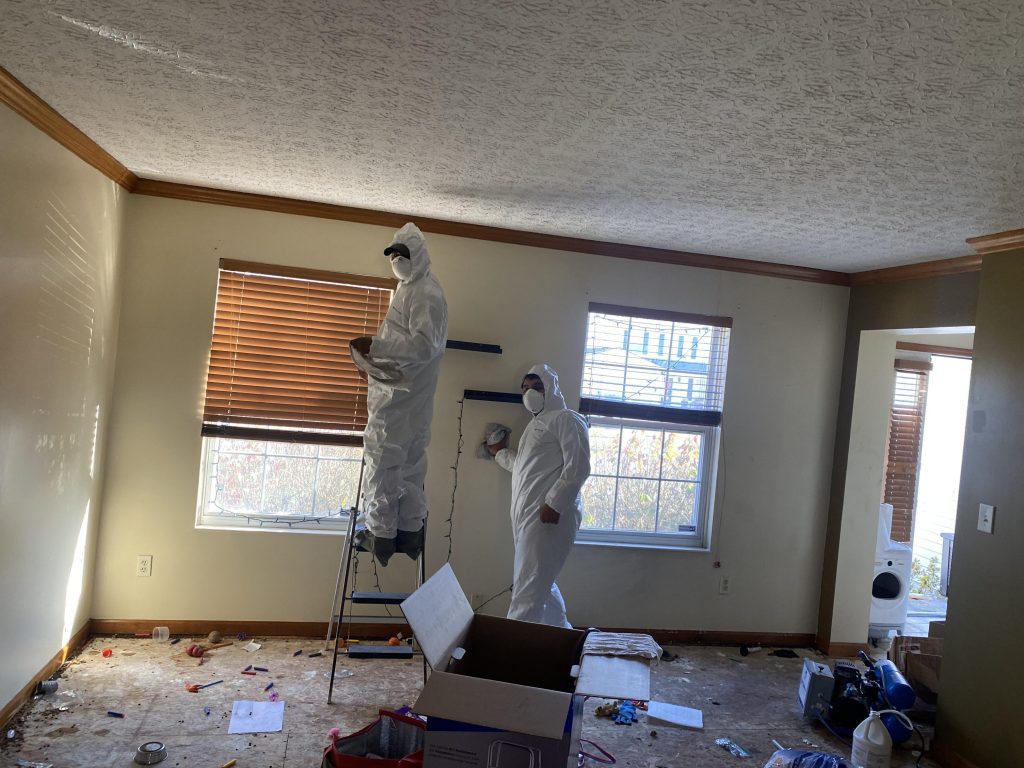
Document damage thoroughly with photos and videos for insurance claims. Contact a professional restoration company immediately to prevent secondary damage from smoke and soot. PuroClean Home Savers serves Columbus and surrounding areas 24/7, providing emergency response and comprehensive fire damage restoration. Call (614) 689-0012 to begin the recovery process.
Keep emergency contact information easily accessible, including your electrician, insurance agent, and restoration services. In the stress of an emergency, having these numbers readily available saves precious time.
What Role Does Humidity Play in Electrical Fire Risk?
Columbus’s humid summers create conditions that accelerate electrical system deterioration. Moisture corrodes connections, creating resistance that generates heat. Basements and crawl spaces with poor ventilation allow moisture to attack electrical components continuously.
Condensation forms on cold surfaces when warm, humid air contacts them. Electrical boxes in exterior walls or near air conditioning ducts can accumulate moisture that damages wiring and connections. Proper insulation and vapor barriers reduce this condensation risk.
High humidity makes some materials more conductive. Dust that accumulates on electrical components absorbs moisture and can create paths for electrical current where none should exist. Regular cleaning of electrical panels, outlets, and appliances reduces this risk.
Dehumidifiers protect electrical systems in damp basements but add to the electrical load. These devices draw significant power continuously, so they should plug into dedicated circuits and be maintained regularly to prevent them from becoming fire hazards themselves.
How Do Smart Home Devices Affect Electrical Fire Safety?
Smart electrical panels provide real-time monitoring of power consumption across individual circuits, alerting you to unusual patterns that might indicate developing problems. These systems track baseline usage and notify you when circuits draw more power than normal, giving early warning of potential issues.
Smart smoke detectors connect to your phone and can alert you to fires even when you are away from home. Some integrate with smart electrical systems to automatically shut off power when they detect smoke, potentially preventing electrical fires from spreading.
Connected outlets let you monitor energy use and control power remotely. They can automatically shut off devices that draw excessive power or show signs of malfunction. This capability prevents fires from devices left on accidentally or malfunctioning when no one is home.
Temperature sensors placed near electrical panels and major appliances provide early warning of overheating. These affordable devices send alerts to your smartphone when temperatures exceed safe thresholds, giving you time to shut off power and address problems before fires start.
What Questions Should You Ask When Hiring an Electrician?
Verify licensing and insurance before allowing anyone to work on your electrical system. Ohio requires electricians to be licensed, and reputable contractors carry both liability insurance and worker’s compensation. Ask for proof and verify it directly with the issuing agencies.
Request references from recent customers and check online reviews. Electrical work is too important to trust to anyone without a proven track record of quality, safe installations. Contact references and ask specifically about the electrician’s attention to safety and code compliance.
Get detailed written estimates that itemize materials, labor, and timeline. The lowest bid is rarely the best choice for electrical work. Compare what each contractor proposes to do, not just the price. Cutting corners on electrical work creates life-threatening hazards.
Ask about warranty coverage on both labor and materials. Reputable electricians stand behind their work with meaningful warranties, typically one year on labor and manufacturers’ warranties on parts. Get warranty terms in writing before work begins.
Confirm the electrician will obtain necessary permits and schedule inspections. Permitted work ensures compliance with codes and provides documentation that protects your property value. Unpermitted electrical work can complicate home sales and insurance claims.
When Should You Upgrade Your Entire Electrical System?
Complete electrical system replacement becomes necessary when inspection reveals widespread deterioration, outdated wiring throughout the house, or an electrical panel known to be defective. Federal Pacific and Zinsco panels have documented failure rates that justify replacement regardless of apparent condition.
Planning major renovations provides an ideal opportunity for electrical upgrades. Opening walls for other work allows electrician access without additional demolition costs. Coordinating electrical updates with other improvements maximizes value and minimizes disruption.
Adding significant electrical loads like central air conditioning, electric vehicle charging, or a home addition often requires service upgrades. Your electrical system has finite capacity, and attempting to exceed it creates fire hazards. Professional load calculations determine what your system can safely support.
Frequent electrical problems indicate systemic issues rather than isolated failures. If you are calling electricians regularly for different problems throughout your home, comprehensive system evaluation and likely replacement will prove more economical and safer than continued piecemeal repairs.
Preparing to sell your home makes electrical upgrades valuable investments. Modern, code-compliant electrical systems command premium prices and speed sales. Home inspections frequently identify electrical deficiencies that delay closings or reduce offers, so addressing them proactively provides better returns.
Frequently Asked Questions
How can I tell if my Columbus home needs a complete electrical system upgrade?
Signs include frequent breaker trips, dimming lights when appliances run, only two-prong outlets throughout the house, a fuse box instead of circuit breakers, or an electrical service under 100 amps. Homes built before 1970 often need upgrades. A licensed electrician can perform a load calculation and system assessment to determine if your current system meets your needs safely.
What is the average cost of rewiring a house in Columbus?
Complete rewiring typically costs between $6,000 and $12,000 for an average Columbus home, depending on size, accessibility, and specific requirements. Homes with finished basements or multiple stories cost more due to additional labor. While expensive, rewiring eliminates fire hazards, increases home value, and provides peace of mind. Many contractors offer financing options for this essential safety upgrade.
Are portable generators safe to use during power outages?
Portable generators are safe when used correctly but pose serious risks when misused. Never run generators indoors or in garages due to deadly carbon monoxide buildup. Always use heavy-duty, outdoor-rated extension cords. Better yet, have a licensed electrician install a transfer switch that connects the generator to your electrical panel safely. Never backfeed power into your panel without a transfer switch, as this can electrocute utility workers.
Can I replace outlets and switches myself to save money?
Ohio law allows homeowners to perform electrical work in their own single-family residences, but this does not mean it is wise to do so. Improper electrical work causes fires and creates liability issues if it contributes to property damage or injury. Unless you have thorough knowledge of electrical codes and safety procedures, hire a licensed electrician. The modest savings from DIY work is not worth the substantial risks.
How often should I test my smoke detectors and fire extinguishers?
Test smoke detectors monthly by pressing the test button. Replace batteries annually, typically when changing clocks for daylight saving time. Replace entire smoke detector units every 10 years regardless of whether they seem to work. Check fire extinguisher pressure gauges monthly. Extinguishers need professional inspection annually and replacement every 10-12 years even if unused.
What should I do if I smell something burning but cannot locate the source?
Shut off your main electrical breaker immediately and evacuate your home. Call 911 from outside and report a potential electrical fire. Do not turn power back on until firefighters or electricians have identified the source and confirmed it is safe. Many electrical fires smolder inside walls for hours before becoming visible, and that burning smell indicates serious danger requiring professional response.
Are extension cords safe for permanent use?
No. Extension cords are designed for temporary applications only. Using them permanently indicates insufficient outlets in your home. Have an electrician install additional outlets where you need them. Extension cords deteriorate over time, especially when run under rugs or furniture where damage is invisible. This deterioration creates fire hazards that proper wiring eliminates.
Should I be concerned about aluminum wiring in my home?
Yes. Homes built between 1965 and 1973 often contain aluminum wiring, which requires special handling and connections. Aluminum oxidizes at connection points, creating resistance and heat. Have a qualified electrician inspect all aluminum wire connections and install copper pigtails where needed. Properly maintained aluminum wiring can be safe, but it requires more attention than copper wiring.
Conclusion
Columbus homeowners face diverse electrical fire risks depending on their home’s age, condition, and how they use electricity. Understanding these risks and taking proactive prevention steps protects your family and property from devastating fires. The Martinez family’s experience demonstrates that partial updates create false confidence. Comprehensive electrical inspections identify all hazards, not just obvious ones.
Regular maintenance, professional inspections, appropriate upgrades, and awareness of warning signs form the foundation of electrical fire prevention. Do not wait for problems to become emergencies. Schedule an electrical safety inspection today, especially if your home was built before 1980 or shows any warning signs discussed in this guide.
If you experience an electrical fire or need emergency restoration services, PuroClean Home Savers provides 24/7 response throughout Columbus and surrounding communities. Their certified technicians handle fire damage restoration, smoke remediation, and complete reconstruction services. Call (614) 689-0012 immediately after an electrical fire to begin professional restoration and protect your home from additional damage. Their experienced team understands the urgency of fire damage and works quickly to restore your property and your peace of mind.