 PuroClean Home Savers
 Executive Summary
Columbus homeowners facing water damage need rapid professional response to prevent devastating mold growth and structural deterioration. This comprehensive guide explains critical first actions, professional water extraction processes, and the hidden dangers of delayed response. Learn proven strategies for protecting your property, understanding restoration timelines, and working effectively with insurance companies while avoiding costly mistakes that turn minor water incidents into major reconstruction projects.
What Makes Water Damage Such an Urgent Emergency in Columbus Homes?
Water damage operates on accelerated timelines that surprise most homeowners. Columbus’s climate creates ideal conditions for rapid deterioration, with humidity levels supporting microbial growth and temperature fluctuations stressing building materials. Professional restoration experts measure water damage progression in hours, not days, because material degradation begins immediately upon water contact.
Porous building materials act like sponges, absorbing water continuously until reaching saturation. Drywall absorbs water vertically at roughly 1 inch per hour and horizontally at similar rates. This means a small leak at floor level can affect drywall 8-12 inches high within half a day. Wood framing, insulation, and subflooring absorb even more aggressively, with particle board subflooring swelling 50% within 24 hours of water exposure.
The mold timeline drives urgency more than any other factor. Mold spores exist naturally in every home, waiting for moisture and organic material to begin reproduction. Given favorable conditions, which Columbus water damage provides, spores germinate within 24-48 hours. Visible mold colonies establish within 72-96 hours. Once mold colonizes materials, simple water removal transforms into complex remediation requiring containment, specialized treatment, and often material removal.
Secondary damage costs typically exceed initial damage by 300-500% when response delays extend beyond 48 hours. A $2,000 immediate response project becomes a $8,000-$12,000 reconstruction when homeowners wait, hoping materials will dry naturally or attempting inadequate DIY cleanup.
How Do Columbus Weather Patterns Create Specific Water Damage Risks?
Columbus experiences distinct seasonal water threats requiring year-round vigilance. Spring brings intensive rainfall, with March through May averaging 3.5-4 inches monthly and occasional storms delivering 2+ inches in single events. Rapid snowmelt during early spring warm spells overwhelms drainage systems, driving water against foundations and into basements through hydrostatic pressure.
Summer thunderstorms create flash flooding risks. July and August produce severe thunderstorms with intense localized rainfall exceeding soil absorption capacity. These events push surface water toward lowest points, flooding basements, overwhelming sump pumps, and finding entry through foundation cracks and window wells.
Fall introduces unique challenges through temperature fluctuations. Daytime temperatures in the 60s-70s drop to nighttime lows in the 30s-40s, creating condensation on cold surfaces and freeze-thaw cycles affecting building materials. Gutters clog with leaves, directing water against siding and saturating soil adjacent to foundations rather than channeling it away from structures.
Winter freezing creates Columbus’s most common water damage scenario through burst pipes. When temperatures drop below 20°F for extended periods, pipes in exterior walls, unheated crawlspaces, and attics freeze. Ice expansion cracks pipes, but damage remains hidden until thawing releases hundreds or thousands of gallons into living spaces. The freeze-thaw-freeze pattern of Columbus winters means multiple risk periods throughout the season.
What Should You Do Immediately When You Discover Water Damage?
The first 15 minutes of response determine restoration outcomes more than any other factor. Safety must dominate initial actions. If water has reached electrical outlets, appliances, light fixtures, or the electrical panel, shut off power at the main breaker before entering affected areas. Never walk through standing water in rooms with active electrical service, as electrocution risks are severe and often fatal.
Stop the water source using whatever means available. Shut off the main water valve for burst pipes, close supply valves to overflowing appliances, or seal exterior openings during storm intrusion. Every minute water continues entering adds gallons to extraction requirements and increases affected area size. Locate your main water shutoff before emergencies occur so you can act within seconds rather than searching during crisis situations.
Document conditions thoroughly before touching anything. Insurance companies require evidence of damage extent and conditions. Take photos and videos from multiple angles, showing water levels, affected areas, damaged materials, and impacted belongings. Record video narration describing what happened, when you discovered damage, and actions you have taken. This documentation becomes critical for claims processing and protects your coverage.
Contact professional emergency water removal services immediately, not after attempting DIY cleanup. While waiting for professionals, begin protecting undamaged areas by moving furniture, electronics, and valuables to dry locations. Place aluminum foil or wood blocks under furniture legs to prevent staining and absorption. Remove small rugs and portable items. Mop up small amounts of standing water with towels, but do not attempt major extraction with household equipment as this often spreads contamination and misses hidden moisture.
Why Cannot Standard Household Equipment Handle Water Extraction Adequately?
Shop vacuums and household wet/dry vacuums lack capacity, power, and specialized features for effective water damage mitigation. Standard consumer wet/dry vacuums hold 5-15 gallons and generate 80-120 CFM (cubic feet per minute) of suction. A moderate water damage scenario releases 200-500 gallons requiring dozens of tank emptying cycles and fails to extract moisture from carpet padding, subflooring, or wall cavities.
Professional truck-mounted extraction systems generate 200-400 CFM through 2-3 inch diameter hoses, removing 95% of absorbed water in single passes. These systems create negative pressure powerful enough to pull water from deep within building assemblies, not just surface areas. Heat injection accelerates extraction while providing antimicrobial benefits that household equipment cannot match.
Moisture that household equipment misses creates progressive hidden damage. Carpet padding retains 60-80% of water after consumer vacuum extraction but only 5-10% after professional extraction. That remaining moisture wicks into subflooring, wall bottom plates, and adjacent materials, expanding damage zones and creating mold growth sites homeowners cannot see until much later.
Household equipment offers no moisture detection capability. Professional teams use moisture meters accurate to 0.1% measuring exact moisture content in various materials. Pin meters test specific locations while pinless meters scan large areas quickly. Thermal imaging cameras visualize moisture patterns through walls, ceilings, and floors. This technology-driven approach identifies all affected areas, not just obvious wet spots.
What Exactly Happens During Professional Emergency Water Removal?
Professional response begins with comprehensive assessment, not immediate extraction. Technicians inspect all affected and potentially affected areas, using moisture meters and thermal cameras to map damage extent. They identify water category, assess electrical hazards, evaluate structural safety, and develop extraction and drying plans specific to your situation.
Water extraction represents the most visible phase. Technicians deploy truck-mounted extractors or high-capacity portable units depending on access and affected area location. Specialized wands and tools extract water from carpets, hardwood floors, tile, and other surfaces. Technicians often remove baseboards to access wall cavities and pull carpet back to extract padding moisture and treat subflooring.
Controlled demolition follows extraction when necessary. Water-damaged drywall cut 12-24 inches above visible waterlines allows wall cavity drying and prevents ongoing wicking. Insulation saturated with water, especially in Category 2 or 3 situations, requires removal as it cannot be adequately dried or sanitized. Damaged ceiling tiles, compromised subflooring sections, and non-salvageable materials get removed to prevent mold growth and enable proper drying.
Drying equipment deployment creates the engineered environment needed for thorough moisture removal. Air movers position strategically to direct airflow across wet surfaces and into wall cavities. Dehumidifiers remove moisture from air, preventing reabsorption and maintaining conditions favorable for continued evaporation. Professional placement based on psychrometric calculations rather than random positioning makes the difference between 3-day and 10-day drying times.
Monitoring and adjustment continue throughout drying. Technicians return daily or every other day to take moisture readings, adjust equipment positions, and verify progress toward drying goals. They document readings for insurance purposes and adjust timelines based on actual conditions rather than estimates. This active management prevents under-drying that leaves hidden moisture and over-drying that damages materials.
Can You Actually Prevent Mold Growth After Water Damage Happens?
Mold prevention after water damage depends entirely on response speed and thoroughness. Mold requires moisture, organic material, and time. You cannot eliminate organic materials (drywall, wood, carpet all support mold), but you can eliminate moisture before mold establishes. The 24-48 hour window represents your complete mold prevention opportunity.
Professional water removal within 24 hours nearly guarantees mold prevention. Rapid extraction removes free water, while immediate drying equipment deployment reduces material moisture content below the 20% threshold mold needs for germination. Materials dried to below 15% moisture content within this window show no mold growth even months later.
Antimicrobial treatments provide additional protection during the vulnerable period between extraction and complete drying. EPA-registered antimicrobial products applied to affected surfaces after extraction inhibit mold spore germination even if small amounts of moisture remain during drying. These treatments do not replace proper drying but add protection against opportunistic growth.
Hidden moisture represents the primary mold risk after apparent drying completes. Wall cavities, subflooring, and insulation can retain moisture while surface materials test dry. Mold growing behind walls often goes undetected for weeks or months until odors or visible staining appears. Thermal imaging and comprehensive moisture mapping during initial response identifies these hidden moisture zones before mold establishes.
Complete drying verification prevents mold surprises. Professional technicians take final moisture readings from multiple materials and locations, comparing results against baseline dry readings for your area. Materials must reach equilibrium moisture content matching normal indoor conditions before projects close. Homeowners attempting DIY drying lack equipment to verify complete moisture removal and often declare victory based on surface appearance rather than actual moisture content.
A Columbus Story: The Thompson Family’s Basement Disaster and Quick Recovery
The Thompson family’s experience demonstrates both water damage speed and the importance of immediate professional response. On a January Saturday morning, their Columbus area home’s washing machine supply hose burst during a cycle. The failure occurred on the second floor laundry room at approximately 10 AM while the family was running errands.
They returned at 2:30 PM to find water cascading through the kitchen ceiling directly below the laundry room and spreading across the basement ceiling beneath the kitchen. Four and a half hours of unrestricted water flow had released an estimated 500+ gallons through multiple levels of their home.
Mrs. Thompson called PuroClean Home Savers at (614) 689-0012 within 10 minutes of discovery while Mr. Thompson shut off the main water valve. The emergency response team arrived within 70 minutes and began assessment at 4 PM, just 5.5 hours after the initial failure.
The team extracted 200+ gallons of standing water, removed soaked ceiling tiles and insulation, pulled back carpet and padding in affected basement areas, and positioned 8 air movers with 2 commercial dehumidifiers. Drywall in the kitchen ceiling required replacement, but wall structures remained intact. Total drying completed in 4 days, with reconstruction finishing within 2 weeks.
The lesson from the Thompson situation centers on immediate response despite weekend timing. Had they waited until Monday to call professionals, mold would have established in ceiling cavities and wall assemblies, requiring complete remediation. Their insurance adjuster specifically noted that prompt professional contact saved an estimated $15,000 in additional mold remediation and expanded reconstruction costs. The family now keeps emergency service numbers readily accessible and inspects appliance hoses quarterly.
How Much Does Emergency Water Removal Cost in Columbus?
Emergency water removal pricing reflects damage scope, contamination level, and response timing. Basic Category 1 clean water extraction affecting 200-400 square feet typically costs $1,800-$3,500 including extraction, antimicrobial treatment, drying equipment, and monitoring. This represents emergency mitigation only, not final reconstruction.
Category 2 water damage from appliance overflows or toilet backups (urine only) increases costs 20-40% due to additional sanitization requirements, protective equipment use, and disposal procedures. Category 3 sewage or flooding damage often doubles base pricing because of hazmat protocols, specialized equipment, and extensive antimicrobial treatment necessities.
Affected area size directly impacts pricing. Water damage affecting multiple rooms, multiple levels, or large open areas requires more extraction equipment, additional air movers and dehumidifiers, extended labor hours, and longer monitoring periods. A finished basement flood affecting 1,000+ square feet may cost $6,000-$12,000 for emergency services before reconstruction begins.
Equipment operation represents significant cost components. Commercial air movers used in restoration typically cost companies $50-75 daily to operate including electricity and maintenance. Large dehumidifiers run $75-125 daily. Projects requiring 8-12 air movers and 2-4 dehumidifiers operating for 4-5 days accumulate substantial equipment costs, though professional companies include these in project pricing rather than charging separate daily rates.
Insurance coverage typically handles emergency water removal costs for covered perils including sudden pipe failures, appliance malfunctions, and storm damage not classified as flooding. Most policies provide actual cash value or replacement cost coverage for contents and structures. Deductibles apply, usually $500-$2,500 depending on policy terms. Flood damage requires separate flood insurance policies. Working with restoration companies experienced in insurance processes maximizes claim success and minimizes homeowner out-of-pocket costs.
What Questions Must You Ask Emergency Water Removal Companies Before Hiring?
Response time capability tops critical questions. Ask specifically how quickly technicians can arrive on-site, not when they answer phones. True 24/7 emergency service means technician arrival within 60-90 minutes anywhere in Columbus and immediate suburbs, even at 3 AM on holidays. Companies offering daytime-only service or next-day response fail to meet emergency standards.
Certification credentials verify professional competence. Ask if technicians hold IICRC (Institute of Inspection Cleaning and Restoration Certification) WRT (Water Damage Restoration Technician) or higher certifications. Inquire about company certification as an IICRC Certified Firm, which requires multiple certified technicians and ongoing education. Request information about other specialized certifications in mold remediation, structural drying, or contents restoration if relevant to your situation.
Equipment inventory determines project capability. Ask what extraction equipment they will deploy initially and what additional resources are available if assessment reveals more extensive damage. Request specifics about air mover quantities, dehumidifier types and capacities, and moisture detection tools. Companies maintaining substantial equipment inventories handle large projects efficiently, while those renting equipment as needed introduce delays.
Insurance experience affects your claim outcome. Ask if they work directly with insurance companies, provide detailed documentation using industry-standard estimating software (like Xactimate), and assist with claims processes. Request references from recent insurance projects. Companies experienced in insurance restoration understand carrier requirements, documentation standards, and communication protocols that smooth settlements.
Project management and communication protocols impact your experience. Ask who your primary contact will be, how often you will receive updates, and how they handle after-hours questions during multi-day projects. Clarify whether the same technicians monitor daily progress or if different crews rotate through. Consistent technician assignment and clear communication prevent misunderstandings and ensure quality.
When Does Water Damage Require Immediate Professional Help vs DIY Cleanup?
Call professionals immediately for any water damage involving more than 25-50 gallons, affecting multiple rooms, involving Category 2 or 3 water, or threatening structural materials. These situations exceed household equipment capabilities and risk significant secondary damage and health hazards without proper treatment.
Category 2 and 3 water contamination demands professional response regardless of volume. Water from toilet overflows, dishwasher or washing machine backflows, sump pump failures, or sewage backups contains bacteria, chemicals, and potential pathogens requiring specialized handling. DIY cleanup attempts expose you to serious health risks including bacterial infections, viral transmission, and chemical exposure. Professional teams use personal protective equipment, EPA-registered antimicrobials, and proper disposal methods protecting your health.
Water affecting hidden areas requires professional moisture detection and extraction. If water has entered wall cavities, traveled to other rooms, soaked subflooring, or affected ceiling assemblies, professional equipment becomes necessary. These hidden moisture pockets create progressive damage and mold growth that DIY surface drying cannot address. Thermal imaging identifies moisture invisible to homeowners, preventing future problems.
Hardwood flooring water damage needs professional assessment and specialized drying. Hardwood absorbs water, cups, crowns, and separates without proper drying techniques. Professional wood floor drying systems inject warm, dry air beneath flooring while monitoring moisture content during gradual reduction. DIY attempts usually result in permanent floor damage requiring replacement.
Truly minor incidents may permit DIY cleanup when water volume remains under 5 gallons, the source stopped immediately, affected materials are non-porous or easily dried, and no electrical hazards exist. A small sink overflow caught instantly and affecting only tile represents appropriate DIY cleanup. Even then, monitor areas for 72 hours for signs of hidden moisture, developing odors, or material discoloration indicating professional help should have been called initially.
How Does Emergency Water Removal Actually Prevent Long-Term Structural Damage?
Immediate water extraction stops ongoing moisture absorption into structural materials. Wood framing lumber absorbs water continuously when exposed, with 2×4 and 2×6 dimensional lumber reaching fiber saturation within 48-72 hours. Saturated wood loses 40-60% of structural capacity, develops rot, attracts wood-destroying insects, and may never fully recover integrity even after drying. Extraction within 24 hours prevents saturation, maintaining structural capacity.
Controlled drying prevents secondary damage from uneven moisture loss. Materials dried too quickly develop stress cracks, splits, and dimensional changes. Hardwood floors dried without professional control cup (edges higher than centers) or crown (centers higher than edges). Drywall cracks along seams. Cabinetry joints separate. Professional drying creates gradual, uniform moisture reduction across all affected materials simultaneously, preventing differential shrinkage that causes damage.
Subflooring protection preserves floor system integrity and prevents costly replacement. Water penetrating through carpet, tile, or hardwood attacks plywood or OSB subflooring. These engineered wood products delaminate when saturated, creating spongy areas, permanent swelling, and structural failure. Once subflooring fails, complete replacement becomes necessary including finish flooring removal and reinstallation. Rapid professional drying prevents delamination and swelling.
Foundation and basement protection prevents the most expensive structural failures. Water against foundation walls creates hydrostatic pressure forcing moisture through concrete despite waterproofing. Interior moisture causes efflorescence (white mineral deposits), concrete spalling (surface flaking), and progressive cracking. Rapid basement water removal through professional extraction and dehumidification prevents pressure buildup and protects foundation walls from ongoing deterioration.
Why Does Professional Water Removal Include So Much Monitoring and Documentation?
Moisture monitoring drives the entire professional drying process. Water damage restoration succeeds or fails based on achieving complete drying, which requires data rather than assumptions. Technicians take initial moisture readings establishing baseline wet conditions, then daily or every-other-day readings tracking progress toward drying goals specific to each material type.
Different materials require different final moisture targets. Drywall should dry to 12-15% moisture content, wood framing to 15-19%, concrete to 4-6%, and hardwood flooring to 6-9% depending on species and finish. Professional monitoring measures each material separately, ensuring complete drying rather than assuming surface dryness indicates structural dryness.
Insurance documentation requirements make monitoring essential. Insurance carriers expect detailed moisture logs showing initial conditions, daily progress, and final dry readings. Xactimate estimates, moisture maps, equipment logs, and photo documentation support claims and prevent disputes. Professional companies maintain this documentation as standard practice, protecting your coverage.
Equipment efficiency depends on monitoring and adjustment. Air mover and dehumidifier placement that worked initially may become less effective as drying progresses and conditions change. Daily monitoring allows technicians to reposition equipment, adjust dehumidifier settings, or add supplemental drying capacity responding to actual conditions rather than original assumptions.
Legal protection comes from thorough documentation. If mold develops months after restoration claiming incomplete drying, professional documentation proves proper procedures and complete drying verified by moisture readings. Without documentation, homeowners face potential liability. Professional companies maintain records protecting both themselves and clients.
What Advanced Technologies Do Professional Companies Use That Homeowners Cannot Access?
Thermal imaging cameras represent perhaps the most valuable professional tool unavailable to homeowners. These cameras visualize temperature differences indicating moisture presence, seeing through walls, ceilings, and floors without destructive investigation. Cold spots indicate evaporating moisture, while temperature patterns reveal hidden water migration paths. This technology identifies affected areas that would otherwise go undetected until mold appears or structural damage becomes obvious.
Psychrometric monitoring equipment measures actual water vapor in air and materials scientifically. Professionals use thermohygrometers measuring temperature and relative humidity, calculating grain depression and vapor pressure differences. These calculations determine optimal drying conditions and verify dehumidifier performance. Homeowners relying on feel or simple humidity meters miss critical information affecting drying success.
Injectidry systems and floor drying mats extract moisture from hardwood floors and beneath flooring materials. These specialized tools inject heated, dehumidified air into spaces between finish flooring and subflooring, drying from both sides simultaneously. This prevents cupping, crowning, and permanent damage while reducing drying time from weeks to days. DIY floor drying attempts usually result in replacement rather than restoration.
Hydroxyl generators and ozone machines provide advanced sanitization beyond standard antimicrobials. Hydroxyl generators produce hydroxyl radicals that neutralize bacteria, viruses, and odors at molecular levels without toxic residues. Ozone generators create ozone gas penetrating materials and eliminating odors, though requiring proper safety protocols. These technologies sanitize affected areas beyond surface cleaning.
How Do You Work Effectively with Insurance During Water Damage Emergencies?
Contact your insurance company within 24 hours of discovering damage, even before complete assessment. Most policies require prompt notification, and early contact establishes your claim timeline. Provide basic information about what happened, when you discovered it, and what actions you have taken. Avoid detailed damage estimates until professional assessment completes.
Document everything thoroughly from the moment you discover damage. Take photos and videos before cleanup begins, during extraction, throughout drying, and after completion. Photograph damaged items individually, showing brand names and model numbers when possible. Create written inventories of affected contents. This documentation supports your claim and prevents disputes about damage extent.
Choose restoration companies experienced in insurance work. These companies understand carrier requirements, communicate directly with adjusters, provide estimates using industry-standard software insurers accept, and document projects meeting insurance standards. Their experience navigates the claims process smoothly while you focus on recovering from the emergency.
Understand your coverage and deductible before work begins. Review your policy or ask your agent about water damage coverage limits, deductible amounts, and whether you have replacement cost or actual cash value coverage. This knowledge helps you make informed decisions about scope and timing. Do not assume all water damage is covered as policies often exclude certain causes.
Maintain communication with both the restoration company and your insurer. Respond promptly to adjuster requests for information or access. Forward restoration company documentation to your adjuster. Address coverage questions or disputes quickly. Good communication prevents claim delays and ensures everyone works from the same information.
Frequently Asked Questions
How quickly will mold start growing after water damage in my Columbus home?
Mold spores begin germinating within 24-48 hours on suitable surfaces after water exposure. Visible colonies typically appear within 72-96 hours in Columbus’s humidity. Professional water removal within 24 hours prevents mold establishment, while delays beyond 48 hours substantially increase mold remediation likelihood and cost.
What is the difference between water damage categories and why does it matter?
Category 1 water from supply lines and appliance feeds is relatively clean and presents minimal contamination risk. Category 2 water from toilet overflows (urine only), dishwashers, or washing machines contains bacteria and chemicals requiring enhanced sanitization. Category 3 water from sewage, flooding, or standing water contains significant pathogens requiring hazmat protocols. Categories affect health risks, cleanup costs, and material salvageability.
Can carpet and padding be saved after water damage or does everything need replacement?
Category 1 clean water affecting carpet and padding within 24-48 hours can often be extracted and dried successfully using professional equipment. Category 2 and 3 water almost always requires padding disposal due to contamination. Professional assessment determines salvageability based on water type, exposure time, carpet age, and fiber type. Attempting to save contaminated materials creates health risks.
Will my homeowners insurance cover emergency water removal costs?
Most homeowners policies cover sudden, accidental water damage from burst pipes, appliance failures, roof leaks, and similar covered perils. Gradual leaks, maintenance issues, groundwater seepage, and flooding typically face coverage exclusions. Flood damage requires separate flood insurance. Review your policy and contact your agent about specific situations.
How long does professional water damage drying take in typical Columbus homes?
Standard residential water damage requires 3-5 days of equipment operation for complete drying under normal conditions. Factors affecting timeline include material types, water category, outdoor humidity, structural complexity, and damage extent. Severe damage involving multiple materials or hidden moisture may require 7-10 days. Technicians use moisture readings, not predetermined timelines, to determine actual completion.
Should I stay in my home during emergency water removal and drying?
Staying home during restoration depends on damage extent and water category. Minor Category 1 damage affecting one or two rooms typically allows occupancy with equipment noise inconvenience. Extensive damage requiring many rooms of equipment, Category 3 contamination, or situations requiring significant demolition often necessitate temporary relocation for safety, air quality, and efficient drying.
What happens to my belongings in water-damaged areas?
Professional restoration includes content manipulation, cleaning, and restoration when possible. Technicians move contents to dry areas, clean and sanitize salvageable items, and document non-salvageable losses for insurance. Valuable or sentimental items often receive specialized cleaning and restoration. Complete loss situations receive detailed documentation supporting insurance claims.
How do I know if water has damaged areas I cannot see behind walls?
Visible signs like musty odors, wall discoloration, paint bubbling, baseboard warping, or floor cupping suggest hidden moisture. Professional moisture meters detect water content in materials behind surfaces without destructive investigation. Thermal imaging cameras visualize moisture patterns through walls and ceilings. If you suspect hidden damage, professional assessment provides definitive answers.
Conclusion
Emergency water removal in Columbus requires immediate professional response, advanced equipment, and comprehensive processes exceeding DIY capabilities. Understanding the critical 24-48 hour window, water damage progression, contamination categories, and proper drying science empowers homeowners to make informed decisions protecting their properties and families.
Water damage emergencies do not improve with waiting. Each passing hour expands affected areas, increases costs, elevates mold risks, and complicates restoration. Professional response within hours of discovery prevents problems that develop from delayed action.
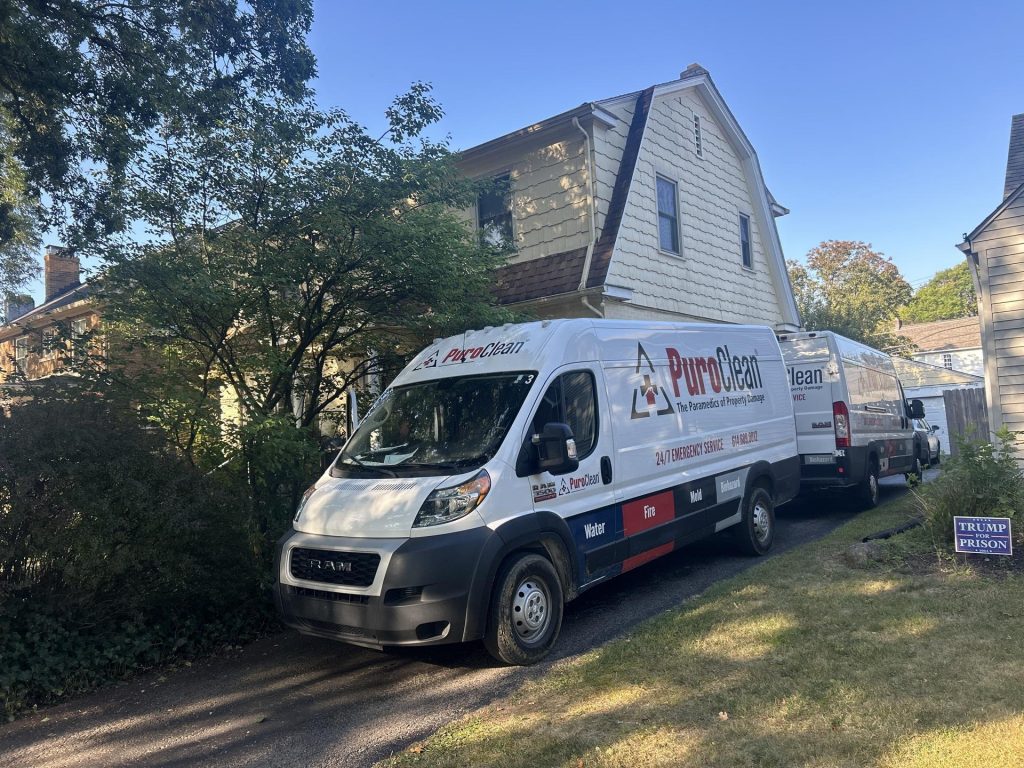
When water damage strikes your Columbus area home, contact PuroClean Home Savers immediately at (614) 689-0012. Their certified technicians provide 24/7 emergency response, bringing professional equipment, insurance expertise, and proven restoration processes that turn water disasters into manageable restoration projects.
 PuroClean Home Savers