


Reviewed for technical accuracy by PuroClean Home Savers’ IICRC-certified restoration team.
Key Takeaways for Homeowners
- Maximizing coverage means documenting your full, real loss: structure, contents, smoke, soot, and water damage.
- Report the fire to your insurer quickly and ask for written details about deadlines, deductibles, and covered expenses.
- Photos, video, and a room-by-room inventory made before cleanup are the strongest tools for supporting your claim.
- Firefighting water can soak floors and walls, so ask that drying and moisture work be included in the scope.
- Temporary housing, meals, and emergency repairs may be reimbursable, so keep every receipt.
- Review every estimate line by line, and ask questions in writing before you accept a settlement.
Soot and moisture do not wait for the claim process. Acidic residue can etch surfaces and wet materials can grow mold. Call PuroClean Home Savers at (614) 689-0012 for emergency board-up, moisture testing, and a written scope you can share with your adjuster.
What Is Fire Damage Restoration, and Why Does It Shape Your Claim?
Fire damage restoration is the process of securing a property, removing soot, smoke residue, and moisture, and restoring or replacing damaged materials. The IICRC S700 Standard for Professional Fire and Smoke Damage Restoration is the industry reference. Water from firefighting is handled under the IICRC S500 standard.
The Ohio Department of Insurance provides consumer guidance on filing claims, understanding policy terms, and raising concerns about claim handling. A technical scope of work, built on those standards, gives you a clear record of what the loss actually includes.
Takeaway: A thorough scope is the most reliable way to make sure no part of the loss is overlooked.
Why Are Fire Claims in Columbus Often More Complex Than Expected?
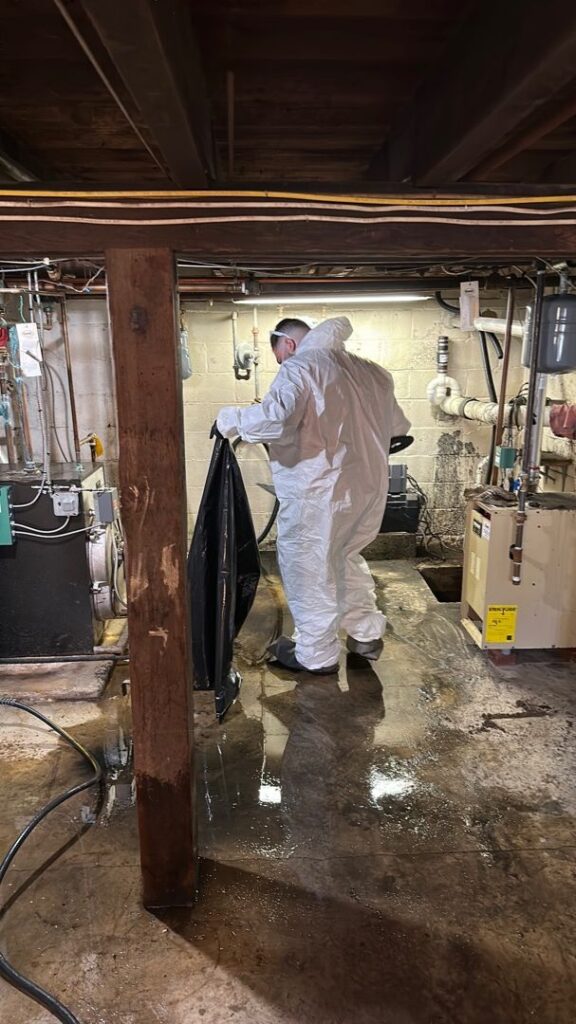
Fire claims in Columbus are often more complex because the fire is only part of the loss. Firefighting water can run into basements, and Columbus has plenty of places where basements already struggle. Summer thunderstorms can cause flash flooding, and in older neighborhoods on combined sewers, such as German Village and Old North, heavy rain can overwhelm the system and cause backups.
Housing age matters too. Pre-1960 homes in Victorian Village, Italian Village, and German Village often have plaster walls, original woodwork, and tight wall cavities that hold smoke odor. Craftsman-era homes in Clintonville and the Short North may have finished basements and crawl spaces where moisture lingers. Newer homes in places like Dublin often have better drainage, but they are not immune to smoke or water spread.
River corridors add another layer. Along the Scioto, Olentangy, and Alum Creek, FEMA flood maps identify Special Flood Hazard Areas in Franklinton, the Bottoms, and the near east side. A fire in a home near those areas can compound water issues. Spring brings river overflow and sump pump failures, while summer brings lightning and flash floods.
Takeaway: Tell your adjuster about any basement water, sewer, or storm conditions present at the time of the fire.
9 Tips to Maximize Your Fire Damage Coverage
Maximizing coverage does not mean inflating a claim. It means capturing everything your policy is meant to cover, with evidence.
1. Put Safety First
Wait for the fire department to clear the home. Ask for a copy of the fire report, which insurers commonly request.
2. Report the Loss Promptly
Call your insurer, get a claim number, and ask about proof-of-loss deadlines and required documents. Keep a log of every call, including names and dates.
3. Document Before Anything Moves
Photograph and video every room, including ceilings, closets, and storage areas, before cleaning begins. Narrate what you see. Include areas with no visible damage, since smoke can travel.
4. Make Reasonable Emergency Repairs
Board up openings, tarp the roof, and protect the property from weather. Most policies expect this, and the costs are often reimbursable. Keep receipts and photos.
5. Read Your Policy Closely
Understand your dwelling coverage, personal property coverage, additional living expense limits, and whether contents are paid at replacement cost or actual cash value. Ask your agent to explain unclear terms in writing.
6. Build a Detailed Contents Inventory
List each item with description, age, value, and where you bought it. Add receipts, bank statements, or photos. Work room by room, and include small items that add up.
7. Track Every Additional Living Expense
If you cannot stay home, record hotel costs, extra meal costs, and other related expenses. Ask what your policy covers.
8. Get a Professional Scope of Work
A restoration company can document soot and smoke damage, moisture, odor, and required cleaning methods. A scope based on IICRC S700 and S500 gives your adjuster a technical baseline to compare against.
9. Review Estimates and Ask Questions
Compare the adjuster’s estimate with your documentation and your contractor’s scope. If items are missing, send supporting evidence and ask for an explanation in writing. Do not sign until you understand what is included.
Stop and call a professional if smoke odor is coming from your vents, soot has settled on walls and ceilings, or water is pooling in the basement. Keep the furnace off, because running it can spread soot through the home.
Takeaway: Accurate, detailed records protect your claim better than any negotiation tactic.
How Do Professionals Restore a Fire-Damaged Home?
Professionals restore a fire-damaged home by stabilizing the structure, controlling moisture and air, and cleaning surfaces in a planned order. This sequence follows IICRC S700 and S500.
- Secure the structure. Board up and tarp openings.
- Map moisture. Moisture meters and thermal imaging locate wet materials, and technicians log hygrometer readings.
- Build a containment barrier. This limits cross-contamination between affected and clean areas.
- Filter the air. Air scrubbers with HEPA filtration run under negative air pressure.
- Remove unsalvageable materials. Charred, saturated, or heavily contaminated materials come out.
- Perform structural drying. LGR dehumidifiers and air movers run while psychrometrics are monitored. Deep saturation can qualify as Class 4 water damage.
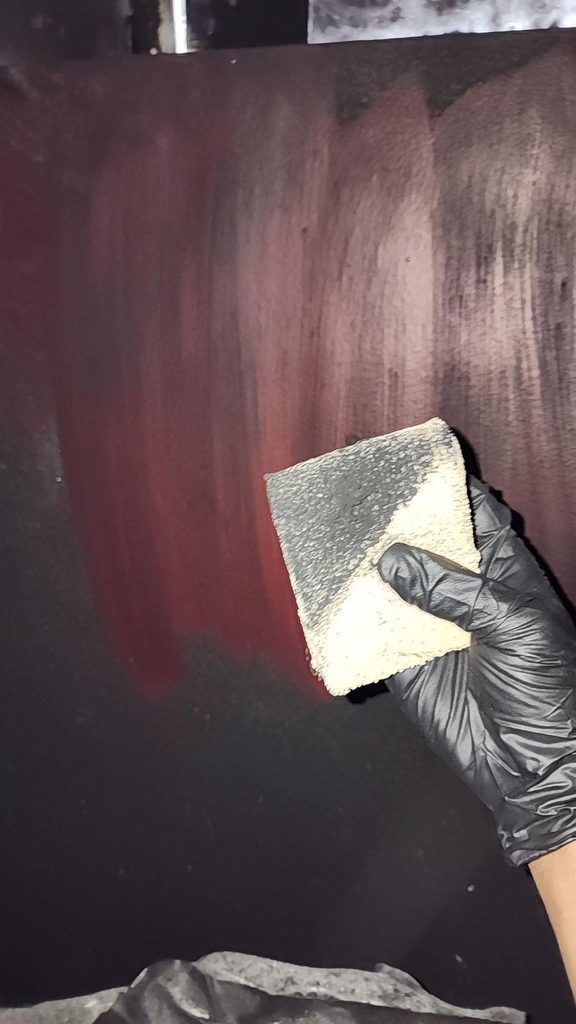
- Clean soot and smoke residue. Dry sponging, HEPA vacuuming, and wet cleaning are matched to each surface.
- Treat and deodorize. Antimicrobial biocide may be applied where moisture creates mold risk.
- Verify. Final readings confirm the structure is dry and ready for repair.
If firefighting water mixes with sewage, as can happen in older combined-sewer areas, Category 3 (black water) protocols apply, and the scope grows accordingly.
Takeaway: Ask for moisture logs and photos from each stage to attach to your claim.
What Makes PuroClean Home Savers Different?
PuroClean Home Savers provides 24/7 emergency dispatch, IICRC-certified technicians, and direct insurance billing, with local crews serving Columbus and Franklin County.
Frequently Asked Questions
Does homeowners insurance cover fire damage in Columbus?
Most standard homeowners policies cover fire and smoke damage, subject to limits, deductibles, and exclusions. Coverage may include the structure, belongings, and living expenses. Confirm the details with your agent in writing. The Ohio Department of Insurance offers consumer resources if you have questions about your policy.
How much does fire damage restoration cost?
Cost depends on the size of the fire, how far smoke spread, how much water was used, and which materials were affected. A professional inspection is the best way to get an accurate estimate. If your policy covers the loss, your insurer may pay for the work, minus your deductible.
How long does a fire claim take?
Emergency services and initial cleaning typically start within days. Adjuster review, repairs, and rebuilding can take weeks or months, depending on the size of the loss. Good documentation and prompt responses usually help. Ask your adjuster for expected timelines in writing.
Can I handle fire cleanup myself?
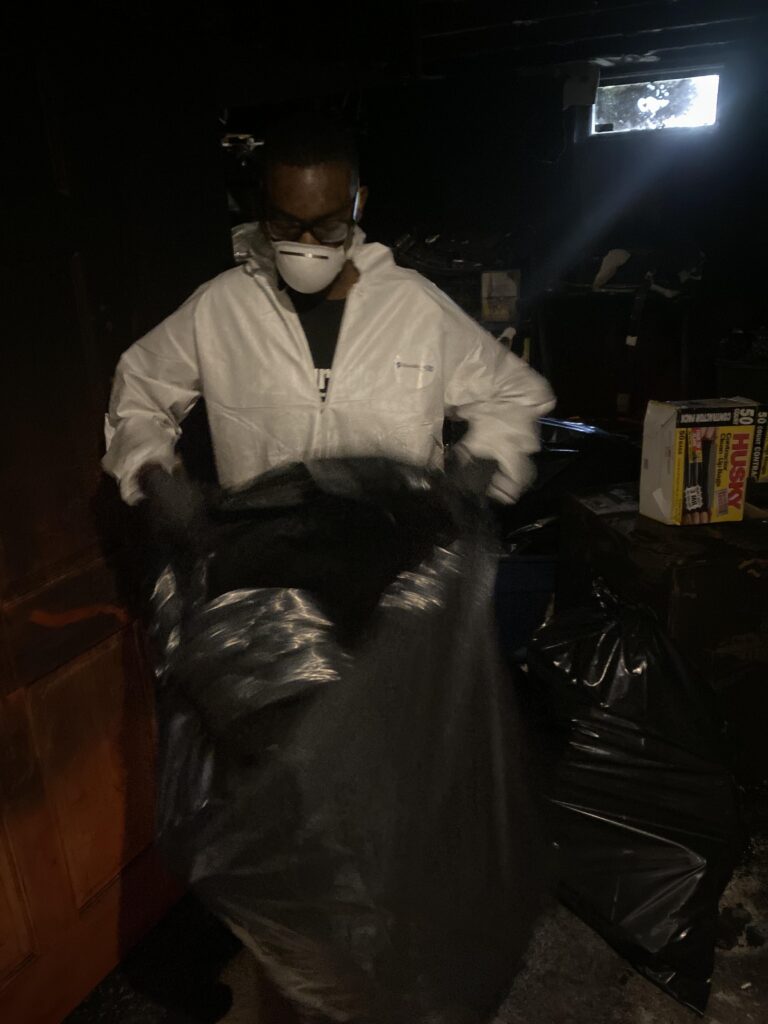
You can remove loose debris and photograph damage, but soot, odor, and moisture usually require professional equipment. Wiping soot may smear it into surfaces. Call a professional for heavy residue, water damage, or odor in HVAC and walls. Wear protective gear if you enter.
Is it safe to stay in a home after a fire?
Often not until it is cleaned. Soot and smoke particles can irritate the eyes, throat, and lungs, and wet materials may grow mold. Children, older adults, and people with asthma are more sensitive. Professionals follow OSHA protective equipment requirements and use HEPA filtration.
What if firefighting water flooded my Columbus basement?
Start drying quickly. Wet drywall, carpet, and subfloor can support mold within about 24 to 48 hours. If the water mixed with sewage, treat it as Category 3 and keep people away. A professional can use moisture mapping, LGR dehumidifiers, and structural drying to dry it safely.
Facing a Fire Claim in Columbus?
If your home has fire, smoke, or water damage, you do not have to sort out the next steps alone. PuroClean Home Savers serves Columbus and Franklin County. Call (614) 689-0012 any time. Our IICRC-certified technicians are available 24/7 and can bill your insurance company directly.