


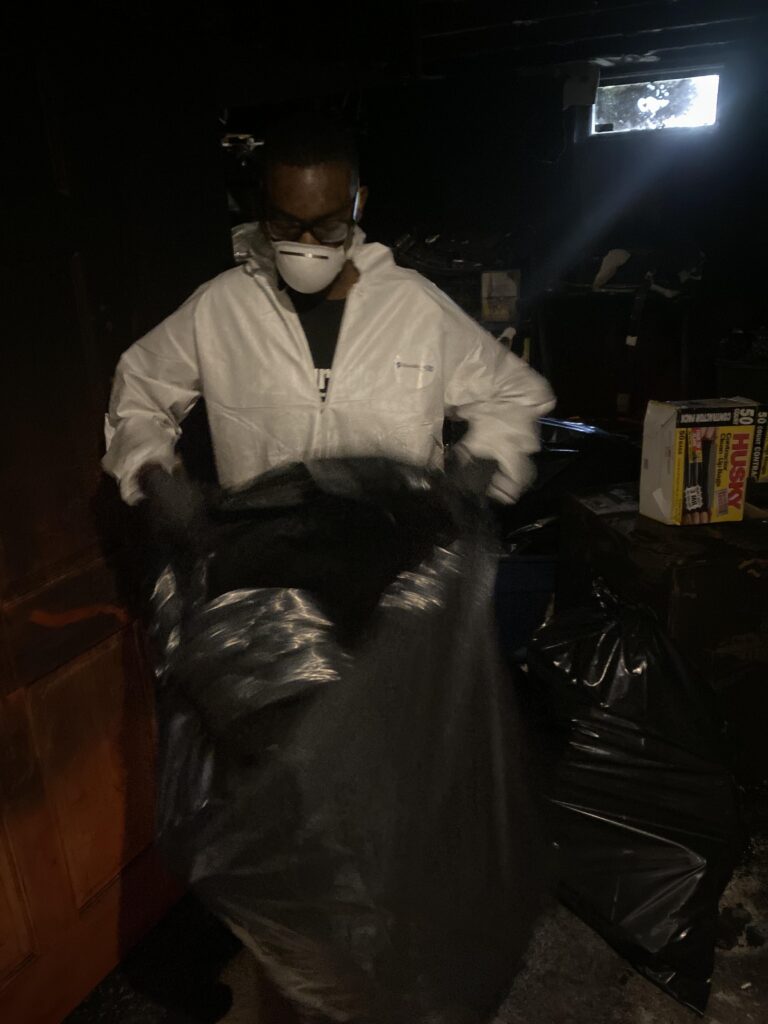
Reviewed for technical accuracy by PuroClean Home Savers’ IICRC-certified restoration team.
Fire damage restoration in Columbus follows the IICRC S700 Standard for Fire and Smoke Damage Restoration, which lays out how technicians assess soot, smoke, and structural damage before starting cleanup and rebuild. Because most fires involve firefighting water as well, the companion IICRC S500 water damage standard often comes into play at the same time. For homeowners in neighborhoods from German Village to Clintonville to Dublin, seven specific factors determine whether a fire damage restoration project wraps up in a week or stretches into months.
Key Takeaways for Homeowners
- A contained fire affecting one room typically takes 1 to 2 weeks to restore; a whole-house fire with rebuild can take 3 to 10 months.
- IICRC S700 governs fire and smoke cleanup, while IICRC S500 governs any firefighting water left behind in the structure.
- Pre-1960 homes in German Village and similar historic Columbus neighborhoods often take longer to dry because of older, less permeable wall materials.
- Older Columbus neighborhoods on combined sewer systems carry a real risk of Category 3 contamination if heavy rain overwhelms the sewer during or after a fire response.
- Insurance approval speed and contractor or material availability frequently add more time than the physical cleaning work itself.
- PuroClean Home Savers offers 24/7 emergency dispatch and direct insurance billing to homeowners across Columbus and Franklin County.
Soot and firefighting water damage both worsen the longer they go untreated. If your Columbus home has just experienced a fire, call PuroClean Home Savers at (614) 689-0012 for 24/7 emergency mitigation.
1. The Size and Spread of the Fire
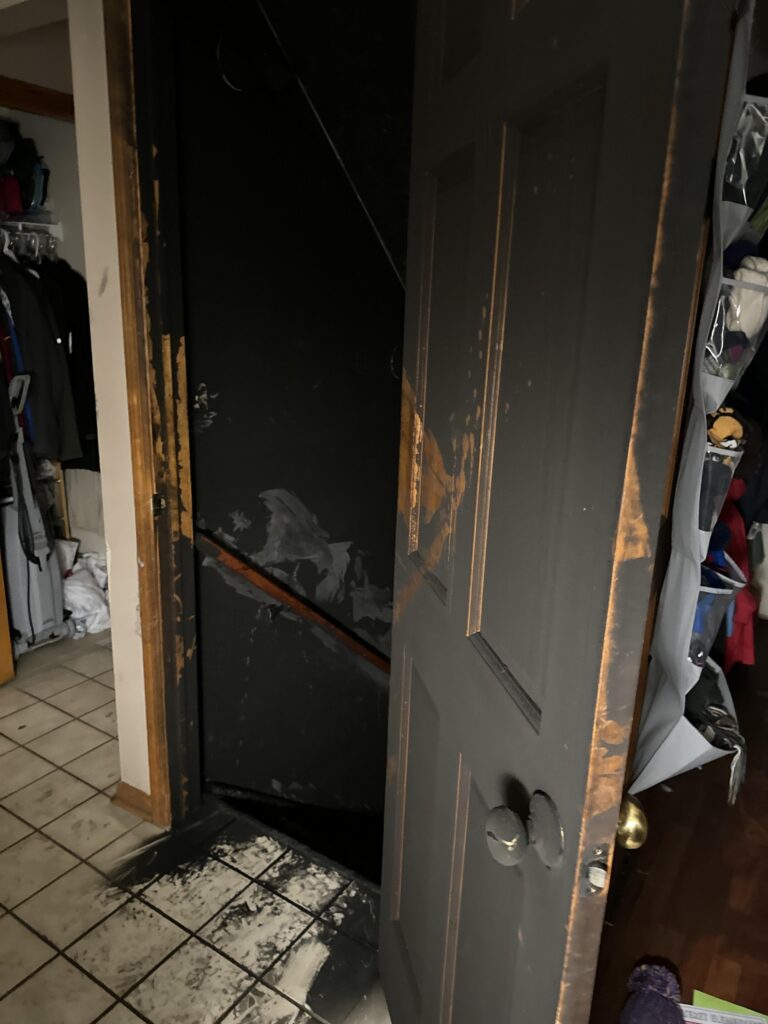
A fire contained to one room typically adds 1 to 2 weeks to a homeowner’s schedule, while a fire that spreads into an attic, multiple rooms, or wall cavities can extend the timeline to 4 to 8 weeks before reconstruction even begins.
Technicians use thermal imaging early in the assessment to find heat and moisture that traveled beyond the visibly burned area, which is common when a fire moves through wall cavities or attic insulation before it is extinguished. The larger the hidden spread, the more demolition and drying work is needed before cleaning and rebuild can start.
Practical takeaway: request a full thermal imaging scan during the initial inspection so the estimate reflects hidden spread, not just visible damage.
2. Smoke and Soot Type
Dry smoke soot from a fast, hot fire is powdery and comes off surfaces relatively quickly, while wet smoke soot from a smoldering fire is sticky and acidic, often requiring antimicrobial biocide treatment and adding several extra days to the cleaning phase.
Crews typically set up a containment barrier and run negative air pressure in affected rooms so soot cannot spread to unaffected parts of the home. HEPA filtration air scrubbers run throughout the cleaning phase to capture fine particulates, which is especially important in older homes in Victorian Village and Italian Village, where original woodwork and plaster are more likely to absorb odor and residue than modern finishes.
Practical takeaway: avoid scrubbing soot yourself, since pressing it into porous surfaces like plaster can turn a short cleaning job into a much longer one.
3. Firefighting Water and Structural Drying
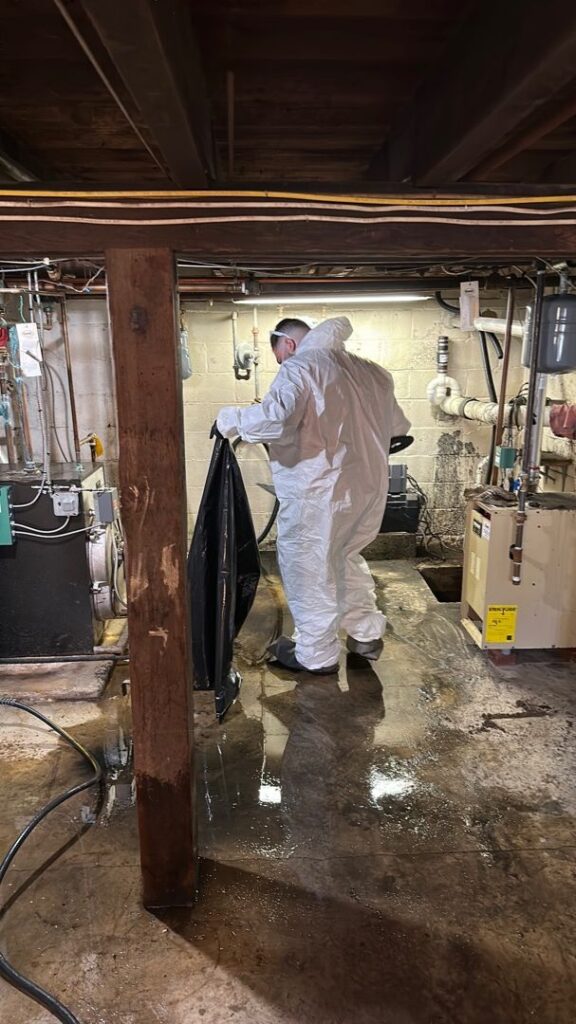
Structural drying with LGR dehumidification and air movers usually takes 3 to 5 days, but homes with plaster walls or older masonry, common in German Village and parts of Old North Columbus, can take longer because these low-permeance materials release trapped moisture slowly.
Technicians confirm drying progress with daily hygrometer readings and psychrometric calculations rather than guessing by feel. A subfloor that stayed wet too long is prone to subfloor delamination and may need to be replaced rather than dried, which adds time and cost to the reconstruction phase.
Practical takeaway: ask for daily moisture readings during the drying phase so you have documentation if the timeline runs longer than initially estimated.
4. Home Age and Construction Type
Pre-1960 homes in German Village, with original plaster walls and older wood framing, generally take longer to dry and clean than newer construction in Dublin, where more modern drywall and engineered drainage respond predictably to standard drying protocols.
Craftsman-era homes in Clintonville and the Short North often have crawl spaces or basements where firefighting water can sit against foundation walls, raising the risk of mold colonization behind walls if drying is not monitored closely. Newer homes in Dublin, while not immune to fire, typically have more accessible wall cavities and fewer surprises once demolition begins.
Practical takeaway: homeowners in Columbus’s older, pre-1960 neighborhoods should expect the drying and cleaning phases to run longer than a generic online estimate suggests.
Warning sign: if you notice a musty smell developing in a crawl space or basement during the drying phase, especially in an older Clintonville or German Village home, stop and have a technician re-check for hidden moisture. Mold can begin colonizing damp material within 24 to 48 hours.
5. Combined Sewer and Storm Timing
If a fire happens during or shortly after heavy rain in older Columbus neighborhoods like Franklinton, the Bottoms, or parts of German Village, a combined sewer overflow can push Category 3, or black water, into the basement through floor drains, changing the decontamination protocol required under IICRC S500.
FEMA Flood Insurance Rate Maps identify Special Flood Hazard Areas in Franklinton, the Bottoms, and along Alum Creek on the near east side, and Ohio EPA guidance on combined sewer overflow explains why these older systems back up during intense storms even with the Griggs and O’Shaughnessy dams providing some flood control upstream. When this overlaps with a fire event, cleanup crews must treat the water with stricter protocols, which extends the timeline.
Practical takeaway: mention any recent heavy rain to your restoration crew so they know to test for sewer contamination in addition to firefighting water.
6. Insurance Claim Processing Speed
Insurance adjuster inspection and claim approval typically takes 3 to 10 business days, and this step can run alongside emergency mitigation rather than delaying it, especially when the restoration company bills the insurer directly.
PuroClean Home Savers offers direct insurance billing to Columbus and Franklin County homeowners, which lets crews begin work immediately instead of waiting on reimbursement terms. The Ohio Department of Insurance recommends documenting all damage with photos and requesting an itemized, written scope of work, since clear documentation speeds up review on the carrier’s end.
Practical takeaway: photograph every affected room before cleanup starts and ask upfront whether your contractor bills insurance directly.
7. Contractor and Material Availability for Rebuild
Once cleaning and drying are complete, rebuilding drywall, flooring, and cabinetry for a moderate fire typically takes 2 to 6 weeks, but a total loss requiring full structural rebuild can take 3 to 10 months depending on permitting, contractor scheduling, and material lead times.
Historic districts like German Village sometimes have additional permitting requirements tied to preserving original architectural character, which can add time to the rebuild phase compared with a standard renovation in a newer Dublin subdivision. Planning for this upfront helps homeowners set realistic expectations rather than being surprised partway through the project.
Practical takeaway: ask your contractor early whether your property falls within a historic district or flood zone, since either can affect permitting timelines.
Frequently Asked Questions
Does homeowners insurance cover fire damage restoration in Columbus? Most homeowners policies cover sudden, accidental fire damage, including smoke damage and water damage from extinguishing efforts, though exact terms vary by carrier. Confirm whether your policy covers additional living expenses if the home is temporarily unlivable, and ask your restoration company for a written, itemized scope of work to support your claim.
What does fire damage restoration cost in the Columbus area? A contained, single-room fire with limited smoke spread often costs a few thousand dollars to clean and repair. A whole-house fire requiring structural rebuild can run into six figures depending on square footage, finish level, and whether the home sits in a historic district with added permitting requirements.
How long does fire damage restoration take from start to finish? For a moderate fire affecting one or two rooms, homeowners can typically expect 3 to 6 weeks from initial inspection to final walkthrough, covering mitigation, drying, cleaning, deodorization, and reconstruction. Larger losses requiring structural rebuild extend well beyond this range, sometimes to 10 months or more.
Can I handle minor fire damage cleanup myself? Very minor, surface-level soot confined to a single nonporous item may be manageable with careful cleaning. Anything involving multiple rooms, HVAC contamination, or standing firefighting water should go to IICRC-trained technicians, since improper cleaning can press soot deeper into materials and hide water damage that later leads to mold.
What is Category 3 water and why does it matter for Columbus homes? Category 3 water, also called black water, contains sewage or other contaminants and requires stricter decontamination than clean water. In older Columbus neighborhoods on combined sewer systems, a heavy storm during or after a fire can push contaminated water into a basement, which changes the required cleanup protocol under IICRC S500 and can add time to the project.
How quickly can PuroClean Home Savers respond to a fire in Columbus? PuroClean Home Savers provides 24/7 emergency dispatch across Columbus and Franklin County. Rapid response within the first 24 to 48 hours after a fire limits secondary soot and water damage, which keeps the overall restoration timeline as short as the specific damage allows.
Fire and smoke damage keep spreading until professional mitigation begins, and Columbus’s older housing stock, combined sewer systems, and river-adjacent neighborhoods each add their own wrinkle to the timeline. PuroClean Home Savers offers 24/7 emergency dispatch, IICRC-certified technicians, and direct insurance billing to homeowners across Columbus and Franklin County.
Call (614) 689-0012 any time to schedule an inspection and get a clear restoration timeline for your home.