 PuroClean Home Savers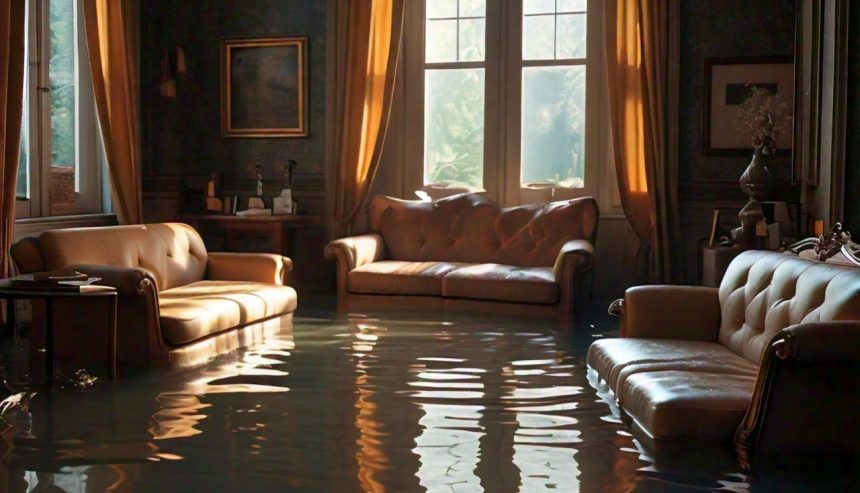
Table of Contents
Water Damage from Floods can be catastrophic for homes and businesses, leading to significant financial loss and emotional stress. When water enters a property, whether due to natural disasters like floods or internal issues like burst pipes, the damage can escalate quickly. Effective restoration requires swift action, the right knowledge, and tools to mitigate the impact.
In this comprehensive guide, we’ll explore everything you need to know about flood and water damage restoration, from identifying the damage to taking steps for recovery.

Understanding The Effects of Water Damage
Water damage occurs when excess water begins to pool in areas where it shouldn’t, leading to destruction and deterioration of structural elements like floors, walls, and ceilings. The longer water sits, the more severe the damage becomes, as mold and mildew can start growing within 24 to 48 hours.
Water damage can stem from various sources, such as natural flooding, heavy rain, plumbing leaks, appliance malfunctions, or even condensation. Regardless of the source, fast action is critical to minimizing long-term damage according to Restoration RH.
The Categories of Water Damage
Not all water damage is the same. The Institute of Inspection, Cleaning and Restoration Certification (IICRC) classifies water damage into three categories:
- Category 1: Clean Water
This water comes from a clean source, like broken water supply lines, and poses no significant threat to humans. Clean water can still cause damage to property, but it’s the least harmful. - Category 2: Gray Water
Gray water is slightly contaminated and could cause illness if ingested. It typically comes from sources like washing machine overflows, dishwashers, or toilet overflow (without feces). - Category 3: Black Water
The most dangerous type, black water, is highly contaminated and contains harmful bacteria and pathogens. It usually comes from sewage backups, floodwater from rivers, or standing water that has become stagnant.
Each category requires different restoration techniques, so it’s essential to identify the type of water as quickly as possible.
10 Steps to Take Immediately After Water Damage
In the event of water damage, here’s what you should do immediately to minimize the destruction:
Here are the 10 steps to take immediately after water damage:
Step 1: Ensure Safety
- Evacuate the premises if necessary
- Turn off electricity, gas, and water supplies
- Wear protective gear (gloves, masks, etc.)
Step 2: Assess Damage
- Document damage for insurance purposes
- Identify source of water damage (leak, flood, etc.)
- Check for structural integrity
Step 3: Stop Water Flow
- Locate and fix the source of water damage
- Turn off main water shut-off valve
- Use tarps or sandbags to prevent further damage
Step 4: Call Professionals
- Contact insurance company
- Hire water damage restoration experts
- Notify local authorities (if necessary)
Step 5: Remove Standing Water
- Use pumps, wet vacuums, or buckets
- Remove water from floors, walls, and ceilings
- Dry surfaces immediately
Step 6: Dry and Dehumidify
- Use fans, dehumidifiers, and desiccants
- Monitor humidity levels
- Prevent mold growth
Step 7: Remove Damaged Materials
- Discard wet drywall, insulation, and flooring
- Remove damaged furniture and belongings
- Clean and disinfect remaining materials
Step 8: Clean and Disinfect
- Use mild detergent and clean water
- Disinfect surfaces with bleach solution
- Prevent bacterial growth
Step 9: Restore Utilities
- Restore electricity, gas, and water supplies
- Check appliances and electrical systems
- Ensure safe functioning
Step 10: Document and Review
- Keep records of damage and restoration
- Review insurance coverage and claims
- Plan for future prevention and mitigation
Additional Tips:
- Act quickly to prevent further damage
- Prioritize safety and health
- Keep important documents and valuables safe
- Consider temporary relocation (if necessary)
Water Damage Emergency Contacts:
- Insurance company
- Water damage restoration experts
- Local authorities (emergency services)
- Utility companies (electricity, gas, water)
Time-Sensitive Checklist:
- Within 24 hours: Assess damage, stop water flow, remove standing water
- Within 48 hours: Dry and dehumidify, remove damaged materials
- Within 1 week: Clean and disinfect, restore utilities
Remember, prompt action is crucial to minimizing damage and ensuring a successful restoration process.
Would you like more information or guidance on water damage restoration?
After taking these initial steps, it’s time to contact professionals for a thorough assessment and restoration.
The Water Damage Restoration Process
Restoring water damage involves several key steps to ensure the area is safe, clean, and dry.
Assessment and Inspection
The first step in professional water damage restoration is an assessment. A restoration team will inspect the affected area, identifying the extent of the damage, the type of water involved, and the necessary repairs. This assessment helps create a tailored restoration plan.
Water Removal In The House
Once the plan is in place, the restoration team will begin removing any standing water. This process typically involves industrial-grade pumps and vacuums to extract large volumes of water quickly, preventing further damage to the structure.
Drying and Dehumidification
After the water is removed, the area must be dried completely to prevent mold and mildew growth. Professionals use dehumidifiers and high-powered air movers to thoroughly dry out floors, walls, and furniture. This phase can take several days, depending on the severity of the water damage.
Cleaning and Sanitization
Once the area is dry, cleaning and sanitization are essential. Contaminants, bacteria, and mold can remain after water exposure, especially if the water was gray or black. Restoration teams use specialized cleaning solutions to sanitize affected areas and prevent health risks.
Restoration and Repairs
The final step is restoring the property to its pre-damage condition. This can include repairs to drywall, floors, and ceilings, as well as repainting and replacing damaged materials. In some cases, more extensive reconstruction might be necessary if the water damage was severe.
Common Causes of Water Damage
Water damage can happen for a variety of reasons, some of the most common being:
- Natural Flooding: Heavy rains, storms, and flash floods can overwhelm drainage systems and cause water to infiltrate homes.
- Leaky Roofs: Damaged or aging roofs may develop leaks, allowing water to drip into the home.
- Plumbing Issues: Burst pipes, faulty faucets, and clogged drains can cause internal water damage.
- Appliance Malfunctions: Dishwashers, washing machines, and water heaters may malfunction, leading to spills and flooding.
Each of these causes requires different solutions for prevention and restoration.
Preventing Water Damage
While you can’t always prevent natural disasters, there are steps you can take to protect your home from water damage:
- Regularly inspect your roof for leaks.
- Check plumbing for signs of wear and tear.
- Install sump pumps and drainage systems in flood-prone areas.
- Clean out gutters to prevent water buildup around the foundation.
- Seal windows and doors to prevent rain from entering.
Proactive measures like these can reduce the risk of water damage and minimize the extent of any potential issues.
The Importance of Professional Water Damage Restoration Services
Professional water damage restoration is crucial for several reasons:
- Safety: Contaminated water poses health risks. Restoration teams have the expertise and equipment to handle biohazards.
- Thoroughness: DIY efforts might miss hidden water pockets that can lead to mold growth. Professionals ensure all moisture is removed.
- Insurance claims: Restoration companies often work directly with insurance companies to document damage and help you receive fair compensation.
Trying to handle severe water damage on your own can lead to further issues down the line. Hiring professionals ensures the job is done correctly and efficiently.
DIY Water Damage Restoration: What You Can Do
For minor water damage incidents, you might be able to handle some of the restoration yourself. Here are a few DIY tips:
- Use fans and dehumidifiers: These tools can help dry out affected areas faster.
- Clean with bleach or disinfectants: This can kill bacteria and prevent mold growth.
- Repair small leaks: If you notice minor leaks, fix them as soon as possible to prevent larger issues.
However, it’s important to know your limits. If the water damage involves gray or black water, or if the area affected is extensive, it’s best to call in professionals.
Quick Water Damage Restoration Company in Columbus, Ohio
When disaster strikes, PuroClean Home Savers is here to help you rebuild your life. For immediate assistance with Water damage restoration, contact PuroClean Home Savers, Call (+1) 614-689-0012.
Conclusion
Flood and water damage restoration is a complex but essential process that requires timely intervention to minimize damage and costs. Whether caused by a natural disaster or internal plumbing issues, water damage can escalate quickly, leading to mold growth, structural damage, and potential health risks.
By understanding the categories of water damage, taking immediate action, and involving professionals when necessary, you can ensure that your home or business recovers fully from any water-related incident. Prevention is always better than cure, so regular inspections and proactive measures can help protect your property from future water damage.


 PuroClean Home Savers