


| KEY TAKEAWAYS FOR HOMEOWNERS – Columbus, Ohio receives some of the highest spring rainfall totals in the Midwest, making water intrusion risk significant for thousands of homeowners. – IICRC S500/S520 standards define the only scientifically validated framework for safe water damage restoration and mold remediation. – Hidden water damage inside wall cavities, subfloors, and crawl spaces can cause health and structural consequences for months or years after a storm. – Columbus homeowners in older neighborhoods and in the Scioto River and Olentangy River floodplains face elevated spring flooding risk. – Professional intervention within the first 24 hours following water intrusion is the single most effective way to limit total damage costs. – Contact PuroClean Home Savers immediately after any water event: Call (614) 689-0012. |
Every spring, Columbus homeowners across Franklin County face a familiar threat. Warm fronts pushing up from the Gulf of Mexico collide with lingering cold air masses over Ohio, producing the intense thunderstorm complexes and multi-day rainfall events that saturate the ground, overwhelm municipal storm sewers, and push water into basements, crawl spaces, and ground-level living areas across the city. From Westerville to Hilliard, from Clintonville to the Short North, no Columbus neighborhood is entirely exempt from spring storm water damage risk.
What makes untreated water damage so costly and dangerous is the gap between what is visible and what is actually occurring inside your home’s building assemblies. The visible water on your basement floor or the wet carpet in a lower-level family room represents only a fraction of the moisture that has already migrated into wall cavities, beneath flooring, and into structural framing. Without professional moisture mapping and psychrometric drying, that hidden moisture feeds mold growth and structural deterioration for weeks or months after the storm.
PuroClean Home Savers is Columbus’s trusted IICRC-certified restoration partner. Call (614) 689-0012 immediately after any water intrusion event. Do not wait.
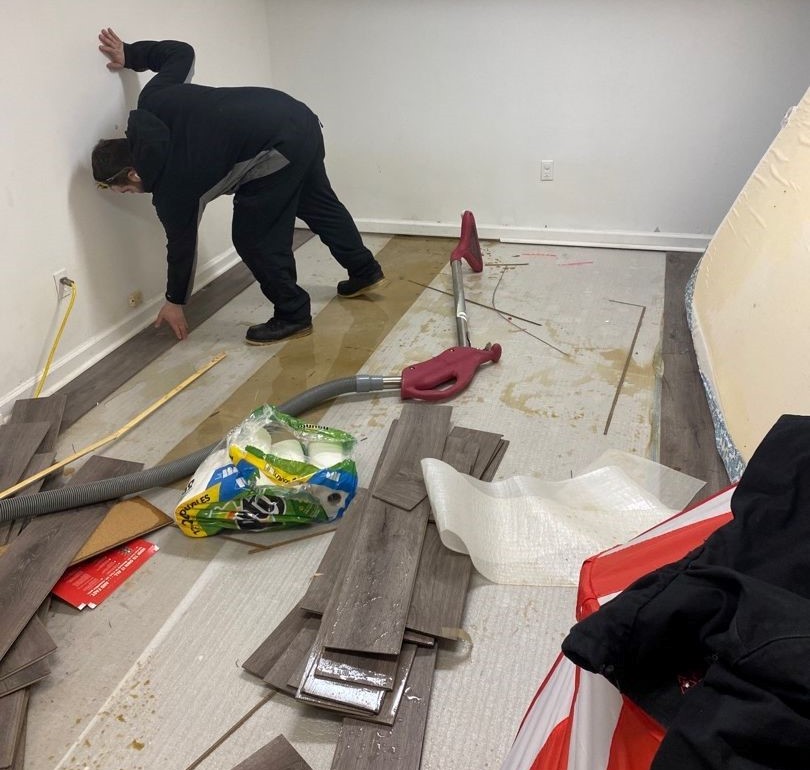
Why Columbus Homes Face Serious Spring Water Damage Risk
Columbus has experienced significant population and housing growth over the past several decades, but the city’s core residential neighborhoods are anchored by housing stock built in the mid-20th century. Neighborhoods like Clintonville, Bexley, Grandview Heights, and the near east and west sides feature homes constructed from the 1930s through the 1970s with foundation systems that predate modern waterproofing standards, older drain tile systems vulnerable to root intrusion and collapse, and limited vapor barrier protection in crawl spaces and basement perimeters.
The Scioto River and Olentangy River corridors that bisect the Columbus metro create active floodplain zones that directly impact residential neighborhoods. During significant spring storm events, combined sewer overflows in Columbus’s older urban districts can introduce Category 3 contaminated water into basements through floor drains and cleanouts, transforming what appears to be a simple flooding event into a biohazard situation.
Ohio’s spring climate produces an average of eight to ten inches of precipitation across the March through May window in the Columbus metro, with rainfall intensity events capable of overwhelming both residential drainage systems and municipal infrastructure within hours. Franklin County’s predominantly clay-based soil composition further limits natural drainage, holding surface water against foundations and driving hydrostatic pressure into basement walls far longer than sandy or loam soils would.
The 9 Shocking Hidden Dangers of Untreated Water Damage
1. Mold Colonization Within 24 to 48 Hours
Columbus spring conditions, with average temperatures in the 50 to 70 degree Fahrenheit range and elevated humidity following storm events, are nearly ideal for mold growth once organic building materials are wetted. Common indoor mold species including Aspergillus, Cladosporium, and Stachybotrys chartarum colonize drywall paper, carpet backing, wood framing, and insulation within the first two days of moisture exposure. The mycotoxins produced by these organisms are linked to respiratory disease, immune dysfunction, and neurological symptoms with sustained exposure. IICRC S520-compliant remediation using negative air pressure containment, HEPA filtration, and EPA-registered antimicrobial biocide treatment is required to eliminate active mold infestation.
2. Structural Wood Damage and Wet Rot
Ohio’s spring humidity cycles combined with sustained moisture from water intrusion create psychrometric conditions that drive wet rot fungal activity in wood framing members. Load-bearing elements including sill plates, rim joists, floor joists, and wall studs that remain at elevated moisture content above 19 percent fiber saturation point become vulnerable to fungal decay that can progress rapidly without visible surface indication. Moisture mapping using calibrated pin and non-penetrating meters is the only reliable method to identify wood framing at risk before structural symptoms develop.
3. Electrical System Hazard
Columbus homes built prior to the widespread adoption of arc-fault circuit interrupter (AFCI) protection, generally pre-1999 construction, are particularly vulnerable to electrical hazards following water intrusion. Moisture infiltration into wall outlets, wiring runs, junction boxes, and distribution panels creates conditions for short circuits, ground faults, and potential ignition of wall cavity fires. Insurance data from Ohio consistently identifies electrical failures as a significant secondary cause of loss following water damage events that were not fully remediated.
4. HVAC System Contamination and Spore Distribution
Columbus homes with central forced-air systems are at risk of system-wide mold contamination when water intrusion reaches air handler units, supply plenums, or return air ducts. Mold established in ductwork can distribute spores throughout every room of a home within days of an initial flooding event. Restoration of a contaminated HVAC system requires HEPA vacuum extraction of ductwork interiors, application of antimicrobial biocide to internal surfaces, and in severe cases involving physical mold growth on coils or plenums, component replacement.
5. Crawl Space Catastrophe
Columbus-area homes with vented crawl spaces are particularly vulnerable to secondary moisture accumulation following spring storms. Ground-level water intrusion into crawl spaces wets floor framing from below while elevated outdoor humidity enters through foundation vents, creating a double-sided moisture attack on subfloor assemblies. Without rapid extraction, moisture mapping, and commercial drying, crawl space flooding reliably produces subfloor mold, floor joist deterioration, and insulation failure that can cost significantly more to remediate than the original flooding event.
6. Sewage Backflow and Category 3 Biohazard
Columbus’s combined sewer system, which carries both storm runoff and sanitary sewage in a single pipe network in older sections of the city, is subject to overflow during high-intensity spring storm events. When storm volume exceeds combined sewer capacity, backflow can enter residential basements through floor drains, creating a Category 3 water intrusion event as defined by IICRC S500. Category 3 water carries pathogenic bacteria, viruses, and parasites requiring specialized containment, protective equipment, EPA-registered disinfectant protocols, and licensed waste disposal procedures. Standard residential cleaning is completely inadequate for Category 3 events.
7. Foundation Wall Damage and Hydrostatic Pressure
Franklin County’s clay-heavy soils retain moisture long after a storm event, maintaining elevated hydrostatic pressure against foundation walls for days or weeks. For older Columbus homes with block foundations, poured concrete walls with limited exterior waterproofing, or basement window wells that lack proper drainage, this sustained pressure can cause crack development, horizontal bowing, and in severe cases, wall displacement. Once foundation structural damage begins, the cost trajectory moves from thousands to tens of thousands of dollars in structural repair.
8. Compromised Indoor Air Quality and Long-Term Health Effects
The indoor air quality of a home with untreated water damage is degraded through multiple simultaneous pathways: airborne mold spores and mycotoxins from active mold colonies, volatile organic compound off-gassing from water-degraded building materials, bacterial endotoxins from Category 2 and Category 3 water contamination, and elevated particulate load from disturbed insulation and deteriorating materials. Columbus homeowners whose properties have sustained untreated water damage frequently report persistent respiratory symptoms, fatigue, and cognitive complaints that resolve after professional remediation and air quality restoration.
9. Diminished Property Value and Disclosure Liability
Ohio property disclosure law requires Columbus home sellers to disclose known material defects including water intrusion and flooding history. Undisclosed or inadequately remediated water damage discovered during a buyer’s inspection can result in failed transactions, legal liability, and claims for damages that may exceed the original remediation cost many times over. Professional restoration with documented IICRC-compliant procedures, moisture clearance reports, and maintained project records provides the evidence chain that protects Columbus homeowners during both insurance claim processes and future property sales.
PuroClean Home Savers’ Columbus Response Process
When Columbus-area homeowners call (614) 689-0012, our IICRC-certified technicians respond with a fully documented, standard-compliant restoration process:
- Immediate emergency water extraction using truck-mounted and portable extraction systems
- Thermal imaging and calibrated moisture meter surveys to map all hidden moisture in wall cavities, subfloor assemblies, and crawl spaces
- Psychrometric baseline assessment to quantify moisture load and establish IICRC S500 drying goals
- Strategic placement of industrial air movers and desiccant or refrigerant dehumidifiers sized to actual moisture load
- Daily psychrometric monitoring with written documentation supporting insurance claim requirements
- IICRC S520 mold assessment and remediation when biological growth is identified
- Negative air pressure containment and HEPA air filtration throughout remediation work
- EPA-registered antimicrobial biocide application to all treated structural surfaces
- Final moisture verification, clearance documentation, and air quality confirmation
Frequently Asked Questions: Water Damage in Columbus, Ohio
Does home insurance cover mold caused by high humidity and spring storms in Columbus, Ohio?
Ohio homeowners insurance policies typically cover mold remediation when it results directly from a covered water damage event such as sudden storm flooding, and when the homeowner acted promptly to mitigate the damage. Policies generally do not cover mold that results from prolonged neglect, maintenance failures, or gradual water seepage over an extended period. The key distinction is suddenness and prompt action. Columbus homeowners who call PuroClean Home Savers at (614) 689-0012 immediately following a storm event create a documented mitigation record that demonstrates compliance with the duty-to-mitigate requirements embedded in most Ohio homeowners insurance policies.
How quickly should I call a restoration company after spring flooding in Columbus?
You should call PuroClean Home Savers at (614) 689-0012 immediately after discovering water intrusion. The IICRC S500 standard identifies the first 24 to 48 hours following a flooding event as the critical window for intervention. During this period, rapid extraction and drying can prevent mold colonization, limit structural moisture penetration, and dramatically reduce total remediation scope. Every hour of delay beyond this window allows moisture to migrate deeper into building assemblies and increases the biological activity that drives mold growth.
What neighborhoods in Columbus are at highest risk for spring storm water damage?
Columbus neighborhoods with above-average spring flood risk include areas adjacent to the Scioto River and Olentangy River floodplains such as Franklinton, the Short North, Clintonville, and Dublin Road corridor neighborhoods. Communities in southwest Columbus including Grove City adjacent areas with lower topographic elevation and areas of older combined sewer infrastructure on the near east side also face elevated risk. However, any Columbus-area home with an older foundation system, limited exterior drainage, or below-grade living space faces meaningful spring flooding risk regardless of neighborhood.
What is psychrometric analysis and why does it matter for my Columbus home?
Psychrometrics is the science of measuring the thermal and moisture properties of air. In water damage restoration, psychrometric analysis involves measuring temperature, relative humidity, dew point, and specific humidity in affected areas to quantify the actual moisture load that must be removed and to track progress toward drying goals established in IICRC S500. Without psychrometric monitoring, restoration contractors are guessing at drying progress rather than measuring it. PuroClean Home Savers performs daily psychrometric readings on every project and provides written documentation of drying progress to both the homeowner and their insurance adjuster.
Can spring storm water damage affect my Columbus home’s foundation permanently?
Yes. Sustained or repeated spring storm water intrusion that is not properly remediated can cause permanent foundation damage through several mechanisms. Hydrostatic pressure from water-saturated Franklin County clay soils can cause progressive crack propagation in both poured concrete and block foundations. Repeated freeze-thaw cycling in cracks that retain moisture can accelerate crack widening over multiple seasons. Undermining of footing bearing capacity through sustained soil saturation and erosion can cause differential settlement that manifests as sticking doors, cracked drywall, and uneven floors. Early professional intervention following each water intrusion event is the most cost-effective strategy to prevent cumulative permanent foundation damage.
| CONTACT PUROCLEAN HOME SAVERS TODAY Spring storms in Columbus can silently destroy your home from the inside out. Untreated water damage does not get better with time. It gets worse, and it gets more expensive. Call Now: (614) 689-0012 Available 24 hours a day, 7 days a week. Serving Columbus, Franklin County, and surrounding Central Ohio communities including Westerville, Hilliard, Dublin, Gahanna, Reynoldsburg, and Grove City. IICRC Certified Technicians. Insurance Claim Assistance. 24/7 Emergency Response. |