 PuroClean Home Savers
 Executive Summary
Recovering from home flooding requires immediate action, proper technique, and often professional assistance to prevent lasting damage. This comprehensive guide covers every phase of flood recovery, from emergency response through final restoration. You’ll learn critical safety protocols, effective water removal methods, proper drying techniques, and how to prevent mold growth that can develop within 48 hours. Whether dealing with basement flooding, storm damage, or appliance failures, understanding the complete recovery process helps you make informed decisions and avoid costly mistakes. For professional flood restoration services available 24/7, PuroClean Home Savers provides expert assistance throughout the recovery process. Call (614) 689-0012 for immediate help with any flooding emergency.
The Martinez Family’s Saturday Morning Disaster
Carlos Martinez walked into his family room Saturday morning expecting a quiet cup of coffee. Instead, he found a nightmare. The washing machine supply line had ruptured overnight, turning the laundry room, adjacent family room, and hallway into shallow lakes.
Water had spread across 800 square feet of their home. It had soaked into carpet, penetrated hardwood in the hallway, and seeped under baseboards. Their daughter’s first-grade art projects, stored in low cabinets, were destroyed. The family room couch had sat in water for hours.
Carlos immediately called his brother, who owned a few rental properties. “Just rent some fans from the hardware store and run them for a few days,” his brother advised. “Saved me thousands doing it that way.”
Three weeks later, they noticed a musty smell. Dark spots appeared on walls. Their seven-year-old daughter developed a persistent cough. The “savings” from DIY recovery eventually cost them $18,000 in mold remediation and repairs, triple what professional restoration would have cost initially.
The Martinez story illustrates a critical truth about flood recovery: doing it right the first time is always cheaper than fixing mistakes later.
What Are the First Steps When You Discover Flooding?
Immediate response determines how much damage occurs and how costly recovery becomes.
Stop the Water Source
If flooding comes from a broken pipe, failed appliance, or plumbing issue, locate your main water shutoff immediately. Every minute water flows causes additional damage. If you don’t know where your main shutoff is located, find it right now, before emergency strikes. Label it clearly so anyone in your household can find and operate it.
External flooding from storms or groundwater obviously cannot be stopped at the source, but identifying whether water is still entering helps you prioritize response.
Ensure Electrical Safety
Never enter flooded areas where water has reached outlets, switches, or electrical appliances. Water conducts electricity, creating electrocution risk. If water is near electrical sources, shut off power at your breaker box if you can safely reach it. If not, stay out and call professionals.
When in doubt, assume electrical danger. This risk kills and must be taken seriously.
Document Everything Before Touching Anything
Your insurance claim depends on documentation. Before moving or removing anything, photograph and video everything. Capture wide shots showing extent of flooding and close-ups of damaged items. Document water lines on walls, damaged flooring, and affected belongings.
Most smartphones timestamp photos automatically, providing valuable timeline evidence. Upload photos to cloud storage immediately in case your phone is damaged during cleanup.
Contact Your Insurance Provider
Call your insurance company as soon as safely possible. Many policies require prompt notification. Ask specific questions about your coverage, whether you need approval before hiring restoration services, and what documentation they require.
Understanding your coverage early prevents surprises later. Some policies cover restoration costs but not contents. Others cover both. Some require you to use specific vendors. Clarify these details immediately.
How Dangerous Is Flood Water?
Not all water is equal, and understanding contamination levels is critical for safety.
Category 1: Clean Water
This comes from supply lines, toilet tanks (not bowls), and rainwater that hasn’t contacted contaminants. While “clean” is relative, Category 1 water poses minimal health threats initially. However, clean water becomes contaminated within 24 to 48 hours as it contacts building materials, soil, and other surfaces.
Category 2: Gray Water
Gray water contains contamination from appliances like dishwashers and washing machines, or from toilet overflow containing urine but no feces. This water carries bacteria and requires caution. Direct contact can cause illness, and materials contacted by gray water often require disposal rather than cleaning.
Category 3: Black Water
Black water comes from sewage backups, flooding from rivers or streams, and any water that has been stagnant for days. This water contains dangerous bacteria, pathogens, chemicals, and pesticides. Black water requires professional handling with proper protective equipment. Never attempt cleanup of Category 3 water yourself.
Contamination Escalation
All flood water categories escalate over time. Clean water becomes gray water within hours. Gray water becomes black water within 48 hours. This progression means even minor floods become serious contamination issues if not addressed quickly.
Should I Call Professionals or Handle Recovery Myself?
This decision significantly impacts outcomes, costs, and your safety.
When DIY Makes Sense
Very minor flooding (less than one inch affecting a small area), from clean water sources, discovered immediately, might be manageable with household equipment. If you own a wet/dry vacuum, have adequate ventilation, can work quickly, and are physically capable, minor situations might not require professionals.
However, most flooding exceeds these parameters.
When Professional Help Is Essential
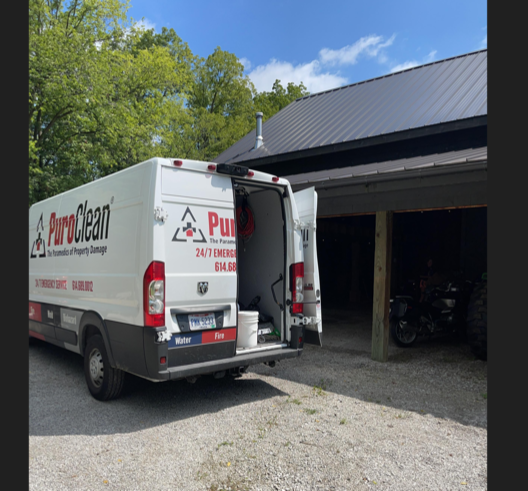
Call professionals for flooding that is more than two inches deep, affects multiple rooms, involves any contamination, has been present more than two hours, contacts carpets or padding, seeps under flooring, affects walls or ceilings, or involves finished basements.
Professional restoration is also essential when water contacted drywall, insulation was affected, you’re dealing with sewage, mold is visible or smelled, or you lack adequate equipment and time to dry everything within 48 hours.
The Equipment Gap
Household fans and dehumidifiers cannot match commercial equipment. A residential dehumidifier removes 30 to 50 pints of moisture daily. Commercial units remove 200+ pints daily. Shop vacuums hold 5 to 15 gallons. Professional extractors process hundreds of gallons per hour.
This equipment gap means professional restoration completes in days what would take weeks with household tools, if it could be completed at all.
Hidden Damage Detection
This is where professionals provide irreplaceable value. Moisture meters, thermal imaging cameras, and experience allow professionals to detect hidden water in walls, under floors, and inside structural materials. Missing hidden moisture causes mold growth, wood rot, and structural damage appearing months later.
What Safety Equipment Do I Need for Flood Cleanup?
If you proceed with any DIY work, proper protection is non-negotiable.
Personal Protective Equipment
Rubber boots with thick soles protect against water, sharp objects, and electrical hazards. Heavy-duty rubber gloves prevent skin contact with contaminated water. Safety glasses protect eyes from splashes and debris. For anything beyond clean water, respirators rated N95 or better protect against airborne contaminants.
Long pants and long sleeves provide additional skin protection. Never work in shorts and sandals, no matter how minor flooding appears.
Work Environment Safety
Ensure adequate lighting with battery-powered or GFCI-protected lights. Never use standard extension cords in wet areas. Provide continuous ventilation by opening windows and doors when outdoor conditions permit. Keep a first aid kit accessible.
Work with at least one other person when possible. Flood cleanup involves heavy lifting, potential hazards, and situations where having help can prevent injury or worse.
How Do I Remove Standing Water Effectively?
Water extraction is the foundation of flood recovery. Speed and thoroughness matter enormously.
For Minimal Water (Less Than 1 Inch)
Wet/dry vacuums work for small amounts. Empty the vacuum frequently as capacity fills quickly. Mop remaining water and use towels for final absorption. Wring towels outside or into buckets, never into household drains, which can become overwhelmed.
Squeegees help push water toward extraction points. Work systematically from one side of the room to the other.
For Moderate Water (1 to 6 Inches)
This requires more substantial equipment. Submersible pumps work well for basements. Position the pump in the deepest area and discharge water away from your foundation to prevent re-entry.
For multi-room flooding, rent commercial extractors. These machines remove vastly more water than shop vacuums. Follow equipment instructions carefully and ensure proper discharge.
For Deep Water (Over 6 Inches)
This definitely requires professional equipment and possibly multiple pumps. Deep water often indicates serious situations like basement flooding or whole-floor inundation. The weight of water can cause structural damage, making professional assessment critical.
Extraction Speed Matters
Every hour water sits allows deeper penetration into porous materials. Water wicks upward in drywall and spreads laterally under flooring. Fast extraction limits damage spread and reduces drying time.
What Should I Remove After Water Extraction?
Material removal decisions significantly impact recovery success and cost.
Carpet and Padding
Carpet padding absorbs water like a sponge and is nearly impossible to dry adequately. It’s also inexpensive relative to restoration costs. Remove padding affected by any flooding. Carpet itself might be salvageable if water was clean, flooding was brief, and you can extract and dry it quickly.
However, if carpet contacted contaminated water or stayed wet more than 48 hours, removal is usually necessary. The mold and bacteria risk isn’t worth saving carpet.
Drywall and Insulation
Drywall wicks water upward from the point of contact. If the bottom foot of drywall got wet, moisture may travel up two feet or more. Wet drywall also becomes structurally weakened and provides ideal mold growth conditions.
Standard practice calls for removing drywall to at least 12 inches above the visible water line. For contaminated water, remove to 24 inches above the water line.
Insulation holds moisture indefinitely. Any insulation contacted by flood water requires removal.
Baseboards and Trim
Remove baseboards to allow air circulation behind them and to check for moisture in wall cavities. Baseboards are relatively inexpensive to replace and removing them dramatically improves drying effectiveness.
What About My Belongings?
Hard, non-porous items can usually be cleaned and saved. Wood furniture, metal, glass, and hard plastics can be disinfected. Upholstered furniture is difficult to save after flooding, especially if water was contaminated.
Electronics that got wet rarely function properly afterward, even if they seem fine initially. Corrosion occurs over time. Consider electronics exposed to flooding as lost.
Books, papers, and photos sometimes can be saved through freeze-drying services if they’re irreplaceable and valuable. Insurance may cover document restoration services.
How Do I Dry My Home Properly After Flooding?
Proper drying prevents mold, structural damage, and ongoing problems. It’s also the step homeowners most frequently do inadequately.
The Critical 48-Hour Window
Mold begins colonizing within 24 to 48 hours in ideal conditions. You’re racing this clock. Complete drying within 48 hours is challenging and often impossible without professional equipment.
Ventilation Strategy
Opening windows and doors helps only if outside humidity is lower than inside humidity. In humid climates or during humid weather, opening up actually slows drying. Check weather conditions before deciding on ventilation strategy.
Create cross-ventilation when possible, with air entering from one side and exiting another. This produces air exchange that carries moisture away.
Fan Placement
Position fans to create maximum airflow across wet surfaces. Angle fans toward walls, floors, and remaining contents. Don’t point fans at wet drywall too directly early in the process, as this can cause settling cracks.
Oscillating fans provide broader coverage. Box fans work better than oscillating fans for targeted drying. Use multiple fans to create air circulation throughout affected areas.
Dehumidification
Dehumidifiers remove moisture from air, allowing materials to release moisture more effectively. Position dehumidifiers centrally in affected areas. Empty collection buckets frequently unless the unit has continuous drainage.
Run dehumidifiers 24/7 until moisture levels normalize. This typically takes three to seven days minimum with professional equipment, longer with household units.
Temperature Considerations
Warmer air holds more moisture. Maintaining temperatures between 70 and 80 degrees Fahrenheit optimizes drying. Too cool and drying slows dramatically. Too hot and you waste energy without significant benefit.
How Do I Know When Everything Is Actually Dry?
This question separates successful recovery from future problems.
Why “Feels Dry” Isn’t Enough
Surfaces may feel dry while moisture remains trapped inside materials. Subfloors, wall cavities, and structural lumber can retain moisture for weeks. This hidden moisture causes mold growth, rot, and structural failure.
Moisture Detection Tools
Professionals use moisture meters that measure actual moisture content in materials. These tools provide objective readings compared against standard dry levels for each material type.
Thermal imaging cameras detect temperature differences indicating moisture presence. Cool spots often reveal hidden water.
Professional Monitoring
Restoration companies monitor daily, taking readings throughout affected areas. They adjust equipment placement and settings based on readings, ensuring efficient drying.
They don’t stop when things “seem” dry. They stop when moisture meters confirm materials have reached normal dry moisture content.
DIY Drying Uncertainty
Without moisture meters, you’re guessing. You might think drying is complete when significant moisture remains hidden. This is exactly what happened to the Martinez family, leadingto expensive mold problems.
If you’re attempting DIY drying, consider renting or buying a moisture meter. They’re available at hardware stores and home centers. While you might not interpret readings with professional expertise, any moisture meter is better than none.
What Prevents Mold Growth After Flooding?
Mold prevention starts immediately and continues through complete drying.
Speed Is Everything
The single most effective mold prevention strategy is rapid, complete drying within 48 hours. Mold needs moisture to grow. Remove moisture and you remove the primary growth requirement.
Humidity Control
Maintain humidity below 60 percent, ideally 30 to 50 percent during drying. High humidity creates conditions where materials stay damp even when surface water is removed.
Air Circulation
Stagnant air pockets create mold-friendly environments. Continuous air movement disrupts these pockets and accelerates drying.
Antimicrobial Treatment
After drying, treating affected areas with EPA-registered antimicrobials helps prevent mold growth. Professional restoration includes this step. DIY recovery often skips it, creating risk.
What If I Already See Mold?
Small spots of surface mold on hard, non-porous surfaces can be cleaned with appropriate solutions. However, mold on porous surfaces like drywall, wood, or inside walls requires professional remediation.
Never ignore visible mold or musty odors. These indicate active growth that will worsen over time. Mold remediation becomes more expensive the longer growth continues.
What Comes After Drying Is Complete?
Drying is only half the battle. Restoration returns your home to pre-flood condition.
Repairs and Reconstruction
Replace removed drywall, insulation, baseboards, flooring, and any other materials that required removal. This phase is true construction work requiring appropriate skills or contractors.
Matching existing finishes, textures, and colors challenges DIY approaches. Professional restoration companies have experience creating seamless repairs.
Deep Cleaning
Everything affected by flooding requires thorough cleaning. Hard surfaces need disinfection. Remaining contents need cleaning appropriate to their material type.
HVAC systems may need duct cleaning if water entered ductwork or if mold growth occurred near air returns.
Odor Removal
Persistent musty odors indicate remaining moisture or mold growth. Don’t mask odors with air fresheners. Identify and eliminate the source.
Professional restoration includes odor removal techniques like hydroxyl generators or ozone treatment when appropriate.
Final Inspection
Before considering recovery complete, perform thorough inspection. Look for any signs of remaining moisture, check for musty odors, examine all repaired areas, and verify that all systems function properly.
If you used professional restoration, they should provide final moisture readings confirming everything is properly dry.
How Long Does Complete Flood Recovery Take?
Timeline expectations help with planning and patience.
Emergency Response Phase: 24-48 Hours
Water extraction, emergency pack-out of contents, initial drying equipment setup.
Drying Phase: 3-7 Days
Complete structural drying with professional equipment and monitoring. May extend longer in humid conditions or for extensive flooding.
Restoration Phase: 1-6 Weeks
Repairs, reconstruction, repainting, flooring installation, contents cleaning and return. Timeline varies dramatically based on damage extent.
Total Recovery Timeline
Minor flooding: 2-3 weeks Moderate flooding: 3-6 weeks Extensive flooding: 6-12 weeks or more
Factors That Extend Recovery
Insurance claim processing, contractor availability, material procurement, discovery of additional damage during restoration, mold remediation requirements, and complexity of reconstruction all affect timelines.
What Does Flood Restoration Cost?
Understanding costs helps with decisions and insurance claims.
Water Extraction and Drying
Professional water extraction and drying typically costs $1,000 to $4,000 for moderate flooding. This includes equipment, labor, monitoring, and antimicrobial treatment.
Structural Repairs
Drywall removal and replacement: $50 to $75 per panel installed Flooring replacement: $3 to $15 per square foot depending on material Baseboard replacement: $2 to $5 per linear foot Painting: $2 to $6 per square foot
Additional Services
Contents pack-out and storage: $500 to $2,000+ Mold remediation: $1,500 to $10,000+ depending on extent HVAC cleaning: $300 to $1,000
Total Recovery Costs
Minor flooding: $2,000 to $5,000 Moderate flooding: $5,000 to $15,000 Extensive flooding: $15,000 to $50,000+
Insurance Coverage
Coverage varies by policy and flooding source. Internal water sources like burst pipes are typically covered. External flooding may require separate flood insurance. Understand your coverage before disaster strikes.
How Can I Prevent Future Flooding?
Prevention is always more cost-effective than recovery.
Plumbing Maintenance
Replace washing machine hoses every five years. Install water sensors near water heaters, under sinks, and near appliances. Consider smart water shut-off systems that detect leaks and automatically stop water flow.
Inspect water heaters annually. Most fail between 8 and 12 years of age. Replace before failure occurs.
Foundation and Drainage
Ensure proper grading slopes away from your foundation. Clean gutters twice yearly. Extend downspouts at least six feet from foundation. Install or upgrade sump pumps with battery backup.
Seal foundation cracks. Consider interior or exterior waterproofing for basements with recurring moisture issues.
Appliance Protection
Install drain pans under water heaters and washing machines. Replace rubber appliance hoses with braided stainless steel. Don’t run dishwashers or washing machines when you’re away from home.
Flood-Resistant Materials
For high-risk areas like basements, consider tile or concrete floors instead of carpet. Use mold-resistant drywall. Elevate utilities above typical flood levels where possible.
Emergency Preparedness
Know where your main water shutoff is located. Keep emergency contacts accessible, including professional restoration services. Maintain current photos and inventory of belongings for insurance purposes.
Why Does Professional Restoration Deliver Better Results?
Understanding value justifies the investment.
Equipment Investment
Professional restoration companies own hundreds of thousands of dollars in specialized equipment. Commercial extractors, dehumidifiers, air movers, moisture meters, thermal cameras, and specialized drying equipment simply aren’t available to homeowners.
This equipment gap translates directly to better, faster results.
Technical Expertise
Certified technicians understand building science, water behavior, drying principles, microbiology, and structural considerations. They know which materials can be saved and which require replacement. They understand insurance documentation requirements.
Years of experience managing hundreds of flood recoveries provide knowledge impossible to gain from YouTube videos or weekend research.
Comprehensive Approach
Professional restoration handles every phase from emergency extraction through final reconstruction. This integrated approach ensures nothing falls through cracks between different contractors.
Insurance Relationships
Restoration companies work with insurance companies daily. They understand claims processes, documentation requirements, and often direct bill insurance to minimize your financial burden.
They can also advocate on your behalf when coverage questions arise.
Frequently Asked Questions
How quickly should I call for professional help after flooding?
Call immediately, within the first hour if possible. Every hour water sits causes additional damage. Professional restoration companies offer 24/7 emergency response specifically because time matters so critically. Even if you’re uncertain whether you need professional help, make the call. Assessment costs nothing and provides peace of mind or crucial guidance. PuroClean Home Savers provides emergency response any time at (614) 689-0012.
Can I wait until morning to start dealing with flooding discovered at night?
No. Water damage escalates dramatically overnight. If you discover flooding at 11 PM, addressing it at 11 PM versus 7 AM the next morning can mean the difference between drying carpet versus replacing flooring, saving drywall versus replacing walls. Water continues spreading every hour. Professional restoration services operate 24/7 precisely because flooding doesn’t wait for business hours.
Will my insurance cover professional restoration costs?
This depends on your specific policy and flooding source. Most homeowner’s policies cover water damage from internal sources like burst pipes, appliance failures, and roof leaks. External flooding from storms or groundwater typically requires separate flood insurance. Call your insurance provider immediately after flooding occurs to verify coverage. Many professional restoration companies work directly with insurance and can help navigate claims.
How do I choose a restoration company?
Look for proper certifications like IICRC (Institute of Inspection, Cleaning and Restoration Certification). Verify they carry appropriate insurance and business licenses. Check reviews and ratings from multiple sources. Confirm they offer 24/7 emergency service. Ask about their process, equipment, and timeline expectations. Established companies with years of local service generally provide more reliable results than new or transient operators.
Can I save money by doing some work myself?
Attempting DIY flood recovery to save money often costs more in the long run due to inadequate drying, missed hidden moisture, and resulting mold growth. If flooding is very minor, DIY might work. For anything beyond minimal clean water flooding in a small area, professional restoration actually saves money by preventing secondary damage. The Martinez family’s $18,000 lesson taught them this truth expensively.
What should I do while waiting for restoration professionals to arrive?
Stop the water source if possible. Document damage with photos and video. Move valuable items to dry areas if you can safely do so. Don’t throw anything away until documentation is complete and your insurance adjuster advises. If water is clean and you have a wet/dry vacuum, you can begin extraction, but don’t delay calling professionals to wait for insurance or to attempt extensive DIY work.
How can I tell if mold has started growing?
Visible mold appears as dark spots, fuzzy growth, or discoloration on surfaces. Musty odors indicate mold growth even when nothing is visible. Mold often grows inside walls, under flooring, and in other hidden spaces before becoming visible. This is why prevention through rapid drying is so critical. If you see or smell mold, professional remediation is necessary.
Is it safe to use space heaters to speed drying?
Space heaters create fire hazards, especially in wet environments with displaced furniture and active work areas. Professional restoration uses temperature control, but does so safely with commercial equipment. If you must use heaters, choose electric models, never propane or kerosene indoors, keep them away from wet materials and flammable items, and never leave them unattended.
What’s the difference between water damage restoration and reconstruction?
Water damage restoration focuses on extracting water, drying structures, and preventing secondary damage. Reconstruction involves repairing and rebuilding after drying is complete: replacing drywall, installing flooring, painting, and returning your home to pre-loss condition. Comprehensive restoration companies handle both phases seamlessly. Separating them between different contractors creates coordination challenges and extends timelines.
Should I sign up for emergency service agreements with restoration companies?
Many restoration companies offer priority service programs. For an annual fee, you receive priority response during emergencies. This can be valuable if you live in high-risk areas or have experienced flooding previously. However, even without pre-existing relationships, reputable restoration companies respond promptly to emergency calls. The decision depends on your specific risk factors and desire for guaranteed priority access.
Conclusion
Flood recovery success depends on immediate response, proper technique, and adequate equipment. The Martinez family’s expensive lesson teaches that shortcuts lead to bigger problems. Their initial DIY attempts seemed to save money but ultimately tripled their costs through mold damage.
Your home deserves proper recovery. Whether flooding is from broken pipes, appliance failures, storms, or any other source, the principles remain constant: act immediately, prioritize safety, extract water quickly, dry completely within 48 hours, and verify results with proper measurement.
Professional restoration provides expertise, equipment, and accountability that DIY approaches cannot match. For flooding beyond minimal clean water in small areas, professional help isn’t optional, it’s essential for successful recovery.
PuroClean Home Savers understands the stress and disruption flooding causes. Their certified technicians bring compassion along with expertise, handling every detail from emergency extraction through final restoration. They work directly with insurance companies, document everything properly, and guarantee their work.
Don’t face flood recovery alone. Don’t gamble with your home’s safety and your family’s health trying to save money with inadequate tools and limited knowledge. Call PuroClean Home Savers at (614) 689-0012 right now, whether you’re currently experiencing flooding or want to establish a relationship before emergency strikes. Their 24/7 emergency response ensures help is always available exactly when you need it most.
Your home can be fully restored. Your family’s life can return to normal. But it begins with one phone call to professionals who know exactly how to make recovery successful.



 PuroClean Home Savers