 PuroClean Home Savers
 Serving Columbus, Franklin County, and the Greater Central Ohio Area
| Key Takeaways for Homeowners |
| Never re-enter your home until the Columbus Division of Fire officially clears the structure. Combustion by-products, carbon monoxide, VOCs, and fine particulates, remain dangerous for days. Firefighting water can penetrate subfloor assemblies and wall cavities within minutes, triggering mold risk. Columbus’s humid continental climate accelerates secondary mold growth if drying is delayed. Document all damage with photos and video before any cleanup for a successful Ohio insurance claim. PuroClean Home Savers serves Columbus and Franklin County 24/7: (614) 689-0012. |
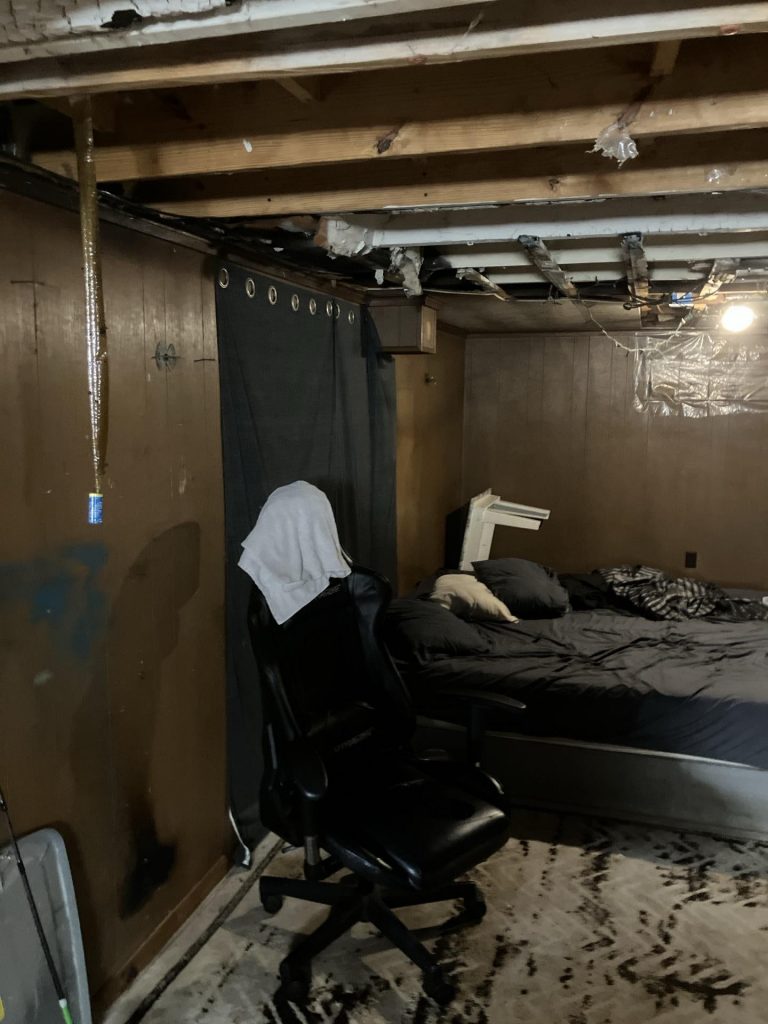
The Core Service Entity: IICRC-Certified Fire Damage Restoration in Columbus
Fire damage restoration is a technically complex, multi-phase service governed by the IICRC S500 Standard for Professional Water Damage Restoration and the IICRC S520 Standard for Professional Mold Remediation. These standards establish the scientific framework for assessing structural damage, removing toxic residues, extracting suppression water, and returning fire-affected properties to a safe, pre-loss condition.
In Columbus, Ohio, a rapidly growing metropolitan area with one of the most diverse housing stocks in the Midwest, IICRC-certified restoration requires expertise across multiple construction eras, from Victorian-era homes in German Village to contemporary builds in Dublin and Westerville.
Step 1: Immediate Emergency Response, What Columbus Homeowners Must Do First
- Evacuate your home immediately and do not re-enter under any circumstances until cleared by the Columbus Division of Fire.
- Call 911 from a safe distance if you have not already done so.
- Account for all family members and pets, fire-related injuries often occur during re-entry attempts.
- Do not use electrical switches, gas appliances, or utilities in the affected areas.
- Contact your homeowners insurance company immediately to report the loss and initiate your claim.
- Call PuroClean Home Savers at (614) 689-0012, our IICRC-certified team provides 24/7 emergency response throughout Columbus and Franklin County.
Step 2: Smoke, Soot, and Toxic Residue, Understanding the Silent Danger
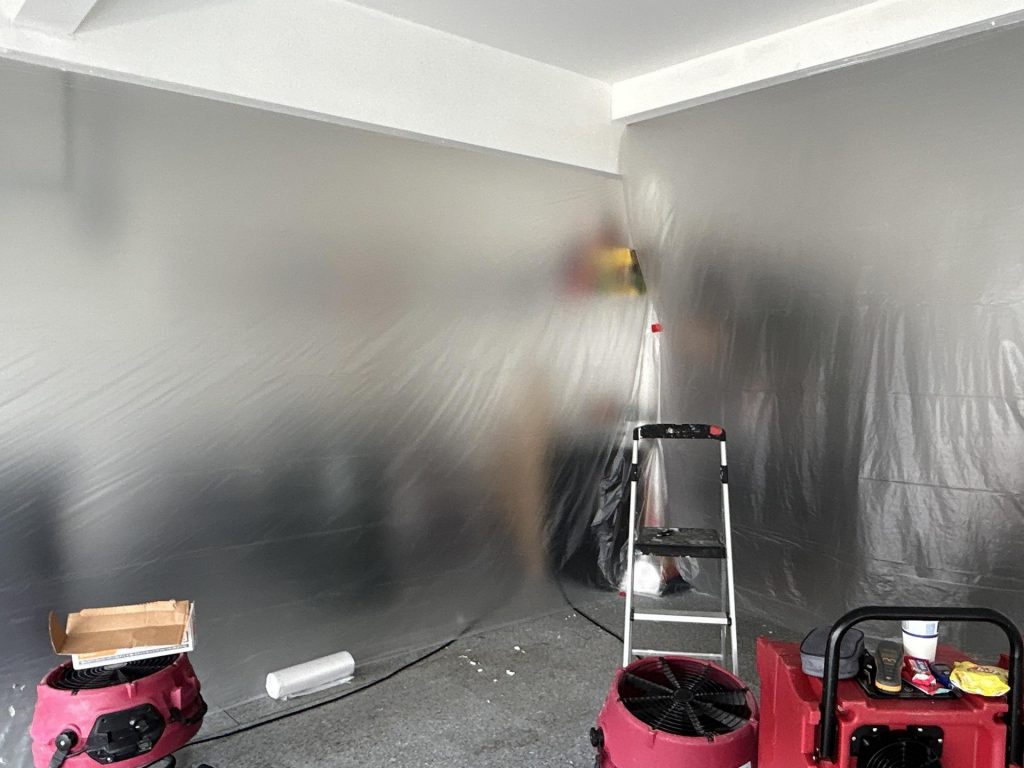
The combustion process produces a complex mixture of toxic byproducts that saturate every porous surface in a fire-affected home. In Columbus, where pre-war housing density is high in neighborhoods like Clintonville, Short North, and Olde Towne East, smoke infiltration through balloon-frame construction can rapidly contaminate multiple stories.
The Science of Smoke Damage
- Dry smoke residue from fast-burning fires creates powdery soot that smears when wiped, requiring dry chemical sponge treatment before wet cleaning.
- Wet smoke residue from slow-burning, low-heat fires produces sticky, pungent deposits that penetrate deep into porous substrates.
- HEPA filtration is deployed during cleanup to capture particulate matter, including sub-micron combustion byproducts, preventing re-suspension.
- Negative air pressure containment prevents smoke residue migration from affected zones to clean areas during remediation.
- Protein smoke from kitchen fires is near-invisible but highly pungent, requiring specialized enzymatic cleaning protocols.
- VOC off-gassing from synthetic materials, particularly prevalent in post-2000 Columbus construction with foam insulation and composite materials, requires extended air purification.
Step 3: Water Damage from Fire Suppression in Columbus Homes
Columbus receives approximately 39 inches of rainfall annually and experiences significant humidity during summer months (June–August), creating ideal conditions for rapid mold growth following fire suppression. Water from firefighting operations infiltrates subfloor assemblies, wall cavities, and insulation within minutes.
Why Immediate Water Mitigation Is Essential
- Psychrometrics, the science governing air temperature, relative humidity, and moisture evaporation rates, determines the precise drying conditions required to prevent mold colonization.
- Moisture mapping using infrared thermal imaging cameras detects water saturation behind drywall, under tile, and within insulated wall assemblies.
- Mold growth can begin within 24–48 hours in Columbus’s warm, humid summer conditions, making same-day water extraction non-negotiable.
- Antimicrobial biocide (EPA-registered formulations) is applied to all wetted surfaces to inhibit mold and bacteria growth during the drying period.
- Structural drying using commercial dehumidifiers and high-velocity air movers must achieve IICRC S500 drying goals before reconstruction begins.
| EMERGENCY FIRE DAMAGE RESTORATION PuroClean Home Savers serves Columbus, Ohio & Franklin County and surrounding areas. Call Now: (614) 689-0012 Available 24/7, IICRC-Certified Technicians |
Step 4: Documentation and Insurance Claims in Ohio
Ohio homeowners insurance policies (governed by Ohio Revised Code Chapter 3929) generally provide coverage for fire damage under standard HO-3 and HO-5 policy forms. The documentation steps you take in the first 24 hours directly determine your claim outcome.
- Photograph and video all damage in every affected room, shoot from multiple angles before any cleanup begins.
- Create a detailed inventory of all damaged personal property, including approximate purchase dates and values.
- Request the official Columbus Division of Fire incident report, your insurer will require this document.
- Do not dispose of any damaged items until your adjuster completes their inspection.
- Ask about Coverage D (Additional Living Expenses) if your home is uninhabitable, most Ohio HO-3 policies include this.
- Authorize PuroClean Home Savers to work directly with your insurance adjuster, we have extensive experience with Ohio-based carriers and national insurers operating in Franklin County.
Step 5: The Full IICRC-Certified Restoration Process for Columbus Homeowners
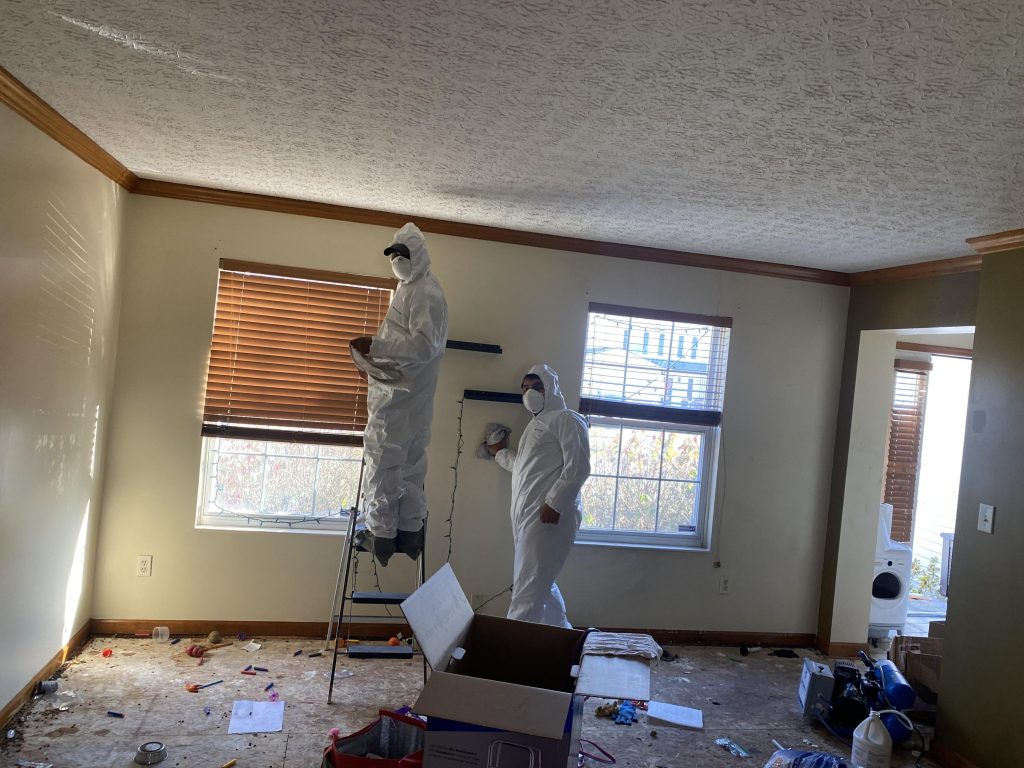
Phase-by-Phase Restoration
- Emergency Stabilization: Board-up and tarping of all structural openings, especially critical during Columbus’s cold winters and severe spring storm seasons.
- Structural Assessment: Comprehensive evaluation of fire damage to load-bearing walls, roof systems, and floor assemblies.
- Water Extraction: Industrial truck-mounted extractors remove bulk suppression water from all affected areas.
- Structural Drying: Commercial dehumidifiers, desiccant systems, and high-velocity air movers are deployed per psychrometric calculations.
- Soot and Smoke Removal: HEPA vacuuming followed by appropriate chemical sponge, wet cleaning, or abrasive methods based on residue type.
- Antimicrobial Treatment: Biocide application to all moisture-affected materials to prevent secondary mold remediation costs.
- Odor Neutralization: Thermal fogging and hydroxyl generation eliminate smoke odor at the molecular level in porous materials.
- Content Pack-Out and Restoration: Salvageable belongings are inventoried, packed, transported, and professionally cleaned.
- Reconstruction: Insulation, drywall, flooring, cabinetry, trim, and paint are restored to pre-loss condition.
Columbus Local Context: Unique Housing and Climate Considerations
Columbus is one of the fastest-growing cities in the United States, with Franklin County adding approximately 40,000 residents annually. This growth creates a highly diverse housing landscape:
- Historic neighborhoods (German Village, Victorian Village, Olde Towne East): Pre-1940 construction with plaster walls, balloon-frame structures, and older electrical systems that require specialized restoration approaches.
- Post-war suburbs (Whitehall, Bexley, Upper Arlington): 1950s–1970s ranch and split-level homes, many with aluminum wiring and older HVAC systems.
- Contemporary developments (Dublin, Westerville, Hilliard, Grove City): 2000s–present construction with engineered lumber, spray foam insulation, and composite materials that present unique fire and smoke damage profiles.
Ohio’s humid continental climate means Columbus homeowners face elevated mold risk following fire suppression. Summer relative humidity regularly exceeds 70%, creating conditions where mold colonization can begin within hours on wet structural materials.
Frequently Asked Questions, Fire Damage in Columbus, Ohio
Does homeowners insurance cover fire damage in Columbus?
Yes. Ohio’s standard HO-3 and HO-5 homeowners insurance policies cover fire damage to the structure and personal property. Ohio Revised Code Chapter 3929 regulates insurance practices, and Columbus homeowners have strong consumer protections. Contact your insurer within the first hour of a fire.
Does homeowners insurance cover mold caused by firefighting water in Columbus?
Coverage depends on your specific policy. Many HO-3 policies cover mold remediation when it results from a covered peril (such as fire suppression water). However, mold caused by pre-existing high humidity or deferred maintenance is typically excluded. Document water damage immediately and begin mitigation to support your claim.
How quickly should I call a restoration company after a house fire in Columbus?
Immediately, ideally within the first hour. The sooner structural drying begins, the lower the risk of secondary mold growth and the less total restoration cost. IICRC standards recommend water extraction within 24 hours to prevent mold colonization.
Does Columbus require permits for fire damage reconstruction?
Yes. The City of Columbus Building and Zoning Services requires permits for structural repairs, electrical work, plumbing, and HVAC replacement following fire damage. PuroClean manages the permit process on your behalf to ensure compliance with Ohio Residential Code.
What happens to my belongings after a house fire in Columbus?
Salvageable contents are inventoried and transported to our content restoration facility for professional cleaning using ultrasonic cleaners, ozone chambers, and specialty techniques. A detailed inventory is provided to support your insurance contents claim.
Contact PuroClean Home Savers, Columbus and Franklin County
When fire strikes your Columbus home, whether in German Village, Dublin, Westerville, Gahanna, Hilliard, Grove City, or anywhere in Franklin County, PuroClean Home Savers is ready to respond immediately, 24 hours a day, 7 days a week.
| EMERGENCY FIRE DAMAGE RESTORATION PuroClean Home Savers serves Columbus, Ohio & Franklin County and surrounding areas. Call Now: (614) 689-0012 Available 24/7, IICRC-Certified Technicians |
 PuroClean Home Savers