 PuroClean Home Savers
 Location: Columbus, IN | PuroClean Home Savers | Call: (614) 689-0012
Executive Summary
Mold begins growing within 24 to 48 hours after water damage in Columbus, Indiana homes. Given the city’s seasonal weather patterns and the prevalence of older housing stock, Columbus homeowners face real vulnerability when leaks, floods, or sewage backups go unaddressed even briefly. This article walks through the mold growth timeline specific to Columbus conditions, tells the story of one local homeowner who learned the hard way, and gives you a clear action plan for protecting your home.
A Columbus Basement After the Spring Thaw
In April 2023, a homeowner on the east side of Columbus, Indiana noticed water seeping into the basement following a heavy spring rain. The amount looked minor, maybe a half inch of water pooling in the corner, so she set up a box fan and figured it would dry out over the week while she was at work.
By day five, there was a smell she described as a wet sock mixed with something darker. By day ten, she could see dark spots creeping across the drywall behind the utility shelving. A professional inspection revealed mold covering over 60 square feet of the basement wall and had begun moving into the subfloor of the first level. The remediation took two weeks and cost nearly $9,000.
She later said the thing that shocked her most was being told the entire situation could have been prevented with 48 hour response and professional drying equipment. The fan she set up only moved surface air; it did nothing for the moisture trapped inside the wall.
Why Is Columbus, Particularly Vulnerable to Post Water Damage Mold?
Columbus experiences warm, humid summers along with significant spring rainfall. These conditions mean that outdoor humidity is often already elevated when a water damage event occurs indoors. When interior and exterior moisture combine after a flood or leak, drying windows shrink considerably.
Additionally, Columbus has a mix of newer developments and older residential neighborhoods with homes built in the 1950s through 1970s. Older homes often have less vapor barrier protection, older plumbing systems more prone to failure, and basement foundations that were not designed to today’s waterproofing standards. All of these factors accelerate mold risk after water intrusion.
What Is the Mold Growth Timeline After Water Damage?
Regardless of location, the biology of mold growth follows a predictable pattern after a water event:
0 to 12 hours: Mold spores present in the air and on surfaces begin absorbing moisture. No visible growth yet, but the process has started.
12 to 24 hours: Spores germinate on wet porous surfaces. Drywall, wood, carpet backing, and insulation are all high-risk materials.
24 to 48 hours: Active colony formation begins. This is the window where professional drying can still prevent visible mold.
3 to 5 days: Mold becomes visible as dark or fuzzy patches on surfaces. It begins spreading to adjacent dry surfaces through spore release.
1 to 2 weeks: Mold is embedded in structural materials. Musty odor is strong and pervasive. Remediation now requires demolition of affected materials.
Beyond 2 weeks: Without intervention, mold continues spreading indefinitely. Air quality poses serious health risks, particularly to children and elderly residents.
What Happens If Mold Is Not Treated in Columbus Homes?
Untreated mold in a Columbus home creates two categories of damage: structural and health-related.
Structural Damage
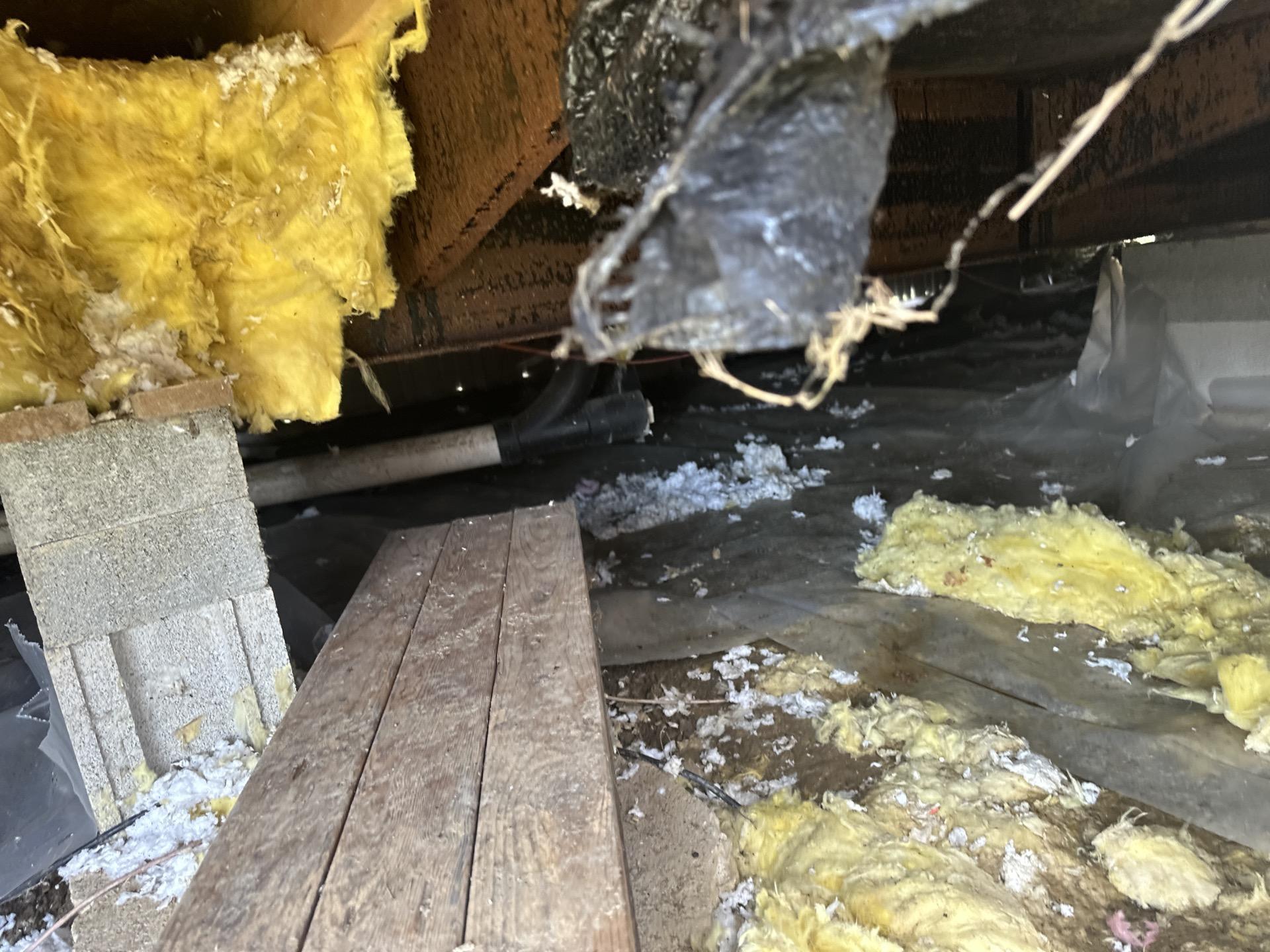
Mold feeds on organic materials, breaking down their structural integrity over time. Drywall becomes crumbly. Wood framing weakens. Subflooring delaminates. In basements and crawl spaces, this can affect the structural stability of the home itself. Remediation costs increase exponentially the longer treatment is delayed.
Health Impact
Indoor air quality drops as mold releases spores and volatile organic compounds (VOCs). Columbus residents in affected homes commonly report chronic respiratory symptoms, frequent headaches, unusual fatigue, and worsening of existing allergies. Children under five and adults over 65 are at greatest risk of serious respiratory complications.
What If the Water Damage Happened in a Finished Basement?
Finished basements are among the highest-risk areas for hidden mold growth in Columbus homes. The very features that make them livable, including drywall, carpet, drop ceilings, and enclosed wall cavities, also make it easy for mold to grow undetected.
If water damage occurs in a finished basement, assume the problem is worse than it looks. Water travels behind walls and under flooring quickly. A professional assessment with moisture meters is essential because visible damage represents only a fraction of actual moisture penetration in most finished basement scenarios.
What Are the Signs That Mold Has Already Started Growing?
After water damage in your Columbus home, watch for these indicators that mold may already be forming:
- A musty or earthy odor that was not present before the water event
- Dark spots, discoloration, or fuzzy patches on walls, ceilings, or floors
- Warping, bubbling, or peeling paint or wallpaper
- Family members developing unexplained respiratory symptoms or skin irritation
- Increased allergy symptoms indoors that improve when leaving the home
Any one of these signs after water damage warrants an immediate professional inspection, not a wait-and-see approach.
If I Run a Dehumidifier, Will That Stop Mold After Water Damage?
A consumer-grade dehumidifier will help reduce ambient humidity in a room, but it is not a substitute for professional water damage drying after significant water intrusion. Here is why: residential dehumidifiers remove moisture from the air but cannot extract moisture that has soaked into drywall, wood, insulation, and subfloor materials. Professional restoration companies use industrial-grade equipment that is 10 to 20 times more powerful than consumer units, along with high-velocity air movers that work in tandem with commercial dehumidifiers to draw moisture out of structural materials.
Running a household dehumidifier after water damage gives many homeowners a false sense of security. The room may feel less damp, but the walls, floors, and framing are still wet and creating perfect mold conditions.
Does Mold Grow Faster in Summer or Winter in Columbus?
Mold grows fastest in warm, humid conditions. Columbus summers, with average temperatures in the 80s and high humidity, create near-ideal mold growth environments after any water intrusion. A water damage event in July will produce visible mold faster than the same event in January.
However, winter water damage is not without mold risk. Heated interior spaces maintain temperatures well within mold’s preferred range, and lower ventilation rates in winter mean moisture is not dissipated by fresh air exchange. Mold growth is simply somewhat slower in winter, not prevented.
Frequently Asked Questions
How do I know if mold is hidden inside my walls?
The most reliable indicators are persistent musty odor without visible mold, and unexplained respiratory symptoms in household members. A professional mold inspection using moisture meters and sometimes thermal imaging is the only way to confirm hidden mold without opening walls.
Can mold come back after professional treatment?
Properly performed mold remediation that also addresses the underlying moisture source does not typically result in mold returning in the same location. If mold recurs, it almost always indicates an ongoing or new moisture problem that has not been resolved.
How much does mold remediation cost in Columbus, IN?
Costs vary widely depending on the extent and location of mold growth. Small, surface-level mold issues may run $500 to $1,500. Mold in wall cavities, basements, or HVAC systems can range from $3,000 to $30,000 or more depending on the scale of the problem.
Should I move out of my home if I find mold after water damage?
For small, contained mold situations, temporary relocation is often not necessary. For extensive mold growth affecting living spaces, HVAC systems, or involving black mold, a professional will typically advise whether temporary relocation is needed during remediation.
How long after water damage should I wait before testing for mold?
Do not wait for mold testing before calling for professional water damage restoration. By the time mold is testable and detectable, the growth window has already opened. Call a restoration professional immediately after water damage and have them assess the situation before any mold testing.
Conclusion
Mold growth after water damage in Columbus, is not a distant threat; it begins within the first 24 to 48 hours and compounds quickly from there. Whether your home has experienced a burst pipe, appliance leak, basement flooding, or storm water intrusion, the clock starts the moment water contacts porous building materials. Calling for professional help within hours of discovering water damage is the single most effective way to prevent a manageable drying job from becoming a costly mold remediation project.
Contact PuroClean Home Savers Now
If you are in the area and dealing with water damage or mold concerns, do not wait. Call PuroClean Home Savers at (614) 689-0012 for immediate assistance. Their team is available around the clock to assess the situation, contain the mold, and restore your home to a safe condition. Acting fast today can save you thousands of dollars and protect your family’s health.
 PuroClean Home Savers