


Reviewed for technical accuracy by PuroClean Home Savers’ IICRC-certified restoration team.
Removing smoke odor from furniture falls under fire and smoke damage restoration, and the IICRC S700 standard is the industry reference for it. S700 guides how technicians identify residue, choose the right cleaning method, and deodorize contents so odor is removed at the source. Columbus homeowners can apply the same approach to light damage. OSHA general industry rules under 29 CFR 1910 cover respirators and protective gear, and the local fire marshal must clear a home before you go back inside.
Key Takeaways for Homeowners
- Smoke odor is caused by soot particles and gases trapped in fabric, foam, and wood, so sprays only hide it.
- Do not wipe soot with a wet cloth. Water can spread residue and stain permanently.
- Light odor on hard surfaces often improves with airing, HEPA vacuuming, and dry sponges.
- Deep odor in upholstery, cushions, and raw wood usually needs professional cleaning and deodorizing.
- Furniture soaked with firefighting water can develop mold within a day or two.
- Ozone, hydroxyl, and thermal fogging belong in the hands of trained technicians.
The clock is running. Soot and moisture keep damaging fabric and finishes after the fire is out. Call PuroClean Home Savers at (614) 689-0012 and find out which pieces are worth saving before odor sets in for good.

Why does smoke smell stay in furniture?
Smoke smell stays in furniture because burning materials release microscopic soot particles and odor gases that settle into porous surfaces such as upholstery, cushion foam, and raw wood. The particles keep releasing odor, especially in humid air, so masking sprays fail. The residue itself has to be removed.
Wood fires leave dry soot, burned plastics leave sticky smears, and grease fires leave an almost invisible film with a strong smell. Each needs its own cleaning method, which is why one remedy rarely works on every piece.
Humidity matters too. Muggy Central Ohio summers can bring smoke odor back weeks after the fire, because moisture reactivates trapped residue. Professionals track psychrometrics, the relationship between temperature, humidity, and water vapor, and use dehumidification to keep contents dry while they work.
Action step: Touch a hidden spot with a dry cloth. If it smears, stop and treat the piece as professional work.
How do you get smoke odor out of furniture, step by step?
You get smoke odor out of furniture by removing loose soot first, cleaning each material with the right method, then neutralizing leftover odor and drying the piece completely. Skipping the order, especially wetting soot too early, can lock the smell in.
- Confirm it is safe. Wait for fire marshal clearance, wear a fitted respirator and nitrile gloves, and sort furniture into keep, professional care, and replace.
- Ventilate and dry the air. Open windows on dry days, run fans, and use a hygrometer to keep humidity well under 60 percent.
- HEPA vacuum. Use a HEPA-filtered vacuum with a soft brush, held just above the surface. Standard vacuums blow fine soot back into the room.
- Use a dry chemical sponge. Wipe soot from wood, vinyl, and fabric in one direction. Cut a fresh face as the sponge darkens.
- Absorb light odor. Cover upholstery in baking soda for 24 hours, then HEPA vacuum. Activated charcoal placed nearby adsorbs odor gases.
- Call for professional cleaning. Technicians test fabrics, then use hot water extraction or dry-cleaning solvents matched to the fiber. Wood may need cleaning, drying, and sealing.
- Deodorize with professional tools. Thermal fogging reaches the same crevices smoke did, and hydroxyl generators break down odor molecules. Ozone can work in a sealed, empty space, but it irritates lungs, so people and pets must stay out.
- Capture what is left in the air. HEPA air scrubbers with carbon filters run behind a containment barrier with negative air pressure, preventing cross-contamination of cleaned rooms.
Action step: Do steps 1 to 4 today. If odor remains, hand steps 5 to 8 to a professional.
Stop and call a professional if: cushions feel damp, a musty smell sits under the smoke, or you see black or green spotting. That suggests mold, and scrubbing can spread spores. Call PuroClean Home Savers at (614) 689-0012 before cleaning any further.
Which cleaning method fits which type of furniture?
Match the method to the material. Hard surfaces tolerate dry sponging and HEPA vacuuming, upholstery needs pre-tested professional extraction or solvent cleaning, and raw or porous wood may need sealing after cleaning. Soaked foam is often cheaper to replace than to treat.
Fabric sofas and chairs respond to professional extraction after soot removal. Leather needs specialty cleaners, since harsh products can dry and crack it. Finished wood can usually be cleaned and deodorized, while unfinished wood absorbs odor deeply. Small items, such as picture frames and knickknacks, can often go through ultrasonic cleaning. Anything that was wet should be dried with LGR dehumidification and checked with moisture mapping before treatment.
Action step: Photograph each piece and note its material before calling for an estimate.
How do Columbus conditions affect smoke-damaged furniture?
Columbus conditions matter because rivers, older sewers, and storm seasons put stored furniture at risk of moisture right when it needs to stay dry. Spring river overflow and summer flash flooding both raise basement humidity and flood risk.
The Scioto and Olentangy shape the city, and FEMA flood maps identify Special Flood Hazard Areas in Franklinton and the Bottoms. In Clintonville, spring storms often cause sump pump failures in finished basements. Pre-1970 areas such as German Village use combined sewers that can overflow in heavy rain, and Ohio EPA regulates combined sewer overflows in the region. A sewer backup can bring Category 3 (black water) contamination into a basement. German Village homes also often have plaster walls and older mechanical systems, where hidden moisture is easy to miss. Victorian Village and other pre-1960 neighborhoods share this mix of older construction and hidden moisture. Rescued furniture stored in these conditions can grow mold on top of smoke damage. Technicians may use thermal imaging to find damp spots under furniture, including subfloor delamination where firefighting water soaked in.
Action step: Keep salvaged furniture above grade in a dry room, away from floor drains and sump pits.
What does professional smoke odor removal involve?
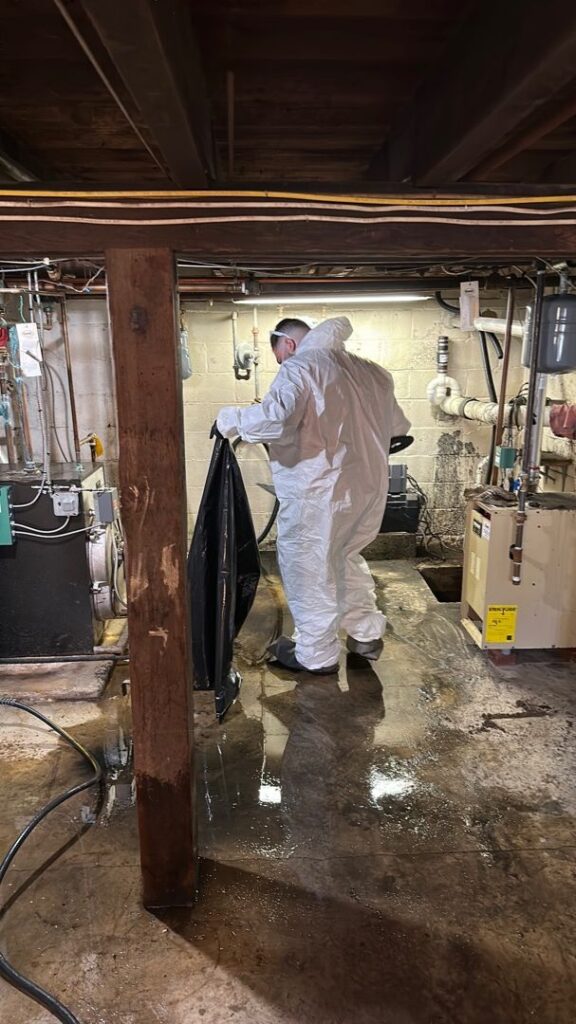
Professional smoke odor removal follows IICRC S700 principles: inspect and test, remove loose soot, clean by material, deodorize, dry, and verify. The goal is to eliminate the odor source and protect clean areas from cross-contamination.
Technicians photograph and inventory items for your insurance claim, pack out pieces for off-site treatment, and set up containment for anything that stays. After cleaning and deodorizing, they confirm results with hygrometer and moisture readings, and they may use antimicrobial biocide if damp contents show mold risk. Unlike a general cleaning company, PuroClean Home Savers provides 24/7 emergency dispatch, IICRC-certified technicians, and direct insurance billing for Columbus and Franklin County homeowners.
Action step: Ask any provider how it verifies odor removal before your furniture comes home.
Frequently Asked Questions
Does homeowners insurance cover smoke damage to furniture in Ohio?
Most standard homeowners policies cover personal property damaged by a covered fire, including smoke damage to furniture, subject to limits, deductibles, and replacement cost or actual cash value terms. Photograph and list every item before cleaning, and notify your insurer promptly. The Ohio Department of Insurance can explain your rights as a policyholder.
How much does smoke odor removal for furniture cost?
Cost depends on the size of the piece, the material, the smoke residue, and the treatment method. Cleaning one chair costs far less than treating a sectional. Ask for an itemized estimate that compares professional cleaning with replacement, since well-made furniture is often worth restoring and covered claims may include cleaning.
How long does it take to get smoke odor out of furniture?
Light odor on hard surfaces can fade in a few days with cleaning and airing. Upholstery, foam, and wood that need professional cleaning, deodorizing, and drying commonly take several days to a couple of weeks. Heavy protein or synthetic residue may need repeat treatments before the odor is gone.
Can I get smoke odor out of furniture myself?
For light odor on hard surfaces, yes. A HEPA vacuum, dry chemical sponge, and baking soda are safe starting points. Call a professional if odor has soaked into cushions or wood, if the piece got wet, or if residue smears. Never run an ozone generator in an occupied home.
Is smoke residue on furniture harmful to my health?
Smoke residue contains fine particles and irritants that can cause coughing, eye and throat irritation, and asthma flare-ups, especially in children and older adults. Furniture that also got wet can grow mold, adding spores and possible mycotoxins. Wear a respirator and gloves when handling affected pieces.
Is it safe to store smoke-damaged furniture in a Columbus basement?
Usually not. Spring storm season brings sump pump failures in finished basements in neighborhoods like Clintonville, and summer thunderstorms can overwhelm older combined sewers, causing backups. Damp storage adds mold to smoke damage. Use a dry, climate-controlled space or let a restoration company store the furniture during cleaning.
Get Help With Smoke-Damaged Furniture in Columbus
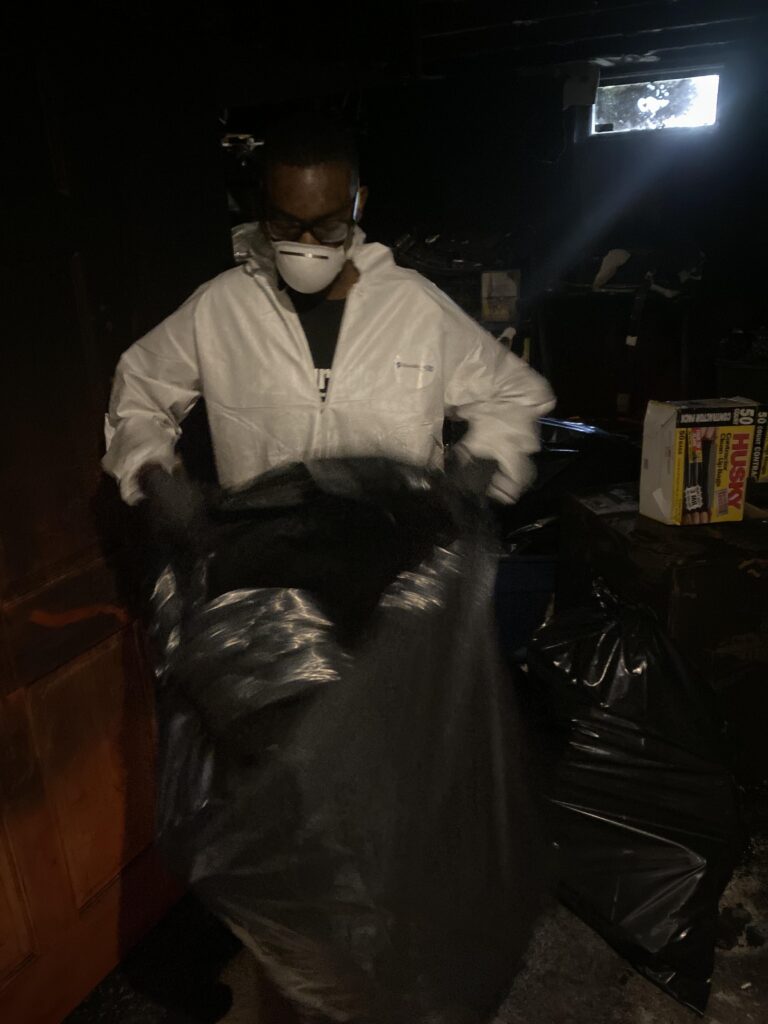
If smoke odor still fills your furniture, you do not have to guess your next step. PuroClean Home Savers serves Columbus and Franklin County. Call (614) 689-0012 any time, day or night. Our IICRC-certified technicians are available 24/7 and can bill your insurance company directly, so you can focus on your family.