


Reviewed for technical accuracy by PuroClean Home Savers’ IICRC-certified restoration team.
Key Takeaways for Homeowners
- Mold can begin colonizing wet building materials within 24 to 48 hours, so how fast you respond to an AC leak matters more than how thoroughly you clean it later.
- The IICRC S520 Standard for Professional Mold Remediation is the industry benchmark for identifying, containing, and removing mold growth safely.
- A clogged condensate drain line or a cracked drain pan causes most residential AC leaks in the Columbus area.
- Homes in neighborhoods like Clintonville and Bexley, where finished basements are common, are especially prone to hidden AC leak damage behind walls and under flooring.
- German Village and Victorian Village’s pre-1960 plumbing and combined sewer infrastructure mean a summer storm can complicate an AC leak with separate water sources.
- A musty odor, visible discoloration, or warped flooring near your AC unit or vents means it is time to call a certified remediation team rather than continuing DIY drying.
Central Ohio summers put air conditioners to work for months at a time, and the condensate those systems generate has to go somewhere. When a drain line clogs or a pan cracks, that water ends up on flooring, inside closets, or dripping through ceilings instead of draining outside. The IICRC S520 Standard for Professional Mold Remediation is the framework restoration professionals use to assess moisture-damaged materials and safely remove mold once it develops, and the EPA’s mold guidance reinforces the timeline that matters most here: materials that stay wet for more than one to two days in a warm, humid environment are likely to begin supporting mold growth. Columbus homeowners face this timeline pressure especially hard during the city’s frequent summer thunderstorms, when humidity stays elevated for days at a stretch. Below are seven steps that work together to prevent mold from taking hold after an AC leak.
If your AC has already leaked onto flooring, into a closet, or through a ceiling, do not wait to see if it dries on its own overnight. The window between a manageable cleanup and a mold problem is measured in hours, not days. Call PuroClean Home Savers at (614) 689-0012 for same-day service.
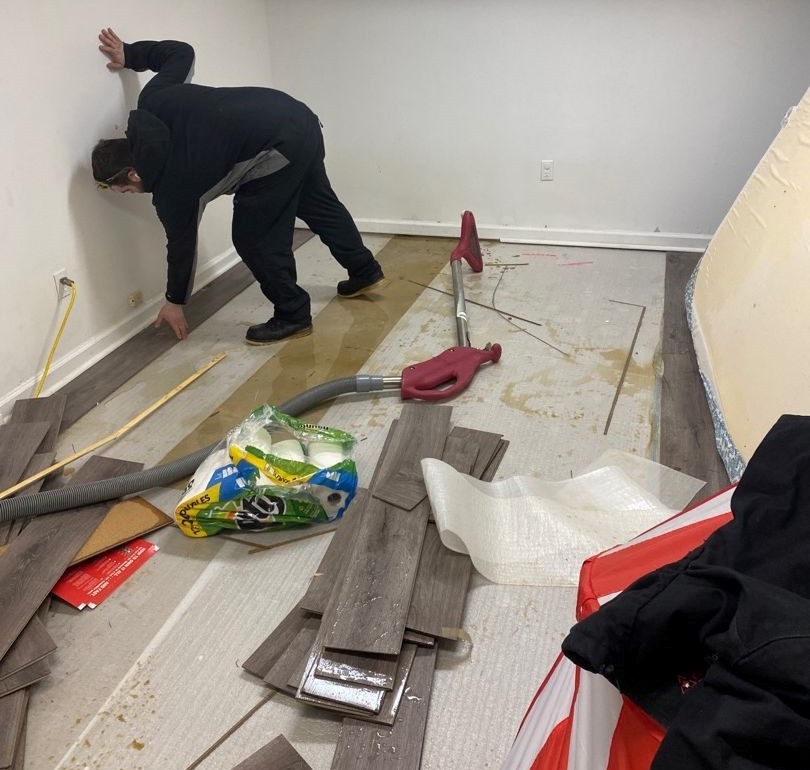
1. Shut Off the Unit Immediately
Turning off the air conditioner, either at the outdoor disconnect or the indoor breaker, stops additional water from entering the space while you assess what happened. If the leak involves a connected humidifier or supply line, shut that off too. This single action limits the damage to a fixed amount of water rather than an ongoing problem.
Takeaway: Every additional hour the unit runs is more water added to a problem you have not started solving yet.
2. Find and Fix the Root Cause
Most AC leaks trace back to a clogged condensate drain line, a cracked or corroded drain pan, or a frozen evaporator coil that overflows as it thaws unevenly. A short inspection tells you which one caused your leak and whether you can clear it yourself or need an HVAC technician. Drying the area without addressing the cause just guarantees you will be back here again within days.
Takeaway: Diagnosing the cause takes ten minutes and prevents a repeat leak that undoes all your drying work.
3. Remove All Standing Water
Use a wet/dry shop vacuum or absorbent towels to pull up any standing water on flooring or pooled in a closet as soon as the unit is off. Water sitting for more than a few hours starts wicking into drywall and downward into subfloor, spreading well beyond the original wet spot. Restoration technicians use moisture mapping, a systematic moisture-meter check of surfaces near the leak, to find water that has already traveled past what is visible.
Takeaway: Standing water you can see is only part of the problem; assume moisture has spread further than it looks.
4. Run Fans and a Dehumidifier Together
Position fans to move air across the wet area rather than aiming them at one spot, and open interior doors to help circulation. Airflow speeds evaporation, but only if that moisture has somewhere to go, which is why pairing fans with a dehumidifier matters. A low-grain refrigerant (LGR) dehumidifier extracts water more effectively than a standard portable unit, and professional crews use psychrometrics, the relationship between temperature, humidity, and moisture content, to confirm when a space has actually finished drying rather than relying on how it feels.
Takeaway: Airflow dries surfaces; dehumidification dries the structure underneath them. You need both running at once.
If you notice a musty smell that was not there before the leak, discoloration on drywall or baseboards, or the leak reached a finished wall or ceiling cavity, stop DIY drying and call a professional. Hidden moisture behind drywall needs thermal imaging and hygrometer readings to confirm it is dry, and mold that has already colonized a wall requires containment to remove safely.
5. Check Adjacent Rooms and Hidden Cavities
AC leak water often travels along ceiling joists or down inside wall cavities before pooling somewhere unexpected, sometimes a room or even a floor away from the unit. Check closets that share a wall with the AC equipment, look behind baseboards near the leak, and inspect the ceiling below any second-floor mechanical closet. Thermal imaging cameras let a technician identify temperature differences that indicate hidden moisture without cutting into drywall, catching problems before they lead to subfloor delamination, where saturated plywood layers separate and weaken.
Takeaway: Always inspect one room beyond where the visible water damage appears to stop.
6. Treat Dry Materials With an Antimicrobial
Once porous materials like studs, subfloor, and framing are confirmed dry, applying an EPA-registered antimicrobial biocide reduces the odds of later mold growth on surfaces that were exposed to moisture. This step should come after drying is complete, never as a substitute for it, since treating a still-damp cavity just masks the problem temporarily. Follow the product label and ventilate the area while applying it.
Takeaway: Antimicrobial treatment is a safeguard for already-dry materials, not a shortcut around the drying process.
7. Confirm With a Professional Moisture Check
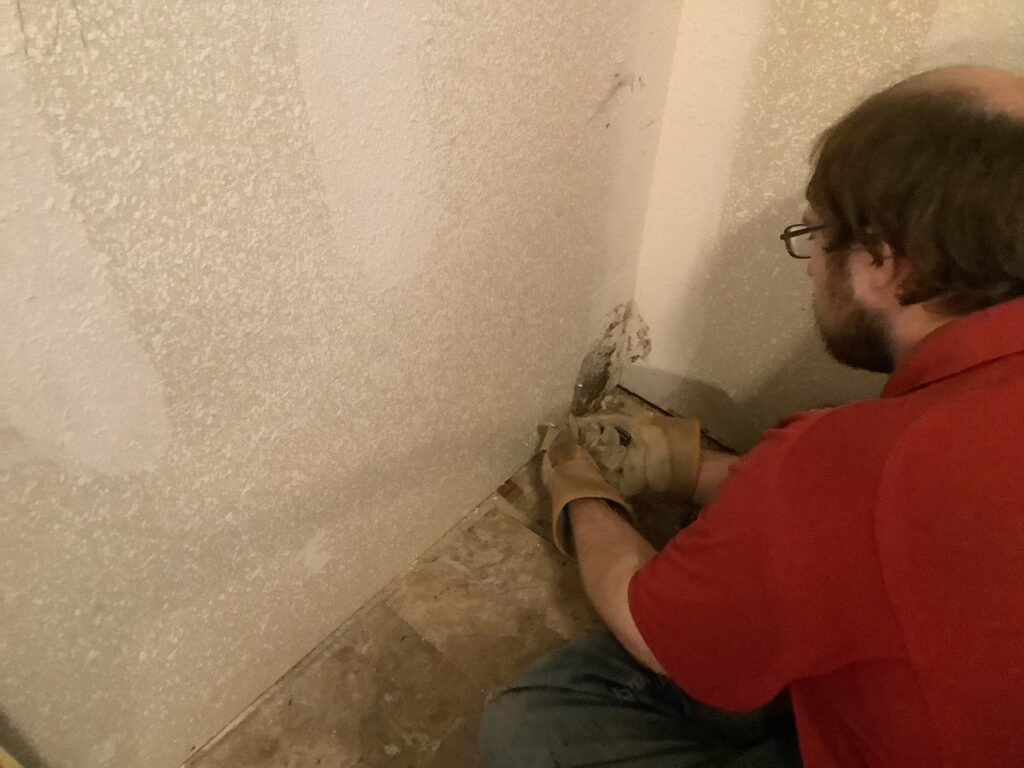
A surface can look completely dry while a wall cavity or subfloor beneath it still holds trapped moisture, and that hidden dampness is exactly what allows mold to develop weeks after the original leak seems resolved. A professional check combines moisture mapping and hygrometer readings, and where mold has already appeared, negative air pressure and air scrubbers with HEPA filtration bring the structure and the indoor air quality back to a verified baseline. This confirmation step is the one most homeowners skip, and it is the one that prevents a surprise mold problem after the drywall is already patched.
Takeaway: Confirming dryness with equipment, rather than assuming it from appearance, is what actually prevents mold.
Columbus Neighborhoods and Why Location Matters
Columbus is defined by its rivers: the Scioto runs north to south through the city and meets the Olentangy near downtown, while Big Walnut Creek and Alum Creek shape the east side. FEMA Flood Insurance Rate Maps identify meaningful Special Flood Hazard Areas in Franklinton, the Bottoms, and along Alum Creek on the near east side, and while the Griggs and O’Shaughnessy dams manage much of the river flow, intense urban rainfall can still overwhelm local drainage.
That matters for an AC leak because homes in these flood-adjacent areas often already carry elevated basement humidity, which shortens the window before an unrelated AC leak starts supporting mold growth on top of ambient dampness. Clintonville and Bexley homeowners with finished basements face a related but distinct issue: sump pump failures during spring storm season can combine with an AC condensate leak to create two separate moisture sources in the same space, complicating both diagnosis and drying.
In pre-1970 neighborhoods like German Village, Victorian Village, and parts of Franklinton, combined sewer systems can overflow during heavy rain and introduce Category 3 black water contamination through floor drains, a materially different and more hazardous situation than a clean-water AC leak, so it is worth confirming the source of any basement water before assuming it all came from the AC unit.
Columbus’s summer thunderstorms, capable of producing flash flooding severe enough to generate hundreds of flooded-basement calls to the city’s sewer maintenance operations center in a single event, also mean AC systems across the region run at high output for extended stretches, increasing the volume of condensate a failing drain line has to handle.
Frequently Asked Questions
Does homeowners insurance cover mold caused by an AC leak? Most policies cover sudden, accidental water damage from an AC leak, but many limit or exclude coverage for mold that develops after a homeowner knew about the leak and delayed repair. Check your specific policy language, and document when you discovered the leak and how quickly you responded in case you need to file a claim.
How much does mold remediation cost in the Columbus area? Cost depends on the size of the affected area, the type of material involved, and whether containment or air scrubbing equipment is required, so an accurate number requires an in-person inspection. A written scope of work before remediation begins helps you understand exactly what you are paying for.
How long does it take to dry out damage from an AC leak? A contained leak addressed promptly typically dries within three to five days using proper fans and dehumidification, though hidden or extensive moisture can take longer. Drying completion is confirmed through hygrometer readings rather than how dry a surface appears or feels.
Can I prevent mold myself, or do I need a professional? A small leak caught quickly, with no musty odor and no sign it reached a wall cavity, is often manageable with a shop vac, fans, and a dehumidifier. Once you notice discoloration, a musty smell, or suspect the water reached a finished wall or subfloor, professional moisture mapping becomes the safer path.
What health risks does mold from an AC leak pose? Certain mold species produce mycotoxins capable of irritating the respiratory system or worsening allergy and asthma symptoms, particularly in children, older adults, and people with existing respiratory conditions. Reactions vary by person and by mold species, so anyone with new or worsening symptoms near a known leak area should consult a physician.
How can I tell if my basement water came from the AC or from a sewer backup? AC leak water is typically clear and originates near the unit or connected ductwork, while sewer backup water often has an odor, may appear near floor drains, and is more likely during or immediately after heavy rainfall in older combined-sewer neighborhoods. If you are unsure, treat the water as potentially contaminated and have it assessed before cleanup, since sewer-related Category 3 water requires different handling.
PuroClean Home Savers serves Columbus, Ohio and Franklin County with 24/7 emergency dispatch, IICRC-certified technicians, and direct insurance billing to simplify the claims process during a stressful situation. If your AC leak has produced a musty odor, visible discoloration, or standing water sitting for more than a few hours, call (614) 689-0012 now for a same-day response.