


Reviewed for technical accuracy by PuroClean Home Savers’ IICRC-certified restoration team.
Mold in a crawl space is fungal growth on the joists, subfloor, insulation, and vapor barrier beneath a home. Professionals handle it under the IICRC S520 Standard for Professional Mold Remediation, which sets requirements for containment, air filtration, cleaning, and verification. The U.S. Environmental Protection Agency (EPA) backs this approach with guidance on moisture control and on when a homeowner should call a professional.
Because air rises through a house, spores and musty odors from below can reach the rooms above. Reactions differ a great deal, from no symptoms to serious illness. This guide covers eight health problems linked to mold exposure, why Columbus crawl spaces are vulnerable, and how a certified team removes mold safely. It is educational information, not medical advice.

Key Takeaways for Homeowners
- Crawl space mold can contribute to allergy symptoms, asthma flare-ups, coughing, and irritation of the eyes, nose, and throat.
- IICRC S520 remediation uses containment, negative air pressure, HEPA filtration, and post-work verification, which a surface wipe cannot replace.
- The EPA notes mold can start growing within 24 to 48 hours of a moisture event, so speed protects your home and your family.
- Craftsman-era homes in Clintonville and the Short North often have crawl spaces and older framing that hold moisture.
- Sewage backups in older combined-sewer neighborhoods such as German Village produce Category 3 (black water) contamination that requires professional handling.
- A musty smell, visible growth, or a soft floor above the crawl space are signs to book an inspection.
Do not let it sit. If a storm, a leaking supply line, or a sump pump failure sent water under your house, call PuroClean Home Savers at (614) 689-0012. Moisture problems get harder to reverse after the first 48 hours, and a quick visit can tell you whether the space is damp or already colonized.
Why Do Columbus Crawl Spaces Grow Mold?
Columbus crawl spaces grow mold because wet spring soil, summer thunderstorm runoff, and aging plumbing keep moisture near wood framing. Mold needs a food source and lasting dampness. The EPA advises keeping indoor humidity below 60 percent, and a crawl space that stays wet will exceed that.
The Scioto and Olentangy Rivers, along with Alum Creek and Big Walnut Creek, shape the city’s water table. FEMA flood maps mark significant hazard areas in Franklinton, the Bottoms, and along Alum Creek. The Griggs and O’Shaughnessy dams help with flood control, but intense urban rain can still overwhelm drains, and river overflow in spring can push groundwater under nearby homes. Sump pump failures during spring storm season are a common source of crawl space and basement moisture in Clintonville and Bexley.
Construction era matters too. Craftsman homes in Clintonville and the Short North often combine crawl spaces with plaster walls, which can hide moisture and mold. Pre-1960 homes in German Village, Victorian Village, and Italian Village are prone to supply line and pipe failures. In German Village and other pre-1970 areas served by combined sewers, heavy rain can cause sewage backups, and that water is Category 3. Newer Dublin construction generally drains better, though development near the Scioto has placed some newer homes in flood-prone ground.
Practical takeaway: After heavy storms, inspect your crawl space for standing water, wet insulation, and damp soil, and test your sump pump before the next forecast of rain.
What Are the 8 Health Problems Linked to Crawl Space Mold?
Crawl space mold is linked to eight main health problems: allergic reactions, asthma flare-ups, respiratory irritation, eye and skin irritation, sinus trouble, hypersensitivity pneumonitis, fungal infections in vulnerable people, and headaches with fatigue. Sensitivity varies, and a physician should evaluate symptoms.
1. Allergic Reactions
Mold spores are common allergens, and breathing them can cause sneezing, a stuffy or runny nose, and itchy, watery eyes. Watch the pattern. If symptoms improve when you are away from home and return when you are back, an indoor source may be involved.
2. Asthma Flare-Ups
Health agencies identify mold as an asthma trigger. Airway inflammation from spores and fragments can cause wheezing, chest tightness, and breathlessness. A person with asthma may notice more attacks at night or during humid weather when a crawl space is damp.
3. Coughing and Throat Irritation
Some people with no allergies still develop a dry cough, hoarseness, or a scratchy throat around mold. Particles and airborne compounds irritate the lining of the nose, throat, and lungs. It is usually mild in healthy adults, but it tends to persist as long as exposure does.
4. Eye and Skin Irritation
Airborne mold can leave eyes red, watery, and itchy, and contact with contaminated materials can cause rashes. Anyone entering a crawl space should wear gloves, goggles, and a respirator, which is one reason professionals do this work.
5. Sinus Trouble
Repeated exposure can keep nasal passages inflamed, leading to pressure, congestion, and recurring sinus infections. Allergic fungal sinusitis is a specific condition that only a physician can diagnose. If sinus treatment keeps failing, ask about your indoor air.
6. Hypersensitivity Pneumonitis
This immune reaction in the lungs to inhaled particles can be caused by mold. Symptoms include cough, fever, chills, and shortness of breath. It is uncommon but serious, and it typically improves only when exposure ends.
7. Fungal Infections in Vulnerable People
Healthy people rarely get infections from household mold. Those with weakened immune systems, such as people on chemotherapy or immune-suppressing drugs, may develop lung infections from molds like Aspergillus. Infants, older adults, and people with chronic lung disease also tend to react more strongly to poor air quality.
8. Headaches, Fatigue, and Trouble Concentrating
Some residents of moldy homes report headaches, tiredness, and mental fog. Musty odors come from compounds molds release, and certain species produce mycotoxins. Research on how much mycotoxin exposure comes from indoor air is still developing, so doctors focus on the symptoms present.
Practical takeaway: Keep a short symptom log noting time, room, and weather, and bring it to your doctor’s appointment.
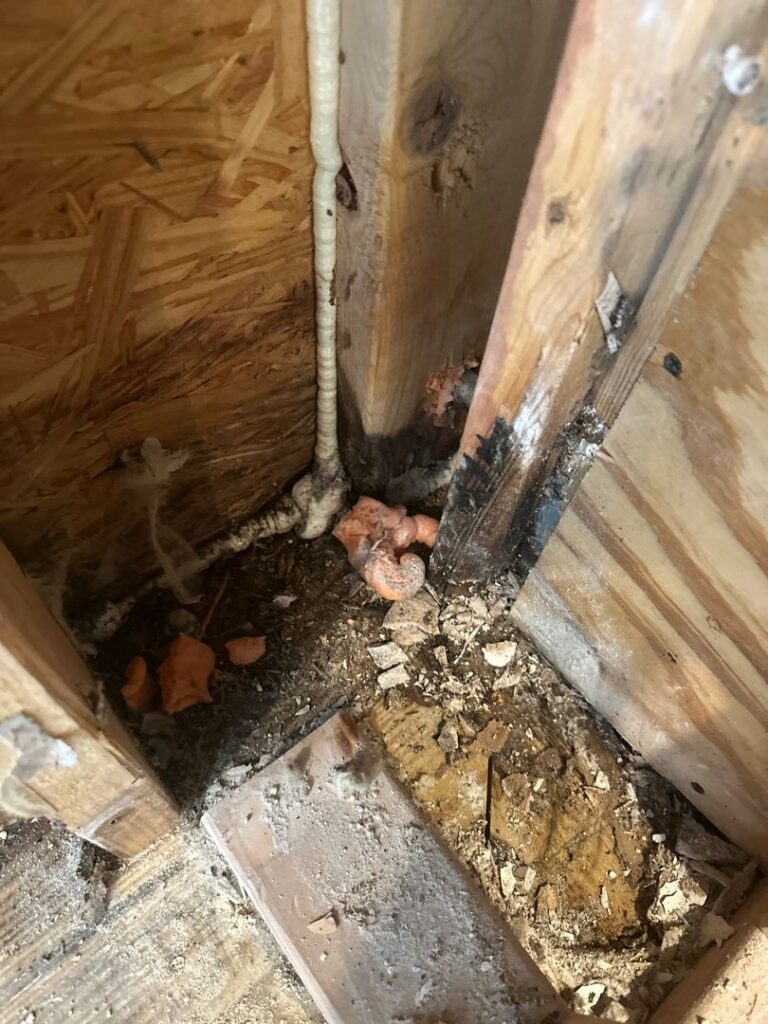
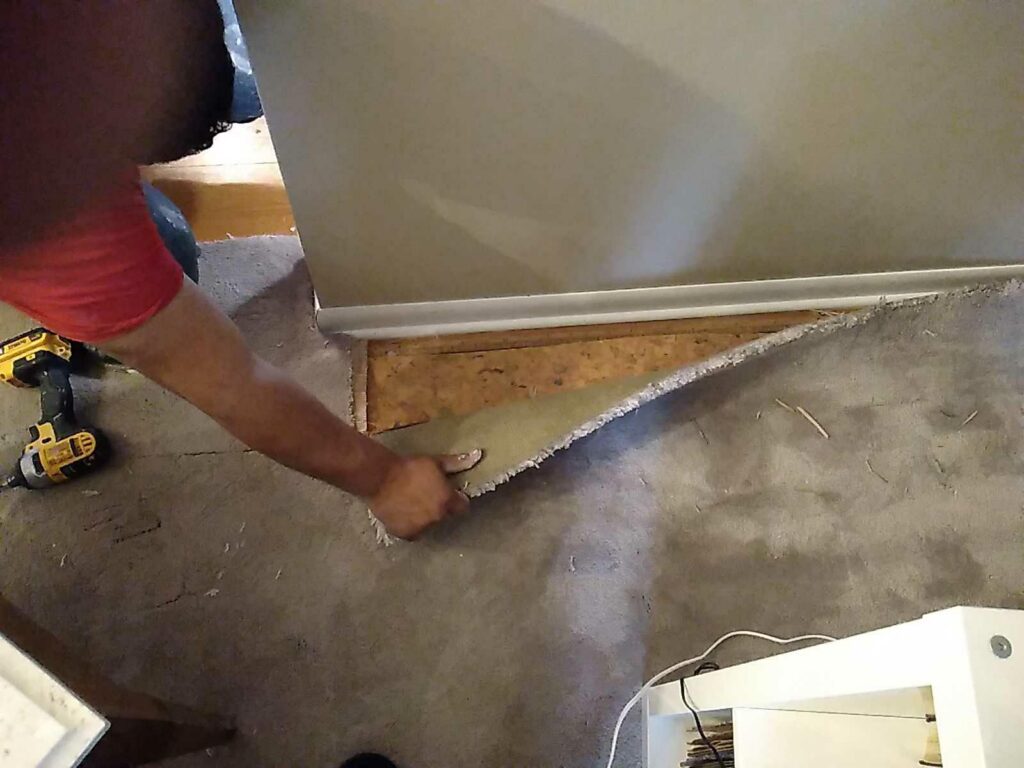
Stop and call a professional. If you notice dark growth on the subfloor near the access hatch, or the floor above feels soft, do not scrub it yourself. That can indicate subfloor delamination and heavy contamination. Call PuroClean Home Savers at (614) 689-0012. Disturbing mold without containment spreads spores into the house.
How Do Professionals Remove Crawl Space Mold?
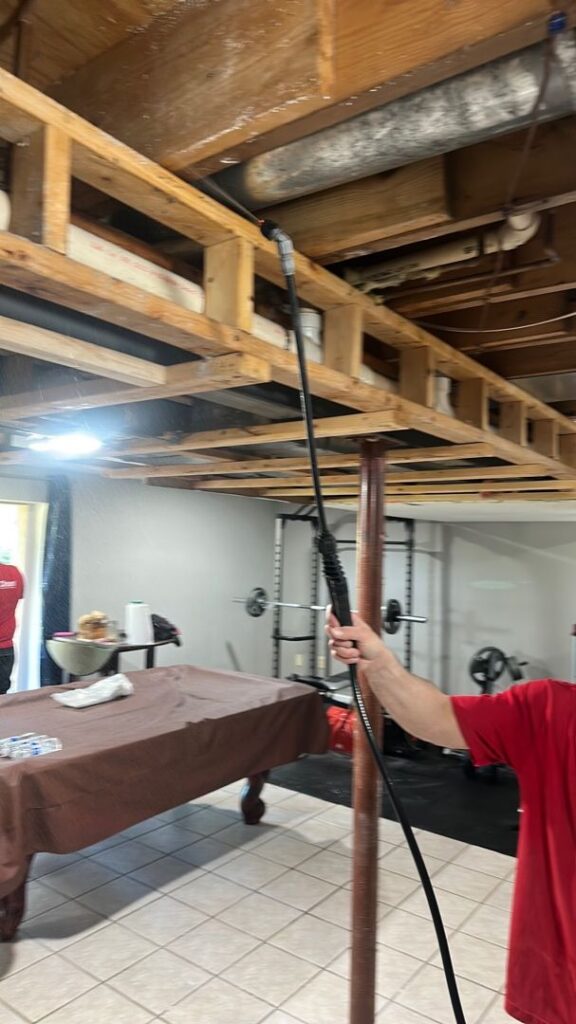
Professionals remove crawl space mold by mapping moisture, sealing the work area, filtering air under negative pressure, removing or cleaning affected materials, applying antimicrobial treatment, drying, and verifying results. The steps follow IICRC S520 so spores stay out of the living space.
- Inspect and map moisture. Technicians use moisture meters, a thermal imaging camera, and a hygrometer to find wet materials and log temperature and humidity. Psychrometric readings show the air’s moisture capacity.
- Find the source. Groundwater, plumbing, grading, and sump performance are checked, because growth returns if the water source stays.
- Build a containment barrier. Polyethylene sheeting with a zippered door isolates the work zone.
- Run negative air pressure. A negative air machine with HEPA filtration exhausts the work area, and air scrubbers capture airborne spores.
- Remove unsalvageable materials. Wet insulation, damaged vapor barrier, and deteriorated wood are bagged and taken out.
- Clean the framing. Technicians HEPA vacuum, then brush, sand, or damp-wipe surfaces.
- Apply antimicrobial biocide. A registered product treats the cleaned areas.
- Dry and verify. LGR dehumidifiers and air movers complete structural drying, and post-remediation verification confirms the space is ready.
When sewage or river floodwater has entered, the water is Category 3 black water, and cross-contamination controls become part of the job. The Ohio EPA regulates combined sewer overflows, and the cleanup scope expands accordingly. Framing or masonry that is deeply saturated may rate as Class 4 water damage and need specialty drying.
PuroClean Home Savers differs from a general contractor by providing 24/7 emergency dispatch, IICRC-certified technicians, and direct insurance billing.
Practical takeaway: Before you sign, ask for the containment plan and the verification method in writing.
Frequently Asked Questions
Can crawl space mold make Columbus homeowners sick? Yes. Spores and fragments can move upward into living areas and trigger allergies, asthma flare-ups, and airway irritation. Severity depends on the person and the extent of growth. Infants, older adults, and people with immune or lung conditions are more vulnerable, so an inspection is wise when symptoms follow you home.
Does Ohio homeowners insurance cover crawl space mold? It depends on the cause. Policies often cover mold that follows a sudden, covered event like a burst pipe, but commonly exclude long-term seepage, humidity, and flood water, which may need separate flood coverage. Review your policy, ask your agent, or contact the Ohio Department of Insurance.
How much does crawl space mold remediation cost? Cost depends on square footage, access, and how far growth has spread. Small contained jobs may cost under a thousand dollars, while a full crawl space with insulation removal and moisture correction can reach several thousand. A written inspection and estimate is the only dependable way to know.
How long does it take? Cleanup for an average crawl space often takes one to three days. Structural drying adds more time depending on moisture readings, and repairs to the water source can extend the schedule. Technicians track readings until drying targets are reached.
Can I clean crawl space mold myself? Small, isolated spots on hard surfaces may be manageable with protective gear. The EPA suggests professional help for areas larger than about 10 square feet, and for growth tied to sewage, hidden moisture, or a soft subfloor. Scrubbing without containment can spread spores through the home.
Does a sewer backup in an older Columbus neighborhood change the risk? Yes. In pre-1970 areas on combined sewers, heavy rain can push sewage into basements and crawl spaces. That water is Category 3 and should be handled by professionals in protective gear. Mold can begin within 24 to 48 hours, so avoid entering and call promptly.
Get Help With Crawl Space Mold in Columbus
If you suspect mold beneath your home, you do not need to guess. PuroClean Home Savers serves Columbus and Franklin County. Call (614) 689-0012 to schedule an inspection. Our IICRC-certified technicians are available 24/7 for emergencies, and we can bill your insurance directly.