 PuroClean Home Savers
 Executive Summary
Columbus, IN homeowners facing mold issues need clear guidance on the restoration process. Professional mold remediation involves thorough inspection, proper containment, safe removal of contaminated materials, structural drying, and preventive treatments to stop future growth. This comprehensive guide explains each phase of mold restoration, typical timelines, what to expect during the process, and how to prepare your home for professional remediation services.
Why Is Professional Mold Remediation Necessary in Columbus Homes?
Columbus’s climate creates conditions where mold thrives, particularly during humid summer months and when homes experience water damage from storms or plumbing failures. Professional remediation goes beyond surface cleaning to address hidden mold colonies and moisture sources that cause recurring problems.
Attempting DIY mold removal often makes problems worse by spreading spores throughout your home without eliminating root causes. Professionals use specialized equipment and follow established protocols to safely remove mold while protecting your family and property. Their expertise in identifying moisture sources prevents the cycle of remediation and regrowth that frustrates homeowners who take shortcuts.
What Happens During the First 24 Hours After Calling?
Speed matters when addressing mold contamination. Reputable remediation companies respond quickly to assess your situation and begin containment if necessary. During the initial contact, you’ll describe the problem, including when you discovered mold, any recent water damage, and symptoms family members might be experiencing.
The company schedules an on-site inspection within 24 to 48 hours for most situations. Emergency scenarios involving extensive contamination or health concerns receive same-day response. This rapid action prevents further damage and begins the process of returning your home to safe conditions.
How Do Technicians Assess Mold Damage in Your Home?
The assessment phase involves comprehensive inspection of visible and hidden areas. Technicians use moisture meters to detect dampness behind walls, under floors, and in ceilings where mold often grows undetected. Thermal imaging cameras can reveal moisture patterns indicating hidden leaks or condensation problems.
Inspectors document findings with detailed notes and photographs. They may collect air samples or surface samples for laboratory analysis to identify mold species and concentration levels. This information helps determine the remediation scope and whether any particularly problematic mold types require special handling procedures.
What Should You Do to Prepare for Remediation?
Preparation minimizes disruption and helps remediation proceed efficiently. Remove valuables, personal items, and furniture from affected rooms before technicians arrive. If contamination is extensive, you might need to relocate items from adjacent spaces to allow for proper containment setup.
Notify family members about the timeline and any necessary temporary relocation. If you have pets, arrange alternative accommodations during active remediation. Clear pathways from exterior doors to work areas so technicians can move equipment and materials efficiently. Communicate any health concerns or sensitivities so the team can take appropriate precautions.
How Do Professionals Create Containment Barriers?
Containment prevents cross-contamination during mold removal. Technicians seal affected areas using thick polyethylene sheeting attached to walls, floors, and ceilings. They create airlocks at entry points where workers pass through, removing protective equipment before exiting to prevent tracking spores into clean areas.
Negative air machines establish lower air pressure in the containment area compared to surrounding spaces. This pressure differential ensures air flows into the work zone rather than out, capturing spores in HEPA filtration systems. For extensive projects, technicians may establish multiple containment levels, with progressively stricter protocols closer to heavy contamination.
What Personal Protection Do Workers Use During Remediation?
Technician safety and preventing spore spread require comprehensive personal protective equipment. Workers wear full-body disposable suits, gloves, and eye protection when handling contaminated materials. Respirators with HEPA filters protect against inhaling mold spores during removal activities.
This protective gear also prevents workers from carrying spores out of containment areas on clothing or skin. Decontamination procedures at containment exits include disposing of outer protective layers and cleaning reusable equipment before moving into clean areas. These protocols protect both workers and your family from exposure.
How Long Does the Removal Phase Typically Take?
Removal duration depends on contamination extent and affected materials. A single room with limited damage might be cleared in one to two days. Extensive mold affecting multiple rooms or requiring structural material removal can take a week or longer.
Technicians work systematically, removing contaminated materials and bagging them for proper disposal. They HEPA vacuum surfaces before applying antimicrobial treatments. Patience during this phase ensures thorough removal rather than rushed work that leaves problems unresolved. Your remediation team provides timeline estimates and updates as work progresses.
What Happens to Contaminated Materials After Removal?
Proper disposal prevents spreading contamination beyond your property. Workers double-bag contaminated materials in thick plastic before transport. They seal bags inside the containment area to prevent spore release during handling.
Disposal follows local regulations for contaminated waste. Some materials may require special handling depending on mold types present or if the contamination occurred in commercial buildings with different regulatory requirements. Reputable companies document disposal properly and provide records for your files.
A Real Story From Columbus: The Finished Basement Discovery
Tom and Lisa finished their Columbus basement five years ago, creating a family room and home office. Last spring, Lisa noticed discoloration on the carpet near the exterior wall and a persistent musty odor. They assumed the smell came from storing old boxes in the adjacent storage area.
When the discoloration spread, they pulled back the carpet and discovered extensive mold growth on the carpet pad and concrete floor. The drywall at the base of the exterior wall was also contaminated. Alarmed, they contacted PuroClean Home Savers for professional assessment.
Technicians found that poor exterior grading allowed rainwater to collect against the foundation. Over time, moisture seeped through the concrete, creating perfect conditions for mold growth beneath the carpet. The finished basement had no vapor barrier on the concrete floor, allowing moisture to wick upward into materials.
Remediation required removing all carpeting, padding, and the lower four feet of drywall around the room’s perimeter. After treating the concrete and installing a proper vapor barrier, technicians dried the space thoroughly before reconstruction began. Tom and Lisa also had exterior grading corrected to direct water away from the foundation.
The lesson: proper moisture management is essential in below-grade spaces. Even well-finished basements remain vulnerable to water intrusion without proper waterproofing and drainage. Professional remediation addresses both the mold and the conditions that allowed it to develop.
How Do Technicians Ensure Complete Drying After Removal?
Drying is arguably the most critical phase of remediation. Commercial dehumidifiers and air movers run continuously, removing moisture from building materials and lowering ambient humidity. Technicians monitor moisture levels multiple times daily using pin-type and non-invasive meters.
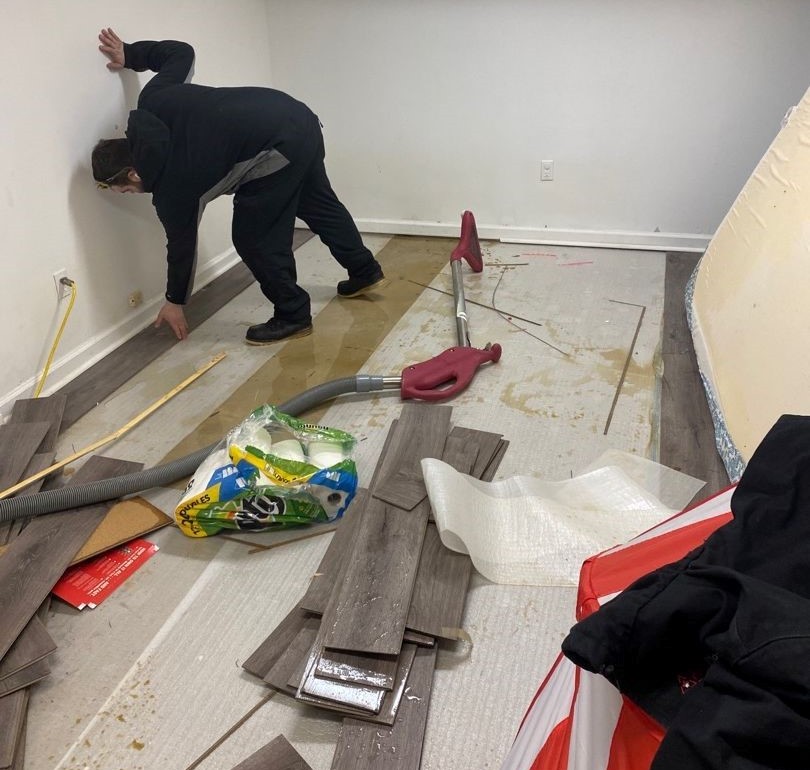
Materials must reach specific moisture content levels before reconstruction begins. Wood framing should measure below 16 percent moisture content, while concrete and masonry require even longer drying periods. Rushing this phase to meet arbitrary timelines creates conditions for rapid mold regrowth, wasting the entire remediation investment.
What Air Quality Measures Ensure Complete Remediation?
Air scrubbers with HEPA filtration run throughout remediation, continuously filtering airborne spores. These machines can process thousands of cubic feet of air per hour, progressively reducing spore counts. After physical remediation is complete, air scrubbing continues for 24 to 48 hours to maximize spore removal.
Some projects benefit from antimicrobial fogging, which disperses fine mist throughout the remediated space to treat surfaces and air. This additional step provides extra protection against any remaining spores and creates an inhospitable environment for new growth. However, fogging never replaces proper physical removal and cleaning of contaminated materials.
When Should Clearance Testing Occur?
Clearance testing verifies that remediation successfully reduced mold to acceptable levels. Testing typically occurs after all physical work is complete but before reconstruction begins. Independent testing provides unbiased verification, though many remediation companies include testing in their service packages.
Air samples collected post-remediation are compared to outdoor air or samples from unaffected areas. Spore counts should be equal to or lower than comparison samples. Surface sampling may also verify that cleaned materials are free from remaining contamination. Successful clearance testing provides documentation that your home is safe for occupancy and reconstruction.
What Reconstruction Work Follows Successful Remediation?
Reconstruction replaces materials removed during remediation. This includes installing new drywall, insulation, flooring, trim, and paint. Many remediation companies offer full-service restoration, managing reconstruction with their own crews or trusted contractors.
Reconstruction quality matters because improper installation can create new moisture problems. For example, poorly installed drywall that traps moisture or inadequate insulation that creates condensation can lead to recurring mold issues. Integrated remediation and reconstruction ensures continuity and accountability throughout your home’s restoration.
How Can You Verify Remediation Quality?
Quality verification starts with proper documentation throughout the project. Reputable companies provide detailed reports with before and after photos, moisture readings, and air quality test results. They explain their process and answer questions about specific techniques and materials used.
Don’t hesitate to inspect work areas during and after remediation. Professional companies welcome client involvement and transparency. If clearance testing wasn’t included initially, consider independent testing for peace of mind. Documentation of successful remediation also proves valuable when selling your home, showing future buyers that problems were addressed professionally.
What Warranty or Guarantee Should Professionals Provide?
Warranties vary by company but should cover their workmanship and the effectiveness of remediation. Typical warranties guarantee against mold regrowth in remediated areas for one to five years, assuming no new moisture events occur. Understand what the warranty covers and what actions might void coverage.
Warranties typically don’t cover mold growth from new leaks or moisture problems unrelated to the original issue. However, they should cover regrowth in remediated areas if moisture sources were improperly identified or if remediation techniques were inadequate. Get warranty terms in writing and keep documentation with your home maintenance records.
What Preventive Measures Protect Against Future Mold?
Prevention focuses on moisture control throughout your home. Maintain humidity between 30 and 50 percent using dehumidifiers in basements and other damp areas. Ensure bathrooms and kitchens have working exhaust fans that vent outside, not into attics or crawl spaces.
Fix plumbing leaks immediately, even small drips that seem insignificant. Inspect roofs, gutters, and downspouts regularly to ensure water flows away from your foundation. In basements and crawl spaces, consider installing vapor barriers and ensuring proper drainage. These preventive steps are far less expensive than repeated remediation cycles.
How Do You Handle Insurance Claims for Mold Remediation?
Insurance coverage for mold depends on your policy and what caused the growth. Mold resulting from covered perils like sudden pipe bursts or storm damage is typically covered. However, mold from long-term maintenance neglect or gradual leaks usually isn’t covered under standard homeowners policies.
Contact your insurance company immediately when you discover mold. Document the damage with photos before remediation begins. Professional remediation companies often work directly with insurance adjusters, providing necessary documentation and estimates. They understand what insurers require and can advocate for appropriate coverage based on the damage present.
Should You Get Multiple Estimates Before Choosing a Company?
Getting multiple estimates helps you understand typical costs and compare company approaches. However, don’t choose based solely on price. The lowest bid often indicates corner-cutting that leads to inadequate remediation and recurring problems.
Compare companies based on certifications, experience, references, and the comprehensiveness of their proposed approach. Ask how they handle unexpected discoveries during remediation and whether their estimates include clearance testing. A thorough estimate from an experienced company provides better value than a low price from an unqualified contractor.
What Questions Should You Ask Remediation Companies?
Essential questions include asking about certifications, insurance coverage, and specific experience with mold types found in Columbus homes. Ask how they handle containment, what equipment they use, and whether estimates include clearance testing and reconstruction.
Request references from recent clients with similar projects. Ask about their warranty terms and what actions might void coverage. Understand their timeline estimates and what factors might extend the project. Companies confident in their abilities answer questions thoroughly without pressure tactics or vague responses.
Frequently Asked Questions
How much does mold remediation cost in Columbus, IN?
Columbus mold remediation costs typically range from $500 for small, contained areas to $6,000 or more for extensive projects requiring structural repairs. Most homeowners pay between $1,500 and $4,000 for typical remediation projects. Exact costs depend on contamination extent, materials affected, and whether reconstruction is needed.
Can I live in my home during mold remediation?
Living arrangements depend on project scope and individual health. Small projects with proper containment often allow you to remain in unaffected areas. Extensive remediation or health vulnerabilities like asthma may require temporary relocation. Your remediation team provides specific recommendations based on your situation.
How long does mold remediation take from start to finish?
Small projects may be completed in two to four days. Extensive contamination requiring significant material removal and structural drying can take two weeks or longer. The drying phase often determines overall timeline, as materials must reach specific moisture levels before reconstruction begins.
Is mold remediation covered by homeowners insurance?
Coverage depends on what caused the mold growth. Sudden events like pipe bursts or storm damage are typically covered. Mold from long-term maintenance neglect or gradual leaks usually isn’t covered. Review your policy and contact your insurer when you discover mold to understand your coverage.
What health risks does mold pose?
Mold exposure can cause respiratory symptoms, allergic reactions, and irritation to eyes, skin, and throat. People with asthma or mold allergies may experience severe reactions. Immune-compromised individuals face higher risks. Health effects vary by individual sensitivity and exposure duration.
How do I know if mold remediation was successful?
Successful remediation eliminates visible mold, removes musty odors, and returns spore counts to normal levels. Clearance testing provides objective verification that air quality has improved. Proper documentation including moisture readings and test results confirms that remediation met industry standards.
Can mold return after professional remediation?
Properly executed remediation that addresses moisture sources prevents mold return in treated areas. However, new moisture problems from leaks, flooding, or humidity issues can cause new mold growth elsewhere. Maintaining proper moisture control keeps your home mold-free long-term.
Do I need to replace all furniture and belongings in affected rooms?
Not necessarily. Non-porous items like metal, glass, and hard plastic can usually be cleaned and saved. Porous materials like upholstered furniture, mattresses, and carpeting that contacted mold often require replacement. Your remediation team assesses each item and provides recommendations.
Conclusion
Understanding the mold remediation process helps Columbus homeowners navigate restoration with confidence. Professional remediation involves systematic steps from inspection through clearance testing, each critical to successfully eliminating contamination and preventing recurrence. While the process requires patience and investment, proper remediation protects your home’s value and your family’s health far better than DIY attempts or delayed action.
Mold problems never improve on their own. Contamination spreads, damage worsens, and health risks increase the longer you wait. Quick professional intervention limits damage extent and reduces overall restoration costs.
If you’ve discovered mold in your Columbus home or suspect hidden contamination, contact PuroClean Home Savers at (614) 689-0012 for immediate assistance. Their experienced technicians provide comprehensive mold remediation services following industry best practices. Don’t let mold compromise your home and health. Call (614) 689-0012 today for professional inspection and remediation services tailored to Columbus homes.

 PuroClean Home Savers