


Key Takeaways for Homeowners
- Lack of IICRC S500/S520 certification is an immediate disqualifier.
- Contractors who skip containment, negative air pressure, or HEPA filtration are creating bigger problems.
- Beware of companies that quote over the phone without moisture mapping or inspection.
- No discussion of mycotoxins, antimicrobial biocides, or psychrometrics signals inexperience.
- Local Columbus knowledge, including Ohio building codes and climate factors, is essential for lasting results.
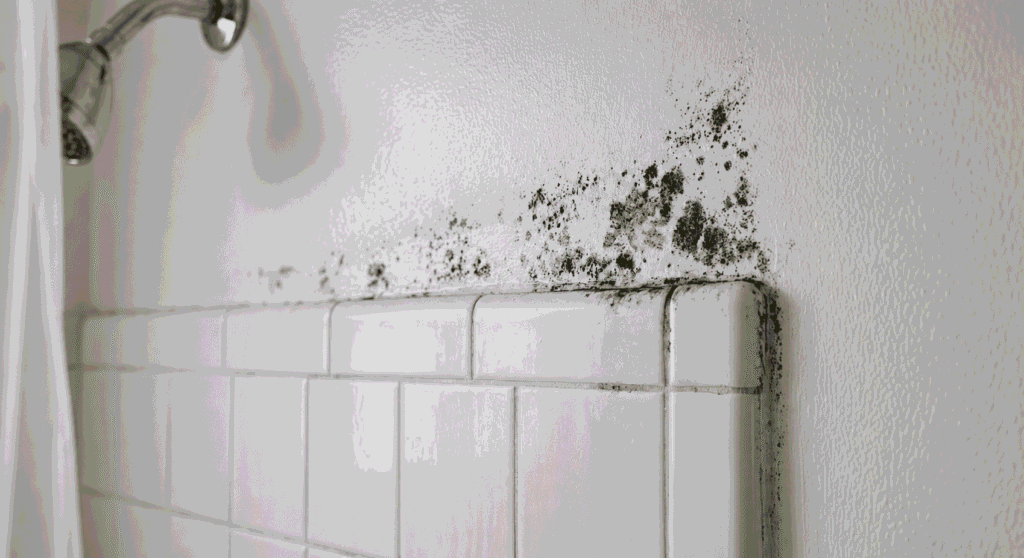
Columbus, Ohio homeowners facing mold issues are often vulnerable. The discovery of mold triggers anxiety about health risks, property damage, and repair costs. In this emotional state, it is easy to hire the first company that promises a quick fix. But the wrong mold remediation company will not solve your problem. They will make it worse, more expensive, and potentially more dangerous. This guide exposes the eight warning signs that should send you running in the opposite direction.
Warning Sign 1: They Cannot Prove IICRC S500/S520 Certification
The first and most critical question you should ask any mold remediation company is whether their technicians hold current IICRC certification in S500 (Water Damage Restoration) and S520 (Microbial Remediation). If the answer is vague, evasive, or accompanied by references to unrelated “mold certifications” from online courses or trade associations, you are talking to the wrong company.
IICRC certification is the industry standard because it requires hands-on training, written examination, and continuing education. It ensures that technicians understand the science of moisture, the biology of fungal growth, and the engineering controls necessary for safe remediation. A company that cannot produce certification documentation is either untrained or unwilling to invest in professional development. Either way, they are unqualified to work in your home.
Warning Sign 2: They Offer a Phone Quote Without Inspection
Mold remediation is not a commodity service with a flat rate. The scope of work depends on the extent of contamination, the type of mold present, the moisture source, the affected materials, and the structural complexity of the space. A company that offers a quote over the phone without a site visit, moisture assessment, or air sampling is either incompetent or dishonest.
Proper assessment involves visual inspection, moisture mapping with calibrated meters, thermal imaging to identify hidden moisture, and in some cases, air and surface sampling to determine spore types and concentrations. This process cannot be completed over the phone. Any quote given without assessment is a guess, and it will almost certainly change once work begins, often dramatically.
Warning Sign 3: They Do Not Discuss Containment or Negative Air Pressure
Containment is not optional. It is the engineering control that protects the rest of your home from cross-contamination during remediation. If a contractor’s proposal does not include detailed containment protocols, including physical barriers and negative air pressure, they are not planning to contain the mold. They are planning to spread it.
Negative air pressure is achieved by exhausting air from the containment zone through HEPA filtration, creating a pressure differential that prevents contaminated air from escaping into clean areas. HEPA filtration captures particles as small as 0.3 microns with 99.97% efficiency. A contractor who minimizes or omits these controls is demonstrating a fundamental lack of understanding about how mold remediation works.
Proper Containment Checklist:
- 6-mil polyethylene sheeting with sealed seams
- Zippered entry points for controlled access
- HEPA-filtered negative air machines
- Sealed HVAC vents within the containment zone
- Two-stage decontamination chamber
- Continuous pressure differential monitoring
Warning Sign 4: They Plan to Use Bleach or Generic Cleaning Products
Bleach does not kill mold on porous materials. It bleaches the color, giving the appearance of removal, while the hyphae (root structures) remain embedded in drywall, wood, and insulation. Worse, bleach is approximately 90% water, which adds moisture to an already compromised environment and can actually fuel further mold growth.
Professional mold remediation requires EPA-registered antimicrobial biocides selected for the specific contamination class. These products are applied with proper equipment, allowed adequate dwell time, and followed by thorough cleaning and verification. A contractor who reaches for a bottle of bleach is not a remediation professional. They are a cleaner with a dangerous misconception.
Warning Sign 5: They Ignore Mycotoxin Risks
Not all mold is benign. Species such as Stachybotrys chartarum, Aspergillus, and certain Penicillium strains produce mycotoxins, toxic compounds that can cause severe health effects. A qualified contractor must be able to discuss mycotoxin risks, identify conditions that favor mycotoxin production, and implement protocols for safe handling of contaminated materials.
If a contractor dismisses concerns about mycotoxins, claims all mold is harmless, or suggests that visible removal is sufficient regardless of species, they are demonstrating dangerous ignorance. Mycotoxin-contaminated materials require special handling, including proper personal protective equipment for workers and disposal according to local regulations.
Warning Sign 6: They Cannot Explain Psychrometrics or Structural Drying
Psychrometrics is the science of air and moisture relationships, and it governs every legitimate drying and remediation project. A contractor who cannot explain dew point, relative humidity, grains of moisture per pound of dry air, or the relationship between temperature and moisture capacity is not qualified to dry your structure.
Structural drying requires commercial-grade dehumidification, strategic air movement, and continuous monitoring. IICRC S500 establishes specific drying goals, including moisture content below 16% for wood framing and relative humidity below 60% in all affected areas. A contractor who relies on household fans and consumer dehumidifiers is not performing structural drying. They are hoping for the best.
Warning Sign 7: They Have No Local Columbus Expertise
Columbus, Ohio presents unique mold challenges that generic national franchises or out-of-town contractors may not understand. Central Ohio’s humid continental climate brings hot, humid summers with frequent thunderstorms and cold winters with freeze-thaw cycles that stress building envelopes. The city’s housing stock includes historic homes in German Village and Victorian Village, mid-century construction in suburbs like Upper Arlington and Bexley, and newer developments with varying building quality.
Local building codes, including the Ohio Building Code and Columbus-specific amendments, establish requirements for ventilation, moisture barriers, and drainage that informed contractors should reference. A contractor who cannot discuss Columbus’s clay-heavy soils, common foundation types, or seasonal moisture patterns is not equipped to design lasting solutions for your home.
Columbus-Specific Mold Risk Factors:
- Clay-Rich Soils: Central Ohio’s expansive clay soils trap moisture against foundations and create hydrostatic pressure
- Seasonal Humidity: Summer relative humidity frequently exceeds 70%, creating condensation risks
- Historic Housing Stock: Older homes in established neighborhoods often lack modern vapor barriers and ventilation
- Basement Culture: Many Columbus homes feature finished basements that were not originally designed as living spaces
- Storm Water Management: Rapid summer thunderstorms can overwhelm drainage systems and cause foundation seepage
Warning Sign 8: They Provide No Documentation or Verification
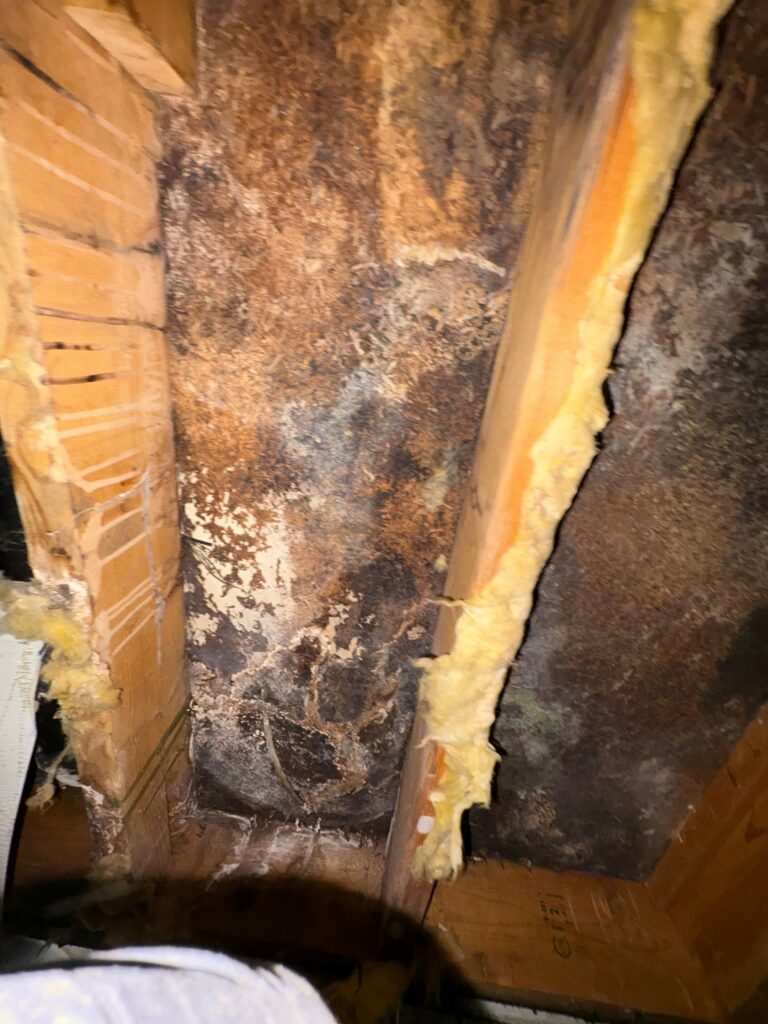
Reputable mold remediation generates substantial documentation. Before work begins, you should receive a detailed scope of work, written estimate, and project timeline. During the project, daily logs should record moisture readings, equipment operation, and any deviations from plan. After completion, you should receive a comprehensive report including post-remediation moisture verification and, ideally, independent air quality clearance testing.
A contractor who promises to “just take care of it” without documentation is not accountable. If mold returns, you will have no record of what was done, what materials were removed, or what products were applied. Documentation protects your investment, supports insurance claims, and provides peace of mind for future buyers.
The Cost of Hiring the Wrong Company
The consequences of hiring an unqualified mold remediation company extend far beyond wasted money. Incomplete remediation allows mold to continue growing behind walls and under flooring, silently degrading your home’s structure and contaminating your indoor air. Cross-contamination during improper remediation can spread mold to previously unaffected areas, turning a localized problem into a whole-house crisis.
Health effects from ongoing mold exposure can include chronic respiratory conditions, allergic sensitization, and in vulnerable individuals, serious fungal infections. The financial cost of fixing a botched remediation often exceeds the cost of doing it right the first time, and some damage, such as compromised structural members or ruined HVAC systems, may be irreversible.
Frequently Asked Questions
Does home insurance cover mold caused by high humidity in Columbus, Ohio?
Most Ohio homeowners insurance policies exclude mold damage resulting from long-term humidity, condensation, or maintenance neglect. However, mold that results from a covered sudden and accidental water event, such as a burst pipe or storm damage, may be covered. The key is documentation of the cause and timeline. PuroClean Home Savers can help document your loss and work directly with your insurance carrier.
How do I verify a contractor’s IICRC certification?
Ask to see the technician’s current certification card, which includes their name, certification number, and expiration date. You can also verify certification through the IICRC’s online verification system. Be cautious of companies that claim their certification is “pending” or that they are “trained by” an IICRC-certified individual without holding their own credentials.
What should a proper mold assessment include?
A proper assessment includes visual inspection of all accessible areas, moisture mapping with calibrated meters, thermal imaging to detect hidden moisture, and in many cases, air and surface sampling to identify mold species and concentrations. The assessment should produce a written report with findings, recommendations, and a detailed scope of work.
Can mold remediation be done safely while I live in the home?
For small, isolated contamination in a single room with proper containment, it may be possible to remain in the home. For extensive contamination, multiple affected areas, or known mycotoxin-producing species, temporary relocation is strongly advised. Your contractor should make this recommendation based on assessment data, not convenience.
How long should I expect professional mold remediation to take?
Timeline varies by project scope. Small, contained projects may take 3 to 5 days. Larger projects involving basements, crawl spaces, or multiple rooms may require 1 to 3 weeks. Drying alone, per IICRC S500 standards, typically requires a minimum of 72 hours of continuous dehumidification after the moisture source is eliminated.
Mold remediation is too important to trust to the lowest bidder or the fastest promise. The eight warning signs in this guide are your protection against contractors who will take your money and leave your home worse than they found it. PuroClean Home Savers serves Columbus, Ohio and all of central Ohio with IICRC-certified technicians, advanced containment and HEPA filtration systems, and a proven track record of getting homes back to safe, healthy conditions. When you are ready to hire a mold remediation company that does it right the first time, call (614) 689-0012 for immediate assistance and support.