


Reviewed for technical accuracy by PuroClean Home Savers’ IICRC-certified restoration team.
Key Takeaways for Homeowners
- Mold can grow under wet carpet within 24 to 48 hours, often out of sight in the pad and subfloor.
- Common health effects include allergy symptoms, irritation of the eyes, nose, and throat, and asthma flare-ups.
- Infants, older adults, and people with asthma, allergies, or weakened immune systems face higher risk.
- Carpet exposed to sewage is Category 3 (black water) and carries bacterial risks on top of mold.
- Columbus homes face wet carpet risk from river-corridor flooding, sump pump failures in spring, and flash flooding from summer thunderstorms.
- Do not scrub, vacuum, or fan visible mold. Disturbing it can spread spores through the house.
Do not wait to see if it dries. Mold can start under wet carpet in a day or two, and the health risks grow with exposure time. If your carpet is damp, call PuroClean Home Savers at (614) 689-0012 for fast moisture testing in Columbus and Franklin County.
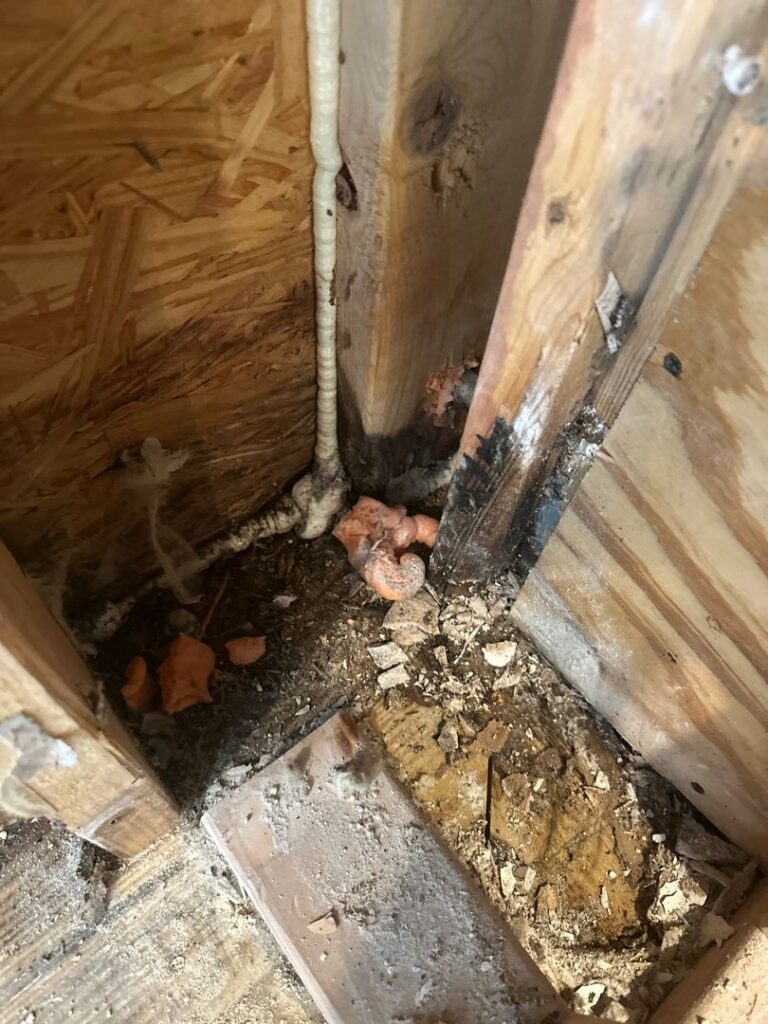
What Is Mold Under Wet Carpet?
Mold under wet carpet is fungal growth that develops in the pad, backing, or subfloor when moisture stays trapped after a leak or flood. The IICRC S520 Standard for Professional Mold Remediation is the industry reference for safe removal, and the IICRC S500 Standard for Professional Water Damage Restoration guides the drying that stops it from starting.
EPA mold guidance states that no practical way exists to eliminate all mold from a home, and that controlling moisture is the key. Carpet makes this hard. The surface may feel dry within hours while the foam pad underneath stays wet for days. That hidden moisture is where growth begins.
Takeaway: Surface dryness does not mean the carpet system is dry.
Why Is Wet Carpet a Recurring Problem in Columbus?
Wet carpet is a recurring problem in Columbus because rivers, aging sewers, and heavy storms all feed basement water. The Scioto River runs north to south through the city and meets the Olentangy near downtown, with Big Walnut Creek to the east and Alum Creek to the southeast. FEMA Flood Insurance Rate Maps identify Special Flood Hazard Areas in Franklinton, the Bottoms, and along Alum Creek on the near east side.
Flood-control dams help, but intense urban rainfall can still overwhelm drainage. Summer thunderstorms can cause flash flooding and trigger spikes in basement flooding reports. In spring, sump pump failures in finished basements are common in neighborhoods such as Clintonville and Bexley.
Older areas add another layer. In pre-1970 neighborhoods like German Village, Old North, and parts of Franklinton, combined sewers can overflow in heavy rain. A basement flood there may carry sewage and require Category 3 protocol. Ohio EPA policy on combined sewer overflows recognizes this as a public health concern. In pre-1960 homes in Victorian Village and Italian Village, aging supply lines and pipes can also burst and soak carpet.
Newer construction in places like Dublin generally has better engineered drainage, though development near the Scioto has placed some newer homes in flood-prone zones too.
Takeaway: After any heavy storm, check basement carpet within hours, not days.
7 Hidden Health Risks of Mold Under Wet Carpet
Mold affects people differently. The risks below describe what the EPA and public health agencies commonly associate with indoor mold exposure, not a diagnosis. Anyone with symptoms should talk to a doctor.
1. Allergic Reactions
Mold spores are common allergens. Exposure may cause sneezing, runny nose, itchy eyes, and skin rash. These symptoms often look like seasonal allergies but persist indoors. If they ease when you leave the house, hidden mold may be a factor.
2. Asthma Flare-Ups
People with asthma may find mold exposure worsens coughing, wheezing, and chest tightness. Wet carpet in a bedroom or finished basement puts mold spores in the air people breathe for hours each day.
3. Respiratory Irritation
Even people without allergies may experience throat irritation, coughing, and nasal congestion. When carpet is walked on, vacuumed, or pulled up without precautions, spores and fragments become airborne and are easy to inhale.
4. Mycotoxin Exposure Concerns
Some molds can produce mycotoxins, chemical compounds that can be harmful in certain exposures. Science on the health effects of indoor mycotoxin exposure is still developing, and risk varies by mold type and amount. Because testing alone cannot show your personal exposure, the safe approach is to remove the moisture and the growth.
5. Eye and Skin Irritation
Mold may cause red, watery eyes and itchy or irritated skin, especially after handling damp carpet or pad. This is one reason professionals wear gloves, eye protection, and respirators during mold work.
6. Higher Risk for Vulnerable Residents
Infants, young children, older adults, and people with chronic lung disease or weakened immune systems may face greater risk from mold. In some cases, people with severely weakened immune systems can develop serious fungal infections. If anyone in your home is in these groups, treat wet carpet as urgent and ask their doctor for guidance.
7. Bacterial Risks From Contaminated Water
If the carpet was wet from a sewer backup or contaminated floodwater, mold is only part of the danger. Category 3 water carries bacteria and other pathogens. Contact can cause stomach illness or infection. This is common after storms in older combined-sewer areas like the Near South Side, Linden, and Olde Towne East. Contaminated carpet and pad must be removed.
Stop and call a professional if the water came from a floor drain, toilet, or sewer line, if anyone in the home has asthma or a weakened immune system, or if mold covers more than about 10 square feet. These situations need containment and protective equipment.
Takeaway: Move vulnerable family members out of the affected area until a professional evaluates it.

How Do Professionals Remove Mold Under Wet Carpet Safely?
Professionals remove mold under wet carpet by isolating the area, filtering the air, removing contaminated materials, and drying the structure until it passes verification. The sequence below follows the principles of IICRC S520 and S500.
- Assess and map moisture. Moisture meters and thermal imaging reveal the full wet area. Technicians record hygrometer readings and check psychrometrics (temperature and humidity conditions).
- Identify the water category. Clean, gray, and black water require different handling.
- Build a containment barrier. Plastic sheeting prevents cross-contamination of clean rooms.
- Set negative air pressure. An air scrubber with HEPA filtration exhausts air from the work zone.
- Remove carpet and pad. Materials are bagged inside containment.
- Clean the subfloor. HEPA vacuuming and damp wiping remove residue. An antimicrobial biocide is applied where appropriate.
- Dry structural materials. LGR dehumidifiers and air movers run until readings reach dry standards. Deep saturation may qualify as Class 4 water damage and need specialty drying. Look for signs of subfloor delamination.
- Verify before rebuilding. Final moisture readings confirm the area is ready for new flooring.
Takeaway: Choose a company that documents readings from start to finish.
What Makes PuroClean Home Savers Different?
PuroClean Home Savers provides 24/7 emergency dispatch, IICRC-certified technicians, and direct insurance billing, with local crews serving Columbus and Franklin County.
What Should You Do First if Your Carpet Is Wet?
If your carpet is wet, stop the source, protect people, and start drying right away. Do not touch visible mold with bare hands.
- Turn off the water if it is a plumbing leak.
- Photograph the damage for your insurer.
- Keep children, pets, and vulnerable family members away.
- Open windows if weather allows and run a dehumidifier.
- Skip the household vacuum and avoid scrubbing mold.
- Call a professional if carpet stays wet or smells musty.
Takeaway: Quick drying and careful handling reduce both mold risk and exposure.
Frequently Asked Questions
Can mold under wet carpet make you sick?
Yes, it can. Mold exposure may cause allergy symptoms, irritation of the eyes, nose, and throat, and asthma flare-ups. Reactions vary by person. Infants, older adults, and people with respiratory or immune conditions are at higher risk. If symptoms persist, speak with your doctor and have the carpet inspected.
Does homeowners insurance cover mold from wet carpet in Columbus?
Coverage depends on your policy and the cause of the water. Mold that results from a sudden, accidental loss, like a burst pipe, may be covered. Flood and groundwater damage are often excluded, and sewer backup usually requires an endorsement. Contact your agent and the Ohio Department of Insurance with questions.
How much does mold removal under carpet cost?
Cost depends on the size of the area, whether subfloor and walls are affected, the water category, and drying needs. A professional inspection with moisture readings provides the most accurate estimate. Acting early typically limits the scope and expense compared with waiting for growth to spread.
How long does it take to remove mold under wet carpet?
Containment and removal often take one to two days, followed by several days of structural drying depending on conditions. Verification confirms dryness before rebuilding. Larger or Class 4 situations take longer. Your technician can provide a timeline after assessing moisture levels and affected materials.
Can I remove moldy carpet myself?
For small, clean-water situations, some homeowners remove carpet themselves, but mold changes that. Cutting and carrying moldy carpet releases spores. Call a professional if the area exceeds about 10 square feet, the water was contaminated, or anyone in the home has asthma or a weakened immune system.
Is wet carpet after a Columbus sewer backup safe to dry?
No. Carpet exposed to sewage is Category 3 water and typically cannot be safely dried in place. It carries bacteria that drying does not remove. The carpet and pad should be removed, and the subfloor cleaned and treated. Keep people and pets away and call a certified restoration company.
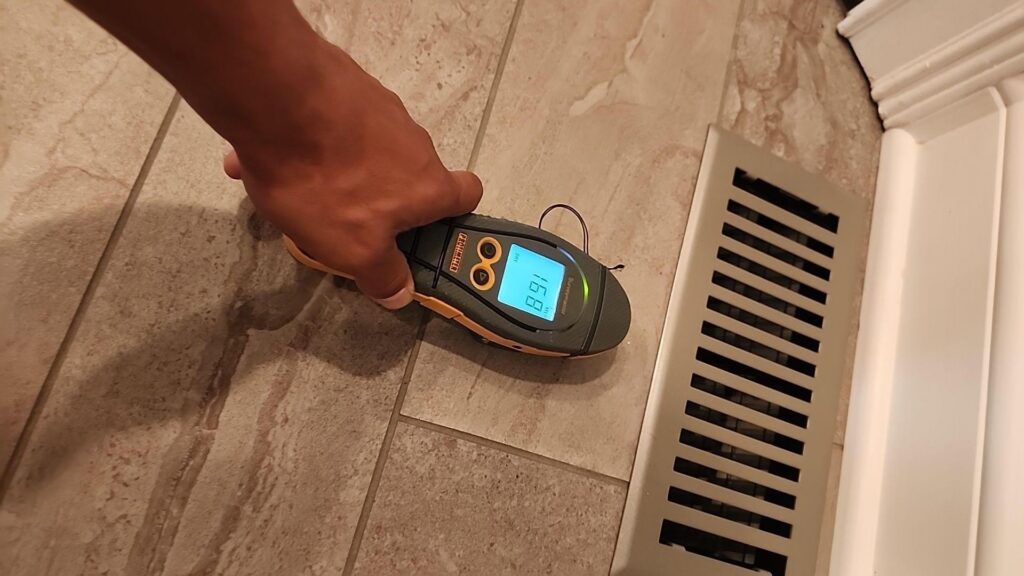
Wet Carpet in Columbus? Get Answers Before Mold Spreads.
If your carpet has been wet for more than a day or smells musty, a moisture inspection can show how far the problem goes. PuroClean Home Savers serves Columbus and Franklin County. Call (614) 689-0012 any time. Our IICRC-certified technicians are available 24/7 and can bill your insurance company directly.