 PuroClean Home Savers
 Executive Summary
Sleeping on a moldy pillow exposes you to toxic substances during your most vulnerable hours. This comprehensive guide identifies the specific symptoms that indicate mold exposure from pillows, explains the warning signs your body sends, and details the immediate health concerns that require urgent attention. You’ll learn how to recognize mold-related symptoms that doctors often misdiagnose, understand why certain people are more vulnerable, and discover what steps to take right now if you suspect you’ve been sleeping on contaminated bedding. For residents dealing with mold issues in Columbus, Ohio and surrounding areas, immediate professional support is available.
What Happens to Your Body When You Sleep on a Moldy Pillow?
Your body enters its most restorative phase during sleep, when cellular repair, immune function, and brain detoxification reach peak activity. This is also when you’re breathing most deeply and consistently, making prolonged exposure to mold particularly harmful.
When your face rests against a moldy pillow for six to nine hours nightly, you create an enclosed environment where mold spores concentrate. Every breath draws these microscopic invaders directly into your respiratory system. Unlike daytime exposures where you move around and breathe varied air, nighttime exposure is sustained, concentrated, and unavoidable.
Your body responds to this assault through multiple defense mechanisms, but chronic exposure overwhelms these natural protections. The result is a cascade of symptoms that often seem unrelated until you identify the common source.
Michael’s Six-Month Mystery: A Story About Undiagnosed Symptoms
Michael Torres thought he was falling apart. The 41-year-old accountant from Columbus had always been healthy, running three times a week and rarely calling in sick to work. But over six months, everything changed.
It started with morning congestion that wouldn’t clear until after his second cup of coffee. Then came the headaches, dull but persistent, that seemed to settle behind his eyes each morning. His wife noticed he’d developed dark circles and looked perpetually exhausted, even after full nights of sleep.
Michael visited his doctor twice. The first diagnosis was seasonal allergies. When antihistamines didn’t help, the second diagnosis was stress-related tension headaches. He tried meditation, changed his diet, and bought expensive supplements. Nothing worked.
His breakthrough came during a business trip. After three nights in a hotel, Michael woke up feeling better than he had in months. No congestion. No headache. Clear-headed and energized. The pattern repeated when he returned home; within two nights, all his symptoms came roaring back.
That’s when his wife suggested checking their bedroom for problems. They found mold when they unzipped Michael’s favorite memory foam pillow, a gift he’d been using for almost three years. Dark patches covered nearly a third of the interior foam, invisible from the outside.
Michael replaced all their pillows, washed the bedding in hot water, and cleaned the bedroom thoroughly. Within a week, his symptoms began disappearing. Within three weeks, he felt like himself again. The experience taught him that sometimes medical mysteries have environmental solutions, and that the things we use daily deserve regular inspection and replacement.
Early Warning Signs That You’re Sleeping on a Moldy Pillow
Your body sends signals when something is wrong, but recognizing them requires attention to patterns rather than isolated incidents.
Morning-Specific Symptoms
The timing of your symptoms provides crucial diagnostic clues. If problems appear or worsen upon waking and improve as the day progresses, environmental factors in your bedroom are likely culprits.
Nasal congestion that’s worst right after waking suggests overnight exposure. You might need to blow your nose repeatedly in the first hour after getting up, even though you felt fine when you went to bed. This pattern differs from seasonal allergies, which typically affect you throughout the day.
Morning headaches, particularly those centered around the forehead and sinuses, often indicate mold exposure. These aren’t the severe migraines that wake you from sleep, but rather dull, persistent aches you notice as soon as you open your eyes. They may fade within an hour or two of being awake and away from the contaminated pillow.
Scratchy or sore throat upon waking, especially if you don’t have other cold symptoms, suggests nighttime irritation from inhaled particles. Your throat may feel dry, raw, or slightly swollen, improving once you’ve been up and moving for a while.
Eye irritation manifests as redness, itchiness, or a gritty feeling when you first wake up. You might notice crusty discharge in the corners of your eyes or feel the need to rub them frequently in the morning. This differs from conditions like dry eye or conjunctivitis, which persist throughout the day.
Progressive Respiratory Symptoms
As exposure continues over weeks and months, respiratory symptoms typically intensify and broaden beyond just morning occurrences.
Chronic cough develops gradually. It might start as occasional throat clearing and progress to regular coughing fits, particularly at night or first thing in the morning. The cough is often dry rather than productive, though some people develop thick mucus production.
Wheezing or chest tightness may appear, especially in people with no asthma history. You might notice a whistling sound when breathing deeply or feel like you can’t fully expand your lungs. Physical activity that used to feel easy suddenly leaves you breathless.
Increased mucus production affects both nasal passages and chest. You might find yourself constantly clearing your throat, dealing with postnasal drip, or coughing up phlegm, particularly in the mornings.
Shortness of breath during normal activities signals more significant respiratory involvement. Climbing stairs, carrying groceries, or other routine tasks leave you winded when they never did before.
Allergic Response Indicators
Even people without previous allergies can develop allergic reactions to mold with sufficient exposure.
Frequent sneezing, especially in clusters upon waking or when handling bedding, suggests allergen exposure. These aren’t occasional sneezes but rather fits of five, ten, or more sneezes in succession.
Itchy skin, particularly on areas that contact the pillow (face, neck, ears, shoulders), develops in many mold-sensitive individuals. You might notice small bumps, redness, or generalized itching that seems worse after sleeping.
Watery, itchy eyes that feel irritated without explanation often accompany mold allergies. Your eyes might feel tired or strained, and you may find yourself reaching for eye drops frequently.
Skin rashes can appear anywhere but commonly affect the face, neck, and upper chest where contact with the contaminated pillow occurs. These rashes might look like small red bumps, patches of irritation, or even eczema-like dry, scaly areas.
Neurological and Cognitive Symptoms
The connection between mold and brain function surprises many people, but neurological symptoms are well-documented with chronic exposure.
Brain fog manifests as difficulty concentrating, trouble finding words, or feeling mentally “fuzzy.” Tasks that normally come easily require more effort, and you might find yourself rereading the same paragraph multiple times or forgetting what you were doing mid-task.
Memory problems typically affect short-term memory first. You might forget recent conversations, miss appointments, or struggle to remember where you placed common items. This differs from normal occasional forgetfulness; it’s a noticeable decline in your baseline memory function.
Mood changes including increased irritability, anxiety, or depression can result from both the inflammatory effects of mold and the stress of dealing with chronic unexplained symptoms. You might feel more easily frustrated, experience mood swings, or lose interest in activities you normally enjoy.
Sleep disturbances create a vicious cycle. The mold exposure disrupts sleep quality, and poor sleep worsens your ability to cope with mold’s effects. You might have trouble falling asleep, wake frequently during the night, or sleep many hours but wake feeling unrefreshed.
Dizziness or balance problems affect some people exposed to certain mold types. You might feel lightheaded when standing, experience vertigo, or notice you’re clumsier than usual.
Who Is Most Vulnerable to Moldy Pillow Symptoms?
While mold exposure affects everyone negatively, certain populations face significantly higher risks and more severe symptoms.
Children and Infants
Young children are disproportionately affected because their respiratory and immune systems are still developing. They breathe faster than adults, meaning they inhale more air and therefore more mold spores per hour of sleep. Their smaller body size means the same exposure level delivers a larger relative dose.
Warning signs in children include increased fussiness or crying, particularly during or after sleep, more frequent coughing or cold-like symptoms that never fully resolve, irritability or behavioral changes, decreased appetite or energy levels, and complaints of feeling sick in the morning that improve later in the day.
Infants cannot communicate symptoms verbally, making observation critical. Watch for increased congestion or noisy breathing, skin rashes or eczema, disrupted sleep patterns or difficulty settling, reduced feeding or increased spit-up, and general fussiness without obvious cause.
People with Asthma
Asthma and mold exposure create a dangerous combination. Mold spores trigger bronchial inflammation, causing airways to narrow and mucus production to increase. Even well-controlled asthma can deteriorate rapidly with sustained mold exposure.
Signs that mold is worsening asthma include needing your rescue inhaler more frequently, symptoms that wake you at night, decreased peak flow meter readings, difficulty controlling symptoms with your usual medications, and increased coughing or wheezing after sleeping.
Can moldy pillows trigger asthma attacks? Absolutely. For some people, the concentrated exposure during sleep creates the perfect storm for nocturnal or early-morning asthma attacks. If your asthma symptoms consistently worsen during sleep or upon waking, investigate your sleeping environment immediately.
Individuals with Compromised Immune Systems
People with weakened immune systems face the highest risk from mold exposure. This includes individuals undergoing chemotherapy, taking immunosuppressant medications, living with HIV/AIDS, recovering from major surgery or serious illness, or managing autoimmune conditions.
For immunocompromised individuals, mold exposure can progress beyond allergic reactions to actual infections. Mold spores can colonize in lungs or sinuses, causing fungal infections that are difficult to treat and potentially life-threatening.
Warning signs of serious complications include persistent fever that doesn’t respond to typical treatments, severe respiratory symptoms that worsen despite intervention, unusual fatigue that’s extreme even for your baseline condition, and any new symptoms that develop alongside environmental mold exposure.
Elderly Adults
Age-related changes in immune function and lung capacity make seniors more vulnerable to mold’s effects. They often take multiple medications that may mask symptoms or interact with mold’s effects in unpredictable ways.
Additional concerns for elderly individuals include pre-existing respiratory conditions that mold exacerbates, reduced ability to clear mucus from airways, longer recovery times from mold-related illness, and potential confusion if neurological symptoms develop, which might be mistaken for dementia or other age-related issues.
How Moldy Pillow Symptoms Differ from Other Common Conditions
Mold exposure symptoms often mimic other conditions, leading to misdiagnosis and inappropriate treatment.
Mold Exposure vs. Seasonal Allergies
Seasonal allergies typically follow predictable patterns tied to pollen counts and seasons. Symptoms affect you throughout the day whenever you’re exposed to allergens. Antihistamines usually provide significant relief. Symptoms improve when you’re indoors with closed windows.
Mold exposure from pillows creates different patterns. Symptoms are worst in the morning and improve throughout the day. The timing remains consistent regardless of season or outdoor pollen counts. Antihistamines may provide minimal or no relief. Symptoms persist even when outdoor allergen levels are low.
Mold Exposure vs. Cold or Flu
Viral infections follow a typical progression: gradual onset over hours or days, fever and body aches, symptoms that peak and then improve over one to two weeks, and symptoms that affect everyone in the household if contagious.
Mold exposure presents differently: symptoms develop gradually over weeks or months, no fever or body aches unless a secondary infection develops, symptoms persist indefinitely until the source is removed, and only people sleeping on contaminated pillows experience symptoms (other family members may be unaffected).
Mold Exposure vs. Chronic Sinusitis
Chronic sinusitis can certainly result from mold exposure, but it also has other causes. The key is identifying whether your environment is contributing to persistent sinus problems.
If treating sinusitis with antibiotics provides temporary relief but symptoms return quickly, if you experience facial pain and pressure particularly in the morning, if nasal discharge is consistently present regardless of weather or season, and if symptoms improve dramatically when sleeping away from home, mold exposure is likely contributing to or causing your chronic sinusitis.
What Should You Do If You Have Symptoms?
Recognizing symptoms is just the first step. Taking appropriate action protects your health and prevents worsening complications.
Immediate Actions
Stop using the suspected pillow tonight, not tomorrow or next week. Every additional night of exposure compounds the damage. Seal the pillow in a plastic bag and remove it from your bedroom immediately to prevent spore dispersal.
Sleep on a different pillow, preferably one that’s recently purchased or that you know is mold-free. If you don’t have a spare, fold a clean towel as a temporary alternative for one night while you obtain a replacement.
Wash all bedding, including sheets, pillowcases, blankets, and mattress covers, in the hottest water the fabric can tolerate. Use regular detergent and add white vinegar to the rinse cycle for extra antimicrobial action.
Ventilate your bedroom by opening windows if weather permits, running fans to increase air circulation, and using a dehumidifier if your home tends toward high humidity.
Medical Evaluation
Schedule a doctor’s appointment if your symptoms are severe, persistent, or affecting your quality of life. Come prepared with specific information: when symptoms started, the pattern of symptoms (time of day, what makes them better or worse), and the discovery of mold on your pillow.
Be direct about the environmental connection. Many doctors don’t immediately consider environmental causes unless patients mention them. Explain that you’ve identified mold in your sleeping environment and that your symptoms correlate with this exposure.
What testing might your doctor recommend? Depending on your symptoms, possibilities include allergy testing to confirm mold sensitivity, pulmonary function tests if respiratory symptoms are significant, chest X-rays if lung involvement is suspected, and blood tests to check for inflammatory markers or immune system function.
Home Environment Assessment
Finding mold on one pillow suggests the possibility of broader moisture or mold issues in your home. Conduct a thorough inspection of your bedroom and other sleeping areas.
Check other pillows in your home by removing covers and examining the filling material, smelling for musty odors, and squeezing to check for dampness or unusual texture.
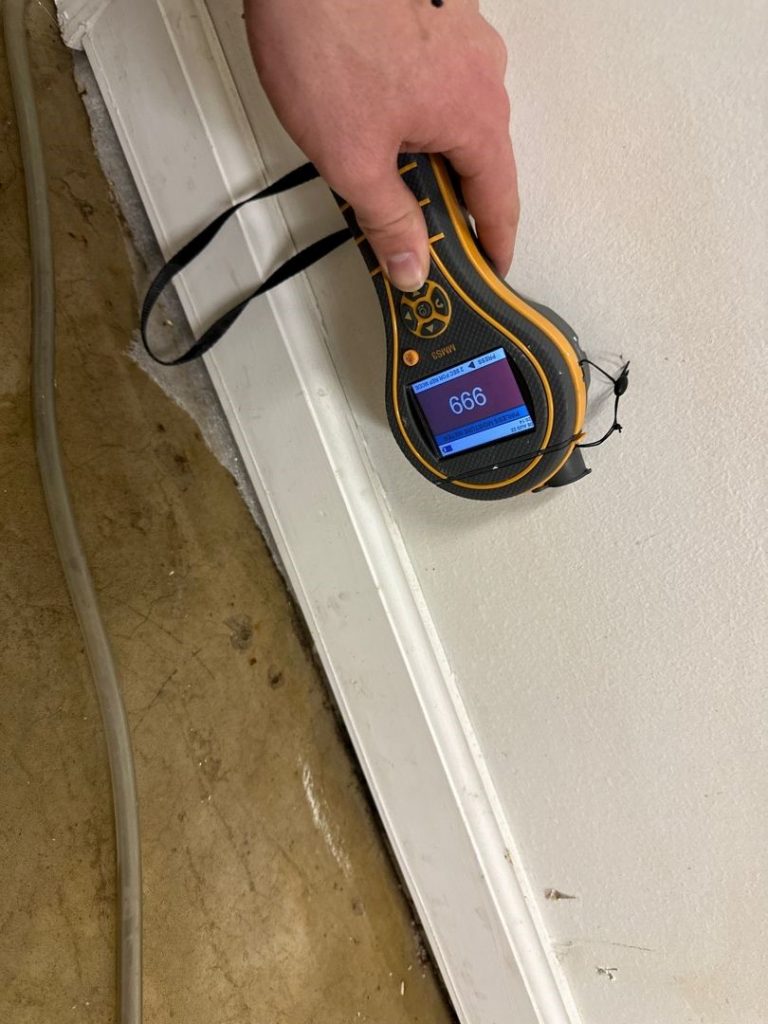
Examine your mattress by removing all bedding and covers, looking for discoloration or spots, smelling the surface for musty odors, and checking the underside if you can safely flip it.
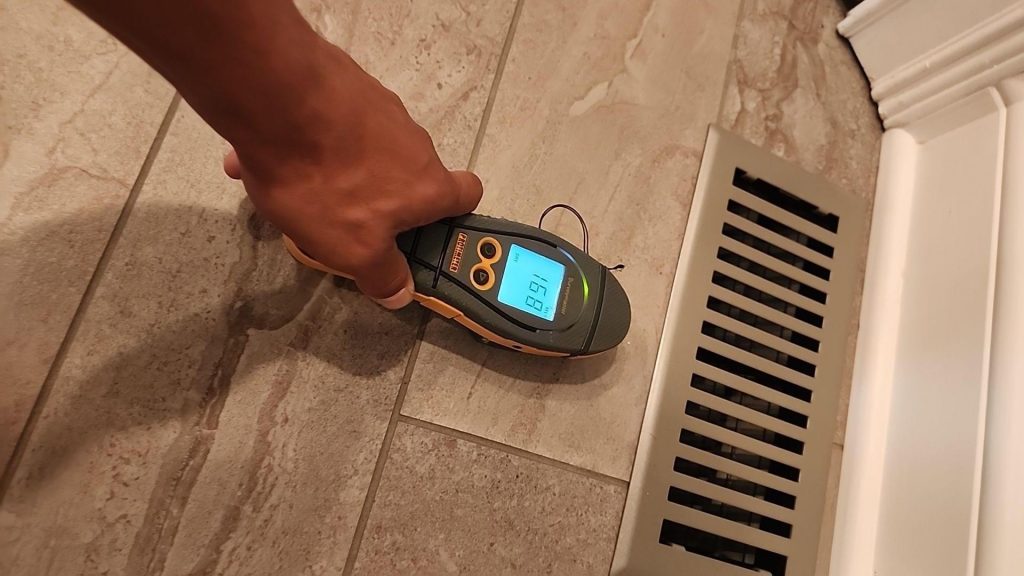
Inspect the bedroom environment for water stains on ceilings or walls, condensation on windows, visible mold growth anywhere in the room, musty odors, and signs of poor ventilation or high humidity.
Can Symptoms Reverse After Removing Moldy Pillows?
The encouraging news is that most people experience significant improvement once mold exposure stops.
Typical Recovery Timeline
The speed of recovery varies based on exposure duration, individual sensitivity, overall health status, and the specific symptoms involved.
Immediate improvements (within 24 to 48 hours) often include better sleep quality, reduced morning congestion, and decreased sneezing or eye irritation.
Short-term recovery (within one to two weeks) typically brings reduced headaches, improved breathing, clearer thinking and better concentration, and decreased sinus pressure.
Medium-term recovery (within one to three months) often results in full resolution of respiratory symptoms, normalized energy levels, improved immune function with fewer illnesses, and complete clearing of skin irritations or rashes.
Some symptoms may take longer to fully resolve. Chronic inflammation takes time to heal even after the trigger is removed. Damaged airways need time to repair. If your immune system was suppressed, rebuilding normal function is a gradual process.
When Symptoms Persist
If you’ve removed the moldy pillow and addressed bedroom mold issues but symptoms continue beyond a few weeks, several possibilities require consideration.
Other mold sources in your environment may exist. Mold might be growing in other locations you haven’t discovered yet: inside walls, under flooring, in HVAC systems, or in other furnishings.
You may have developed a chronic condition that now requires direct treatment even though the original trigger is gone. For example, mold exposure can trigger chronic sinusitis that persists even after removing the mold source.
Your symptoms might have multiple causes, with mold being only one factor. Other allergens, environmental irritants, or health conditions might be contributing.
Seeking professional help becomes important when symptoms persist. Medical professionals can provide appropriate treatment for ongoing conditions. Environmental professionals can identify hidden mold sources you might have missed.
How Do You Prevent Symptoms From Returning?
Preventing recurrence requires changes to both your habits and your home environment.
Pillow Selection and Maintenance
Choose pillows wisely by selecting materials that resist mold growth naturally (like latex or antimicrobial-treated options), avoiding solid memory foam in favor of shredded varieties with better airflow, and investing in quality waterproof, zippered pillow protectors.
Maintain pillows properly by washing pillow protectors monthly and pillowcases weekly, airing pillows out daily by removing covers and allowing exposure to fresh air, never sleeping with wet hair, and replacing pillows every 12 to 18 months regardless of apparent condition.
Bedroom Environment Control
Humidity management is critical. Keep indoor humidity between 30 and 50 percent using dehumidifiers in humid climates or seasons, monitoring levels with an inexpensive hygrometer, and addressing sources of excess moisture like bathroom steam or cooking humidity.
Improve ventilation by opening windows when weather permits, using exhaust fans in attached bathrooms, running ceiling fans to promote air circulation, and ensuring your HVAC system is functioning properly with clean filters.
Fix water problems immediately. Address leaks in roofs, walls, or plumbing as soon as discovered, repair sweating pipes or condensation issues, and ensure proper grading outside so water drains away from your foundation.
Recognizing Warning Signs Early
Monitor your health for symptom patterns by paying attention to when symptoms occur, noting any correlations with being in your bedroom, and acting quickly if symptoms suggest renewed mold exposure.
Inspect your sleep environment regularly through monthly pillow checks, quarterly bedroom inspections, and immediate investigation if you notice musty odors or changes in how you feel after sleeping.
What If Multiple Family Members Have Symptoms?
When several people in the household experience similar symptoms, the likelihood of an environmental cause increases dramatically.
Whole-house evaluation becomes necessary because the problem likely extends beyond individual pillows. Professional mold inspection can identify hidden sources that affect everyone, test air quality to measure spore levels, and provide comprehensive remediation plans to address all issues.
Don’t assume everyone will have identical symptoms. Individual sensitivity varies, so one person might have severe respiratory symptoms while another primarily experiences fatigue and brain fog. Children might show different symptoms than adults. Some family members might appear unaffected despite exposure, particularly if they have robust immune systems or lower sensitivity.
The Danger of Dismissing Symptoms
Many people rationalize their symptoms or delay taking action, often with serious consequences.
Common dismissals include “it’s just allergies,” “I’m probably fighting a cold,” “I’m just getting older and more tired,” or “stress is making me feel run down.” While these might be accurate in some cases, they can also mask serious environmental health threats.
The cost of waiting can be substantial. Mild symptoms can progress to serious conditions, temporary respiratory issues can become chronic problems, brief exposures can lead to long-term sensitization, and simple solutions can become complex remediation projects if problems spread.
Trust your instincts. If something feels wrong, if symptoms persist despite treatment, if multiple people in your home feel unwell, or if you notice any connection between symptoms and your sleeping environment, investigate thoroughly and act decisively.
Professional Help for Persistent Mold Problems
Some situations require expertise beyond what homeowners can provide themselves.
Professional mold inspection is warranted when you smell mold but cannot locate the source, when family members have symptoms but no obvious mold is visible, after significant water damage to your home, when you’ve removed visible mold but symptoms persist, or when you’re buying or selling a home and want comprehensive assessment.
Professional remediation becomes necessary for extensive mold growth covering large areas, mold inside walls or other structural locations, mold in HVAC systems or ductwork, situations involving toxic mold species, or when household members have severe health complications from exposure.
For residents of Columbus, Ohio, and surrounding communities experiencing mold-related symptoms or discovering mold in their homes, PuroClean Home Savers provides expert assistance. Their certified technicians offer comprehensive mold inspection, safe and complete remediation, moisture source identification and correction, and air quality testing and verification.
Don’t let uncertainty about mold exposure compromise your family’s health. If you’re experiencing symptoms that might be mold-related or have discovered mold in your sleeping environment, call PuroClean Home Savers at (614) 689-0012 for immediate professional assistance. Their team responds quickly to assess your situation and provide effective solutions.
Frequently Asked Questions
How quickly do symptoms appear after sleeping on a moldy pillow?
The timeline varies dramatically based on individual sensitivity and mold exposure levels. Highly sensitive individuals might notice symptoms within days of sleeping on a contaminated pillow. People without pre-existing allergies might not recognize symptoms for several weeks or months. Some people experience subtle changes they dismiss or don’t connect to their pillow until symptoms become more pronounced.
Can you develop a mold allergy from sleeping on moldy pillows if you weren’t allergic before?
Yes, absolutely. Repeated exposure can sensitize your immune system, creating allergies where none existed previously. Your body produces antibodies against mold proteins after sufficient exposure, and subsequent encounters trigger allergic responses. This process, called sensitization, explains why people who previously tolerated mold without problems suddenly develop severe reactions.
Will symptoms go away on their own if you keep sleeping on the moldy pillow?
No. Symptoms typically worsen or persist with continued exposure. Your body cannot adapt to tolerate mold exposure. The inflammatory responses, allergic reactions, and toxic effects continue or intensify as exposure accumulates. Some people experience a plateau where symptoms stabilize at a certain severity level, but this represents chronic illness, not adaptation or improvement.
How can you tell if symptoms are from your pillow specifically or from mold elsewhere in your bedroom?
Try sleeping in a different room with a new pillow for several nights. If symptoms improve dramatically, your original sleeping location (pillow or bedroom) was likely the source. You can narrow it further by keeping the new pillow but returning to your original bedroom. If symptoms return, the bedroom environment is likely problematic. If they stay improved, the pillow was probably the main issue.
Can moldy pillow symptoms be mistaken for COVID-19 or other respiratory illnesses?
Some overlap exists, particularly with respiratory symptoms like coughing and shortness of breath. However, mold exposure typically doesn’t cause fever, body aches, or loss of taste and smell associated with COVID-19. The gradual onset and chronic nature of mold symptoms differ from viral infections’ more acute progression. The morning-specific pattern of mold symptoms also differs from most viral illnesses.
Are certain mold symptoms permanent even after removing the source?
Most symptoms resolve completely after eliminating mold exposure, though the timeline varies. Some people may develop lasting conditions triggered by mold but persisting independently, such as asthma that continues even after mold removal, chronic sinusitis requiring ongoing treatment, or mold allergies that make them sensitive to future exposures. However, these outcomes are more common with severe, prolonged exposure rather than catching the problem relatively early.
What should you do if your doctor doesn’t take mold exposure symptoms seriously?
Advocate for yourself by being specific about the environmental connection you’ve identified, bringing photos of the mold you discovered, tracking your symptoms in a journal to show patterns, and asking directly for allergy testing or referral to an allergist. If your current doctor remains dismissive, consider seeking a second opinion, particularly from physicians familiar with environmental medicine or allergists who regularly treat mold-related conditions.
How do you know if you need emergency medical attention for mold exposure symptoms?
Seek immediate medical care if you experience severe difficulty breathing or shortness of breath at rest, chest pain or severe chest tightness, high fever along with respiratory symptoms, coughing up blood, sudden severe headache or confusion, or severe allergic reaction with swelling of face, lips, or throat. These symptoms suggest serious complications requiring urgent evaluation.

Conclusion
The symptoms of sleeping on a moldy pillow range from annoying to dangerous, but they share one critical characteristic: they won’t improve until you remove the source. Michael’s story illustrates how easily we can overlook environmental causes when struggling with health problems, and how dramatically improvement can come once we address the real issue.
Your symptoms are your body’s warning system. Whether you’re experiencing morning congestion, persistent headaches, respiratory difficulties, or neurological symptoms, pay attention to patterns and timing. The connection between your sleeping environment and your health may be clearer than you realize.
If you’ve identified mold on your pillow or in your bedroom, or if your symptoms suggest environmental exposure, take action immediately. Replace contaminated items, clean your sleeping space thoroughly, and monitor for improvement. If problems persist or if you discover widespread mold issues beyond simple pillow replacement, professional help can provide the comprehensive solutions you need.
For Columbus, Ohio residents and those in nearby communities, PuroClean Home Savers offers expert mold assessment and remediation services. Their experienced team can investigate your home thoroughly, identify all mold sources, and restore your living environment to safe, healthy conditions.
Your health is too important to compromise with ongoing mold exposure. If you’re concerned about mold in your home or experiencing symptoms that might be related to environmental exposure, contact PuroClean Home Savers at (614) 689-0012 today for professional assistance and peace of mind.

 PuroClean Home Savers