


Executive Summary
Household mold in Columbus homes creates health hazards ranging from minor allergic reactions to severe respiratory diseases. This guide examines the most prevalent mold varieties in these Ohio and Indiana communities, focusing on health risk assessment and recognition strategies. Stachybotrys (black mold), Aspergillus, Penicillium, Cladosporium, Alternaria, and Chaetomium represent the six most frequently encountered types, each presenting distinct health implications. Climate factors including humidity, temperature fluctuations, and precipitation patterns in these regions increase vulnerability to mold growth. Understanding risk levels helps homeowners prioritize responses, distinguish between manageable situations and emergencies, and protect vulnerable household members including children, elderly individuals, and those with respiratory conditions or weakened immune systems.
Which Mold Types Pose the Greatest Health Risks in Columbus?
Tom Richardson’s experience changed how he thinks about home maintenance forever. As a Columbus high school teacher, Tom prided himself on keeping his 1950s bungalow in good condition. When he noticed dark spots in his bathroom last September, he cleaned them with bleach and moved on with his busy life. By December, he was experiencing chronic sinus infections, persistent headaches, and fatigue that his doctor initially attributed to stress.
A routine home inspection before refinancing revealed the truth. Extensive Aspergillus growth had colonized the bathroom walls, ceiling, and ventilation system. The colonies were releasing thousands of spores throughout his home every time the bathroom fan operated. Tom’s symptoms disappeared within weeks of professional remediation, but the experience taught him that not all mold is equal, and understanding which types pose serious health threats can mean the difference between minor inconvenience and major health crisis.
How Dangerous Is Black Mold Compared to Other Common Varieties?
Black mold, scientifically identified as Stachybotrys chartarum, stands at the top of the health risk hierarchy. This notorious variety produces potent mycotoxins that affect multiple body systems, creating symptoms ranging from respiratory distress to neurological problems.
The health implications break down into immediate and long-term effects. Immediate exposure symptoms include throat irritation, persistent coughing, wheezing, eye irritation, skin rashes, and severe headaches. These occur even in brief exposures and intensify with continued contact. Long-term exposure leads to more serious conditions including chronic respiratory diseases, persistent fatigue lasting months, memory problems and difficulty concentrating, mood changes and depression, and in extreme cases, pulmonary hemorrhage particularly in infants.
Black mold’s toxicity stems from trichothecene mycotoxins that suppress protein synthesis in cells. These compounds damage lung tissue, compromise immune function, and can affect neurological pathways. Unlike some molds that primarily trigger allergic responses, black mold actively damages tissues through chemical mechanisms.
Vulnerable populations face amplified risks. Infants and young children have developing immune and respiratory systems particularly susceptible to mycotoxin damage. The elderly experience reduced immune function that struggles to combat mold toxin effects. Individuals with existing respiratory conditions like asthma or COPD suffer significantly worsened symptoms. Immunocompromised individuals including chemotherapy patients, organ transplant recipients, and HIV-positive persons risk severe systemic infections.
Columbus homes face particular black mold vulnerability due to older housing stock. Many properties built before 1980 lack modern moisture barriers and ventilation systems, creating environments where water intrusion goes undetected. Basement foundation issues common in Midwest properties provide consistent moisture sources supporting black mold establishment.
Recognition becomes critical for protection. Black mold appears greenish-black with a slimy texture when wet, drying to a powdery consistency. It prefers cellulose-rich materials like drywall paper, wood, and fiberboard, typically growing in continuously wet areas. The distinctive musty, earthy smell intensifies in enclosed spaces. Location patterns include bathroom walls and ceilings with poor ventilation, basement areas with foundation moisture, around leaking pipes and fixtures, behind washing machines with slow leaks, and in attics with roof leak damage.
What Makes Aspergillus Species Particularly Concerning for Indoor Air Quality?
Aspergillus represents a diverse family including over 180 species, several posing significant health threats when they colonize indoor environments. This common mold grows on diverse surfaces and produces massive spore quantities that compromise indoor air quality.
The health risk spectrum varies dramatically among Aspergillus species. Aspergillus fumigatus, the most dangerous variety, causes aspergillosis, a disease ranging from allergic reactions to potentially fatal invasive infections. The spectrum includes allergic bronchopulmonary aspergillosis (ABPA), which creates asthma-like symptoms plus fever and brown-flecked mucus; chronic pulmonary aspergillosis forming cavities in lungs over months or years; and invasive aspergillosis where fungus spreads through bloodstream to vital organs, carrying high mortality rates in immunocompromised patients.
Even in healthy individuals, Aspergillus exposure creates problems. Allergic reactions include sneezing, runny nose, nasal congestion, facial pain from sinus pressure, and reduced sense of smell. Respiratory symptoms manifest as coughing, wheezing, shortness of breath, and chest tightness. Skin contact sometimes produces rashes or hives. Eye irritation creates redness, watering, and itching.
The amplification factor for asthmatics deserves emphasis. Aspergillus spores represent powerful asthma triggers, causing increased attack frequency, greater symptom severity, higher medication requirements, and potential permanent lung damage with repeated exposures. Many asthma specialists consider Aspergillus among the most problematic environmental triggers they encounter.
Occupational and home environment factors increase exposure risks. HVAC systems provide ideal growth environments, particularly in dirty filters and ducts. Basements and crawl spaces with inadequate ventilation accumulate Aspergillus. Flood-damaged materials become colonized within days. Even potted plants harbor Aspergillus in soil. Columbus humid summers create perfect conditions for Aspergillus proliferation.
Color and appearance help identification but laboratory confirmation ensures accuracy. Most indoor Aspergillus appears blue-green, gray-green, or white, growing in powdery or fluffy patches. However, color alone cannot distinguish between benign and dangerous species. Professional testing determines specific varieties present and associated risk levels.
The rapid spread capacity of Aspergillus makes early detection crucial. A single colony releases millions of spores into the air. These microscopic particles remain airborne for hours and travel throughout homes via air currents and HVAC systems. Within weeks, localized growth becomes building-wide contamination.
Why Do Health Experts Consider Penicillium a Moderate to High Risk?
Penicillium often confuses homeowners due to its association with penicillin antibiotics. While some Penicillium species produce beneficial antibiotics, indoor varieties create substantial health and property risks. This blue or green mold spreads faster than many varieties, quickly colonizing water-damaged materials.
Health impacts center on three primary mechanisms. First, allergic responses affect most exposed individuals. Symptoms include respiratory irritation manifesting as coughing and throat irritation, nasal symptoms including congestion and runny nose, eye problems such as itching and watering, and skin reactions producing rashes or hives. These reactions occur even in people without diagnosed allergies, suggesting Penicillium’s particularly allergenic protein structures.
Second, mycotoxin production by certain Penicillium species creates additional concerns. While generally less toxic than black mold mycotoxins, some Penicillium varieties produce compounds causing kidney stress, liver inflammation, immune system suppression, and neurological symptoms including headaches and dizziness. Long-term low-level exposure accumulates these effects.
Third, infection risks emerge in immunocompromised individuals. Penicillium can cause opportunistic infections in patients with weakened immune systems, potentially leading to serious fungal infections requiring aggressive antifungal therapy.
Chronic exposure scenarios reveal Penicillium’s cumulative impact. Many Columbus residents live with low-level Penicillium contamination for months or years without recognizing the source. Persistent sinus infections that resist treatment often trace to Penicillium exposure. Chronic bronchitis symptoms improve after mold remediation in previously contaminated homes. Unexplained fatigue and general malaise sometimes resolve when Penicillium sources are eliminated.
The property damage dimension compounds health concerns. Penicillium aggressively digests cellulose, causing structural damage to building materials. Water-damaged drywall, ceiling tiles, insulation, carpeting, and cardboard storage boxes all support rapid Penicillium growth. The mold also attacks textiles, papers, and some paints.
Growth speed makes Penicillium particularly problematic. Visible colonies develop within 72 hours of moisture exposure on susceptible materials. A small leak today becomes a major contamination problem by next week. This rapid establishment means homeowners have narrow windows for preventing extensive growth.
Columbus homes with basement moisture issues commonly harbor Penicillium. The combination of concrete foundation moisture and organic materials stored in basements creates perfect conditions. Properties with roof leaks experience rapid attic Penicillium colonization. Both cities’ climates provide adequate humidity for year-round growth potential.
Can Cladosporium Cause Serious Health Problems Despite Being Common?
Cladosporium’s ubiquity leads many people to underestimate its health impacts. This olive-green to black mold grows virtually everywhere, both indoors and outdoors, leading to the misconception that it must be harmless. However, Cladosporium creates significant health problems, particularly for sensitive populations.
The primary health concern involves allergic responses. Cladosporium ranks among the most common airborne allergens globally, affecting millions. Reactions include hay fever symptoms like sneezing, runny or stuffy nose, itchy throat and ears, and postnasal drip. Respiratory symptoms manifest as coughing, wheezing, chest tightness, and shortness of breath. Skin contact produces rashes, hives, or eczema flare-ups. Eye symptoms include redness, itching, and excessive tearing.
Asthma connections deserve particular attention. Studies show Cladosporium as one of the most frequent asthma triggers, affecting both adults and children. Exposure causes increased inhaler use, nighttime symptoms disrupting sleep, exercise limitations, emergency room visits, and gradual lung function decline with repeated exposures. Many allergists test for Cladosporium sensitivity when evaluating patients with environmental asthma triggers.
Children face elevated risks. Research indicates children growing up in homes with elevated Cladosporium levels develop asthma at significantly higher rates than peers in mold-free environments. The critical exposure window appears to be early childhood, when immune systems develop patterns that persist through adulthood.
While generally less toxic than black mold or certain Aspergillus species, Cladosporium produces some compounds with mild mycotoxin properties. Prolonged heavy exposure may contribute to chronic fatigue, difficulty concentrating, persistent headaches, and sinus infections. These effects typically require months of exposure at elevated concentrations.
Cladosporium’s cold tolerance distinguishes it from many molds. This characteristic allows growth in refrigerators, on cold walls, in unheated basements, and in poorly insulated areas where other molds struggle. Columbus homeowners often find Cladosporium thriving in winter conditions that limit other varieties.
The wide substrate range means Cladosporium grows on materials other molds avoid, including shower curtains, bathroom tiles and grout, window sills and frames, air conditioning units, refrigerator drip pans, damp fabrics and upholstery, and painted surfaces. This versatility makes complete eradication challenging without addressing underlying moisture issues.
Outdoor spore infiltration complicates control. Cladosporium produces enormous spore quantities outdoors, particularly in late summer and fall. These spores enter homes through windows, doors, and ventilation systems, establishing indoor colonies when conditions permit. Columbus abundant vegetation and moderate climates support high outdoor Cladosporium levels.
Is Alternaria Mold as Harmless as Some Sources Suggest?
Alternaria frequently appears on lists of common household molds with reassurances about low toxicity. This characterization overlooks Alternaria’s significant allergenic properties and its role in asthma development, particularly in children.
Allergic sensitization represents Alternaria’s primary health impact. Studies indicate approximately 20% of allergic individuals react specifically to Alternaria, experiencing symptoms including respiratory distress with coughing and wheezing, nasal symptoms including sneezing and congestion, asthma attacks triggered by exposure, skin reactions including rashes and dermatitis, and in some cases, allergic fungal sinusitis requiring medical intervention.
The asthma connection carries particular weight. Research published in major medical journals links Alternaria exposure to asthma development in previously unaffected children. The mechanism involves immune system sensitization during critical developmental periods. Children repeatedly exposed to Alternaria show dramatically elevated asthma diagnosis rates by school age compared to unexposed peers. For existing asthmatics, Alternaria ranks among the most potent triggers, often causing severe attacks requiring emergency care.
Alternaria’s ability to grow in relatively dry conditions increases exposure risk. Unlike molds requiring continuous wetness, Alternaria colonizes areas with intermittent moisture or even high humidity without standing water. Common locations include shower stalls and bathtubs, window frames with condensation, around sink fixtures, in damp carpets, and on walls with occasional moisture contact. This adaptability means more homes harbor Alternaria than more moisture-dependent varieties.
Outdoor-indoor dynamics affect exposure patterns. Alternaria produces massive outdoor spore quantities, particularly during warm, dry, windy conditions common in Columbus late summers. Peak outdoor spore counts occur July through September. These spores infiltrate homes through open windows, doors, and ventilation systems. Once inside, they establish colonies in susceptible locations, continuing growth even when outdoor conditions change.
Health impacts accumulate over time. Brief Alternaria exposure rarely produces serious effects in healthy individuals. However, months or years of exposure in contaminated homes creates chronic allergic states. The immune system becomes increasingly sensitized, reactions intensify, and symptoms persist even after exposure ends. Some individuals develop long-term allergic rhinitis or asthma requiring ongoing medication management.
Children’s vulnerability demands emphasis. Beyond asthma development risks, kids experience more severe acute reactions due to developing immune and respiratory systems. They breathe more air per body weight than adults, increasing relative exposure. Their tendency to play near floors where settled spores accumulate amplifies contact.
What Health Risks Does Chaetomium Mold Present?
Chaetomium receives less attention than black mold or Aspergillus but poses serious health risks, particularly in properties with significant water damage. This mold grows in extremely wet conditions, typically appearing after flooding, major leaks, or chronic moisture problems.
Visual characteristics help identification. Chaetomium starts white, transitioning to gray, brown, or black as it matures. The cottony or powdery texture distinguishes it from some other molds. It prefers cellulose-rich materials including drywall, wallpaper, carpet backing, and wicker or straw items. The distinctive musty odor resembles dirty socks or rotting vegetation.
Health implications span several categories. Neurological effects include chronic headaches, confusion and cognitive difficulties, dizziness and balance problems, and in severe cases, tremors. Respiratory symptoms manifest as persistent coughing, difficulty breathing, chronic bronchitis, and lung infections in compromised individuals. Immune system impacts create increased infection susceptibility, allergic sensitization, and autoimmune response triggers. Skin and nail infections occur with direct contact, sometimes proving difficult to treat.
Mycotoxin production by Chaetomium species elevates risk beyond simple allergic responses. These toxins demonstrate liver and kidney toxicity in animal studies. While human research remains limited, the available data suggests caution regarding long-term exposure.
Immunocompromised individuals face particular Chaetomium dangers. Cases exist of severe, invasive Chaetomium infections in patients with weakened immune systems, including chemotherapy recipients and transplant patients. These infections require aggressive antifungal therapy and carry significant mortality risks.
The close association with serious water damage means Chaetomium presence often indicates extensive structural problems. Finding Chaetomium suggests water intrusion has continued long enough to saturate materials deeply. Remediation typically requires removing large sections of building materials, not just surface cleaning.
Columbus flooding patterns increase Chaetomium risks. Both cities experience spring flooding from snowmelt and heavy rains. Basement flooding, even brief episodes not properly remediated, creates conditions for Chaetomium establishment. Older properties with foundation issues face elevated vulnerability.
How Do You Know If Mold in Your Home Is Dangerous?
Determining health risk levels involves assessing multiple factors including mold type, contamination extent, exposure duration, and individual susceptibility.
Mold type identification requires professional testing. While appearance provides clues, definitive identification needs laboratory analysis. Air sampling measures spore concentrations and identifies species present. Surface sampling collects specimens from visible growth for detailed analysis. Bulk sampling involves removing small material portions for comprehensive testing.
Contamination extent significantly influences risk levels. Small isolated colonies covering less than ten square feet pose lower immediate dangers than extensive growth throughout multiple rooms. However, even small amounts of highly toxic varieties like black mold warrant professional remediation.
Location matters tremendously. Mold in HVAC systems distributes spores throughout entire properties, creating whole-house exposure. Growth in bedrooms or main living areas subjects occupants to prolonged exposure during sleeping and daily activities. Basement mold may seem less concerning but often spreads upward through the building envelope.
Exposure duration amplifies health impacts. Brief contact with mold rarely causes lasting problems in healthy individuals. However, living with mold for months or years creates cumulative effects including chronic respiratory sensitization, persistent allergy development, and potential organ system impacts from mycotoxin accumulation.
Individual susceptibility varies dramatically. High-risk groups require more aggressive responses to any mold presence. These include infants and young children with developing systems, elderly individuals with reduced immune function, asthmatics and people with respiratory conditions, immunocompromised individuals including cancer patients and transplant recipients, and pregnant women concerned about fetal development.
Health symptoms provide important clues. Respiratory problems worsening at home, improving away, suggest mold involvement. Multiple family members experiencing new allergies or respiratory issues simultaneously indicates environmental factors. Symptoms correlating with specific rooms or times spent in certain areas point toward localized contamination.
Professional assessment combines visual inspection, moisture detection, and laboratory analysis to determine risk levels comprehensively. Inspectors trained in building science identify hidden moisture sources, assess contamination extent, and recommend appropriate responses based on findings.
What Are the Long-Term Health Consequences of Mold Exposure?
Understanding long-term impacts emphasizes the importance of prompt remediation rather than tolerating mold presence. While acute effects resolve after exposure ends, prolonged contact creates lasting health changes.
Respiratory system changes represent the most common long-term consequence. Chronic exposure can cause development of new asthma in previously unaffected individuals, permanent lung function reduction measurable by spirometry, chronic bronchitis requiring ongoing management, increased susceptibility to respiratory infections, and persistent airway inflammation responding poorly to treatment. These changes sometimes persist years after exposure ends, particularly when exposure occurred during childhood.
Allergic sensitization creates lasting impacts. Individuals living with mold often develop permanent allergies not just to mold but to other environmental allergens. The immune system, constantly activated by mold exposure, becomes hyperreactive to multiple triggers. This generalized sensitization continues even after mold remediation, requiring lifelong allergy management.
Mycotoxin exposure from toxic varieties produces additional concerns. Animal studies and limited human research suggest potential liver damage from prolonged exposure, kidney function impairment, neurological effects including cognitive difficulties, and immune system dysregulation. While definitive long-term human studies remain limited, the existing evidence justifies treating toxic mold exposure seriously.
Mental health impacts sometimes accompany chronic mold exposure. Depression and anxiety correlate with prolonged mold exposure in several studies, potentially resulting from direct neurological effects, chronic illness burden, or stress of living in contaminated environments. Some individuals experience persistent fatigue and difficulty concentrating lasting months after remediation.
Children exposed during critical developmental periods face unique long-term risks. Research suggests early childhood mold exposure increases lifelong asthma risk substantially, may impact cognitive development, creates lasting allergic sensitization patterns, and potentially affects immune system development in ways persisting through adulthood.
The accumulated evidence argues against tolerating any known mold growth, particularly when children, elderly individuals, or immunocompromised persons occupy the home. While not every mold exposure causes dramatic immediate effects, the potential for cumulative long-term impacts justifies treating mold as a serious health hazard requiring prompt professional remediation.
When Should Columbus Homeowners Seek Professional Help?
Determining the appropriate response to mold discoveries involves assessing severity and risk factors systematically.
Immediate professional intervention is warranted when black mold is suspected based on appearance and location, contamination exceeds ten square feet, mold grows in HVAC systems or ductwork, water damage involved sewage or contaminated water, immunocompromised individuals occupy the home, children under two or pregnant women live in the property, or multiple family members experience health symptoms potentially linked to mold.
These scenarios present risks beyond typical homeowner capabilities. Professional remediation provides proper containment preventing spore dispersal, appropriate personal protective equipment protecting workers, specialized equipment including HEPA vacuums and air scrubbers, correct material removal and disposal procedures, thorough cleaning and disinfection protocols, and post-remediation verification testing confirming successful treatment.
The health protection aspect justifies professional costs. While DIY approaches might save money initially, inadequate remediation allows regrowth and continued exposure. Improper handling spreads contamination throughout properties, potentially worsening situations significantly. For vulnerable household members, the health risks of improper remediation far exceed professional service costs.
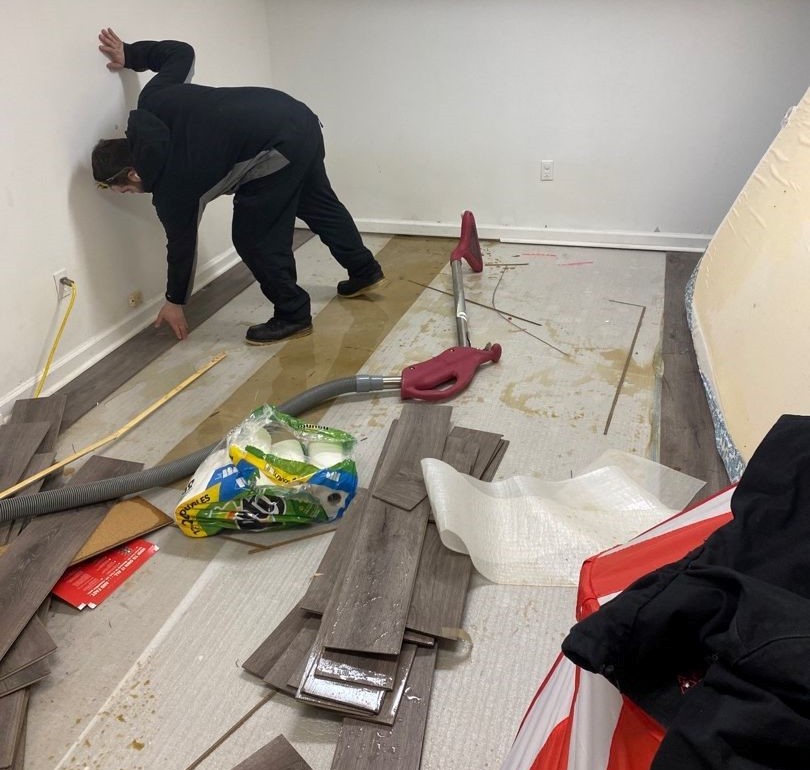
Professional assessment provides value even in less severe situations. When mold source is unclear, inspectors identify hidden moisture problems. When health symptoms occur without visible mold, testing determines if hidden growth exists. When buying or selling property, professional inspection documents conditions protecting all parties.
Warning signs suggesting professional help include musty odors without visible source, indicating hidden growth; health symptoms improving away from home, suggesting environmental triggers; visible mold reappearing after cleaning attempts, indicating underlying moisture issues; water damage history, even if dried and repaired, raising contamination concerns; and property age over 30 years with unknown maintenance history, increasing risk of undiscovered moisture and mold problems.
Columbus homeowners benefit from acting quickly when mold concerns arise. The region’s climate supports rapid mold growth once conditions permit. Delays allow small problems to become major remediation projects. Early professional involvement prevents health impacts and controls costs.
How Does Climate in Columbus Affect Mold Health Risks?
Regional climate characteristics significantly influence mold growth patterns and associated health risks. Understanding these factors helps homeowners anticipate vulnerability periods and prioritize prevention efforts.
Humidity levels fluctuate dramatically throughout the year in both cities. Summer humidity regularly exceeds 70%, creating ideal conditions for all common mold varieties. These sustained humid periods allow rapid mold establishment on any damp surface. Even homes without active water problems experience elevated risk during July and August peak humidity.
Temperature patterns contribute to condensation problems. Winter heating creates temperature differentials between cold exterior surfaces and warm interior air. This leads to condensation on windows, cold walls, and in attics. The resulting moisture supports mold growth throughout winter months despite low outdoor humidity.
Precipitation distribution creates seasonal flooding risks. Spring brings heavy rainfall coinciding with snowmelt, overwhelming drainage systems and stressing foundations. Columbus properties near waterways face particular flooding vulnerability. Columbus’ low-lying areas experience similar challenges. These spring moisture events often introduce water into basements and crawl spaces, initiating mold growth that continues through summer humidity.
Freeze-thaw cycles stress building envelopes. Repeated freezing and thawing damage foundations, roofing, and siding, creating pathways for water intrusion. These structural stresses accumulate over years, eventually allowing moisture penetration supporting mold growth.
Seasonal mold patterns emerge from these climate factors. Spring flooding introduces initial moisture. Summer humidity enables explosive growth. Fall introduces outdoor Alternaria and Cladosporium spores that establish indoor colonies. Winter condensation maintains growth in cold areas. This year-round cycle means mold risks never truly disappear.
Older housing stock in both cities amplifies climate-related risks. Many properties built before 1980 lack modern moisture barriers, have inadequate ventilation systems, feature basement designs prone to moisture intrusion, and include insulation insufficient for preventing condensation. These construction characteristics combine with regional climate patterns creating perfect mold conditions.
Prevention strategies must account for seasonal variations. Dehumidifier operation during summer months, adequate heating and insulation preventing winter condensation, spring drainage system maintenance and sump pump verification, fall gutter cleaning before heavy rains, and year-round monitoring of basement and attic conditions all contribute to risk reduction.
Frequently Asked Questions
What is the most dangerous mold commonly found in homes?
Stachybotrys chartarum (black mold) represents the most dangerous common household variety due to its potent mycotoxin production. These toxins cause respiratory damage, neurological symptoms, and immune system suppression. However, certain Aspergillus species also pose severe risks, particularly for immunocompromised individuals, potentially causing life-threatening invasive infections.
Can you get sick from mold exposure even if you cannot see it?
Yes. Hidden mold growing inside walls, above ceilings, or in HVAC systems releases spores into the air causing health symptoms without visible growth. Many individuals experience persistent respiratory issues, allergies, or other symptoms from concealed mold. Musty odors often indicate hidden growth even when no visible colonies exist.
How quickly can mold make you sick?
Timeline varies based on mold type, concentration, and individual sensitivity. Highly allergic individuals react within minutes of exposure. Most people develop symptoms after hours to days of contact. Serious mycotoxin-related illnesses typically require weeks to months of sustained exposure. Immunocompromised individuals can develop severe infections more rapidly.
Is professional mold testing worth the cost?
Professional testing provides value by identifying specific mold species present, measuring spore concentrations quantitatively, locating hidden growth sources, and assessing overall contamination extent. This information guides appropriate remediation strategies and establishes baselines for verifying successful treatment. The investment typically ranges from $300 to $700, often preventing more expensive remediation mistakes.
What should I do immediately after finding mold in my home?
Stop using the affected area, close doors isolating contaminated spaces, turn off HVAC systems servicing the area, document conditions through photographs, avoid touching or disturbing mold, and contact professional remediation specialists immediately. Do not attempt cleaning if black mold is suspected or contamination exceeds ten square feet.
Can air conditioning prevent mold growth?
Air conditioning reduces humidity, which helps prevent mold growth. However, AC systems themselves can harbor mold in drain pans, ducts, and on coils if not properly maintained. Units must be sized correctly for the space and include humidity control features. Regular maintenance including filter changes and drain cleaning prevents AC systems from becoming mold sources.
How do you prevent mold from returning after remediation?
Prevention requires addressing underlying moisture sources through plumbing leak repair, improved ventilation, proper drainage, humidity control below 50%, regular inspections, and prompt water intrusion response. Without controlling moisture, mold inevitably returns after remediation. Professional remediation should include moisture source identification and correction recommendations.
Are some people more sensitive to mold than others?
Individual sensitivity varies dramatically. Children, elderly individuals, asthmatics, allergy sufferers, immunocompromised persons, and pregnant women experience greater effects from equivalent exposures. Genetic factors influence susceptibility. Some people react severely to small amounts while others tolerate higher exposures with minimal symptoms. Previous mold exposure sometimes increases sensitivity.
Conclusion
Understanding which mold types present serious health risks empowers Columbus homeowners to respond appropriately when contamination occurs. While not every mold situation demands emergency intervention, recognizing dangerous varieties like black mold, Aspergillus, and Chaetomium allows informed decisions protecting family health.
Tom Richardson’s story reminds us that what seems like a minor cleaning issue can hide serious health threats. His chronic symptoms, initially attributed to stress, directly resulted from mold contamination he underestimated. The remediation process cost over $8,000 and required him to move out for two weeks, but his health recovered completely once exposure ended. Tom now maintains vigilant moisture control and addresses even small water problems immediately.
Your home’s air quality directly affects your family’s health every day. The persistent cough your child developed, the allergy symptoms that never quite resolve, or the fatigue you cannot explain might all connect to mold you haven’t recognized. Regional climate factors in Columbus create elevated risks demanding attention to moisture control and early detection.
When you discover mold or suspect contamination based on health symptoms or musty odors, professional assessment provides the information needed for appropriate responses. PuroClean Home Savers specializes in mold identification, testing, and comprehensive remediation using industry-leading techniques and equipment. Their experienced technicians understand regional mold challenges and respond quickly to prevent contamination spread. Call (614) 689-0012 for immediate assistance. Protecting your family’s health requires treating mold seriously and acting decisively when problems arise. Your peace of mind and your loved ones’ wellbeing are worth the investment in professional expertise.