


Key Takeaways for Homeowners
- Roof related ceiling leaks are a water intrusion emergency governed by IICRC S500 (Standard for Professional Water Damage Restoration), with IICRC S520 (Standard for Professional Mold Remediation) coming into play whenever moisture sits long enough to trigger microbial growth.
- Columbus, Ohio’s humid continental climate, frequent freeze thaw cycles, and mix of older and newer housing stock combine to make roof leaks and hidden ceiling water damage a common seasonal issue.
- Fast containment, professional moisture mapping, and structural drying within the first 24 to 48 hours are the single biggest factors in preventing mold growth after a roof leak.
- Skipping professional verification and simply repainting a water stained ceiling almost always leaves hidden moisture behind to cause repeat damage.
- PuroClean Home Savers is available now for emergency roof leak and ceiling water damage response throughout Columbus, Ohio. Call (614) 689-0012 for immediate assistance.
A dripping ceiling after a rainstorm is rarely just a cosmetic problem. In Columbus, Ohio, where seasonal storms, freeze thaw cycles, and aging roofing systems are all common, a roof leak that is not addressed quickly and correctly can escalate into structural damage and mold growth within days. The right response follows the same framework professional restoration technicians use, IICRC S500 for water damage assessment and drying, and IICRC S520 whenever mold remediation becomes necessary.
Below are the seven essential steps every Columbus homeowner should take the moment a roof leak starts causing ceiling water damage.
What IICRC Compliant Roof Leak Restoration Involves
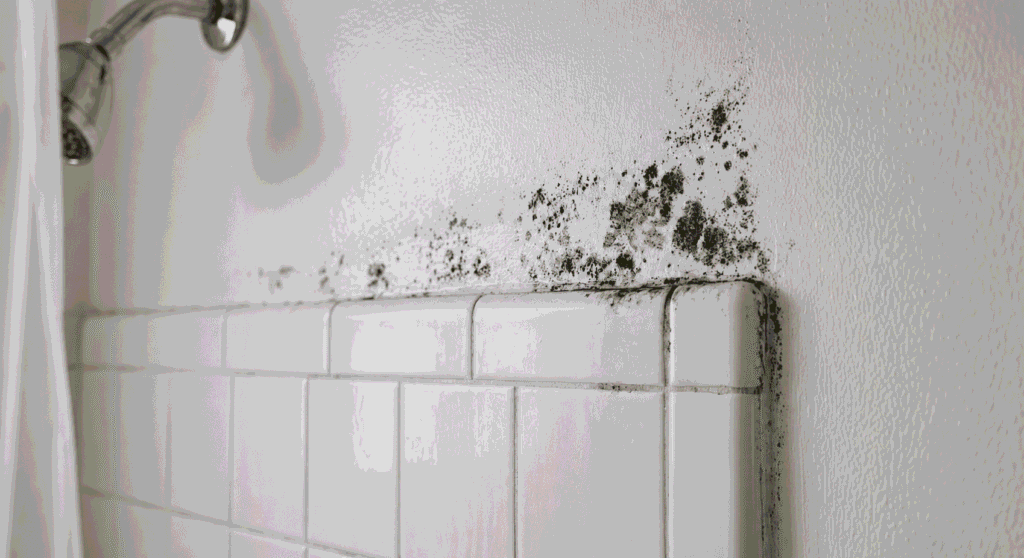
IICRC S500 classifies intruding water by category and class to determine the right drying strategy. Rainwater that has passed through roofing materials, attic insulation, and dust is generally treated as Category 2 water, meaning it is not clean and should be handled with appropriate care. If the leak has gone unnoticed or unaddressed for more than a day or two, especially during Columbus’s humid summer months, IICRC S520 protocols for mold assessment and remediation typically apply as well, since damp drywall and framing lumber are ideal conditions for microbial colonization.
7 Essential Steps to Take Immediately
Step 1: Contain the Water and Relieve Ceiling Pressure
- Place a bucket or container under the active drip.
- If the ceiling is bulging or sagging, carefully puncture the lowest point with a screwdriver to release trapped water in a controlled manner and reduce the risk of a sudden collapse.
Step 2: Cut Power to the Affected Area
- Shut off the breaker for any lighting, fan, or outlet circuit near the leak.
- Avoid touching switches or fixtures in the wet zone until it has been professionally checked.
Step 3: Document the Damage Thoroughly
- Photograph and video the stain, active leak, and any water damage to walls or flooring before cleanup begins.
- Record the date of the storm or heavy rain event, since Ohio insurers typically require this to process a claim tied to a specific weather occurrence.
Step 4: Protect Belongings and Improve Airflow
- Move furniture and electronics away from the leak, and elevate or cover anything that cannot be relocated.
- Run fans to promote evaporation, but avoid using your central HVAC system if the leak is near ductwork, since that can spread moisture and contaminants through the home.
Step 5: Identify the Roofing Source, Safely
- Ceiling leaks in Columbus most commonly trace back to aging asphalt shingles, deteriorated flashing around chimneys and vent stacks, or ice dam related backups during the freeze thaw cycles typical of central Ohio winters and early spring.
- Do not attempt to inspect a wet roof yourself. Leave source identification to a licensed roofer or an experienced restoration technician with the right fall protection equipment.
Step 6: Get Professional Moisture Mapping and Structural Drying
- Restoration technicians use moisture meters, hygrometers, and thermal imaging to perform moisture mapping across the ceiling cavity, attic insulation, and adjoining wall framing, applying psychrometrics to understand exactly how far the moisture has traveled.
- Once wet areas are confirmed, air movers and commercial dehumidification equipment are deployed to bring the structure back to a safe moisture range. If mold risk is present, technicians may add negative air pressure containment and HEPA filtration, along with an EPA registered antimicrobial biocide to control mycotoxins and prevent further microbial spread.
Step 7: Repair the Roof and Confirm Final Clearance
- After the structure is verified dry, damaged roofing, insulation, and drywall should be repaired promptly.
- A final moisture reading, and post remediation verification when mold work was performed, ensures the space meets an acceptable restoration standard before you close everything back up.
Columbus, Ohio: Local Climate and Building Factors That Increase Risk
Columbus sits squarely in a humid continental climate zone, with hot, sticky summers that create ideal indoor conditions for mold once moisture gets trapped behind drywall, along with cold winters that bring freeze thaw cycles capable of forming ice dams along roof edges. Those ice dams force meltwater back up under shingles, a leading cause of ceiling leaks that homeowners often mistake for a simple summer storm problem.
Franklin County’s housing stock spans a wide range of eras, from century old homes in neighborhoods like German Village and Clintonville with original wood shingle decking now covered by newer roofing layers, to newer suburban developments built to current Ohio residential building code requirements for ice and water shield underlayment and attic ventilation. Older homes without updated underlayment are especially prone to hidden leaks during both summer thunderstorms and winter freeze thaw events, which is why moisture mapping matters so much before assuming a leak has actually stopped.
Frequently Asked Questions
Does home insurance cover mold caused by high humidity in Columbus, Ohio after a roof leak? Generally yes, when the mold is a direct result of a sudden, identifiable event like storm damage or an ice dam, rather than a long standing, unaddressed leak. Ohio insurers typically want documentation showing the water intrusion was recent and tied to a specific weather event, so fast professional response and photo documentation both matter for a successful claim.
How quickly can mold grow after a roof leak in Columbus? In the humid summer months typical of central Ohio, mold can begin developing on damp drywall and wood framing within about 24 to 48 hours, making prompt drying critical.
Can ice dams cause a ceiling leak even without a heavy rainstorm? Yes. Ice dams that form along roof edges during Columbus winters can force melting snow back under shingles and into the ceiling cavity, producing a leak that has nothing to do with rainfall at all.
Is it necessary to hire a professional, or can I just dry the ceiling myself? Household fans and dehumidifiers rarely reach insulation and framing hidden behind drywall. Professional moisture mapping and industrial drying equipment are needed to confirm the structure is truly dry and safe from future mold growth.
Get Fast Help From PuroClean Home Savers
If a roof leak is damaging your ceiling anywhere in Columbus, Ohio, do not wait for it to worsen. PuroClean Home Savers provides emergency response, professional moisture mapping, structural drying, and IICRC S500 and S520 compliant mold remediation throughout the Columbus area.
Call (614) 689-0012 now for immediate assistance and a rapid on site assessment.