


Serving Columbus, Ohio and the surrounding communities
A lingering musty odor, a dark stain that keeps returning no matter how often you scrub, or a family member who always feels congested at home but fine everywhere else. These are the quiet warning signs of a black mold problem that has likely spread further than what is visible on the surface. Here is what Columbus homeowners need to know.
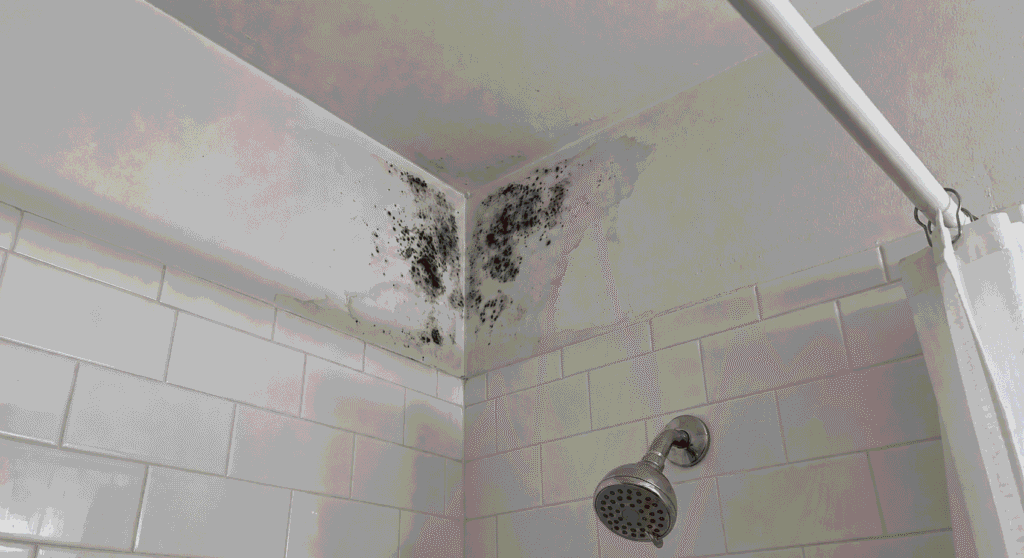
Key Takeaways for Homeowners
- Ohio’s humid summers and freeze thaw winters both contribute to bathroom moisture problems that encourage mold growth.
- Six specific signs indicate that a mold colony has likely spread beyond the visible surface.
- Mold exposure can affect indoor air quality and, in some cases, involve exposure to mycotoxins produced by certain species.
- Many Columbus area homes, particularly those built before modern ventilation codes, are at elevated risk for bathroom humidity buildup.
- Store bought cleaners rarely resolve mold that has penetrated drywall, subfloor, or insulation.
- PuroClean Home Savers follows IICRC S500 and S520 standards for documented, professional mold remediation.
- If you recognize these warning signs in your home, call PuroClean Home Savers at (614) 689-0012 for an inspection.
What Defines Professional Mold Remediation
A credible mold remediation service is built on an established industry standard rather than a vague promise to “clean up mold.” The IICRC S520 Standard for Professional Mold Remediation, together with the S500 Standard for Professional Water Damage Restoration, outlines exactly how technicians should assess moisture sources, contain a workspace, remove contaminated materials, and confirm that a home is safe to reoccupy. These standards exist because effective remediation depends on measurable moisture readings, verified containment, and documented clearance testing, not a single round of scrubbing with bleach.
6 Signs of Black Mold in Your Columbus Bathroom
1. A Musty Odor That Keeps Coming Back
Mold colonies release microbial volatile organic compounds (mVOCs) as they grow, producing the earthy smell many homeowners notice long before they see any visible growth. If the odor returns shortly after cleaning, the source is likely still active behind a wall, cabinet, or section of flooring.
2. Dark Staining Around Grout, Caulk, or the Ceiling
Discoloration in these spots means spores have found a surface with enough sustained moisture to colonize. Bathroom ceilings are especially vulnerable in homes with older or undersized exhaust fans, a common feature in Columbus neighborhoods built before current ventilation codes took effect.
3. Bubbling Paint or Soft, Weakened Drywall
When moisture becomes trapped behind painted drywall, it breaks down the paint bond and softens the wallboard underneath. Bubbling paint or spongy drywall near a shower or tub is a strong sign of hidden water intrusion, which creates an ideal environment for mold to take hold out of sight.
4. Condensation That Never Fully Clears
Persistent condensation on mirrors, windows, or tile points to an imbalance in the room’s psychrometrics, meaning temperature, humidity, and airflow are consistently working against a dry bathroom. Restoration professionals often use a hygrometer to measure exactly how far the relative humidity in the space exceeds a safe threshold, and chronic condensation is one of the clearest early predictors of mold colonization.
5. Warped or Soft Flooring Near the Tub or Toilet
Soft, spongy, or visibly warped flooring close to plumbing fixtures typically indicates that water has been seeping into the subfloor for an extended period. Technicians rely on infrared moisture detection and moisture mapping to confirm the full extent of hidden saturation before beginning any remediation work.
6. Allergy or Respiratory Symptoms That Improve Away From Home
Sneezing, coughing, headaches, or skin irritation that eases once you leave the house can signal airborne spore exposure and reduced indoor air quality. In larger infestations, certain mold species also produce mycotoxins, compounds linked to more significant health complaints with prolonged exposure.
Why Columbus Bathrooms Face Elevated Mold Risk
Central Ohio experiences humid, sticky summers combined with a freeze thaw cycle through fall and winter, both of which drive moisture into homes and stress plumbing systems. Older Columbus neighborhoods, including many with housing stock built before the ventilation requirements found in current building codes, often have bathrooms with limited or undersized exhaust fans, allowing steam and humidity to linger far longer than in newer construction. Basement level bathrooms, common in many Columbus area homes, face an additional layer of risk due to their proximity to ground moisture and generally reduced airflow.
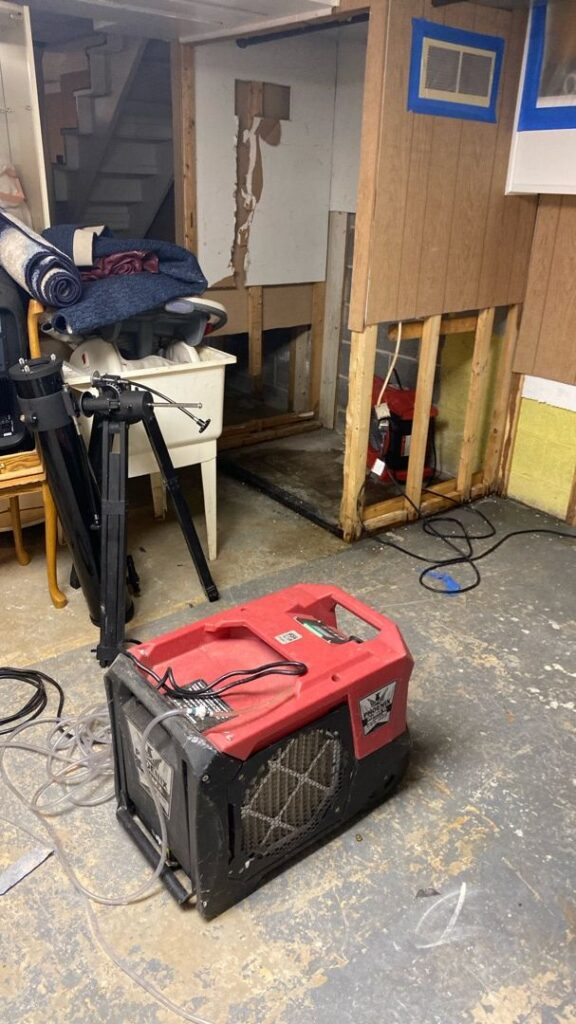
The Professional Remediation Process, Step by Step
- Inspection and moisture mapping using infrared imaging and hygrometers to pinpoint the full scope of hidden moisture.
- Containment setup with physical barriers and negative air pressure to prevent spores from spreading into unaffected parts of the home.
- Air filtration using HEPA filtration systems and air scrubbers to capture airborne spores throughout the remediation process.
- Removal of contaminated materials, including saturated drywall, insulation, or flooring that cannot be safely restored.
- Antimicrobial biocide application to remaining surfaces to eliminate residual spores.
- Structural drying using commercial dehumidification equipment until moisture levels return to a normal, dry baseline.
- Clearance verification to confirm the space meets safety standards before the project is considered complete.
Frequently Asked Questions
Does home insurance cover mold caused by high humidity in Columbus, Ohio?
Generally, standard homeowners insurance covers mold resulting from a sudden, accidental event such as a burst pipe, but it typically excludes mold linked to ongoing humidity or long term neglect. A documented professional inspection can help clarify whether your situation may qualify for coverage.
Can I remove black mold from my bathroom on my own?
Small, surface level mold on non porous materials can sometimes be managed with household cleaners. Once mold has penetrated drywall, wood, or subflooring, or covers more than roughly ten square feet, the EPA and IICRC recommend professional remediation instead of DIY cleanup.
How quickly can mold spread after a leak in a Columbus home?
Given Ohio’s humidity levels, mold spores can begin colonizing damp surfaces within 24 to 48 hours of water exposure, which is why prompt drying and inspection are critical after any leak or plumbing failure.
Is every dark colored mold considered black mold?
Not necessarily. Not all dark colored mold belongs to the toxin producing species commonly referred to as “black mold.” Regardless of species, any mold growth can compromise indoor air quality and should be professionally identified rather than assumed harmless.
What should I do first if I suspect mold in my bathroom?
Avoid disturbing the area, since scrubbing or sanding can release additional spores into the air. Increase ventilation where possible and contact a certified restoration provider for a moisture and air quality assessment.
Don’t Let a Small Problem Become a Big One
Mold rarely stays confined to the spot where it is first noticed. The longer it goes unaddressed, the further it can spread into walls, flooring, and your home’s air supply. PuroClean Home Savers provides S500 and S520 compliant mold inspection and remediation throughout the Columbus, Ohio area.
Call PuroClean Home Savers today at (614) 689-0012 for an immediate inspection and take the first step toward a safer, healthier home.