


Key Takeaways for Homeowners
- Fire and smoke damage creates progressive destruction through acid etching, odor adsorption, and moisture infiltration within the first 72 hours
- Columbus’s humid continental climate with 69% average annual humidity accelerates secondary damage including mold growth and wood rot
- IICRC S700 and S760 standards establish the scientific protocols for professional fire damage assessment and remediation
- Emergency response must include HEPA filtration, negative air pressure containment, and thermal fogging deodorization
- Insurance coverage validation requires documented moisture mapping, psychrometric data, and contamination testing
The IICRC Standards Framework for Professional Restoration
The restoration industry operates under rigorous scientific standards established by the Institute of Inspection Cleaning and Restoration Certification. The IICRC S700 Standard for Professional Fire and Smoke Damage Restoration and the IICRC S760 Standard for Professional Wildfire Investigations and Restoration provide the authoritative protocols that govern legitimate fire damage remediation.
These standards mandate comprehensive fire and smoke damage assessments (FSD assessments) that inform restoration work plans (RWP). The S700 standard specifically addresses structural fires common in residential settings, while the S760 standard applies to wildfire impacts including smoke intrusion from distant fires. Both standards require restorers to document contamination categories, establish remediation sequences, and verify completion through post remediation testing.
For Columbus homeowners, understanding these standards ensures that hired contractors follow evidence based protocols rather than improvised cleaning methods that may leave hidden contamination or cause additional damage.
The Seven Urgent Warning Signs Requiring Immediate Response
1. Active Soot Settling on Surfaces
Within hours of a fire event, soot particles measuring 2.5 micrometers or smaller begin depositing on horizontal surfaces throughout the structure. This ultrafine particulate matter results from incomplete combustion of organic materials and synthetic products. In Columbus’s prevalent Ranch and Colonial style homes, these particles penetrate porous drywall, hardwood floors, and fabric upholstery rapidly.
Warning indicators include black or gray powder on window sills, countertops, and flooring that reappears within hours of cleaning. This active settling indicates ongoing air contamination requiring immediate HEPA air scrubbing and source removal.
2. Persistent Smoke Odors After Initial Ventilation
When smoke odors persist beyond 48 hours despite open windows and air circulation, this signals molecular level contamination. Smoke odor molecules adsorb into porous building materials including drywall, insulation, and structural wood, creating bonds that simple ventilation cannot break.
Columbus’s humid climate, with summer dew points frequently exceeding 65 degrees, accelerates this adsorption process. Professional restoration requires thermal fogging with counteractants that chemically neutralize odor molecules, followed by ozone or hydroxyl radical treatment for complete deodorization.
3. Surface Discoloration and Etching
Acid soot residues begin chemically etching painted surfaces, metals, and glass within hours of deposition. In Columbus’s mixed humid climate zone, where summer temperatures reach 85 degrees with 67% humidity, these chemical reactions accelerate dramatically.
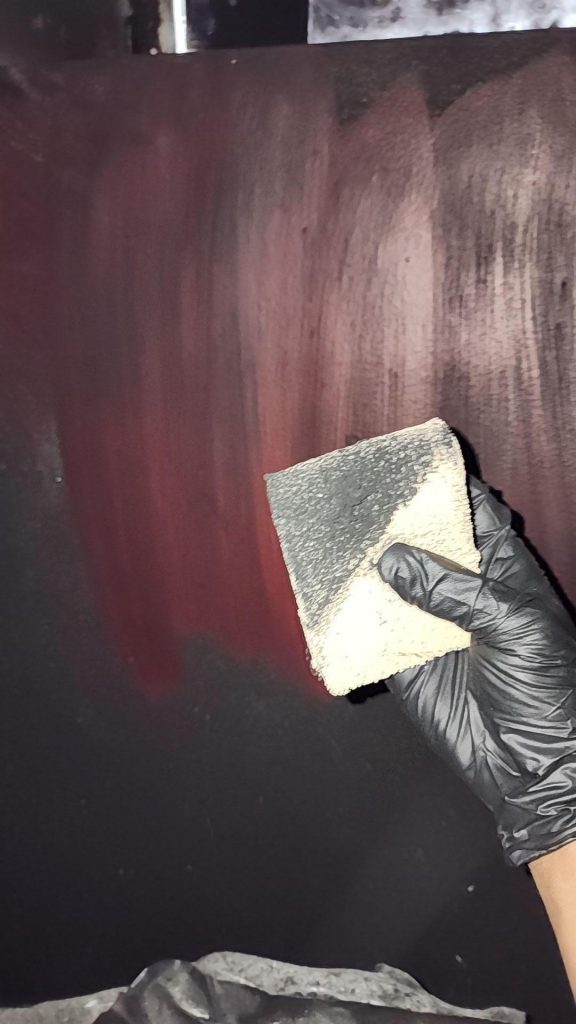
Look for yellowing on white painted surfaces, rainbow discoloration on chrome fixtures, and permanent clouding on windows. These changes indicate that surface pH has shifted toward acidity, requiring immediate alkalinity washing with chemical sponges and specialized cleaning agents to prevent irreversible damage.
4. Water Damage from Fire Suppression
Firefighting introduces substantial water volume into residential structures, creating secondary damage categories that often exceed primary fire impact. Columbus receives 40 inches of annual rainfall and experiences humid summers where standing water creates mold colonization risks within 24 to 48 hours.
Warning signs include buckling hardwood floors common in the region’s historic German Village and Clintonville neighborhoods, water stained plaster in pre 1960 construction, and swollen solid core doors. Immediate water extraction using truck mounted systems and deployment of commercial dehumidifiers is essential.
5. Compromised Electrical Systems
Heat damage to wiring insulation creates latent fire hazards that may not manifest immediately. If you detect burning plastic odors from electrical outlets, experience unexplained circuit breaker trips, or observe flickering lights, these indicate compromised electrical infrastructure.
Columbus’s older housing stock, particularly in established neighborhoods like Victorian Village and German Village, may contain knob and tube or early Romex wiring particularly vulnerable to heat damage. These conditions require immediate evaluation by licensed electricians before reoccupation.
6. Structural Deformation or Instability
Fire compromised structural elements may fail catastrophically without warning. In Columbus’s prevalent Ranch style and Colonial homes, dimensional lumber and engineered truss systems may experience charring that reduces load bearing capacity by 50% or more while maintaining superficial appearance.
Indicators include sagging ceiling drywall, doors that no longer close properly due to frame warping, cracks in exterior masonry, or visible charring on structural members. These conditions require immediate engineering assessment and potential stabilization before reoccupation.
7. Occupant Health Symptoms
Respiratory irritation, persistent headaches, eye irritation, or exacerbated asthma symptoms following re entry indicate inadequate air quality restoration. Fire smoke contains particulate matter, polycyclic aromatic hydrocarbons, formaldehyde from burning composites, and hydrogen cyanide from synthetic materials.
Columbus residents with pre existing respiratory conditions face elevated risks, particularly during spring and fall when seasonal allergies compound air quality concerns. Professional restoration must include comprehensive air scrubbing and verification testing before declaring spaces habitable.
Columbus Specific Environmental and Architectural Factors
Climate Characteristics and Restoration Implications
Columbus experiences a humid continental climate (Köppen Dfa classification) with distinct seasonal variations that directly impact fire damage restoration protocols. The region’s 69% average annual relative humidity, with December peaks reaching 74%, creates conditions where moisture related secondary damage develops rapidly.
Summer conditions bring additional challenges. July temperatures average 85 degrees with high humidity, creating muggy conditions for 15.2 days on average. These conditions accelerate mold growth in water damaged structures and complicate drying protocols. Conversely, winter temperatures dropping to 21 degrees in January can freeze standing water in damaged structures, creating additional risks when thawing occurs.
The region’s 22 inches of annual snowfall, while lower than national averages, can compromise roof integrity when fire damage has weakened structural support. Columbus’s position outside typical Nor’easter paths means less severe winter precipitation, but spring and summer severe thunderstorms bring lightning and hail risks that compound fire damage scenarios.
Regional Housing Architecture and Vulnerabilities
Columbus’s diverse housing stock presents distinct restoration challenges:
- German Village and Victorian Village historic properties: Feature original brick construction, plaster walls, and historic millwork requiring specialized lead safe work practices and period appropriate restoration techniques
- Clintonville Craftsman homes: Include extensive interior woodwork, built in features, and original hardwood requiring careful soot removal without damaging patina
- Post war Ranch style homes: Single story construction with attached garages where vehicle fires commonly spread to living spaces; typically include minimal insulation allowing rapid smoke penetration
- Newer developments: Incorporate synthetic materials and open floor plans that facilitate rapid smoke distribution throughout structures
Building Code and Regulatory Environment
Franklin County building codes, based on Ohio Building Code 2017 incorporating IBC 2015 standards, mandate specific fire protection requirements that influence restoration scope. Structures require functional automatic sprinkler systems where basement areas extend beyond 75 feet from exterior openings. Fire damaged suppression systems must be restored to NFPA 13 compliance before final occupancy approval.
Commercial cooking systems, common in Columbus’s growing restaurant scene and increasingly in residential gourmet kitchens, require specialized restoration approaches for hood and duct systems following fire events.
The Professional Restoration Protocol: Step by Step
Phase 1: Emergency Stabilization (Hours 0 to 4)
- Establish safety perimeters and secure structure against unauthorized entry
- Deploy emergency board up services for compromised windows and doors
- Initiate water extraction using truck mounted extraction equipment
- Establish negative air pressure containment zones to prevent cross contamination
- Deploy HEPA air scrubbers with activated carbon filtration media
Phase 2: Comprehensive Assessment (Hours 4 to 24)
- Conduct thermal imaging surveys to identify hidden moisture pockets
- Perform moisture mapping using penetrating and non penetrating moisture meters
- Analyze smoke residue composition to determine appropriate cleaning chemistry
- Document pre existing conditions with photographic evidence for insurance
- Calculate psychrometric drying goals based on Columbus’s specific climate data
Phase 3: Content Recovery and Cleaning (Days 1 to 5)
- Inventory and pack out salvageable contents to climate controlled facilities
- Implement ultrasonic cleaning for non porous items including ceramics and metals
- Apply specialized electronics cleaning protocols for devices and appliances
- Dispose of non salvageable materials following Ohio EPA guidelines
Phase 4: Structural Remediation (Days 3 to 14)
- Remove charred structural elements following engineering specifications
- Clean remaining structural components using media blasting appropriate for substrate sensitivity
- Apply antimicrobial treatments to prevent mold colonization in Columbus’s humid environment
- Reconstruct using materials matching original specifications for historic properties
Phase 5: Deodorization and Verification (Days 7 to 21)
- Deploy thermal fogging with counteractant chemicals
- Implement ozone or hydroxyl radical treatment for unoccupied spaces
- Apply odor blocking sealers to surfaces where adsorption has occurred
- Conduct air quality testing to verify particulate and VOC levels below EPA thresholds
- Perform final verification with property owners and insurance representatives
Frequently Asked Questions: Complex Long Tail Queries
Does home insurance cover mold caused by fire suppression water in Columbus?
Standard homeowners policies typically cover mold remediation when the mold results from a covered peril, such as fire suppression water damage. However, coverage often requires that mitigation efforts began promptly and that mold resulted directly from the covered event rather than delayed response. Columbus’s high humidity environment means that mold can develop within 24 to 48 hours, making immediate professional water extraction critical for coverage validation. Document all emergency response efforts with timestamps and photographic evidence.
How do I verify that restoration contractors follow legitimate IICRC standards?
Legitimate IICRC certified firms provide certificate numbers verifiable through the IICRC online directory. Request documentation showing specific S700 and S520 certifications for technicians assigned to your project. Certified firms follow standardized work plans, provide detailed scope documentation, and conduct post remediation verification testing. Be wary of contractors offering significantly lower prices without certification documentation, as improper restoration may leave hidden contamination requiring costly future remediation.
What special considerations apply to Columbus’s historic German Village properties?
German Village and other historic Columbus neighborhoods operate under preservation guidelines that restrict replacement materials and methods. Fire restoration in these properties requires contractors familiar with Secretary of Interior Standards for Historic Preservation. Original brickwork must be cleaned using low pressure techniques that avoid mortar damage. Interior plaster requires specialized repair rather than replacement with modern drywall. Lead safe work practices are mandatory for pre 1978 construction.
Can wildfire smoke from distant fires damage Columbus homes?
Yes. The IICRC S760 standard specifically addresses wildfire smoke impacts that can travel hundreds of miles. Columbus’s position in the Midwest means that distant wildfires, particularly from western states or Canadian forests, can deposit acidic smoke residues that etch surfaces and create persistent odors. These residues differ from structural fire smoke and require specific testing and remediation protocols. If you notice unexplained soot accumulation or odors during wildfire season, professional assessment is warranted.
How does Columbus’s variable weather affect restoration timelines?
Columbus’s climate creates seasonal restoration challenges. Summer humidity extends drying times for water damaged structures, requiring extended dehumidifier operation. Winter freezing can damage wet structures if heating systems fail during restoration. Spring severe weather may compromise temporary weatherization. Professional restoration firms monitor psychrometric conditions continuously and adjust equipment deployment to maintain optimal drying environments regardless of external weather.
Are there local regulations for disposing of fire damaged materials in Franklin County?
Franklin County and the City of Columbus maintain specific waste disposal regulations for fire damaged materials. Contaminated materials require characterization before disposal at approved facilities. Asbestos containing materials common in pre 1980 Columbus construction require specialized abatement following Ohio EPA protocols. Professional restoration firms maintain relationships with licensed waste haulers and disposal facilities to ensure regulatory compliance.
Emergency Response: Immediate Action Required
Fire damage restoration follows a logarithmic progression where damage severity increases exponentially with time. Acid soot residues cause permanent etching within hours. Mold colonization begins within 24 to 48 hours in Columbus’s humid environment. Odor molecules bond permanently with porous materials within 72 hours.
If you observe any of the seven urgent warning signs in your Columbus property, immediate professional intervention is essential to prevent irreversible damage and escalating restoration costs.
PuroClean Home Savers provides 24/7 emergency fire damage restoration services throughout Franklin County and Columbus neighborhoods including German Village, Clintonville, Victorian Village, and surrounding communities. Our IICRC certified technicians deploy advanced assessment technology including thermal imaging cameras, moisture mapping equipment, and air quality monitoring systems.
For immediate emergency assistance, call (614) 689-0012 now. Our emergency response teams are standing by to secure your property, prevent secondary damage, and initiate the comprehensive restoration process that returns your Columbus home to pre loss condition.