


Smoke damage effect: As the temperatures drop and the heating season begins, many homeowners turn to their wood-burning fireplaces for warmth and ambiance. However, while these fireplaces create a cozy atmosphere, they also bring potential risks, particularly smoke damage. Smoke from wood-burning fireplaces can lead to unpleasant odors, discoloration, and even long-term structural issues. Preventing smoke damage not only preserves the integrity of your home but also ensures a safer and healthier environment.
Here’s a comprehensive guide to help you prevent smoke damage from your fireplace and chimney.
What are the Risks of Smoke Damage
Smoke damage occurs when incomplete combustion releases particulates, soot, and chemical by products into your home. These by products can settle on walls, ceilings, furniture, and other surfaces, leaving unsightly stains and a persistent odor. Beyond the aesthetic damage, prolonged exposure to smoke residues can degrade materials and impact indoor air quality, potentially leading to respiratory issues for occupants.
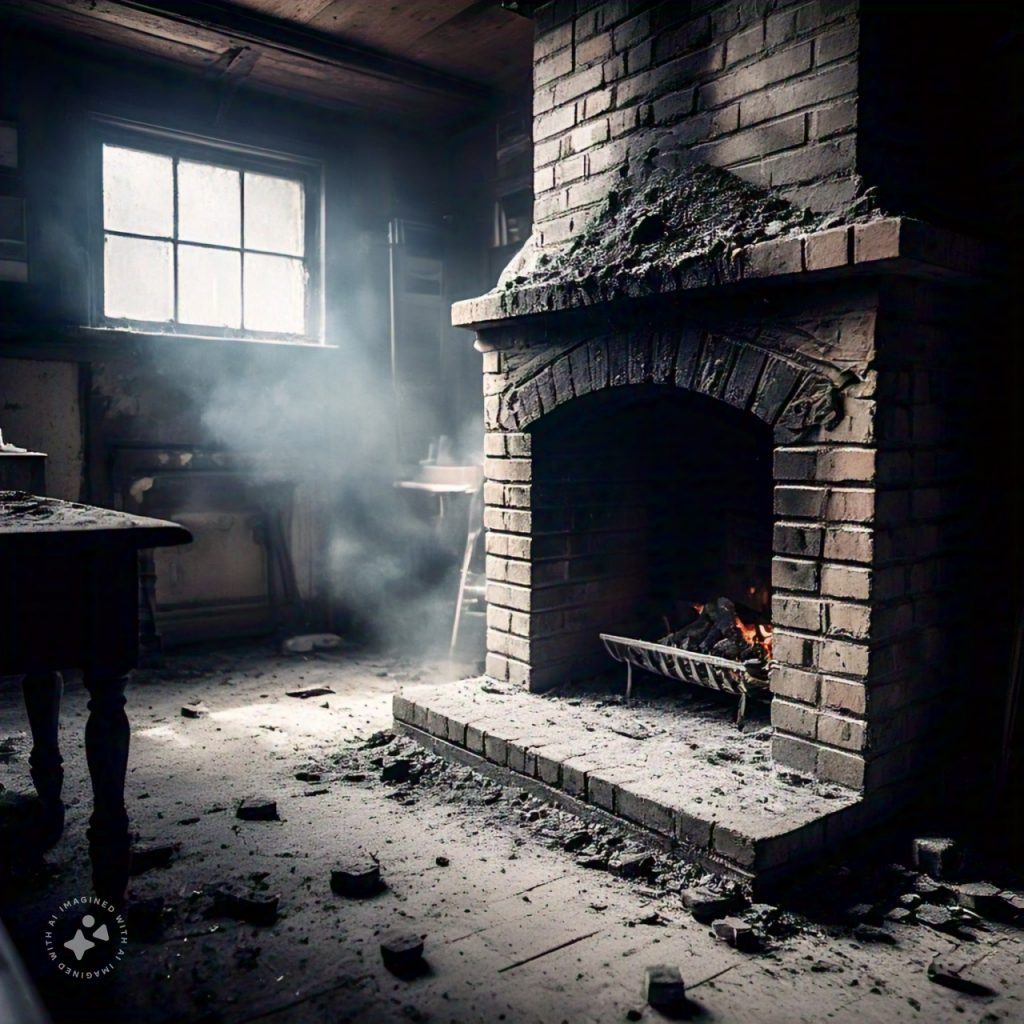
Key Factors Leading to Smoke Damage
- Improper Ventilation: Smoke can backdraft into your home if the fireplace or chimney lacks adequate ventilation.
- Creosote Build-Up: Creosote is a by product of wood combustion that accumulates in the chimney, restricting airflow and increasing the risk of smoke and fire.
- Wet or Green Wood: Burning unseasoned wood produces more smoke, which can lead to excess soot and residue.
- Damaged Chimney or Flue: Cracks, blockages, or misaligned flue systems can allow smoke to escape into your home.
- Neglected Maintenance: Infrequent cleaning and inspections increase the likelihood of issues.
How to Prevent Smoke Damage from Wood-Burning Fireplaces and Chimneys
1. Routine Chimney Inspections and Cleaning
Schedule annual chimney inspections by a certified professional to identify and address potential issues like creosote buildup, blockages, or structural damage. Regular cleaning ensures proper airflow, reducing the risk of smoke entering your home.
- Tip: The National Fire Protection Association (NFPA) recommends a chimney inspection at least once a year.
2. Burn the Right Kind of Wood
Using the right type of wood is crucial for reducing smoke output.
- Seasoned Wood: Burn wood that has been dried for at least six months. Seasoned wood burns more efficiently and produces less smoke.
- Avoid Softwoods: Softwoods like pine can produce more creosote. Opt for hardwoods like oak, maple, or birch.
3. Install a Chimney Cap
A chimney cap prevents debris, animals, and moisture from entering the chimney. Blockages caused by leaves or nests can force smoke back into your home, while moisture can contribute to creosote buildup.
- Bonus: A chimney cap also prevents sparks from escaping, reducing the risk of roof fires.
4. Ensure Proper Ventilation
Proper ventilation is essential to maintaining airflow and preventing backdrafts.
- Open the damper fully before starting a fire.
- Crack a window slightly in the room to provide additional air supply, especially in tightly sealed homes.
5. Use Fireplace Doors or Screens
Fireplace doors or screens can act as barriers, preventing embers and smoke from escaping into your living space. Choose heat-resistant glass doors for maximum effectiveness.
6. Address Chimney Repairs Promptly
Inspect your chimney for cracks, loose bricks, or damaged mortar. Addressing these issues promptly prevents smoke leakage and maintains the chimney’s structural integrity.
7. Install Carbon Monoxide and Smoke Detectors
Even with preventive measures, it’s essential to have functioning carbon monoxide and smoke detectors in your home. These devices provide an added layer of safety, alerting you to potential issues.
Steps to Minimize Smoke Damage if It Occurs
Despite taking precautions, smoke damage can sometimes happen. Here’s how to minimize its impact:
- Ventilate Immediately Open windows and doors to allow fresh air to circulate. Use fans to help expel smoke from the room.
- Clean Affected Surfaces Wipe down walls, ceilings, and other surfaces with a mixture of warm water, mild detergent, and vinegar to remove soot and odors.
- Use Air Purifiers Deploy HEPA air purifiers to filter out particulates and improve indoor air quality.
- Deodorize the Space Use baking soda or activated charcoal to absorb lingering odors. Professional-grade deodorizers can also be effective.
- Call a Professional Restoration Service For extensive smoke damage, consider hiring a professional restoration company. They have specialized tools and expertise to restore your home effectively.
The Importance of Regular Maintenance
Prevention is always better than restoration. Regular maintenance of your fireplace and chimney not only prevents smoke damage but also reduces the risk of chimney fires. Make it a seasonal habit to check your fireplace setup before the heating season begins.
Checklist for Seasonal Fireplace Maintenance:
- Schedule a chimney inspection and cleaning.
- Stock up on seasoned hardwood.
- Check for drafts and ensure the damper functions correctly.
- Inspect the chimney cap for damage or blockages.
- Test carbon monoxide and smoke detectors.
Winter Fire Hazard Smoke Damage: Major Causes of Sudden Fires in Homes
As the winter months approach, the risk of sudden fires in homes increases significantly. The combination of cold temperatures, holiday decorations, and increased use of heating sources creates a perfect storm for fires to occur.
1. Space Heaters
Space heaters are a common cause of winter fires. They can overheat, ignite nearby flammable materials, or even tip over, causing a fire to spread quickly. To use space heaters safely:
- Keep them at least 3 feet away from flammable materials
- Never leave them unattended
- Choose space heaters with automatic shut-off and overheat protection
2. Electrical Issues
Electrical issues, such as faulty wiring, overloaded outlets, and damaged cords, can cause fires to spark. To prevent electrical fires:
- Have your home’s electrical system inspected by a licensed electrician
- Avoid overloading outlets and extension cords
- Replace damaged or frayed cords immediately
3. Candles and Open Flames
Candles, fireplaces, and other open flames can ignite nearby materials, such as curtains, bedding, or decorations. To use candles and open flames safely:
- Never leave them unattended
- Keep them away from flammable materials
- Use flameless candles or LED candles as an alternative
4. Holiday Decorations
Holiday decorations, such as lights, garlands, and wreaths, can be a fire hazard if not used properly. To prevent fires caused by holiday decorations:
- Use only UL-certified decorations
- Avoid overloading electrical outlets
- Keep decorations away from heat sources and flammable materials
5. Heating System Maintenance
Poorly maintained heating systems can cause fires to occur. To prevent heating system fires:
Keep the area around your heating system clear of clutter and flammable materials
Have your heating system inspected and maintained annually by a licensed professional
Conclusion
Wood-burning fireplaces are a cherished feature in many homes, especially during the colder months. However, the risks of smoke damage and chimney-related issues should not be underestimated. By following these preventive measures and maintaining a proactive approach, you can enjoy the warmth and charm of your fireplace without compromising your home’s safety or integrity.
For immediate assistance with Water damage restoration, contact PuroClean Home Savers, Call (+1) 614-689-0012.
Remember, the key to a safe and smoke-free home lies in regular maintenance, proper use, and timely interventions. Stay warm, stay safe, and let your fireplace bring comfort without the worry of smoke damage this heating season.