


Key Takeaways for Homeowners
- Fast smoke odor elimination requires understanding that speed of response directly correlates with restoration success; delays beyond 48 hours dramatically increase permanent damage risk
- IICRC S500 and S520 standards establish the scientific framework for fire damage restoration, requiring source removal, chemical neutralization, and particulate filtration in sequence
- Columbus’s humid continental climate, clay soil composition, and mixed housing stock create unique odor retention challenges requiring localized protocols
- Four strategic approaches: emergency stabilization, advanced oxidation technology, structural decontamination, and permanent encapsulation deliver comprehensive results
- PuroClean Home Savers provides rapid-response smoke odor elimination in Columbus: Call (614) 689-0012 now
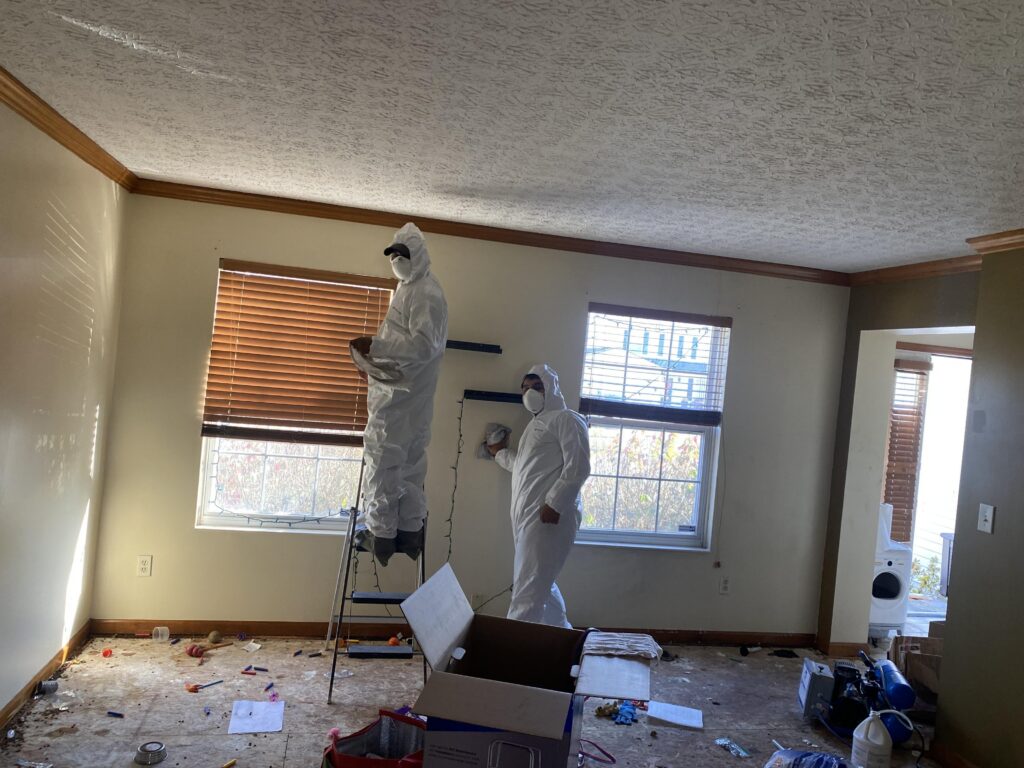
The Science of Speed: Why Fast Response Determines Smoke Odor Outcomes
Smoke odor removal after fire damage operates under a critical time constraint that many Columbus homeowners underestimate. The IICRC S500 Standard for Professional Water Damage Restoration and S520 Standard for Professional Mold Remediation, while primarily addressing water and mold scenarios, establish foundational principles directly applicable to fire damage: rapid response prevents secondary damage, controlled environments optimize remediation efficiency, and systematic documentation ensures complete restoration.
The core entity of fast smoke odor elimination centers on the chemical behavior of combustion byproducts in the hours and days following a fire. When synthetic materials, wood, plastics, and organic substances burn, they release thousands of volatile organic compounds including acrolein, formaldehyde, benzene, and polycyclic aromatic hydrocarbons. These compounds exist initially as airborne gases and surface deposits, but begin penetrating porous materials within hours.
Columbus’s specific environmental conditions accelerate this penetration. The city’s humid continental climate, with summer humidity regularly exceeding 70 percent and annual precipitation averaging 40 inches, creates conditions where hygroscopic soot particles absorb atmospheric moisture. This moisture absorption causes particle expansion and deeper embedding into drywall, insulation, carpet padding, and wood framing. Additionally, Columbus’s clay-rich soil composition affects foundation moisture dynamics, with many homes experiencing basement humidity levels 10-15 percent higher than ambient outdoor conditions.
The speed imperative demands that homeowners understand: surface cleaning, air fresheners, and retail deodorizers applied after 48 hours address only the symptoms of contamination while the underlying odor sources become progressively more difficult to eliminate. Professional restoration within the first 24 hours can often achieve complete odor elimination using less invasive methods; delays beyond one week frequently require demolition and reconstruction of affected areas.
Strategic Way 1: Emergency Stabilization and Source Containment
The first strategic way for fast smoke odor elimination focuses on immediate emergency stabilization performed within hours of fire department clearance. This strategy prevents further odor migration and begins the process of source identification and containment before secondary contamination occurs.
Columbus homes present specific stabilization challenges. The city’s housing stock spans historic Victorian Village properties, mid-century ranch developments, modern suburban construction, and urban loft conversions. Each construction type demands tailored stabilization approaches:
- Historic homes (pre-1940): Balloon framing creates continuous vertical cavities; stabilization requires sealing wall penetrations and establishing containment from basement through attic
- Mid-century ranches (1945-1970): Single-story slab or crawl space foundations with minimal attic ventilation; stabilization focuses on HVAC isolation and subfloor sealing
- Suburban developments (1970-2000): Standard platform framing with finished basements; stabilization addresses basement utility rooms and recirculating HVAC systems
- Urban lofts and condos: Mixed commercial-residential construction with shared HVAC and elevator shafts; stabilization requires coordination with building management and adjacent unit protection
The emergency stabilization protocol follows rapid-sequence implementation:
- Safety verification: Confirm structural integrity, electrical safety, and atmospheric quality before entry; Columbus Fire Department clearance does not constitute restoration readiness assessment
- HVAC shutdown: Immediately disable heating and cooling systems to prevent smoke particle recirculation; this step proves critical in Columbus’s forced-air-heated homes where ductwork acts as contamination distribution networks
- Ventilation assessment: Open windows and deploy exhaust fans only if weather conditions permit; Columbus’s variable spring and fall weather may require supplemental climate control
- Containment deployment: Seal unaffected areas with 6-mil polyethylene sheeting and establish negative air pressure using HEPA-filtered air scrubbers
- Moisture control initiation: Deploy dehumidifiers to reduce humidity below 50 percent, counteracting Columbus’s natural moisture load and preventing hygroscopic soot expansion
- Documentation photography: Capture pre-restoration conditions for insurance claims and protocol planning
- Source identification: Locate primary contamination zones, charred materials, and heavy soot deposits requiring immediate removal
Integration of related entities enhances stabilization effectiveness. HEPA filtration captures airborne particulates during containment establishment. Negative air pressure prevents cross-contamination to unaffected building areas. Psychrometric monitoring ensures humidity control optimizes subsequent treatment phases. Moisture mapping identifies hidden water intrusion from fire suppression efforts that could compound odor issues.
Strategic Way 2: Advanced Oxidation Technology Deployment
The second strategic way deploys advanced oxidation technologies that permanently destroy odor compounds rather than masking or temporarily suppressing them. This approach combines ozone generation and hydroxyl radical technology for comprehensive molecular neutralization.
Ozone Generation for Rapid Oxidation
Ozone treatment remains the gold standard for fast, permanent smoke odor destruction. O3 molecules attack odor compounds through oxidation reactions that break carbon-carbon double bonds and aromatic ring structures common in smoke VOCs. The process requires precise control of concentration, duration, and environmental conditions.
For Columbus homeowners requiring fast results, ozone treatment implementation demands:
- Immediate space preparation: Remove rubber, elastic, and ozone-sensitive materials; evacuate occupants and pets
- Climate optimization: Deploy dehumidifiers to achieve 40-50 percent relative humidity; Columbus’s baseline humidity often requires 12-24 hours of pre-conditioning
- Strategic generator placement: Position units based on cubic footage and airflow analysis; Columbus’s multi-level homes and finished basements need calculated placement for uniform distribution
- Concentration maintenance: Achieve and maintain 1,000-10,000 ppm throughout treatment duration
- Calculated exposure: Light contamination: 8-12 hours; moderate: 24-48 hours; severe structural: 48-72 hours
- Post-treatment verification: Aerate thoroughly and confirm residual ozone below safe thresholds before re-occupancy
Hydroxyl Radical Technology for Occupied-Space Treatment
Hydroxyl generators provide the critical advantage of safe operation in occupied spaces, allowing continuous treatment during restoration activities when complete evacuation is impractical. These devices produce OH radicals through photocatalytic oxidation, creating oxidizing potential exceeding ozone without safety restrictions.
Columbus applications particularly benefit from hydroxyl technology in scenarios where families cannot relocate, businesses require minimal downtime, or multi-unit buildings restrict full evacuation. The technology integrates seamlessly with other restoration processes:
- Continuous HEPA vacuuming: Remove loose particulates while hydroxyl treatment operates
- Air scrubber coordination: HEPA-filtered negative air machines capture oxidized debris
- Thermal fogging sequencing: Deploy hydroxyl treatment concurrently or sequentially with thermal fogging for comprehensive compound coverage
- Antimicrobial biocide application: Following oxidation, apply EPA-registered antimicrobials to prevent secondary microbial growth on organic fire residues
- Moisture mapping verification: Use infrared thermography to confirm no hidden moisture pockets remain that could reactivate odors
The combination of ozone and hydroxyl treatments addresses the full spectrum of smoke odor compounds. Ozone effectively neutralizes petroleum-based and synthetic smoke residues common in modern Columbus homes with plastic and vinyl components. Hydroxyl radicals excel at breaking down water-soluble protein smoke compounds from kitchen fires, a frequent occurrence in Columbus’s active culinary culture and older residential neighborhoods.
Strategic Way 3: Structural Decontamination and Media Blasting
The third strategic way addresses smoke odor at its structural source through aggressive decontamination of contaminated building materials. When smoke has penetrated beyond surface levels into structural substrates, cleaning and treatment alone cannot achieve complete odor elimination.
Media Blasting for Deep Decontamination
Media blasting removes smoke-impregnated surface layers from structural materials, eliminating odor reservoirs that chemical treatment alone cannot reach. The technique proves particularly valuable for Columbus’s diverse housing stock:
- Historic brick and masonry: Dry ice blasting removes soot from porous brick without water damage or abrasive erosion
- Original wood framing and trim: Sodium bicarbonate blasting cleans charred or heavily soiled wood while preserving architectural integrity
- Concrete basement walls and floors: Walnut shell or corn cob media blasting removes embedded soot from porous concrete surfaces
- Metal ductwork and structural steel: Appropriate media selection cleans without corrosion or surface damage
Columbus’s specific restoration scenarios frequently require media blasting. The city’s older neighborhoods, including German Village, Victorian Village, and Bexley, contain historic properties where replacement of original materials would compromise architectural authenticity. Media blasting preserves these elements while eliminating odor sources. Similarly, Columbus’s prevalence of finished basements in suburban developments creates scenarios where smoke has penetrated paneling, drywall, and framing in below-grade spaces that demand source-level decontamination.
The media blasting protocol ensures complete restoration:
- Comprehensive containment: Establish negative air pressure containment with HEPA filtration
- Surface evaluation: Assess substrate condition, contamination depth, and material integrity
- Media selection: Choose appropriate abrasive based on substrate sensitivity and contamination type
- Controlled application: Deploy at calculated pressure, angle, and distance to remove contamination without substrate damage
- Continuous extraction: HEPA vacuum systems remove blasting media and dislodged debris
- Post-blast inspection: Verify complete contamination removal and structural soundness
- Encapsulation preparation: Prepare surfaces for sealant application if residual staining or minor odor potential remains
Strategic Way 4: Permanent Encapsulation and Barrier Protection
The fourth strategic way provides permanent odor isolation when complete source removal is impractical or when fast turnaround demands prevent extended demolition and reconstruction timelines. Encapsulation creates impermeable barriers between odor-impregnated substrates and occupied environments.
Columbus homes present specific encapsulation applications. The city’s clay soil and seasonal moisture patterns create basement environments where smoke odors in concrete, block walls, and floor joists interact with chronic dampness to produce persistent musty-smoke combinations. Encapsulation addresses these scenarios when replacement is structurally unnecessary but odor isolation is essential.
Professional encapsulation systems include:
- Shellac-based sealers: Superior odor blocking for wood, drywall, and masonry; alcohol-based formulation penetrates and seals effectively
- Oil-based primers: Deep penetration for heavily contaminated substrates; require adequate ventilation during Columbus’s humid season application
- Water-based odor barriers: Low-VOC options suitable for occupied-space application with moderate contamination
- Epoxy coatings: High-performance barriers for concrete, masonry, and industrial applications requiring chemical resistance
The encapsulation process demands rigorous execution:
- Complete substrate preparation: Clean all surfaces through HEPA vacuuming and solvent washing; encapsulation over contamination locks odors beneath the barrier
- Moisture verification: Confirm substrate moisture content below 15 percent; Columbus’s humid summers may require extended dehumidification
- Damage repair: Fill cracks, gaps, and defects that could compromise seal continuity
- Primer application: Apply uniform first coat allowing proper penetration and adhesion
- Topcoat sealing: Apply second coat ensuring complete coverage and film integrity
- Curing management: Maintain optimal temperature and humidity for full cure; typically 72 hours in climate-controlled environments
- Quality verification: Inspect for thin spots, misses, or application defects that could allow odor migration
Geospatial Authority: Columbus Restoration Environment
Columbus, Ohio presents distinctive fire damage restoration challenges shaped by its geographic position, climatic patterns, soil composition, and architectural diversity. Located in central Ohio within the humid continental climate zone, the city experiences significant seasonal variation that affects restoration timelines and protocols.
Climate and Humidity Factors
Columbus averages 40 inches of annual precipitation with summer relative humidity regularly exceeding 70 percent and winter humidity dropping below 30 percent. These fluctuations cause building materials to expand and contract, creating micro-fractures in drywall, plaster, and wood that trap odor molecules. The freeze-thaw cycles typical of Columbus winters further stress building envelopes, potentially releasing latent odors during seasonal transitions. Professional restoration requires climate-adaptive protocols that account for these variations.
Soil and Foundation Considerations
The Columbus area sits atop thick clay deposits from ancient glacial Lake Scioto. This clay soil exhibits poor drainage and high shrink-swell characteristics, creating foundation moisture management challenges. Basements in Columbus homes commonly experience hydrostatic pressure, capillary moisture migration, and seasonal dampness. When fire damage occurs in below-grade spaces, smoke odors interact with chronic moisture conditions to create remediation scenarios requiring both odor and moisture control protocols.
Housing Stock and Construction Variations
Columbus’s housing diversity demands restoration adaptability. Historic neighborhoods like German Village and Victorian Village contain brick and frame structures from the 19th century with balloon framing, plaster walls, and minimal insulation that behave differently under fire conditions than modern construction. Post-war suburbs including Upper Arlington and Worthington feature ranch and split-level designs with forced-air HVAC systems and finished basements. Newer developments in Dublin, Powell, and New Albany incorporate modern materials and construction techniques. Each category requires tailored restoration approaches, equipment selection, and timeline projections.
Local Regulatory Environment
The City of Columbus Building and Zoning Services Department requires permits for structural repairs, electrical work, and HVAC modifications following fire damage. Franklin County’s specific requirements may additionally affect restoration in unincorporated areas and townships. Professional restoration companies maintain current licensing and permit knowledge to ensure compliance without delaying emergency response.
FAQ: Complex Long-Tail Questions for Columbus Homeowners
Does home insurance cover smoke odor removal in Columbus, Ohio?
Ohio homeowners insurance policies typically provide coverage for smoke odor remediation when resulting from sudden, accidental fires covered under the policy’s named perils. Standard coverage includes professional restoration services, content cleaning, debris removal, and additional living expenses during remediation. However, Ohio policies may exclude or limit coverage for smoke damage from gradual causes, such as long-term cigarette smoking or fireplace soot accumulation. Franklin County homeowners should review specific policy sub-limits, as Columbus’s construction costs may exceed standard coverage calculations. Deductibles apply to restoration claims, and policies with percentage-based deductibles (common in Ohio wind/hail coverage) may not apply to fire damage but should be verified. PuroClean Home Savers maintains direct billing relationships with major insurers operating in Columbus and provides comprehensive IICRC protocol documentation to support claims processing and coverage maximization.
How fast can smoke odor be completely removed from a Columbus home?
Complete smoke odor removal timelines depend on fire classification, contamination extent, and response speed. Light smoke damage in a single room, addressed within 24 hours, may achieve complete elimination in 2-3 days using thermal fogging and air scrubbing. Moderate damage affecting multiple rooms with HVAC involvement, treated within 48 hours, typically requires 5-7 days incorporating ozone and hydroxyl treatments. Severe structural fires with extensive cavity contamination may demand 2-4 weeks including demolition, reconstruction, and sequential deodorization. Columbus’s humidity extends these timelines by 20-30 percent compared to arid climates, as moisture-saturated materials require extended drying phases before effective chemical treatment. The critical variable is response speed: engaging professional restoration within the first 24 hours dramatically reduces total treatment duration and prevents permanent damage requiring reconstruction.
What makes smoke odor return after professional cleaning?
Odor recurrence after professional cleaning indicates incomplete source removal, hidden contamination, or moisture reactivation of latent compounds. Common overlooked sources in Columbus homes include: HVAC ductwork and air handling units that circulated smoke during the fire event; attic insulation that absorbed odor compounds; wall cavities containing soot deposits behind intact drywall; crawl spaces and basements where smoke migrated through floor penetrations; and original hardwood floors where smoke penetrated between boards into subflooring. Columbus’s significant seasonal humidity fluctuations particularly exacerbate latent odor release, as moisture expansion reactivates compounds dormant during dry periods. Professional moisture mapping, thermal imaging, and comprehensive cavity inspection during initial restoration prevent recurrence by identifying and treating all contamination sources.
Can I remove smoke odor myself to save money?
DIY smoke odor removal attempts using retail products, rental ozone machines, or household cleaning solutions address surface odors only while frequently driving deeper contamination further into substrates. Improper cleaning techniques on wet smoke residues (common in synthetic material fires) smear and embed soot more permanently. Columbus homeowners who attempt DIY restoration before professional engagement typically increase ultimate costs by 50-80 percent due to extended professional treatment requirements and additional damage caused by inappropriate methods. Furthermore, smoke residues contain acidic compounds that etch surfaces over time; DIY delays allow this damage to progress from cleanable to permanent. Immediate professional engagement within 24-48 hours provides optimal outcomes and often reduces total restoration expenses through efficient, correct-first-time protocols.
Does smoke odor affect Columbus property values?
Untreated smoke odor significantly impacts Columbus real estate values and marketability. Franklin County disclosure requirements mandate that sellers report known fire damage, and persistent odors trigger buyer inspections revealing hidden issues. Properties with documented smoke odor history sell for 10-20 percent below comparable un affected homes and remain on market 60-90 days longer. Professional restoration with IICRC-certified protocols, documented procedures, and transferable warranties preserves property value and provides marketing advantages. Columbus’s competitive real estate market, particularly in desirable neighborhoods like German Village, Short North, and Clintonville, makes professional restoration essential for maintaining property investment value.
Columbus Smoke Odor Emergency: Act Now to Protect Your Home
Smoke odor after fire damage constitutes a progressive emergency that worsens with every hour of delay. Acidic soot residues etch surfaces, penetrate deeper into structural materials, and create permanent damage that transforms restorable properties into reconstruction projects. Columbus’s humid climate accelerates this progression, making immediate professional response essential for successful restoration.
PuroClean Home Savers serves Columbus and surrounding Franklin County communities with IICRC-certified technicians, advanced restoration technology, and 24/7 emergency response capabilities. Our teams arrive equipped with thermal fogging systems, ozone generators, hydroxyl radical technology, media blasting equipment, and professional encapsulation materials to eliminate smoke odors completely and restore your property to safe, livable condition.
Do not let smoke odor destroy your Columbus home and your family’s health. Call PuroClean Home Savers immediately at (614) 689-0012. Our emergency response teams are available 24 hours a day, 7 days a week, with the expertise and equipment to stop odor progression fast and restore your property completely.