


On this Topic, You will learn the following:
Table of Contents
Smokey Smells: A fire in your home is a devastating event, but even after the flames are extinguished and the structural damage is repaired, the lingering smell of smoke can remain a persistent reminder of the disaster.
Smoke odors can embed themselves deep into materials and objects around the house, creating a long-lasting problem if not addressed properly. Understanding what items in your home are most likely to retain smokey smells after a fire and knowing how to clean or restore them is crucial to fully recovering your living space.
For immediate assistance with Smoke smell removal or fire damage restoration, contact PuroClean Home Savers, Call (+1) 614-689-0012.
Why Does Smoke Odor Linger?
When materials burn during a fire, they release a complex mixture of gases and particles, often referred to as soot. These tiny particles can travel far from the initial fire site, getting into porous surfaces and objects throughout the house. The smaller the smoke particles, the deeper they penetrate into various materials, making the odor difficult to remove. Additionally, areas that are exposed to higher levels of heat tend to absorb more smoke, leading to stronger and longer-lasting odors.
Items in The Home That Retain Smokey Smells After a Fire
1. Furniture Upholstery
Upholstered furniture, including sofas, chairs, and cushions, is one of the most common household items to absorb smoke odors. The porous nature of fabric allows soot and smoke to settle into the fibers. If not treated properly, the smell can remain trapped in the upholstery for months, even after superficial cleaning.
How to Clean Upholstered Furniture for Smoke Odor:
- Vacuuming with a HEPA filter to remove loose soot particles.
- Using a professional steam cleaner to deep-clean fabrics.
- Applying odor-neutralizing sprays or specialized deodorizers.
2. Carpets and Rugs
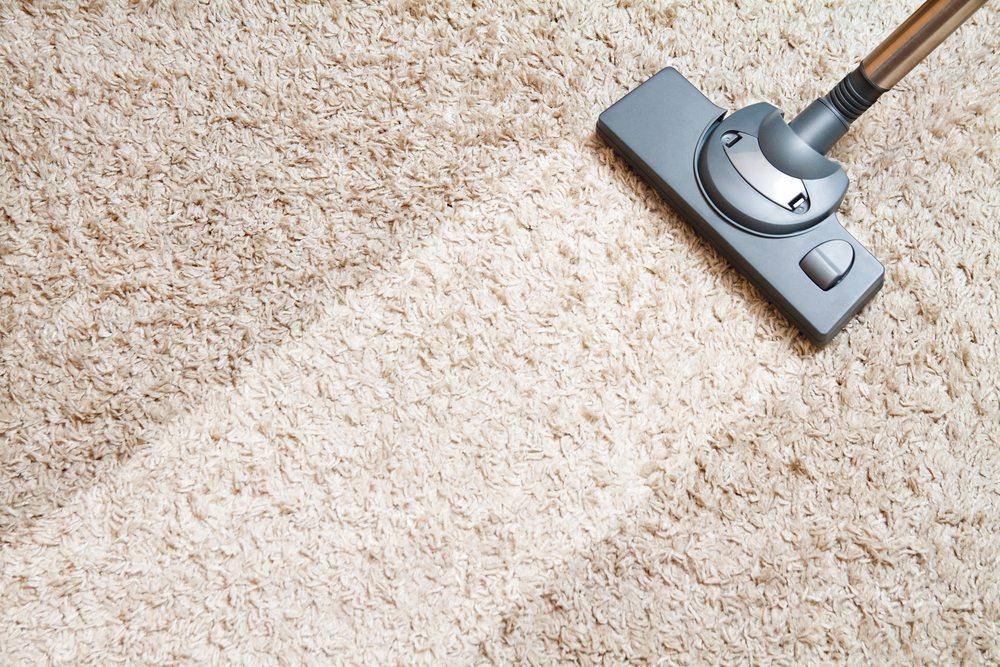
Just like upholstery, carpets and rugs are highly susceptible to absorbing smoke particles due to their thick, fibrous nature. Even if the fire did not directly damage the flooring, the pervasive nature of smoke can penetrate carpets, leaving behind an unpleasant odor. The padding underneath the carpet may also retain smoke odors, making cleaning more challenging.
How to Clean Carpets and Rugs for Smoke Odor:
- Vacuum thoroughly to remove surface debris.
- Use carpet shampooing or hot water extraction methods.
- Replace carpet padding if necessary.
- Consider professional cleaning service like Puroclean Home Savers for deep odor removal.

3. Curtains and Drapes
Curtains and drapes, especially those made from heavier fabrics, can easily absorb and retain smoke smells after a fire. Because they hang in the air, they are often directly exposed to the smoke as it rises and spreads through the house.
How to Clean Curtains and Drapes for Smoke Odor:
- Machine wash them using mild detergent if the fabric allows.
- For heavier fabrics, use a steam cleaner or take them to a professional dry cleaner.
- Air out the curtains outdoors in the sun, which can help dissipate odors.
4. Walls and Ceilings
Even though walls and ceilings are not porous like fabrics, they can still retain smoke odors, especially if the fire occurred in a nearby room. The soot and smoke can become embedded in paint and drywall, creating a lingering smell that won’t easily disappear with basic cleaning methods.
How to Clean Walls and Ceilings for Smoke Odor:
- Wipe down walls and ceilings with a mixture of water and vinegar or an odor-neutralizing cleaner.
- Repaint walls using an odor-sealing primer.
- For severe smoke damage, consider replacing drywall.
Carbon soot stains on walls can be an unsightly reminder of a fire or an issue with an appliance. Here is a step by step process on how to clean carbon soot on the wall, click here: (Carbon Soot Removal DIY)
5. Wooden Furniture and Surfaces
Wood is a naturally porous material, which means smoke particles can penetrate deeply into wooden furniture, floors, and structural components. If untreated, these smells can become trapped and lead to long-term odor problems.
How to Clean Wood For Smoke Odor:
- Wipe down wooden surfaces with a mild soap and water solution.
- Use a wood-specific cleaner or polish to help restore the surface.
- For deep smoke damage, sanding and refinishing the wood may be necessary to completely eliminate the odor.
6. Clothing and Textiles
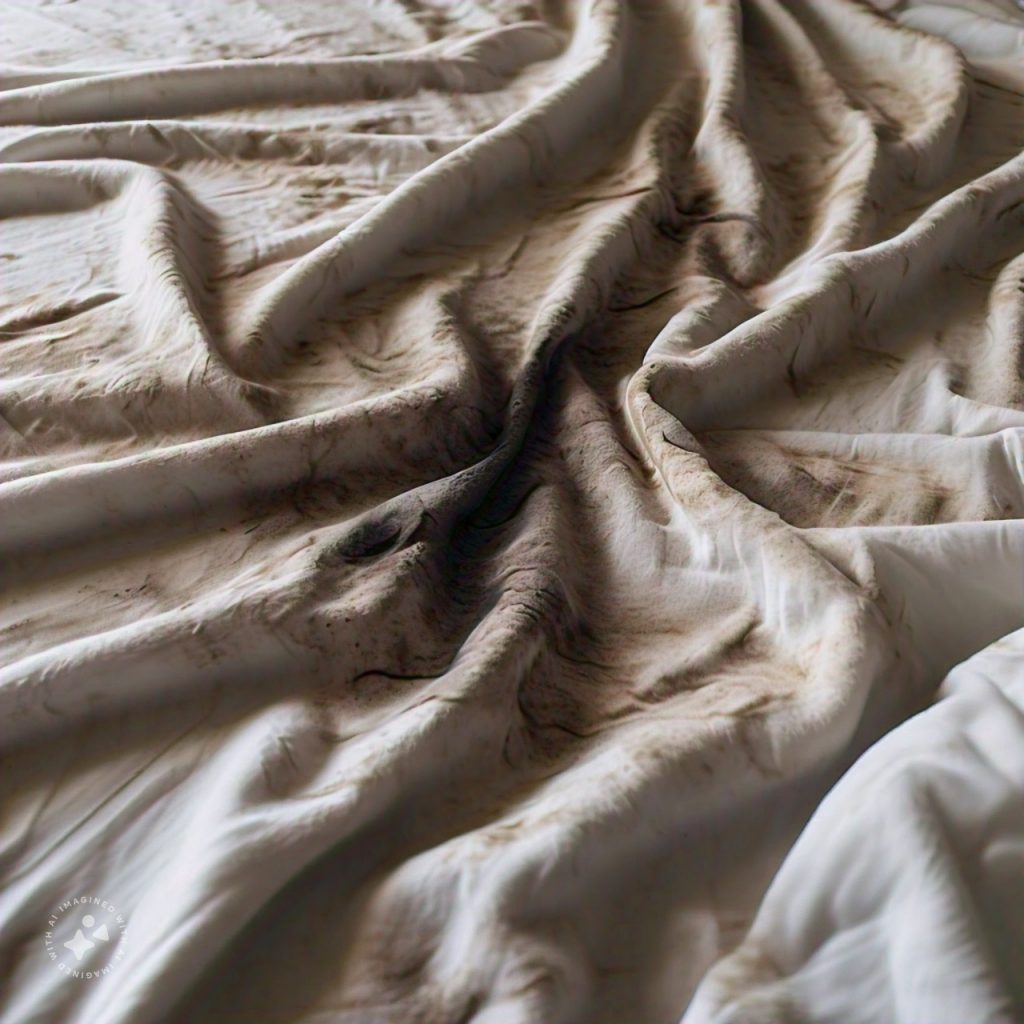
Clothing, bedding, towels, and other household textiles can easily trap smoke particles. The fibers in these materials hold onto the smell, making it difficult to remove through regular washing. Special attention is needed to ensure all traces of smoke are eradicated from textiles.
How to Clean Clothing and Textiles for Smoke Odor:
- Wash clothing and textiles in hot water with a strong detergent.
- Use a solution of baking soda and vinegar to neutralize odors.
- For delicate items, consider dry cleaning.
7. Mattresses and Bedding
Mattresses are another item that can retain the smell of smoke for an extended period. Given their size and construction, they are difficult to clean thoroughly, which makes them prone to retaining smells after a fire.
How to Clean Mattresses For Smoke Odor:
- Sprinkle baking soda over the surface to absorb odors, then vacuum.
- Use a steam cleaner for deeper penetration and cleaning.
- In severe cases, replacing the mattress may be necessary.
8. HVAC System
Your heating, ventilation, and air conditioning (HVAC) system can spread smoke particles throughout the house, especially if it was running during the fire. These particles can accumulate in the ducts, filters, and vents, causing the smell to recirculate long after the fire is extinguished.
How to Clean the HVAC System:
- Replace HVAC filters to prevent smoke particles from recirculating.
- Have the air ducts professionally cleaned.
- Use air purifiers with HEPA filters to help remove airborne smoke particles.
9. Books and Paper Items
Books, magazines, and other paper items are highly absorbent and can retain smoke odors for a long time. The porous nature of paper allows smoke to seep in, making it difficult to remove the smell without causing damage to the items.
How to Clean Books and Paper for Smoke Odor:
- Wipe down covers gently with a soft cloth.
- Sprinkle baking soda between pages and seal the book in a plastic bag for a few days to help absorb odors.
- Air out the books in a well-ventilated area or outdoors if possible.
10. Electronics
Surprisingly, electronic devices such as televisions, computers, and appliances can also retain smoke odors. Smoke particles can settle inside vents, fans, and other components, leading to both odor and potential damage to the device itself.
How to Clean Electronics For Smoke Odor:
- Gently wipe down the exterior with a soft, dry cloth.
- Use a can of compressed air to blow out any soot or smoke particles from vents and openings.
- Avoid using water or cleaning solutions, as these can damage the internal components.
How To Prevent and Remove Smokey Smells After a Fire
Once you’ve identified the items in your home that are likely to retain smokey smells, the next step is to take action to eliminate the odor. Here are some general steps to remove smokey smells from your home after a fire:
1. Ventilate the Space
Opening windows and using fans to circulate fresh air is one of the simplest ways to start eliminating smoke odors. Ventilation can help dissipate some of the lingering smells and prevent them from becoming trapped in your home.
2. Use Odor Neutralizers
There are a variety of commercial odor-neutralizing products designed specifically for fire-related smells. Products containing activated charcoal, baking soda, or vinegar can help absorb and neutralize odors.
3. Use Air Purifiers
Air purifiers with HEPA filters are effective at removing airborne smoke particles and reducing odors. These can be especially helpful for clearing out the smell in the days and weeks following a fire.
4. Ozone Treatment
For severe smoke odors, you may want to consider using an ozone generator. Ozone treatment works by releasing ozone gas, which binds to odor molecules and neutralizes them. This process should be done by a professional, as improper use of ozone generators can be hazardous.
Conclusion
Smoke odors after a fire can linger in various items around your home, from upholstery and carpets to walls and HVAC systems. Identifying the most affected areas and applying the right cleaning techniques is key to fully eliminating the smell and restoring your home to its original condition. Whether you’re tackling the issue yourself or working with professional cleaners, addressing smokey smells promptly will help prevent further damage and create a healthier living environment.