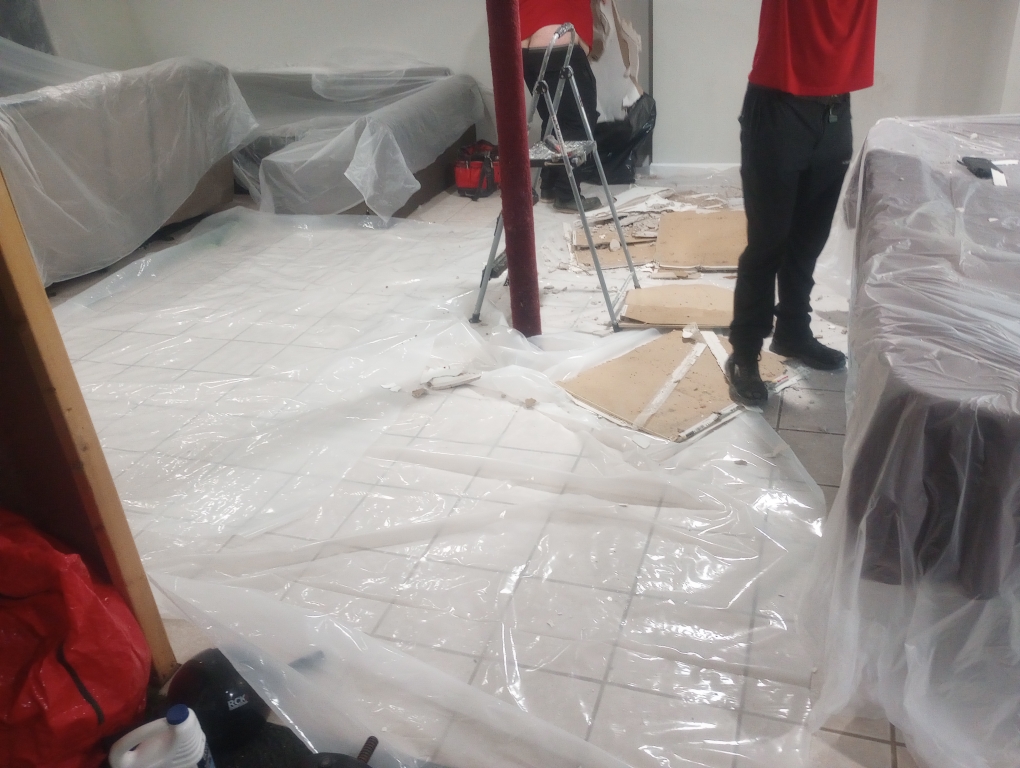
Reviewed by the PuroClean Home Savers team in Columbus, OH. Water damage guidance in this article follows the IICRC S500 Standard for Professional Water Damage Restoration.
Key Takeaways
- A sump pump removes groundwater from your basement or crawl space before it can reach your floor.
- Installation cost in Columbus depends on pump type, basin work, discharge routing, electrical needs, and backup power.
- The most common failures are power loss, stuck float switches, clogged intakes, frozen discharge lines, and worn out motors.
- Test your pump every few months and before heavy spring storms.
- If water gets in, call a professional quickly. Under IICRC S500 guidance, wet materials can start supporting mold growth within 24 to 48 hours.
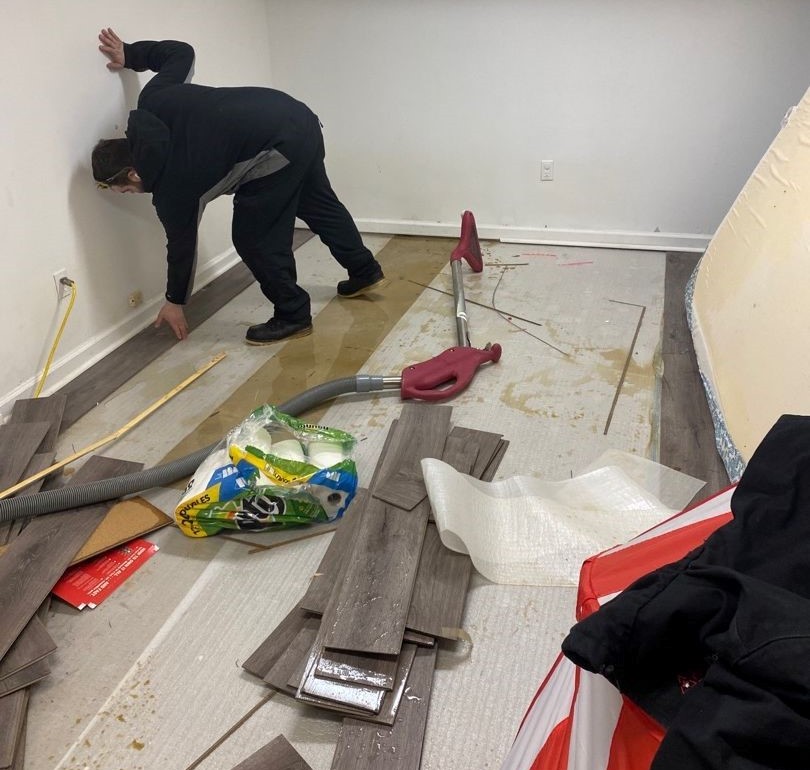
What Does a Sump Pump Do in a Columbus Home?
A sump pump sits in a basin below your basement or crawl space floor. When groundwater rises, the pump turns on and sends water out through a discharge line, away from the foundation. It keeps water from collecting around your belongings and building materials.
Columbus sits in central Ohio, where heavy spring rain, rapid snowmelt, and clay soil can keep water pressed against foundations. Neighborhoods near the Scioto and Olentangy rivers, low lying lots, and older homes with aging drainage often face more risk. A working sump pump is one of the best defenses a Columbus basement can have.
How Much Does Sump Pump Installation Cost in Columbus, Ohio?
Price depends on your home, so request a written quote after an on-site inspection. These factors drive the total:
- Pump type. Submersible pumps work inside the basin and run quietly. Pedestal pumps sit above it and are easier to reach for service.
- Basin condition. An existing pit keeps the job simple. Cutting through concrete to add a basin raises labor.
- Pump power and capacity. Bigger homes and higher water tables may need a stronger pump.
- Discharge routing. The line must carry water far from the foundation. Longer runs and yard work add cost.
- Electrical needs. A dedicated, protected outlet is best. Adding or upgrading one changes the price.
- Backup system. Battery or water powered backups protect you during storms and outages.
- Check valve and alarm. These small parts prevent backflow and warn you of high water.
- Local rules. Ask your contractor about permit or discharge requirements in your part of Franklin County.
Ask for an itemized quote that lists the pump model, basin work, discharge materials, backup system, and warranty. Compare what each quote includes, not only the final number.
What Are the Most Common Sump Pump Problems?
These issues sit behind many flooded Columbus basements:
- Power failure. Storms cause outages. Without a backup, the pump stops when water rises fastest.
- A stuck or tangled float switch. If the float jams on the basin wall or its own cord, the pump will not start, or it will not shut off.
- A clogged intake. Silt and debris block the screen and strain the motor.
- A frozen or blocked discharge line. Ohio winters can freeze water in outdoor lines. Ice, leaves, and damaged pipe keep water from leaving.
- A failed or missing check valve. Water falls back into the pit and the pump cycles again and again.
- Constant running. This can point to a high water table, a stuck float, an undersized pump, or a failing motor.
- Unusual noise. Grinding or rattling often means worn bearings or a jammed impeller.
- Old age. Pumps wear out. Replacing an aging unit before storm season is cheaper than cleaning up after a failure.
Should You Repair or Replace a Sump Pump?
Repair fits simple faults such as a stuck float, a dirty screen, a loose fitting, or a bad check valve. Replace the pump when the motor is worn, the unit is old, repairs keep coming back, or the pump cannot keep up with the water.
If the pump runs but water still builds up, look beyond the pump. Failing drain tile, leaking window wells, or foundation cracks can send more water than one pump can handle. A plumber or waterproofing contractor can identify the source.
How to Test and Maintain Your Sump Pump
A few minutes each season goes a long way:
- Pour a bucket of water into the basin. The float should rise, the pump should start, and the water should drain out.
- Listen for smooth operation. Rough sounds mean it needs service.
- Clean the intake screen and clear debris from the basin.
- Check that the discharge line is open, slopes away from the house, and ends well outside the foundation.
- Confirm the check valve works.
- Test the backup battery and replace it on schedule.
- Plug the pump directly into a protected outlet. Avoid extension cords.
Run this check before spring rains and again before winter.
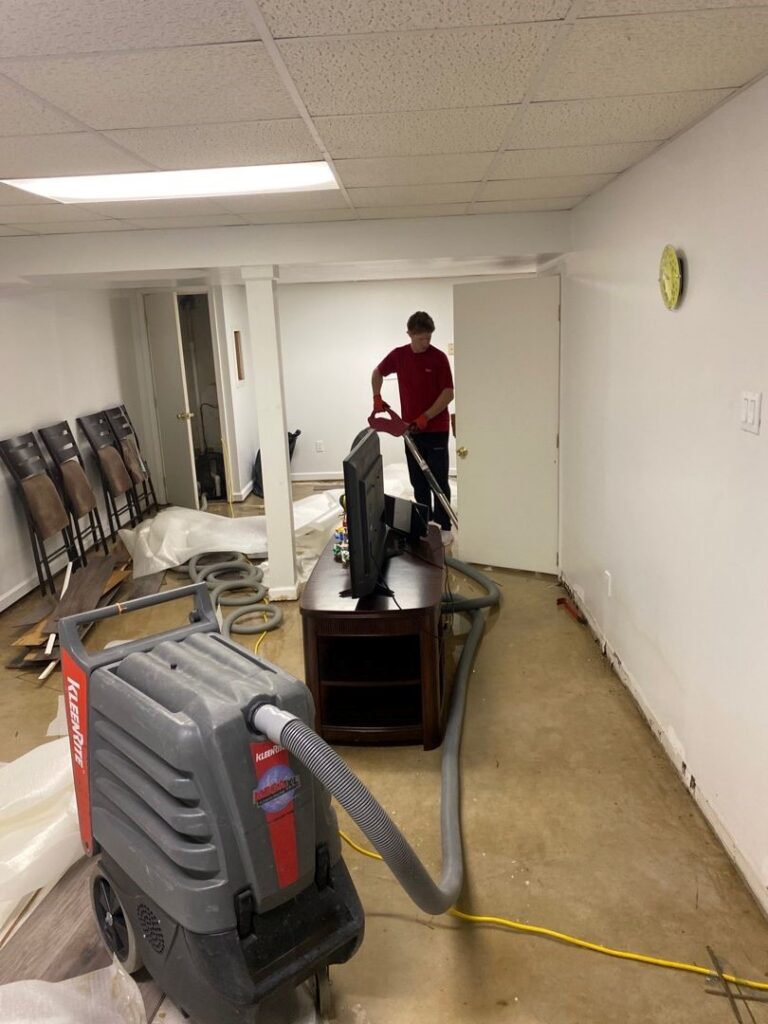
How to Prevent Basement Flooding in Columbus, OH
The pump is one layer. Add others:
- Improve grading. Soil should slope away from the foundation.
- Extend downspouts. Move roof water several feet from the house.
- Clean gutters. Overflow dumps water at the foundation wall.
- Seal foundation cracks. Small cracks leak during heavy rain.
- Maintain window wells. Keep them clear and draining.
- Raise stored items. Use shelves and plastic bins instead of floor level cardboard boxes.
- Add a water alarm. A sensor near the basin gives early notice.
- Plan for outages. Backup power keeps the pump working when the grid is down.
What to Do If Your Basement Floods Anyway
Severe storms can overwhelm even a good system. If water enters your basement:
- Put safety first. Stay out of standing water if outlets, appliances, or the electrical panel may be wet. Shut off power at the main only if you can do so without stepping in water.
- Stop the source if you can. Do this only when it is safe.
- Call a professional right away. Standing water, soaked drywall, carpet, and insulation need prompt extraction and drying.
- Document everything. Take photos and video before cleanup for your insurance claim.
- Do not let moisture linger. The IICRC S500 Standard calls for fast water removal, moisture mapping, and controlled drying to limit secondary damage and mold.
Floodwater and sewage backup may carry contaminants. Treat them as a health risk and leave cleanup to trained technicians.
Frequently Asked Questions
How long does a sump pump last?
Many pumps last around seven to ten years with regular use, though heavy use and poor maintenance can shorten that. Replace an older pump before storm season.
Why does my sump pump run constantly?
Likely causes include a stuck float, a high water table after heavy rain, a missing check valve, or an undersized pump. If it runs nonstop in dry weather, get it inspected.
Does homeowners insurance cover sump pump failure?
It depends on your policy. Many standard policies exclude flooding and groundwater, and water backup coverage is often a separate endorsement. Review your policy and talk with your agent.
Do I need a battery backup sump pump?
If your basement is finished or stores valuable items, a backup is worth considering. Storms that flood basements often cause power outages too.
Can I install a sump pump myself?
An experienced DIYer may handle a simple pump swap. New basin cutting, electrical work, and discharge routing are better left to a licensed professional.
What should I do if my Columbus basement floods?
Make the area safe, document the damage, and call a restoration company right away. Quick extraction and drying lower the damage and mold risk.
Basement Flooded? Call PuroClean Home Savers in Columbus, OH
Water in your basement cannot wait. PuroClean Home Savers provides water extraction, structural drying, and cleanup for Columbus and nearby communities.
- Call now: Call (614) 689-0012 for emergency water damage response
- Request service online: Request Service Online
- Learn more: Learn About Water Damage Restoration