 PuroClean Home Savers
 Executive Summary
Water damage restoration relies on two distinct classification systems that work together: categories and classes. Categories measure contamination levels and health risks, while classes assess moisture absorption and evaporation rates. This comprehensive guide clarifies the differences between these systems, explains how restoration professionals use both to develop effective strategies, and shares practical insights from a Columbus homeowner’s restoration experience. Understanding both classifications helps property owners communicate effectively with restoration professionals and make informed decisions about their water damage situations.
The Confusion That Cost Mark Thompson Thousands
Mark Thompson’s finished basement in Columbus flooded when his water heater failed. When he called his insurance company, they asked, “What category and class is the water damage?” Mark had no idea these were different things.
He told them it was “regular water damage,” assuming that was sufficient. The insurance adjuster visited and classified it as Category 1, Class 3 water damage. Mark understood Category 1 meant clean water, but the Class 3 designation confused him.
The restoration company removed his carpet, baseboards, and two feet of drywall around the basement perimeter. Mark was shocked. “It’s just clean water from a water heater,” he protested. “Why remove so much?”
The restoration manager explained that while the water was clean (Category 1), the concrete floor and drywall had absorbed substantial moisture (Class 3). These materials release moisture slowly, requiring extensive removal and specialized drying equipment.
Had Mark understood water damage classes from the beginning, he would have anticipated the restoration scope and better prepared for the process. His confusion led to disputes with the restoration company and delayed his insurance settlement.
What Is the Difference Between Water Damage Category and Class?
Water damage category and class serve completely different purposes in restoration planning. Categories classify water based on contamination level and health risk. Classes categorize water damage based on how much water materials absorbed and how quickly that moisture will evaporate.
Think of categories as answering “How dangerous is this water?” while classes answer “How difficult will this be to dry?” Both questions matter for developing proper restoration strategies, but they evaluate different aspects of water damage.
Restoration professionals need both classifications because contamination level doesn’t predict drying difficulty. Clean water can create extensive drying challenges, while contaminated water might affect only surface materials requiring minimal drying effort.
What Are Water Damage Categories?
Water damage categories classify water by contamination level using a three-tier system established by the Institute of Inspection, Cleaning and Restoration Certification (IICRC).
Category 1 represents clean water from sanitary sources posing no health threat. This includes water supply lines, rainwater before ground contact, and melting snow or ice.
Category 2 indicates contaminated water that could cause illness if contacted or consumed. Sources include washing machine overflows, toilet tank overflows, and dishwasher leaks.
Category 3 involves grossly contaminated water containing pathogenic agents. Sewage backups, flooding from rivers, and any water that sat long enough to support bacterial growth fall into this category.
Categories primarily determine safety protocols, protective equipment needs, and disposal requirements. They guide health-related decisions during restoration.
What Are Water Damage Classes?
Water damage classes categorize damage based on evaporation rate and material absorption using a four-tier system also established by the IICRC.
Classes measure how wet materials are and how challenging they’ll be to dry. This classification considers room contents, structural materials affected, and absorption levels. Classes directly influence drying equipment selection, drying time, and restoration scope.
What Is Class 1 Water Damage?
Class 1 represents the least difficult drying situation. Water affects only part of a room and involves materials with low absorption rates. Minimal moisture penetrated porous materials.
Typical Class 1 scenarios include small water supply line leaks affecting limited floor areas, minor appliance overflows caught quickly, or condensation affecting small surface areas.
In Class 1 situations, water primarily affects non-porous surfaces or touched porous materials minimally. Carpet might be damp but padding remains dry. Less than 5% of combined wall, ceiling, and floor surfaces absorbed water.
Class 1 damage typically dries within one to three days using basic extraction and air movement. Homeowners can sometimes handle Class 1 water damage themselves with proper equipment.
What Is Class 2 Water Damage?
Class 2 involves a significant amount of water absorption and affects an entire room. Water wicked up walls less than 24 inches, saturated carpet and padding, and affected cushioned furniture.
Common Class 2 scenarios include water heater failures affecting finished basements, washing machine supply line breaks in laundry rooms, and toilet overflows that spread across bathroom floors.
In Class 2 situations, 5% to 40% of combined surfaces absorbed water. Moisture penetrated carpet, padding, baseboards, and drywall to moderate heights. Room contents show moderate water absorption.
Class 2 damage requires three to five days for proper drying using extraction equipment, dehumidifiers, and air movers. Professional restoration is typically necessary for effective Class 2 drying.
What Is Class 3 Water Damage?
Class 3 represents the most challenging drying conditions. Water came from overhead, saturated walls and ceilings, or remained standing for extended periods. Materials absorbed maximum moisture.
Typical Class 3 scenarios include roof leaks saturating insulation and ceiling materials, supply line breaks in upper floors affecting rooms below, and sewage backups that flooded basements.
In Class 3 situations, more than 40% of combined surfaces absorbed water. Walls, ceilings, insulation, subflooring, and structural materials all contain moisture. Water may have penetrated inaccessible areas.
Class 3 damage demands five days to several weeks for complete drying. Restoration requires professional equipment including commercial dehumidifiers, air movers, and moisture tracking tools. Extensive material removal is often necessary.
What Is Class 4 Water Damage?
Class 4 involves specialty drying situations where water saturated materials with very low permeability. These materials hold water tightly and release it extremely slowly.
Class 4 scenarios include hardwood floors, concrete, plaster, stone, and brick that absorbed substantial water. Crawl spaces with saturated soil also fall into Class 4.
These materials require specialty drying equipment and techniques. Standard restoration equipment proves insufficient for Class 4 conditions. Drying times extend significantly beyond normal timelines.
Class 4 restoration often requires drying mats, injection drying systems, and specialty low-grain refrigerant dehumidifiers. Professionals may need weeks to properly dry Class 4 materials.
How Do Categories and Classes Work Together?
Categories and classes combine to create comprehensive restoration plans. The category determines safety protocols while the class guides drying strategies.
For example, Category 1, Class 3 water damage means clean water that saturated materials extensively. Restoration teams can work without hazmat protocols, but they need extensive drying equipment and material removal to address moisture absorption.
Conversely, Category 3, Class 1 water damage indicates contaminated water affecting limited materials. Teams need full protective equipment and antimicrobial treatment, but drying is relatively simple.
Understanding both classifications helps restoration professionals balance safety concerns with drying requirements. They use categories to protect workers and occupants while using classes to develop effective drying strategies.
Can You Have Category 1 Water with Class 4 Damage?
Absolutely. Category and class measure different things, so any category can combine with any class. Category 1 water from a supply line break can easily create Class 4 damage if it saturates hardwood floors or concrete.
This combination requires careful material evaluation. The water is clean, so health risks are minimal if dried quickly. However, specialty drying equipment is necessary to extract moisture from low-permeability materials.
Mark Thompson’s basement flood exemplified Category 1, Class 3 damage. His clean water from the water heater failure (Category 1) saturated concrete, drywall, and carpet extensively (Class 3). The category kept health risks low, but the class determined that extensive drying equipment and material removal were necessary.
Why Do Restoration Companies Ask About Both Category and Class?
Restoration professionals need both classifications to mobilize appropriate resources. The category tells them what safety equipment their technicians need and whether antimicrobial treatment is necessary.
The class tells them how much equipment to bring, how many technicians to assign, and approximately how long restoration will take. A Category 3, Class 1 situation needs different resources than Category 1, Class 3 damage.
These classifications also affect pricing. Category 3 damage costs more due to disposal requirements and safety protocols. Class 3 and 4 damage costs more due to extensive equipment needs and longer drying times.
How Do Insurance Companies Use Categories and Classes?
Insurance adjusters use both classifications to assess claims. Categories help them evaluate coverage since policies often treat different contamination sources differently.
Classes help adjusters estimate restoration costs and timelines. They use class designations to verify that proposed restoration scopes match damage severity.
When Mark Thompson initially told his insurance company he had “regular water damage,” they couldn’t properly evaluate his claim. Once the adjuster classified it as Category 1, Class 3, the insurance company understood the restoration scope and approved the necessary work.
What Factors Determine Water Damage Class?
Several factors influence class designation. The amount of water released affects how much materials can absorb. A small leak creates lower-class damage than a major flood.
Material types matter significantly. Porous materials like carpet, drywall, and insulation absorb more water and earn higher class ratings. Non-porous materials like tile and metal resist absorption.
Room construction influences class. Rooms with extensive porous materials rate higher classes than rooms with primarily hard surfaces. A carpeted, drywalled basement rates higher than a concrete garage.
Time matters too. Water sitting longer allows deeper absorption into materials, potentially escalating class ratings.
Can Water Damage Class Change Over Time?
Water damage class can escalate if water continues flowing or if standing water remains. Materials absorb more moisture over time, potentially moving damage from Class 1 to Class 2 or Class 3.
However, classes don’t typically decrease during active flooding. Once materials absorb moisture to certain levels, they’ve reached that class even if you remove standing water.
Class designations matter most during initial assessment. Restoration professionals classify damage based on conditions when they arrive, which determines their drying strategy.
How Do Restoration Professionals Measure Water Damage Class?
Professionals use moisture meters to measure moisture content in various materials. These tools detect moisture levels in wood, drywall, concrete, and other building materials.
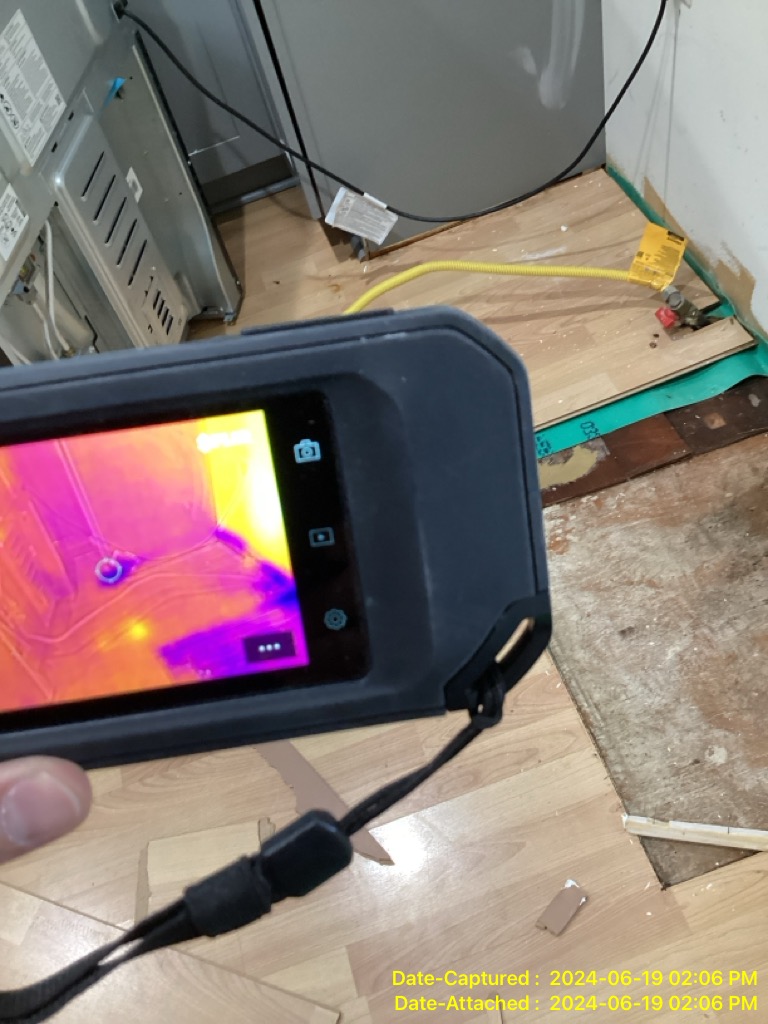
They also use thermo-hygrometers to measure air temperature and humidity. These readings help professionals understand evaporation rates and drying challenges.
Visual inspection provides additional information. Professionals assess waterlines on walls, saturation patterns in carpet, and moisture damage to contents.
Combining these measurements with knowledge of affected materials and room construction, professionals assign appropriate class designations.
What Equipment Is Needed for Different Water Damage Classes?
Class 1 damage typically requires basic extraction equipment, household-grade dehumidifiers, and fans for air circulation. Many homeowners own or can rent suitable equipment for Class 1 situations.
Class 2 damage needs commercial extraction equipment, multiple commercial-grade dehumidifiers, and numerous air movers. Professional restoration equipment exceeds consumer-grade capabilities.
Class 3 damage demands extensive professional equipment including truck-mounted extraction units, multiple large dehumidifiers, dozens of air movers, and specialty tools for moisture tracking.
Class 4 damage requires specialty equipment like drying mats that attach to floors, injection drying systems that push air through wall cavities, and low-grain refrigerant dehumidifiers designed for challenging drying conditions.
How Long Does Restoration Take for Different Classes?
Class 1 restoration typically completes within one to three days if addressed promptly. Quick extraction and basic drying handle most Class 1 situations efficiently.
Class 2 restoration generally takes three to five days. Additional moisture in materials and increased affected areas require more drying time and equipment.
Class 3 restoration usually needs five days to two weeks. Extensive moisture absorption demands longer drying periods and careful monitoring to ensure complete drying.
Class 4 restoration can extend from several weeks to over a month. Specialty materials release moisture slowly, requiring patience and persistent drying efforts.
Does Higher Class Always Mean More Expensive Restoration?
Generally, yes. Higher classes require more equipment, longer timelines, and often more material removal. These factors increase labor costs, equipment rental fees, and disposal expenses.
However, category also influences cost significantly. Category 3, Class 1 damage might cost more than Category 1, Class 2 damage due to disposal requirements and safety protocols despite lower drying challenges.
The specific materials affected also impact costs. Class 4 damage to an expensive hardwood floor costs more to restore than Class 3 damage to basic carpet.
Can I Determine My Water Damage Class Myself?
Homeowners can make educated guesses about water damage class, but professional assessment provides accuracy. Consider how much water was released, what materials it contacted, and how long it sat.
If water affected only part of one room and materials feel slightly damp, you likely have Class 1 damage. If an entire room is affected with wet carpet and moisture wicking up walls, expect Class 2 or 3.
However, hidden moisture in wall cavities, subflooring, and insulation isn’t visible without proper testing equipment. Professionals use moisture meters to detect hidden water that influences class designation.
What Questions Should I Ask About My Water Damage Classification?
When restoration professionals assess your damage, ask them to explain both the category and class. Request clarification on why they assigned specific classifications.
Ask how the classifications influence their restoration approach. Understanding the connection between classifications and restoration strategies helps you evaluate their proposed work.
Inquire about documentation. Professional restoration companies should document category and class in written estimates and reports for insurance purposes.
Request explanations of how classifications affect restoration timeline and costs. This information helps you plan for displacement and budget appropriately.
How Do Categories and Classes Affect Material Removal Decisions?
Categories primarily determine disposal requirements. Category 3 water mandates disposal of all porous materials it contacted. Category 1 and 2 water allow more discretion.
Classes influence removal decisions based on drying feasibility. Class 3 and 4 damage often requires material removal because drying in place proves impractical or impossible.
For example, Category 1, Class 3 damage might require drywall removal not because the water is contaminated but because the drywall absorbed too much moisture to dry effectively before mold develops.
Category 3, Class 1 damage requires material removal due to contamination regardless of how easily it might dry.
Real Story Lesson: What Mark Learned About Classifications
Mark Thompson’s water damage experience taught him that restoration isn’t one-size-fits-all. Understanding both category and class helped him appreciate why extensive restoration was necessary despite clean water.
His Category 1 classification meant health risks were minimal, but his Class 3 designation explained why restoration required significant material removal and professional equipment. The concrete floor, saturated drywall, and soaked carpet couldn’t dry adequately without aggressive intervention.
Mark now recommends that friends experiencing water damage ask restoration companies to explain both classifications upfront. This understanding prevented disputes with his insurance company and helped him set realistic expectations for restoration scope and timeline.
His total restoration cost exceeded $8,000, but insurance covered most expenses because the claim documentation clearly outlined Category 1, Class 3 conditions and corresponding restoration requirements.
Living in Columbus or Central Ohio?
If you’re experiencing water damage in Columbus or throughout central Ohio, professional assessment of your water damage category and class provides the foundation for effective restoration. These classifications aren’t bureaucratic paperwork, they’re practical tools that guide restoration strategies and protect your property.
PuroClean Home Savers serves Columbus and surrounding communities with experienced technicians who accurately assess both water damage categories and classes. Their professionals explain classifications in plain language and develop restoration plans that address both contamination concerns and drying challenges.
Whether you’re dealing with a burst pipe, appliance failure, or storm damage, proper classification ensures appropriate restoration response.
Frequently Asked Questions
What happens if water damage is misclassified?
Misclassification leads to inadequate restoration approaches. Underestimating category creates health risks by skipping necessary safety protocols or antimicrobial treatments. Underestimating class results in insufficient drying, leading to mold growth and structural damage. Professional assessment prevents misclassification and ensures appropriate restoration.
Can water damage be multiple classes at once?
Yes, different areas within the same water damage event can represent different classes. An upstairs bathroom overflow might create Class 3 damage in the bathroom (saturated materials) but only Class 1 damage in the downstairs room below (minor ceiling discoloration). Professionals assess each affected area independently.
How do restoration companies document category and class?
Professional restoration companies use detailed assessment forms that record moisture readings, affected materials, water sources, and contamination indicators. They photograph and video document conditions, create moisture maps showing wet areas, and provide written reports classifying category and class with supporting evidence.
Will my insurance require professional classification?
Most insurance companies prefer or require professional assessment of category and class. These classifications provide objective damage evaluation that supports claim validity. Professional documentation reduces disputes and speeds claim processing. Self-assessment often lacks credibility for insurance purposes.
Can I dispute a restoration company’s category or class designation?
You can request explanation and supporting evidence for classifications. Reputable companies explain their assessment methods and show moisture meter readings supporting class designations. If you doubt their assessment, you can request a second opinion from another certified restoration company or an independent assessment from a certified inspector.
Does the same category always mean the same restoration approach?
No, because class significantly influences restoration approach. Category 1, Class 1 damage requires minimal intervention while Category 1, Class 4 damage needs extensive specialty drying. Category determines safety protocols but class determines drying strategy, equipment, and timeline.
Conclusion
Water damage category and class aren’t interchangeable terms. Categories measure contamination and health risks while classes assess moisture absorption and drying difficulty. Both classifications are essential for developing effective restoration strategies that protect health and properly dry buildings.
Understanding these distinctions helps property owners communicate effectively with restoration professionals, set appropriate expectations, and navigate insurance claims successfully. Mark Thompson’s experience demonstrates how classification knowledge prevents confusion and facilitates smoother restoration.
When water invades your Columbus-area property, don’t let classification confusion complicate your restoration. Call PuroClean Home Savers at (614) 689-0012 for immediate professional assessment. Their certified technicians accurately determine both category and class, explain how these classifications affect your specific situation, and implement appropriate restoration strategies 24/7.


 PuroClean Home Savers