 PuroClean Home Savers
 Executive Summary
Water damage affects thousands of Columbus homes annually, with costs ranging from $2,500 to $50,000 depending on response speed and damage extent. This handbook provides Columbus homeowners with actionable guidance on preventing water damage, responding effectively when it occurs, and selecting qualified restoration professionals. Learn about Ohio-specific challenges including basement flooding, winter freeze risks, and storm-related damage common to central Ohio’s climate.
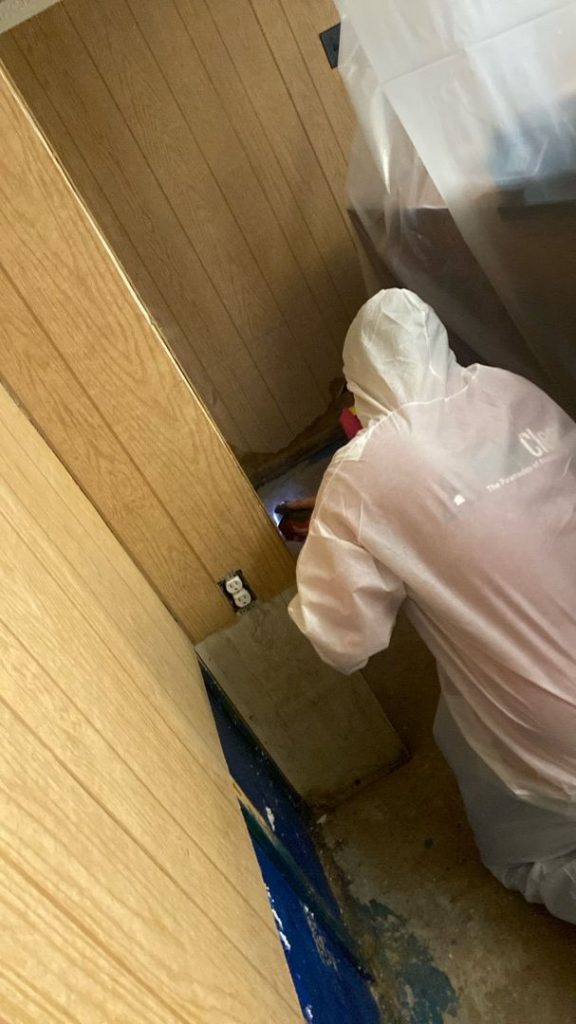
When Columbus Flooding Turned a Dream Home Into a Nightmare
Sarah and Tom Chen bought their dream home in Clintonville in spring 2024. The charming 1950s home sat just three blocks from the Olentangy River, with mature trees and a finished basement perfect for their home office and kids’ playroom.
Their real estate agent mentioned the basement had flooded “once or twice over the years” but assured them it was not a regular problem. The Chens purchased standard homeowners insurance without flood coverage, thinking the river was far enough away.
In August 2024, Columbus experienced a record rainfall event. Within six hours, four inches of rain overwhelmed storm drains throughout the area. The Olentangy rose rapidly. By midnight, water was seeping through the Chen’s basement walls. By 2:00 AM, they had three feet of standing water containing sewage backup from the overwhelmed city system.
The Chens called their insurance company first thing in the morning, only to learn their policy excluded flood damage. Their standard coverage did not apply to external water sources. The restoration, cleanup, and rebuilding cost them $45,000 out of pocket.
The painful lessons? Understand your flood risk even blocks from rivers. Purchase appropriate insurance coverage. Know the difference between water damage and flood damage for insurance purposes. Have emergency contacts ready before disaster strikes.
What should I do in the first hour after discovering water in my home?
The initial 60 minutes after discovering water damage determine whether you face minor repairs or major reconstruction.
Ensure everyone’s safety first. If water is near electrical outlets, appliances, or your electrical panel, do not enter the area. Turn off electricity at the main breaker if you can do so safely from a dry location. Never walk through standing water when electricity is present.
Stop the water at its source if possible. For burst pipes, shut off your main water valve immediately. Most Columbus homes have the main valve near the water meter or where the service line enters the house. For appliance leaks, turn off the water supply to that specific appliance. During flooding, you cannot stop external water, so focus on protection and documentation.
Contact a water damage restoration company immediately. Professional response within the first few hours dramatically reduces total damage and costs. Do not wait until morning if damage occurs overnight. Companies like PuroClean Home Savers operate 24-hour emergency services specifically because water damage cannot wait.
Document everything with photos and video. Before moving anything or starting cleanup, thoroughly document all damage with your smartphone. Take wide shots showing room overview and close-ups of specific damage. This documentation is critical for insurance claims.
Begin removing valuable items from affected areas. If safe to access, move furniture, electronics, important documents, and personal items to dry areas. Place aluminum foil or wood blocks under furniture legs to prevent staining if items must remain in damp areas temporarily.
Call your insurance company. Most policies require notification within 24 to 48 hours. Even if you plan to use a restoration company that handles insurance billing, you should make initial contact with your insurer.
How quickly can water damage lead to serious problems in Columbus homes?
Ohio’s humidity and temperature fluctuations accelerate water damage progression compared to drier climates.
Minutes to hours: Immediate absorption. Water immediately begins absorbing into porous materials like drywall, insulation, carpet, and wood. In many Columbus homes with older construction, plaster walls absorb water particularly quickly. Every minute of exposure increases the restoration difficulty.
4 to 24 hours: Spreading and swelling. Water spreads horizontally and vertically through building materials. Wood flooring begins swelling and warping. Drywall starts losing structural integrity. Furniture finishes may begin showing damage. Metal components start the corrosion process.
24 to 48 hours: Mold begins colonizing. Columbus’s humidity, especially during summer months, creates ideal mold conditions. Microscopic mold spores present in all homes begin growing on damp surfaces. You may notice musty odors before seeing visible mold. This is the critical window where professional intervention prevents mold from becoming a separate remediation project.
3 to 7 days: Visible contamination and structural concerns. Mold appears as discolored patches on walls, ceilings, and belongings. Continued moisture exposure compromises structural elements. Hardwood flooring may be beyond repair. Contamination concerns increase significantly if the water source was category 2 (gray water) or category 3 (black water).
1 to 4 weeks: Severe damage requiring major reconstruction. Extended exposure leads to structural failure of drywall, ceiling collapse potential, extensive mold requiring professional remediation, and possible health impacts for occupants. What could have been a $5,000 restoration becomes a $30,000 to $50,000 reconstruction project.
Columbus’s specific climate challenges include high summer humidity that slows evaporation, winter freeze-thaw cycles that can cause secondary damage, and spring rainy seasons that often cause multiple moisture events in succession before homes fully dry.
Should I try to handle water cleanup myself or hire professionals?
This question depends on damage extent, water type, and your realistic assessment of available time and equipment.
Very small clean water incidents might be DIY-appropriate. If a small amount of clean water from a supply line spilled on a tile or linoleum floor in one small area, and you can completely dry everything within 12 hours using fans and dehumidifiers, you might handle it yourself. This represents less than 10% of water damage scenarios.
Most water damage requires professional restoration. Here’s why professionals are necessary for typical water damage situations:
Hidden moisture detection requires specialized equipment. Water travels through wall cavities, behind baseboards, under flooring, and into structural spaces you cannot see. Professionals use thermal imaging cameras and moisture meters to locate all affected areas. Missing hidden moisture guarantees mold growth and potential structural damage.

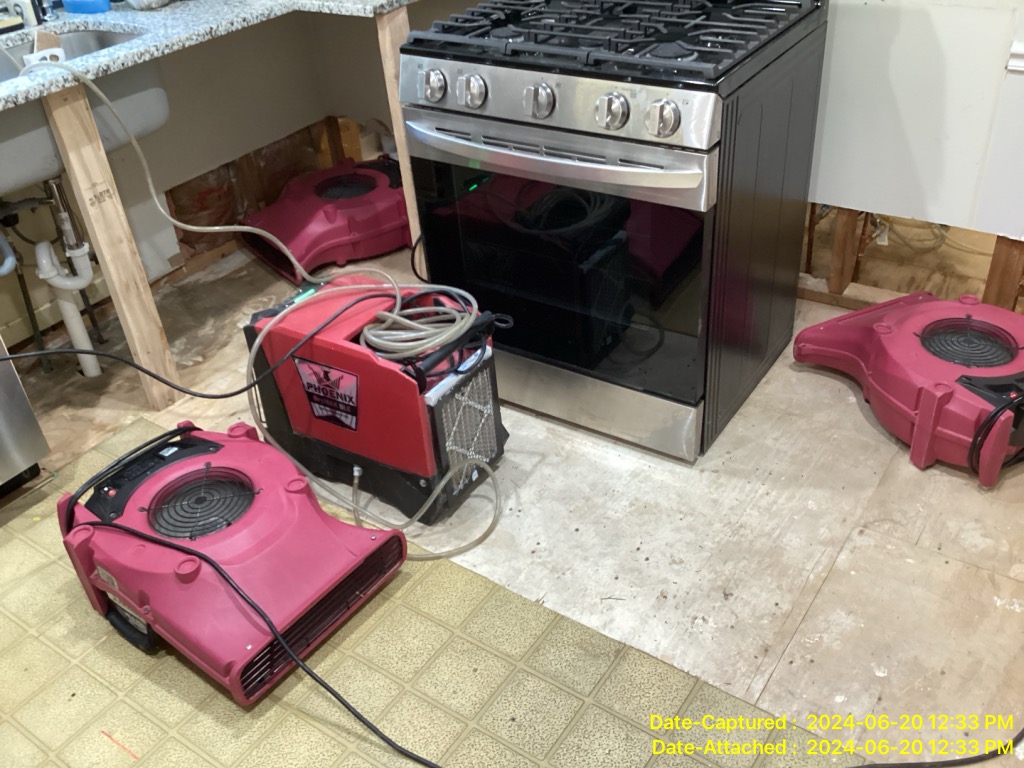
Proper drying requires commercial equipment. Household fans and small dehumidifiers cannot generate the air movement and moisture removal needed for thorough drying. Professional restoration uses industrial air movers, commercial dehumidifiers, and sometimes specialty drying systems for hardwood floors or structural cavities.
Category 2 and 3 water contain contaminants. Gray water from washing machines, dishwashers, or sump pump failures contains bacteria and chemicals. Black water from sewage or flooding contains dangerous pathogens. DIY cleanup exposes your family to serious health risks without proper safety equipment and protocols.
Insurance claims benefit from professional documentation. Restoration companies provide detailed moisture readings, drying logs, and photo documentation that support insurance claims. DIY attempts often lack this documentation, potentially compromising claim approval.
Incomplete drying voids future claims. If you attempt DIY restoration but do not completely dry all materials, subsequent mold growth may not be covered by insurance. The carrier can argue the mold resulted from inadequate mitigation rather than the original water event.
For Columbus homeowners, the investment in professional restoration typically pays for itself through faster drying, better insurance claim outcomes, and prevention of secondary damage that would cost far more to address later.
What does the water damage restoration process look like from start to finish?
Understanding the professional restoration process helps you know what to expect and how to evaluate restoration companies.
Emergency call and rapid response (Within 1 to 2 hours). When you contact PuroClean Home Savers at (614) 689-0012, a trained project manager responds quickly to assess your situation. They ask questions about the water source, how long water has been present, and what areas are affected to prepare appropriate equipment.
Initial inspection and damage assessment (Hours 1 to 3). Upon arrival, technicians perform a detailed inspection using moisture meters and thermal imaging. They identify all affected areas, including hidden moisture. They classify the water category (clean, gray, or black) and determine the appropriate restoration class based on absorption rates of affected materials.
Water extraction (Hours 1 to 4). Powerful extraction equipment removes standing water. Truck-mounted extractors provide maximum suction for large water volumes. Portable extractors access smaller spaces and upper floors. The goal is removing as much water as possible before beginning the drying phase.
Debris and content removal (Hours 2 to 6). Unsalvageable materials that could spread contamination or prevent proper drying get removed. This might include saturated carpet padding, damaged drywall, or compromised insulation. Salvageable contents are moved to dry areas or pack-out facilities for cleaning and storage.
Drying setup and initial treatment (Hours 4 to 8). Industrial air movers and commercial dehumidifiers are strategically placed to maximize air circulation and moisture removal. Antimicrobial treatments are applied to prevent microbial growth. In some cases, specialty drying systems for hardwood floors or drying chambers for contents are established.
Daily monitoring and adjustment (Days 1 to 7). Technicians return daily to record moisture readings in floors, walls, and other affected materials. They adjust equipment placement and settings based on drying progress. This data creates documentation for insurance purposes and ensures thorough drying.
Final inspection and clearance (Days 3 to 10). Once all materials reach acceptable moisture levels verified by meter readings, equipment is removed. A final inspection ensures no hidden moisture remains and all affected areas are properly dried. Documentation packages are provided for insurance claims.
Reconstruction coordination (Timeline varies). If your restoration required removal of drywall, flooring, or other building materials, the restoration company either performs rebuilding themselves or coordinates with contractors to return your home to pre-loss condition.
Most Columbus-area water damage restoration projects take four to seven days for the drying phase, though extensive damage or difficult drying conditions can extend timelines to two weeks.
How much should I expect to pay for water damage restoration in Columbus?
Water damage restoration costs vary significantly based on damage scope, water category, affected materials, and response timing.
Small, contained damage: $1,200 to $4,500. Clean water affecting a single room or small area with immediate professional response typically falls in this range. This includes emergency extraction, drying equipment rental for three to five days, daily monitoring, and antimicrobial treatment.
Moderate, multi-room damage: $4,500 to $15,000. Water affecting multiple rooms, requiring flooring or drywall removal, or involving category 2 water increases costs. This level often includes both restoration and some reconstruction work.
Extensive whole-home or contaminated water: $15,000 to $50,000 plus. Severe flooding, sewage backup throughout the home, or delayed response requiring mold remediation falls into this range. Costs include extensive reconstruction, specialty cleaning of contents, and possible temporary housing expenses.
Specific cost factors for Columbus homes:
Age and construction type matter. Older Columbus homes with plaster walls, hardwood floors throughout, and basement finishing require more intensive restoration than newer homes with drywall and vinyl flooring.
Water category significantly impacts cost. Clean water (category 1) costs less to restore than contaminated gray or black water requiring additional safety protocols, disposal fees, and disinfection procedures.
Timing changes everything. Immediate professional response can reduce total costs by 50% or more compared to delayed response that allows mold growth and structural damage.
Basement finishing affects costs. Columbus homes often have finished basements. Water damage to finished basements costs substantially more to restore than unfinished storage basements.
Insurance coverage typically helps. Most homeowners insurance policies cover sudden and accidental water damage after your deductible. Working with restoration companies experienced in insurance claims helps maximize coverage and minimize out-of-pocket expenses.
Will my insurance cover water damage restoration in my Columbus home?
Insurance coverage for water damage depends on the cause, your policy specifics, and how quickly you respond.
Covered situations typically include:
Sudden pipe bursts from freezing, age, or accidental damage. Appliance malfunctions causing unexpected water release. Roof leaks resulting from storm damage. Accidental overflow from plumbing fixtures. HVAC system failures releasing water.
Excluded situations typically include:
Flood damage from external water sources requiring separate flood insurance. Gradual leaks or seepage resulting from poor maintenance. Groundwater seepage through foundation walls or floors. Sewer backup without specific additional coverage. Damage from neglected repairs or deferred maintenance.
Columbus-specific insurance considerations:
Flood insurance is essential near rivers. If your home is within the 100-year floodplain of the Scioto or Olentangy rivers, or near smaller creeks like Alum Creek, standard homeowners insurance will not cover external flooding. Separate flood insurance through the National Flood Insurance Program or private carriers is necessary.
Sewer backup coverage is a valuable add-on. Columbus’s combined sewer system can back up during heavy rain events, sending sewage into homes. This requires specific sewer backup coverage, usually available as a relatively inexpensive policy endorsement.
Sump pump failure coverage may be separate. Many policies exclude or limit coverage for water damage resulting from sump pump failure. You may need to specifically add or verify this coverage.
How to maximize insurance claim success:
Document damage immediately with photos and video before any cleanup begins. This evidence is crucial for claim approval.
Contact your insurance company within 24 hours of discovery. Most policies require prompt notification, and delays can complicate claims.
Take reasonable steps to prevent further damage. Your policy requires you to protect the property, but save receipts for any emergency expenses like tarps or water extraction equipment rental.
Work with restoration companies experienced in insurance claims. PuroClean Home Savers handles insurance documentation daily and can communicate directly with adjusters, often streamlining the claims process significantly.
Keep detailed records of all communication with your insurer, including claim numbers, adjuster names, and conversation dates.
Understand your deductible and coverage limits. Most policies have deductibles of $500 to $2,500, with coverage up to your dwelling limit.
What should I ask when choosing a water damage restoration company in Columbus?
Selecting the right restoration company affects both restoration quality and your overall experience during a stressful time.
Are you licensed and insured for restoration work in Ohio? Verify the company carries proper liability insurance and workers’ compensation. Ohio does not require specific licensing for restoration work, but reputable companies carry industry certifications and comprehensive insurance.
Do your technicians have IICRC certification? The Institute of Inspection, Cleaning and Restoration Certification sets industry standards. IICRC-certified technicians have formal training in water damage restoration, structural drying, and applied microbial remediation.
Can you respond 24/7 to emergencies? Water damage does not respect business hours. Companies offering true 24-hour emergency response, not just answering services, provide the rapid response that minimizes damage.
Do you work directly with insurance companies? Experienced restoration companies handle insurance claims daily and understand documentation requirements. Many can bill your insurance directly, minimizing your out-of-pocket expenses to just your deductible.
What equipment and technology do you use? Professional companies use commercial extraction equipment, industrial dehumidifiers, high-velocity air movers, moisture detection meters, and thermal imaging cameras. Ask to see their equipment truck or photos of their equipment inventory.
Can you provide references from recent Columbus-area projects? Reputable companies readily share references from local customers who experienced similar situations. Local references are particularly valuable because they understand Columbus-specific challenges.
Do you offer complete restoration including reconstruction? Some companies only handle the water extraction and drying phases, requiring you to hire separate contractors for rebuilding. Full-service companies manage the entire process from emergency response through final reconstruction.
How do you protect my belongings during restoration? Ask about their contents handling procedures, whether they offer pack-out and storage services, and how they protect items that remain in the home during the drying process.
What is your typical response time? For water damage, response within 90 minutes to 2 hours is ideal. Companies serving the Columbus area specifically should be able to respond quickly to most neighborhoods.
Do you offer any guarantees on your work? Professional companies stand behind their work with satisfaction guarantees and warranties on restoration services.
PuroClean Home Savers serves the Columbus area with IICRC-certified technicians, comprehensive equipment, direct insurance billing capabilities, and complete restoration services from emergency response through reconstruction.
How can I prevent water damage before it happens in my Columbus home?
Prevention is always more cost-effective than restoration. Columbus homeowners face specific risks worth addressing proactively.
Winterize your home properly each fall. Columbus winters bring freeze-thaw cycles threatening exposed pipes. Disconnect and drain outdoor hoses. Insulate pipes in unheated areas like garages, attics, and crawl spaces. During extreme cold events, let faucets drip overnight and open cabinet doors under sinks to allow warm air circulation around pipes.
Maintain your sump pump system religiously. Many Columbus homes rely on sump pumps to manage groundwater and prevent basement flooding. Test your pump quarterly by pouring water into the pit to ensure it activates. Install a battery backup system for power outages, common during severe storms. Consider a water-powered backup pump for additional protection. Replace pumps every seven to ten years before failure occurs.
Address foundation and grading issues promptly. Central Ohio’s clay soil expands when wet and contracts when dry, creating foundation stress and potential cracks. Ensure soil grades away from your foundation with at least a six-inch drop over ten feet. Seal foundation cracks promptly. Extend downspouts at least six feet from the foundation.
Inspect and maintain your roof regularly. Columbus’s weather extremes stress roofing materials. Inspect your roof twice yearly for missing or damaged shingles, deteriorated flashing around chimneys and vents, and signs of wear around roof penetrations. Clean gutters in spring and fall to prevent ice dams in winter and overflow during spring rains.
Replace aging plumbing components before they fail. Many Columbus homes, especially in neighborhoods like German Village, Clintonville, and Victorian Village, have older plumbing systems. Replace supply line hoses to washing machines every five years. Consider replacing your water heater before it reaches ten to twelve years old. Inspect pipes annually for corrosion, especially if your home has galvanized steel pipes common in pre-1960 construction.
Install water detection devices strategically. Smart water sensors near water heaters, under sinks, by washing machines, and in basements alert you to leaks before major damage occurs. Many connect to smartphone apps allowing remote monitoring when you travel. Some advanced systems automatically shut off your main water supply when leaks are detected.
Know your flood risk and act accordingly. Visit FEMA’s Flood Map Service Center to determine if your home is in a flood zone. Even if you are not in a designated flood zone, consider flood insurance if you live near the Scioto River, Olentangy River, Alum Creek, or Big Walnut Creek. Properties near these waterways face increased risk during heavy rain events.
Maintain trees near your home. Columbus’s beautiful tree-lined neighborhoods come with risks during storms. Tree roots can infiltrate and damage sewer lines. Falling branches during ice storms can damage roofs. Have trees professionally inspected and trimmed every few years, especially mature trees within falling distance of your home.
Service HVAC systems annually. Air conditioning condensate lines can clog and overflow, causing water damage. Annual HVAC maintenance includes checking drain lines and ensuring proper function. Consider installing overflow sensors on drip pans.
What are the most common causes of water damage in Columbus homes?
Understanding common causes helps Columbus homeowners identify vulnerabilities in their specific properties.
Basement flooding from external sources. Columbus receives approximately 40 inches of rainfall annually, with spring and summer seeing the heaviest precipitation. Heavy rain events overwhelm storm drains and can cause surface water intrusion. Properties near rivers and creeks face additional flooding risk during rapid snowmelt or sustained rain events. Older neighborhoods with combined sewer systems may experience sewage backup during heavy rain.
Frozen and burst pipes during winter. Columbus winters regularly see temperatures below freezing, creating pipe burst risks. Pipes in unheated garages, exterior walls, attics, and crawl spaces are particularly vulnerable. Even brief cold snaps can cause problems if pipes lack proper insulation. Power outages during ice storms compound the problem as heating systems fail.
Sump pump failures. Many Columbus homes, especially those built after 1970, include basement sump pumps to manage groundwater. Pumps fail due to age, power outages, overwhelming water volume during extreme weather, or mechanical problems. When pumps fail, basements can flood within hours.
Aging plumbing systems. Columbus has many historic homes with plumbing systems decades old. Galvanized steel pipes corrode from the inside out. Copper pipes can develop pinhole leaks. Connection points and valves become brittle with age. Water heaters reach the end of their lifespan and fail, releasing 40 to 80 gallons of water.
Appliance malfunctions and supply line failures. Washing machine hoses burst without warning, especially rubber hoses more than five years old. Dishwasher connections loosen or fail. Refrigerator water lines crack. Hot water heater supply lines corrode. These failures often occur when homeowners are away, allowing water to run for hours or days.
Roof leaks from storm damage and aging materials. Columbus experiences severe thunderstorms, high winds, and occasional tornadoes that damage roofing materials. Winter ice dams cause water to back up under shingles. Aging roofs lose effectiveness, especially if past their expected 20 to 30 year lifespan.
HVAC condensate problems. Air conditioning systems produce condensation that must drain properly. Clogged drain lines cause overflow. Improperly installed systems may not drain correctly. Frozen coils can create large water releases when they thaw.
Toilet overflow and supply line failures. Toilet clogs combined with continued flushing cause overflow. Fill valve failures can flood bathrooms. Supply line connections corrode and fail, especially in older homes.
What if I discover water damage in my finished basement?
Finished basements are extremely common in Columbus homes and present unique restoration challenges.
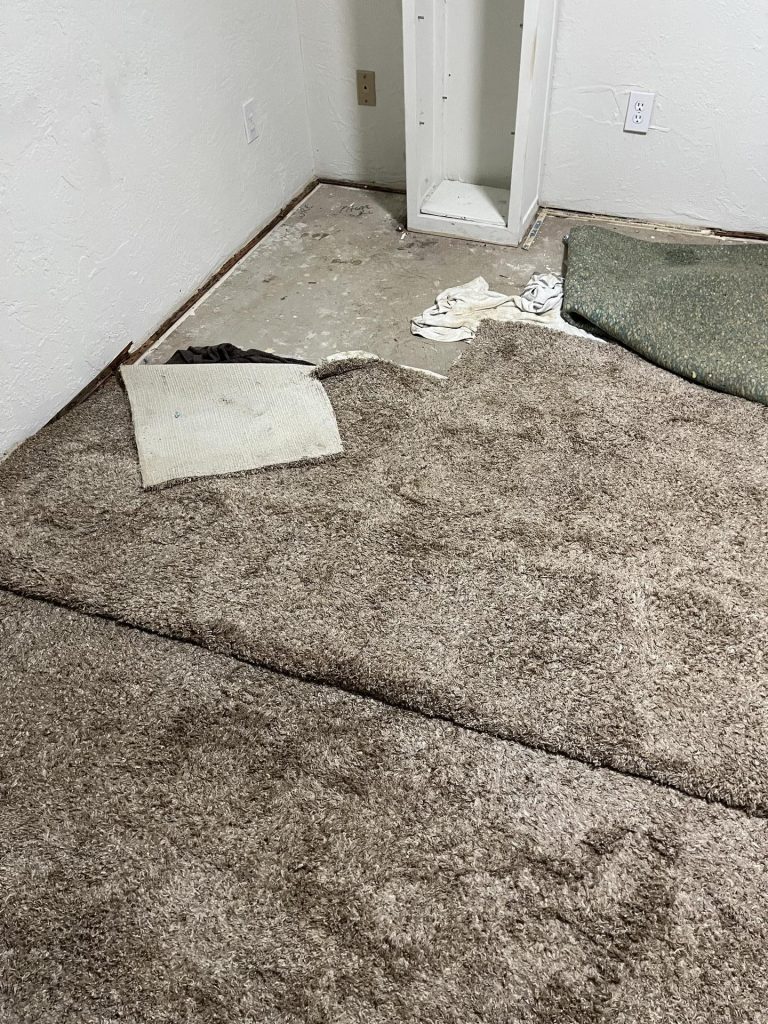
Finished basements require more extensive restoration than unfinished spaces. Water-damaged drywall must be removed at least 12 to 24 inches above the water line because wicking pulls moisture upward through the material. Carpet and padding almost always require complete removal after any significant water exposure. Insulation in exterior walls holds moisture and must be removed if saturated.
Contents and furniture complicate the restoration process. Finished basements typically contain furniture, electronics, stored items, and sometimes expensive features like home theaters or wet bars. All contents must be moved for proper drying. Porous items like upholstered furniture may be difficult or impossible to fully restore, especially with category 2 or 3 water.
Hidden moisture behind finished walls creates mold risks. Water entering through foundation walls or floor cracks travels behind finished walls where you cannot see it. Without proper detection equipment and access, this hidden moisture creates perfect conditions for mold growth. Restoration companies must sometimes remove sections of drywall to access and dry these spaces.
Electrical systems require professional attention. Finished basements include electrical outlets, lighting, and sometimes subpanels. Water exposure creates shock hazards and may damage electrical components requiring electrician evaluation before power restoration.
Professional restoration for finished basements includes:
Complete water extraction using truck-mounted or portable equipment. Removal of all saturated porous materials including carpet, padding, and affected drywall. Inspection of wall cavities using thermal imaging to detect hidden moisture. Strategic placement of air movers and dehumidifiers to dry structural elements. Contents manipulation including moving savable items to dry areas or pack-out facilities. Antimicrobial treatment of all affected surfaces. Daily monitoring with moisture meters until all materials reach acceptable dryness levels. Coordination of reconstruction including drywall replacement, painting, flooring installation, and trim work.
Prevention strategies for finished basements:
Install a quality sump pump system with battery backup. Apply waterproof coatings to foundation walls before finishing. Use mold-resistant drywall products designed for below-grade applications. Keep valuable or irreplaceable items on upper floors rather than basements. Consider installing water sensors that alert you to moisture before damage becomes extensive.
How do I handle water damage from sewage backup?
Sewage backup is particularly problematic in Columbus due to the combined sewer system in older neighborhoods.
Sewage water is category 3 (black water) requiring specialized handling. This water contains dangerous pathogens including bacteria, viruses, and parasites. Professional restoration with proper safety equipment and protocols is not optional for sewage situations.
Do not attempt to clean sewage backup yourself. Exposure risks include hepatitis, E. coli, salmonella, and numerous other diseases. Professional technicians use personal protective equipment including respirators, waterproof suits, and gloves. They follow strict decontamination protocols.
Immediate professional response is critical for sewage situations. Every hour sewage remains in your home increases contamination spread and health risks. Porous materials like carpet, padding, and drywall that contact sewage typically cannot be salvaged and require disposal following hazardous waste protocols.
Professional sewage cleanup includes:
Complete water extraction using dedicated equipment that will not be used in clean water situations. Removal and proper disposal of all contaminated porous materials. HEPA vacuuming of all surfaces. Application of EPA-registered disinfectants to all affected surfaces. Structural drying with air filtration. Final antimicrobial treatment. Air quality testing in some cases to verify safe occupancy.
Insurance coverage for sewage backup requires specific endorsement. Standard homeowners policies typically exclude sewer backup unless you purchase additional coverage. This endorsement is relatively inexpensive and highly recommended for Columbus homeowners, especially in older neighborhoods with combined sewer systems.
Prevention strategies include:
Install backwater valves on sewer lines to prevent backup into your home. Have sewer lines inspected and cleaned every few years, especially in older homes. Avoid planting trees near sewer lines as roots can infiltrate and block pipes. Never flush anything except toilet paper and human waste. Consider sump pump systems with dedicated discharge lines separate from sewer systems.
What should I know about water damage and mold in Columbus homes?
Columbus’s climate creates favorable conditions for mold growth following water damage.
Mold begins growing within 24 to 48 hours after water exposure. Ohio’s humidity, especially during summer months when humidity regularly exceeds 70%, accelerates mold colonization. Even winter moisture events can lead to mold if indoor heating creates temperature differentials that slow drying.
Health impacts vary by individual. Some people experience no symptoms from mold exposure while others develop respiratory irritation, allergic reactions, headaches, or fatigue. People with asthma, allergies, or compromised immune systems face greater risks. Children and elderly individuals are also more vulnerable.
Professional water damage restoration prevents mold. Rapid response with proper drying equipment eliminates moisture before mold colonizes. This is far less expensive and disruptive than addressing mold growth after it establishes. Restoration companies apply antimicrobial treatments as prevention during the drying process.
If mold appears, professional remediation is necessary. Once visible mold growth appears, the problem has progressed beyond simple cleaning. Mold remediation follows different protocols than water damage restoration, including containment to prevent spore spread, HEPA filtration, removal of contaminated materials, and specialized cleaning of affected areas.
Ohio law requires mold remediation contractors to be licensed. If your water damage leads to mold requiring remediation, ensure any company you hire holds proper Ohio mold remediation licensing. Many full-service restoration companies like PuroClean Home Savers hold both water damage restoration capabilities and mold remediation licensing.
Prevention remains the best approach. Addressing water damage within the first 24 hours with professional restoration prevents mold from becoming a separate, more expensive problem requiring additional specialized remediation.
Frequently Asked Questions
How long does water damage restoration typically take in Columbus homes?
Most water damage restoration projects in Columbus take four to seven days for the drying phase, though timelines vary based on damage extent, materials affected, and weather conditions. Small, contained damage with immediate response may complete in 48 to 72 hours. Extensive flooding or delayed response requiring mold remediation can extend restoration to two or three weeks. Reconstruction after drying adds additional time depending on the scope of rebuilding needed.
Can I stay in my home during water damage restoration?
Many homeowners remain in their homes during restoration, especially when damage is contained to specific areas like basements or single rooms. However, if restoration involves category 3 water (sewage), affects multiple living areas, or requires extensive demolition, temporary housing may be necessary. Restoration equipment including air movers and dehumidifiers creates noise and air circulation that some families find disruptive. Your restoration company advises on safety and practicality for your specific situation.
What is the difference between water damage and flood damage for insurance purposes?
Water damage typically refers to internal water sources like plumbing failures, appliance leaks, or roof leaks, usually covered by standard homeowners insurance. Flood damage involves external water sources like rivers overflowing, surface water intrusion, or groundwater seepage, requiring separate flood insurance through FEMA’s National Flood Insurance Program or private carriers. This distinction critically affects coverage and claims.
Should I be concerned about water damage even if it seems minor?
Yes, seemingly minor water intrusion can cause serious problems. Water spreads through wall cavities, under flooring, and into structural spaces where you cannot see it. Small leaks that persist over time cause extensive damage. Even brief water exposure can lead to mold growth if materials do not dry completely within 48 hours. Professional assessment using moisture detection equipment reveals the true extent of damage beyond what is visible.
Do I need flood insurance if I do not live directly next to a river?
Flood insurance is valuable even outside high-risk zones. Properties blocks from rivers can flood during extreme rain events. Low-lying areas and properties near any creek or drainage channel face flood risk. Columbus’s clay soil prevents rapid water absorption, increasing surface flooding risk anywhere during heavy rain. Flood insurance is relatively inexpensive outside high-risk zones and provides important protection against a devastating financial loss.
What should I do if water damage occurs while I am on vacation?
Contact a restoration company immediately upon discovery, even if you cannot return home right away. Many restoration companies can coordinate access with neighbors or spare key holders. The longer water sits, the more damage occurs, so waiting until you return home is not advisable. Contact your insurance company promptly as well, as policies typically require notification within 24 to 48 hours of discovery.
Conclusion
Water damage is one of the most common and financially devastating problems Columbus homeowners face, but understanding prevention strategies, rapid response protocols, and restoration processes dramatically reduces both damage extent and costs.
The Chen family’s experience demonstrates the importance of understanding your specific flood risk, obtaining appropriate insurance coverage, and having emergency contacts established before disaster strikes. Their $45,000 uninsured loss could have been largely covered with a relatively inexpensive flood insurance policy.
For Columbus residents, the combination of river proximity, heavy spring rains, winter freeze-thaw cycles, and aging home infrastructure creates multiple water damage risk vectors. Proactive maintenance, strategic upgrades, and rapid professional response when problems occur protect your home investment and your family’s health and safety.
Whether you currently face water damage or want to prepare for potential future issues, having accurate information and trusted professional resources provides peace of mind. Regular home maintenance, appropriate insurance coverage, and immediate action during emergencies create the best possible outcomes.
If you are experiencing water damage in Columbus, Ohio or surrounding areas, contact PuroClean Home Savers immediately at (614) 689-0012 for 24/7 emergency response. Professional intervention within the first few hours makes the difference between minor restoration and major reconstruction.


 PuroClean Home Savers