 PuroClean Home Savers
 Executive Summary
Columbus homeowners face a critical decision when discovering water damaged drywall: attempt repairs independently or hire professionals. This guide examines the specific factors that should influence your choice, including damage severity, hidden complications, time constraints, and cost considerations. You’ll learn the warning signs that demand professional intervention and the situations where DIY repairs make sense. When professional help is needed, PuroClean Home Savers provides expert water damage restoration throughout Columbus and can be reached at (614) 689-0012.
Why Does the DIY vs Professional Decision Matter So Much?
The choice between DIY and professional repair carries consequences extending far beyond immediate costs. Make the wrong call, and you might spend weeks on a project that overwhelms your skills, end up redoing work that wasn’t done correctly the first time, or worse, miss hidden damage that continues destroying your home’s structure.
Tom Richardson learned this lesson in his Upper Arlington home. He noticed a water stain on his basement ceiling after a particularly heavy Columbus rainstorm. The spot measured about two feet across, and Tom figured he could cut out the damaged section and patch it over a weekend. He bought supplies, watched several YouTube videos, and got to work.
When Tom cut into the ceiling, he discovered something the videos never mentioned. The water hadn’t just damaged the visible area. It had traveled along ceiling joists for six feet in both directions. Insulation above the drywall was soaked and moldy. The wooden joist showed early signs of rot. What Tom thought would cost him $50 in materials and one weekend actually required professional mold remediation, structural repairs, and extensive drywall replacement costing over $3,000.
Tom’s story isn’t unique. The damage you can see often represents a fraction of the actual problem.
What Type of Water Damage Can You Safely Handle Yourself?
DIY repairs make sense when damage meets specific criteria. The affected area should be small, typically less than two square feet. The drywall should feel firm except in the directly stained area. No musty odors should be present. You should be absolutely certain about the water source, and that source should be completely fixed.
Clean water sources present lower risk. A brief overflow from a sink, a knocked over flower vase, or condensation from an air conditioner typically introduce relatively clean water. If you discovered and addressed the water within a few hours, and surface damage is minimal, you have a good DIY candidate.
The repair should require only basic skills and common tools. If you’re comfortable using a utility knife, applying joint compound, and painting, you have the fundamental skills needed. Your schedule should allow for the multi-day process repairs require, with proper drying time between steps.
When Does Water Damage Require Professional Help?
Several situations absolutely require professional restoration services. Any water damage exceeding ten square feet falls into this category. Large affected areas suggest significant water intrusion that has likely spread beyond visible boundaries. Professionals have equipment to detect moisture in hidden areas and properly dry large spaces.
Water from toilets, sewage backups, or flooding contains contaminants and bacteria dangerous to your health. This category three water, as restoration professionals call it, requires specialized cleaning, disinfection, and disposal procedures. Attempting DIY cleanup of contaminated water exposes you and your family to serious health risks.
Ongoing or recurring water problems demand professional investigation. If you’ve repaired an area before and water damage has returned, something more serious is happening. Professionals can identify root causes like foundation issues, chronic plumbing problems, or roof failures that simple repairs won’t solve.
Structural concerns automatically make professional help necessary. Sagging ceilings, soft or spongy feeling walls, visible warping or bowing, or cracks around the damaged area all indicate structural compromise. Columbus building codes require certain structural repairs be performed by licensed contractors.
How Do You Accurately Assess Hidden Damage?
The challenge with water damage lies in what you cannot see. Water travels along paths of least resistance, following studs, joists, and other framing members. It can spread horizontally and vertically far from the visible damage location.
Professional restoration companies use moisture meters that measure water content inside materials without cutting them open. These meters provide readings throughout an area, mapping moisture spread. Thermal imaging cameras detect temperature differences indicating hidden water, as wet building materials appear cooler than dry ones.
Without these tools, you’re guessing about damage extent. Cut exploratory holes in multiple locations around visible damage. Check at least two feet in every direction from staining. Remove a small section of baseboard and inspect the wall bottom, where water often accumulates. Look in adjoining rooms that share walls with damaged areas.
Examine the spaces above and below damage locations. Water in a second floor wall likely means water in the first floor ceiling below. Attic inspection often reveals roof leaks before ceiling damage appears. Basement ceiling damage might indicate plumbing problems in walls or floors above.
If any of these exploratory investigations reveal extensive hidden damage, stop DIY efforts and call professionals immediately.
What Questions Should You Ask Yourself Before Deciding?
Start with an honest assessment of your skill level. Have you completed drywall repairs before? The techniques required are learned skills that improve with practice. First time attempts rarely produce seamless results. Are you comfortable working on ladders if ceiling repairs are needed? Falls from ladders send thousands of people to emergency rooms annually.
Consider your available time realistically. A small patch job requires four to five days minimum when accounting for proper drying time between steps. Can you commit to the project without interrupting work at critical stages? Partially completed repairs exposed to household humidity and traffic often develop problems.
Think about your physical capabilities. Drywall work involves overhead reaching, kneeling, repetitive arm movements, and handling heavy, awkward materials. Ceiling repairs particularly demand sustained overhead work that exhausts even experienced tradespeople.
Evaluate your tool inventory. Beyond basic hand tools, do you have or can you rent a moisture meter, dehumidifier, air movers, and other items that ensure proper drying? Attempting repairs without confirming thorough drying virtually guarantees mold problems.
How Does Insurance Coverage Affect Your Decision?
Many homeowners insurance policies cover sudden and accidental water damage. A burst pipe, appliance failure, or storm damage typically qualifies for coverage. Gradual damage from long term leaks usually doesn’t qualify.
Review your policy’s deductible. If repair costs fall below your deductible, insurance won’t contribute to expenses. In these cases, DIY repairs might make financial sense. However, if damage appears extensive enough to exceed your deductible, filing a claim and using professional restoration provides several advantages.
Insurance companies often require documentation that repairs meet professional standards. DIY repairs that later prove inadequate might not be covered if additional damage occurs. Professional restoration companies document everything thoroughly, communicate directly with insurance adjusters, and guarantee their work.
Many policies also cover temporary housing costs if your home becomes uninhabitable during repairs. Professionals complete work much faster than DIY approaches, potentially reducing how long you’re displaced and insurance costs for temporary lodging.
What Are the Real Costs of DIY vs Professional Repair?
DIY repair costs include materials, tools, and equipment rental. For a small patch job, expect to spend $50 to $150 on drywall, joint compound, tape, primer, and paint. Tool purchases or rentals add another $50 to $200 if you don’t already own everything needed. Equipment like dehumidifiers costs $50 to $100 per day to rent.
Your time has value too. A small DIY repair consumes 15 to 20 hours spread across multiple days. Calculate your effective hourly cost by dividing total expenses by hours invested. Often, the result exceeds what professionals charge per hour.
Professional repair costs depend on damage extent. Small repairs might cost $300 to $800. Moderate damage involving multiple walls or rooms typically ranges from $1,500 to $5,000. Extensive damage with mold remediation and structural repairs can reach $10,000 or more.
These professional costs include proper equipment use, guaranteed results, much faster completion, and documentation supporting insurance claims. Many homeowners find the price difference between quality DIY results and professional services smaller than expected once all factors are considered.
What Specific Situations Common to Columbus Homes Require Professional Help?
Columbus’s climate creates particular challenges for homeowners. Our humid summers promote rapid mold growth in water damaged areas. Professionals have controlled drying techniques that prevent mold establishment while removing moisture quickly.
Older Columbus homes, particularly those in Victorian Village, German Village, and other historic neighborhoods, often have plaster walls rather than drywall. Plaster repair requires different techniques and materials than drywall. Most DIY guides focus on drywall, and attempting drywall repair techniques on plaster produces poor results. Professionals understand the differences and have experience with period appropriate repairs.
Basement water damage in Columbus often involves foundation issues. Our clay rich soil expands when wet and contracts when dry, creating pressure on foundation walls. Water entering through foundation cracks or poor drainage around homes requires addressing underlying causes, not just cosmetic repairs. Professional waterproofing and foundation specialists should evaluate significant basement moisture problems.
Ice damming affects many Columbus area homes during winter. Ice dams force water under roof shingles, often causing leaks near exterior walls and in attics. The resulting damage might not appear until spring when ice melts and drywall has had months to deteriorate. Professional roof inspection combined with restoration services addresses both the roofing problem and interior damage.
How Quickly Must You Act When Discovering Water Damage?
Speed matters enormously with water damage. The longer water contacts building materials, the more damage occurs. Immediate action within the first 24 hours significantly improves outcomes and reduces repair costs.
Mold growth begins between 24 to 48 hours in Columbus’s humid conditions. Once mold establishes, simple water damage repair becomes mold remediation requiring specialized protocols and equipment. What might have been a $500 repair becomes a $3,000 remediation project.
Structural deterioration accelerates over time. Wood framing members begin rotting within days of continuous water exposure. Drywall loses strength rapidly once saturated. Ceiling collapses become possible when water accumulates above drywall for extended periods.
These timing pressures favor professional restoration even for moderate damage. Professionals mobilize within hours, bring commercial drying equipment, and work continuously until moisture is eliminated. DIY approaches, constrained by work schedules and equipment limitations, extend the timeline during which ongoing damage occurs.
What Warning Signs Indicate You Should Stop DIY Repair and Call Professionals?
Even if you initially believed you could handle repairs yourself, several warning signs should trigger an immediate call to professionals. Discovering mold growth during your repair work means you’re dealing with contamination requiring proper remediation. Mold you can see represents a small fraction of total growth. Spores spread throughout your home through air circulation.
Musty odors that persist or worsen after removing visible damage indicate mold growth in hidden locations. You cannot simply repair over this. The underlying contamination will continue spreading regardless of surface repairs.
Finding structural damage to framing members requires professional assessment. Joists, studs, or rafters showing rot, significant water staining, or soft spots compromise your home’s structural integrity. These repairs require proper engineering and often building permits.
Electrical complications make DIY repair dangerous. If damaged areas contain electrical outlets, switches, or wiring, cutting into walls risks electrocution. Professionals know how to safely work around electrical systems or coordinate with licensed electricians when needed.
Recurring moisture after you thought repairs were complete suggests an unfixed water source or inadequate drying. Without finding and fixing the root cause, any repairs you complete will fail.
Can You Do Part of the Repair Yourself and Hire Help for the Rest?
Hybrid approaches sometimes make sense. You might handle initial water extraction and preliminary drying while professionals assess damage extent and perform complex repairs. This reduces professional service costs while ensuring critical aspects are handled correctly.
You could hire professionals for the most skilled portions like matching textured ceilings or walls, while handling simpler tasks like painting yourself. Restoration companies sometimes offer consulting services where they assess damage, create a repair plan, and you execute it with their periodic oversight.
Mold testing provides another hybrid option. If you’re unsure whether mold is present, professional testing costs $300 to $500 and tells you definitively whether remediation is needed. With those results, you can make an informed decision about proceeding with DIY repairs or hiring complete restoration services.
Be aware that piecemeal approaches can sometimes cost more than full professional service. Companies often provide package pricing that’s more economical than paying for individual services. Additionally, warranty coverage may not extend to repairs where you completed portions of the work.
What Makes a Restoration Company Qualified to Handle Your Repair?
Legitimate restoration companies carry proper licensing and insurance. In Ohio, water damage restoration doesn’t require state licensing, but reputable companies hold certifications from organizations like the Institute of Inspection, Cleaning and Restoration Certification (IICRC). These certifications demonstrate training in proper restoration techniques.
Insurance coverage protects you if something goes wrong. Companies should carry general liability insurance and workers compensation for their employees. Request proof of current coverage before hiring anyone.
Experience matters significantly in restoration work. Ask how long the company has been in business and request references from recent customers. Established companies like PuroClean Home Savers have proven track records and relationships with insurance companies that smooth the claims process.
Equipment investment indicates serious commitment to quality work. Companies should own industrial dehumidifiers, air movers, moisture detection equipment, and antimicrobial treatment systems. Firms renting equipment for each job often lack the experience and efficiency of those maintaining their own equipment fleet.
How Long Does Professional Restoration Take Compared to DIY?
Professional restoration of moderate water damage typically takes three to seven days from initial assessment to completion. Large commercial dehumidifiers and air movers dry affected areas in one to three days. Repairs themselves, completed by experienced technicians working full time, happen quickly.
The same damage tackled via DIY might require two to three weeks. Limited equipment means longer drying times. Work constrained to evenings and weekends extends the repair timeline. Inexperience leads to mistakes requiring additional time to correct.
This time difference affects more than your convenience. Extended repair timelines increase secondary damage risk. Longer exposure to household humidity during drying increases mold growth chances. Unfinished repairs exposed to daily household activities accumulate new damage from accidental bumps and normal use.
If you’re selling your home, professional repairs completed quickly help maintain sale timelines. DIY projects that drag on for weeks or months can derail real estate transactions or reduce sale prices when buyers discover incomplete repairs during inspections.
What Guarantees or Warranties Should You Expect?
Reputable restoration companies guarantee their work. Typical warranties cover workmanship for one year and ensure repairs against failure when done according to industry standards and when the original water source is properly corrected.
Understand what warranties don’t cover. They don’t protect against new water damage from different sources. They don’t cover failure resulting from improper maintenance or ongoing moisture issues you don’t address. If foundation problems continue allowing water entry, repairs will fail regardless of workmanship quality.
Get warranty terms in writing before work begins. Understand the claim process and response time if you need to invoke the warranty. Ask whether warranty coverage transfers if you sell your home, as this can be a selling point for buyers.
DIY repairs obviously carry no warranty except your own commitment to redo work if it fails. Factor this into your decision making. Professional warranties provide peace of mind that DIY cannot match.
What Should You Do Right Now While Deciding Between DIY and Professional?
While making your decision, take immediate protective steps. Remove standing water using mops, towels, or a wet/dry vacuum. Move furniture and belongings away from affected areas. The faster you remove water, the less additional damage occurs.
Stop the water source if you haven’t already. Turn off supply lines to leaking fixtures or your main water shutoff for larger leaks. Call a plumber if you cannot stop water flow yourself. Continuing water intrusion while you debate repair approaches makes any repair more extensive and expensive.
Begin drying efforts immediately with fans and dehumidifiers. Open windows if outside humidity is lower than indoor humidity. Remove wet insulation, carpet padding, and other materials that cannot dry adequately. Quick action during the first 24 hours makes the most significant difference in final damage extent and repair costs.
Document everything with photos and videos showing damage extent and water source. This documentation supports insurance claims whether you repair yourself or hire professionals. Take more photos than you think necessary from multiple angles and distances.
Contact your insurance company promptly after discovering damage. They’ll explain your coverage and claim process. Many policies require reporting water damage within specific timeframes. Delays can jeopardize coverage.
How Do You Find Trustworthy Professional Help in Columbus?
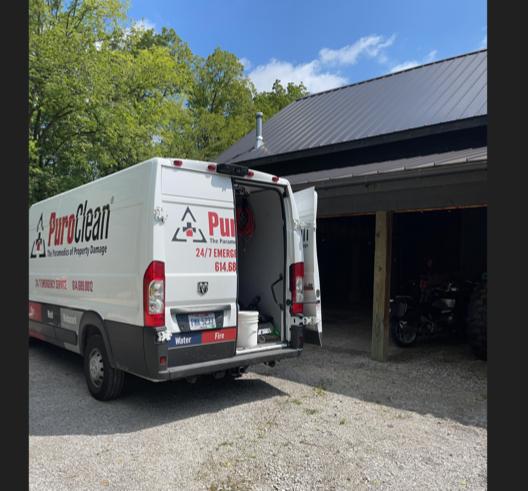
Start by asking friends, family, and neighbors for restoration company recommendations. Personal experiences provide valuable insights into company reliability, quality, and customer service. Local community social media groups often have discussions about service providers with honest assessments from multiple users.
Check online reviews on multiple platforms. Look for patterns in feedback rather than focusing on isolated extreme reviews. Companies with hundreds of reviews showing consistent quality and responsiveness demonstrate reliable service. Pay attention to how companies respond to negative reviews. Professional, helpful responses indicate companies that care about customer satisfaction.
Verify credentials and certifications. Visit company websites to review their qualifications, experience, and services offered. Look for IICRC certifications, membership in restoration industry associations, and evidence of ongoing training.
Get multiple estimates when possible. While you shouldn’t choose based solely on price, comparing estimates helps you understand reasonable cost ranges and what different companies include in their services. Be wary of quotes significantly lower than others, as they often indicate cut corners or hidden fees.
PuroClean Home Savers serves Columbus and surrounding areas with professional water damage restoration. Their certified technicians respond quickly to water damage emergencies and work efficiently to restore homes to pre-damage condition. Call (614) 689-0012 for a free damage assessment and honest evaluation of whether your situation requires professional intervention.
Frequently Asked Questions
How much does professional water damage restoration cost in Columbus?
Costs vary widely based on damage extent. Small localized damage might cost $300 to $800 for professional repair. Moderate damage involving multiple rooms typically ranges from $1,500 to $5,000. Extensive damage with mold remediation and structural repairs can exceed $10,000. Most companies provide free estimates after inspecting the damage.
Will my insurance cover professional restoration services?
Many homeowners policies cover sudden and accidental water damage like burst pipes or appliance failures. Gradual damage from long term leaks typically isn’t covered. Review your policy and contact your insurance company immediately after discovering damage. Many restoration companies work directly with insurance adjusters to streamline claims.
Can I live in my home during professional restoration?
This depends on damage extent. Small localized repairs rarely require leaving your home. Extensive damage might make your home temporarily uninhabitable, especially if water or mold affects large areas. Many insurance policies cover temporary housing costs during major restoration projects.
How long does mold take to grow after water damage?
Mold spores can begin colonizing wet surfaces within 24 to 48 hours in Columbus’s humid climate. Visible growth often appears within 3 to 5 days. This rapid timeline emphasizes the importance of quick action after water damage discovery. Professional drying equipment prevents mold establishment by removing moisture before mold can take hold.
What if I start a DIY repair and realize I’m in over my head?
Stop work immediately and call professionals. Explain what you’ve discovered and the work you’ve already done. Reputable companies won’t judge you for attempting DIY repairs. They’ll assess the situation and create a plan moving forward. Acting quickly limits additional damage that might have occurred if you struggled on beyond your capabilities.
Do restoration companies work evenings and weekends?
Reputable restoration companies offer 24/7 emergency response because water damage doesn’t wait for business hours. Companies providing immediate response prevent damage from worsening while you wait. Ask about emergency service availability when researching restoration companies.
How do I prevent water damage from happening again?
Preventing future damage requires identifying and fixing root causes. This might mean repairing roofs, improving drainage around your foundation, fixing chronic plumbing issues, or upgrading appliances with failing components. Professional restoration companies often identify underlying causes during their assessment and can recommend preventive measures.
Conclusion
The decision between DIY and professional water damage repair depends on multiple factors unique to your situation. Small, contained damage from clean water sources with no complications often suits DIY approaches for homeowners with appropriate skills, tools, and time. Everything else benefits from professional restoration services that complete work correctly, quickly, and with guaranteed results.
Columbus homeowners should consider the real costs beyond initial estimates. DIY repairs that fail or miss hidden damage ultimately cost more than professional services would have initially. The risks of mold exposure, structural damage, and incomplete repairs often outweigh potential savings.
Trust your instincts when making this decision. If you feel overwhelmed, uncertain, or discover complications beyond your expertise, calling professionals is the wise choice. There’s no shame in recognizing when a project exceeds your capabilities. The goal is protecting your home and family, not proving you can handle everything yourself.
PuroClean Home Savers has helped countless Columbus area homeowners navigate water damage situations. Their experienced team provides honest assessments about whether your damage requires professional intervention. They work efficiently to restore your home while coordinating with insurance companies to ease the claims process.
Don’t let indecision allow damage to worsen. Call PuroClean Home Savers at (614) 689-0012 today for a free assessment of your water damage. Whether you ultimately choose DIY or professional repair, getting expert evaluation of your situation helps you make the best decision for your home and family. Their 24/7 emergency response ensures you get help whenever water damage strikes, preventing minor problems from becoming major disasters.
 PuroClean Home Savers